10 Side Hustles That Are Making Millennials More Money Than Their Day Jobs
Millennials aren’t picking up side hustles for the love of the game. Rising costs and stagnant wages have made extra income necessary. Many of these gigs look modest at first, but the numbers tell a different story.
Niche Content Creation — $1,000 to $5,000 per month

Credit: Canva
A lot of people are told to make content for everyone, which usually leads nowhere. Creators who earn consistently tend to do the opposite by narrowing their focus until viewers know precisely what problem they’ll solve. The clarity builds trust faster than reach, even if the audience never becomes particularly large.
Digital Products — $2,000 to $10,000 per month

Credit: Getty Images
The hardest part of selling digital products is working for weeks without knowing if anyone will care. First versions often miss the mark, and feedback comes slowly. That waiting period turns people away long before sales appear, which is why many products fail before they ever get refined enough to stand on their own.
Online Freelancing — $30 to $80 per hour

Credit: pexels
Online freelancing feels different once you stop chasing every request. Turning work down means clients come in with higher expectations and less patience for revisions. Fewer projects sound easier on paper, but each one carries more weight, and mistakes become harder to absorb when there’s nowhere to hide them.
Online Reselling — $45 per hour on average

Credit: Canva
The real work in reselling happens before anything is listed. Profitable sellers spend more time researching demand than packaging items. Buying the wrong inventory ties up cash and slows everything down. Discipline matters more than hustle, which is why experienced resellers often sell less but earn more.
Affiliate Websites — $1,000 to $10,000 per month

Credit: Getty Images
Affiliate sites live or die by how well they answer questions people are already asking. The dependence creates vulnerability. Rankings shift, search behavior changes, and content that once performed can fade without warning. The real work happens after publishing, when pages need defending rather than expanding.
Coaching — $50 to $300 per hour

Credit: Canva
People usually come to coaching because something feels off, not because they can cleanly name the problem. Early sessions tend to circle around choices, habits, and blind spots rather than quick fixes. A lot of the real work happens between calls, which makes outcomes uneven and harder to measure from the outside.
Paid Online Communities — $20 to $100 per member monthly

Credit: Getty Images
Recurring income comes from keeping the same people engaged. Smaller membership groups built around shared goals tend to hold attention longer. Members pay for access and continuity, which creates predictable revenue. When conversations stay active, churn slows, and growth becomes steady.
Event Staffing and Brand Ambassador Work — $25 to $40 per hour

Credit: pixelshot
Event staffing tends to revolve around other people’s deadlines. A conference adds last-minute sessions, a brand decides to expand a launch, and suddenly, extra staff are needed. The work pays well for the hours involved, but it arrives in clusters, which makes planning around it harder than the rate suggests.
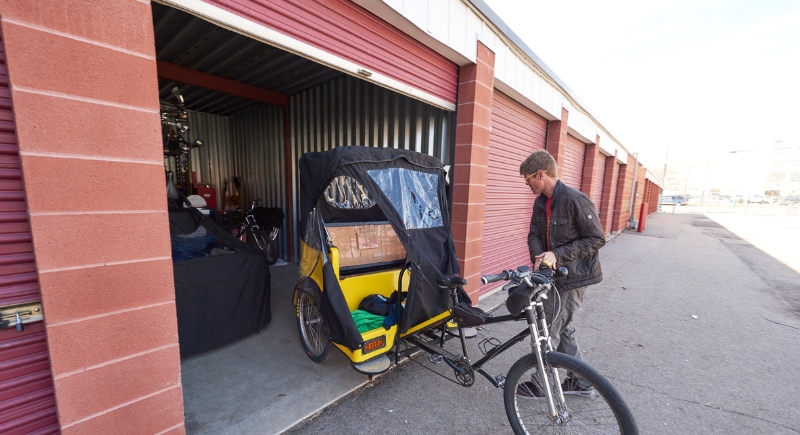
Renting Out Space — $200 to $1,000 per month
Credit: Aflo Images
A simple decision to rent out a garage, driveway, or spare storage area tends to grow more complicated over time. Building rules shift, platforms adjust policies, and local regulations start to matter. Staying compliant and available takes more attention than people expect.
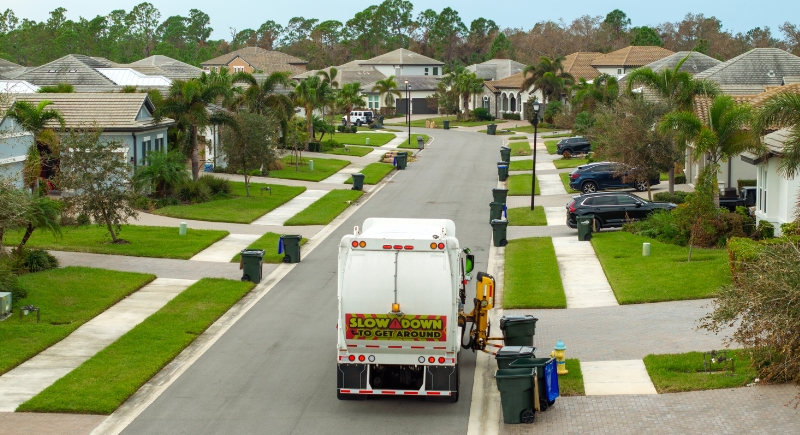
Composting Pickup Services — Up To $200,000 Per Year
Credit: Canva
Curbside compost pickup grew from a simple gap: households wanting to compost without having to manage it themselves. The work scales through routes rather than through marketing. Bins still need collecting, trucks still run on schedules, and growth eventually depends on how much physical labor an operation can absorb.