Critical Factors for Deciding if Microsoft Is a Solid Long-Term Investment in 2026
Microsoft enters 2026 in a strong position. Demand for its cloud services keeps rising, businesses continue to rely on its productivity tools, and AI has become a major growth driver for Azure. The company is also generating profits at a scale few others can match.
In its fiscal third quarter of 2026, Microsoft reported $82.9 billion in revenue, $38.4 billion in operating income, and $31.8 billion in net income, all higher than a year earlier. All of this points to a strong long-term investment case, but it still doesn’t answer the full question on its own.
Start With The Price You Are Paying

Credit: Getty Images
Two things can be true at the same time. Microsoft can be a strong company and still be a weak investment if you buy it too expensively. Its valuation already reflects a lot of optimism around AI, cloud growth, and its dominance in software. The company is valued at about $3.12 trillion, with a trailing P/E ratio near 25 (price-to-earnings ratio, which shows how much investors are paying for each dollar of profit) and a dividend yield below 1%. That is not extreme for a business this profitable, but it does mean expectations are already high.
Judge Azure As The Growth Engine

Credit: Wikimedia Commons
Azure is the clearest reason many investors still treat Microsoft as a long-term compounder. The cloud business is at the center of enterprise software, AI workloads, data storage, app development, and computing infrastructure. The key question is whether it can continue to gain share while remaining profitable. Microsoft said Azure and other cloud services grew 40% in its fiscal third quarter of 2026, helped by AI demand. Its growth rate is the bull case in plain English. If cloud demand keeps expanding and Microsoft adds high-value AI services on top, Azure can carry a lot of the company’s future growth.
Watch AI Spending

Credit: Canva
Microsoft is spending enormous sums to build data centers, buy chips, expand power capacity, and support customers running advanced models. Reuters reported that Microsoft’s fiscal third-quarter capital expenditures rose 49% from a year earlier to $31.9 billion, though that figure came in below Wall Street’s expected $34.90 billion. Such spending can be brilliant if it locks in future cloud revenue. It can also pressure free cash flow if demand slows or prices fall. A long-term investor should track whether AI capex leads to durable revenue, not just bigger headlines.
Separate AI Revenue From AI Hype

Credit: pexels
Microsoft has one of the strongest AI positions in public markets, but investors should not treat every AI announcement as equal. The real test is monetization. Is Copilot improving Office pricing? Are developers paying for Azure AI tools? Are enterprise customers building products that stick? Morningstar noted that Azure AI demand is surging and that Azure growth reached 39% in constant currency for a recent quarter, but it also pointed to heavy capital spending tied to that demand. The best long-term signal is repeatable, high-margin customer spending.
Do Not Ignore Microsoft 365
Credit: Wikimedia Commons
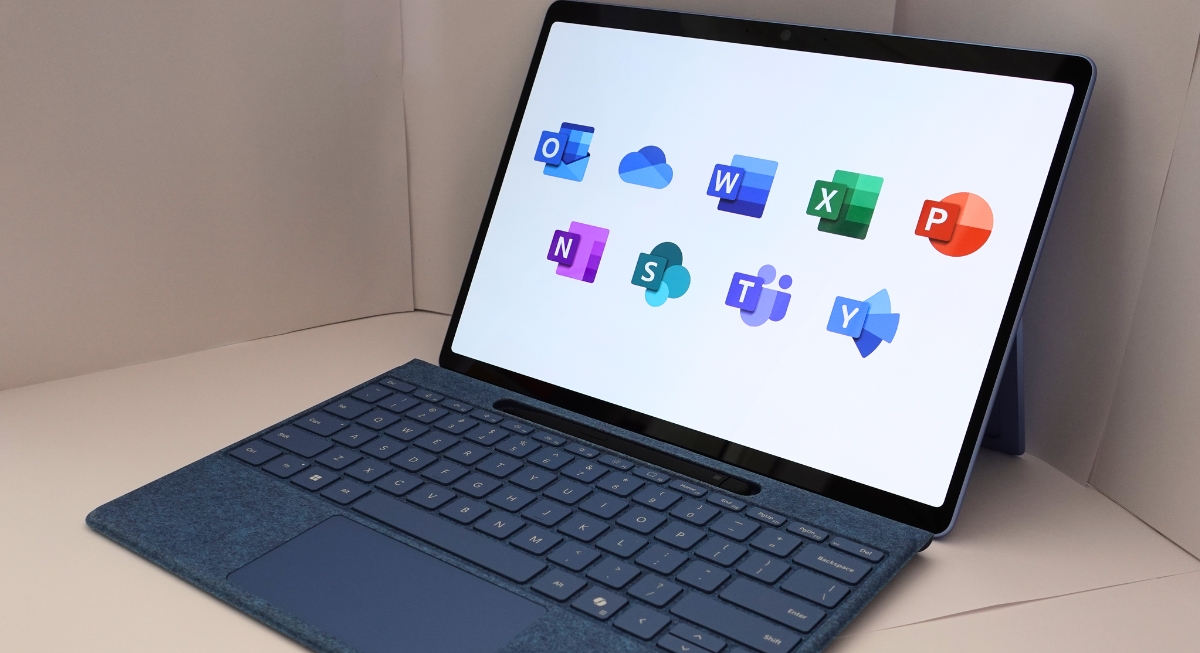
The AI narrative often makes Microsoft look like only a cloud and infrastructure company, but Microsoft 365 is still a core part of the business. Tools like Word, Excel, PowerPoint, Outlook, Teams, and SharePoint are deeply embedded in daily corporate work. If Copilot and security add-ons increase spending without driving customers away, Microsoft 365 can stay a strong source of steady profit. Microsoft’s 2025 10-K notes that Microsoft 365 Commercial revenue is driven mainly by growth in its installed base and higher revenue per user. That leaves investors watching two key drivers: more users and more spending per user.
Measure Diversification Beyond Cloud

Credit: Wikimedia Commons
A Microsoft investment is not only an Azure bet. The company has multiple engines: productivity software, Windows, enterprise security, LinkedIn, gaming, developer tools, advertising, and consumer subscriptions. Microsoft’s 2025 annual report said LinkedIn had 1.2 billion members, and gaming reached 500 million monthly active users across platforms and devices. Variety gives Microsoft resilience when one segment slows. Investors should ask whether each segment strengthens the broader ecosystem or simply adds complexity. The best version of Microsoft uses these businesses to deepen customer relationships.
Study Margins, Not Just Revenue

Credit: Canva
Revenue growth grabs attention. Margin durability proves business quality. Investors should watch gross margin, operating margin, and free cash flow over several quarters. Fast revenue growth means less if expenses rise faster. Microsoft’s appeal has long rested on its ability to turn software revenue into large operating profits. In fiscal Q3 2026, operating income rose 20% while revenue rose 18%, suggesting the company maintained strong profit discipline amid heavy investment, which is encouraging. But the pressure point is clear. AI infrastructure is expensive, cloud capacity is capital-heavy, and competition can force pricing concessions.
Check The Balance Sheet And Cash Flow

Credit: Canva
Microsoft has the financial strength to fund significant AI spending without appearing fragile, which is a major advantage over smaller competitors. One recent analysis said the company ended its latest quarter with $78 billion in cash and $15.8 billion in free cash flow. Numbers like that give Microsoft room to invest, buy back stock, pay dividends, and absorb mistakes. Still, cash strength should not become an excuse for careless spending. You should compare free cash flow against capital expenditures and shareholder returns. A fortress balance sheet matters most when management allocates capital with discipline.
Weigh Competition And Platform Risk
Credit: Wikimedia Commons
Amazon Web Services, Google Cloud, Apple, Salesforce, Oracle, OpenAI, Anthropic, and many cybersecurity firms all pressure different pieces of the Microsoft story. These companies can spend almost as aggressively. The AI race adds another layer, as model providers, chip suppliers, cloud platforms, and enterprise software companies all vie for the same budget. Recent reports also show Microsoft broadening its AI partnerships beyond OpenAI, including exposure to Anthropic, which may reduce dependence on a single partner but adds strategic complexity.
Decide Whether The Long-Term Thesis Still Fits Your Risk Tolerance

Credit: Getty Images
The final factor is personal: Microsoft may be solid, but that does not mean it fits every investor. The bull case rests on Azure growth, enterprise AI adoption, Microsoft 365 pricing power, strong margins, and a balance sheet that can fund the next computing cycle. The bear case centers on valuation, heavy capital spending, AI monetization risk, regulatory pressure, and intense competition. Microsoft’s recent results show powerful operating momentum, but the stock still requires belief that today’s spending will produce tomorrow’s cash flow.