10 Massive Rip-Offs Everyday Consumers Became Conditioned to Accept
A lot of everyday rip-offs stick around because people slowly get used to them. The frustration is still there, but what people consider “normal” has shifted. Charges that once would have caused outrage now barely get a reaction at checkout because they show up so often.
Businesses learned long ago that small annoying fees draw less pushback once they become routine. Over time, customers stop seeing them as unusual and start treating them as just part of the deal.
Concert Ticket Fees
Credit: pexels
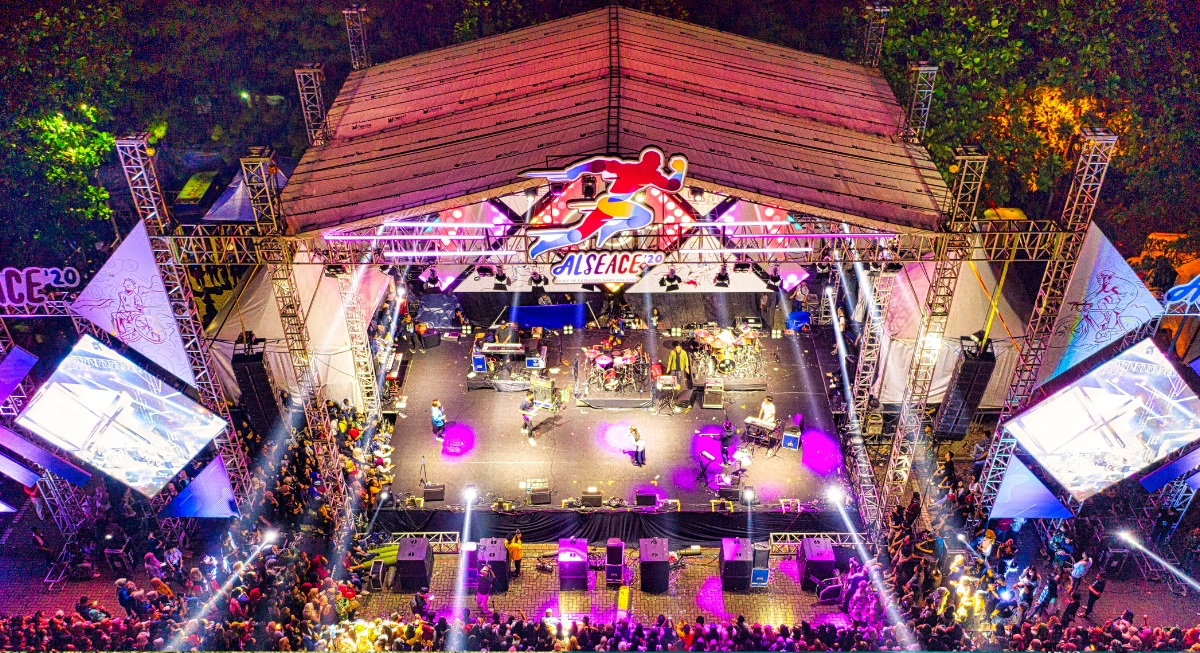
Online ticketing slowly created a system where the advertised ticket price is rarely the final total. Extra charges appear layer by layer during checkout under labels like “processing,” “facility,” or “convenience” fees, even when the entire purchase is digital from start to finish. The tactic is effective because most buyers do not see the real cost until after selecting seats, entering account information, and mentally committing to the purchase.
Hotel Resort Fees

Credit: Canva
Hotel resort fees are among the most common surprises travelers encounter when booking stays. A lower room rate often looks appealing at first, but the final price rises once these mandatory charges are added. Hotels typically label them as “resort fees,” even when they cover basic services like Wi-Fi, gym access, or bottled water. The practice started in places like Las Vegas but has since spread to hotels in many cities, and in most cases, guests have no real choice but to pay it at checkout.
Shrinkflation
Credit: pexels
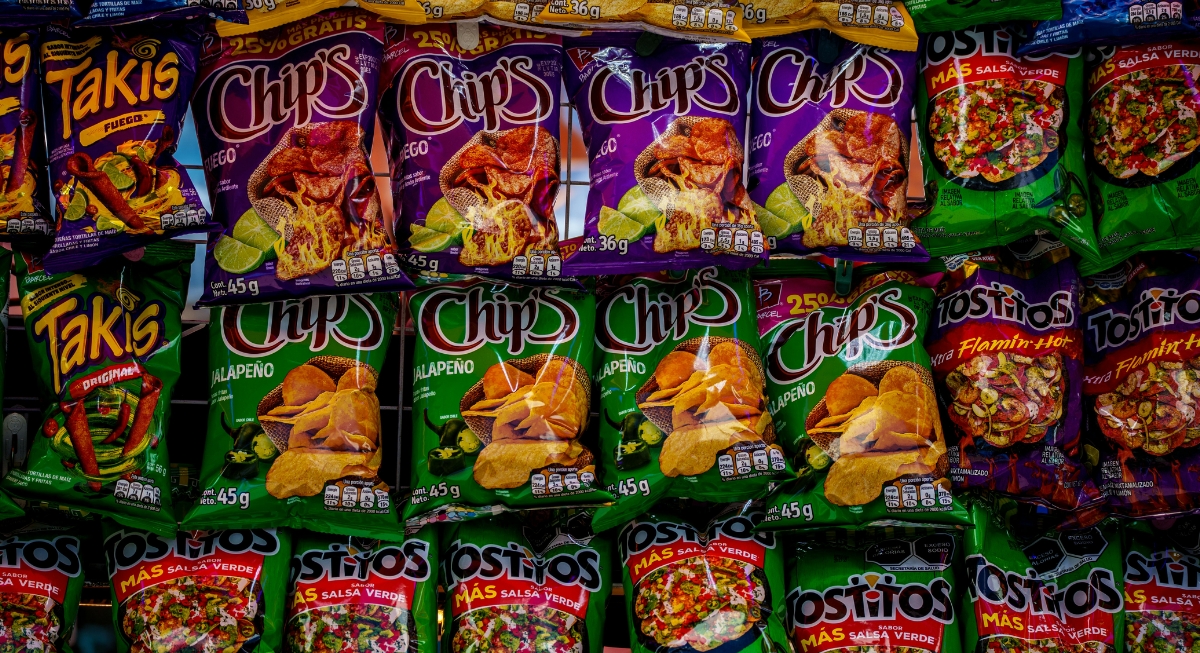
Shrinkflation happens when products get smaller but the packaging stays the same. A cereal box looks unchanged, a chip bag keeps its familiar design, and a paper towel pack still takes up the same shelf space, even though there is less inside. Companies often use this during inflation because reducing quantity is less noticeable than raising prices. Some ice cream tubs have shrunk and snack bags now contain more empty space, but most shoppers do not spot the difference during routine grocery runs.
Food Delivery Apps
Credit: Canva
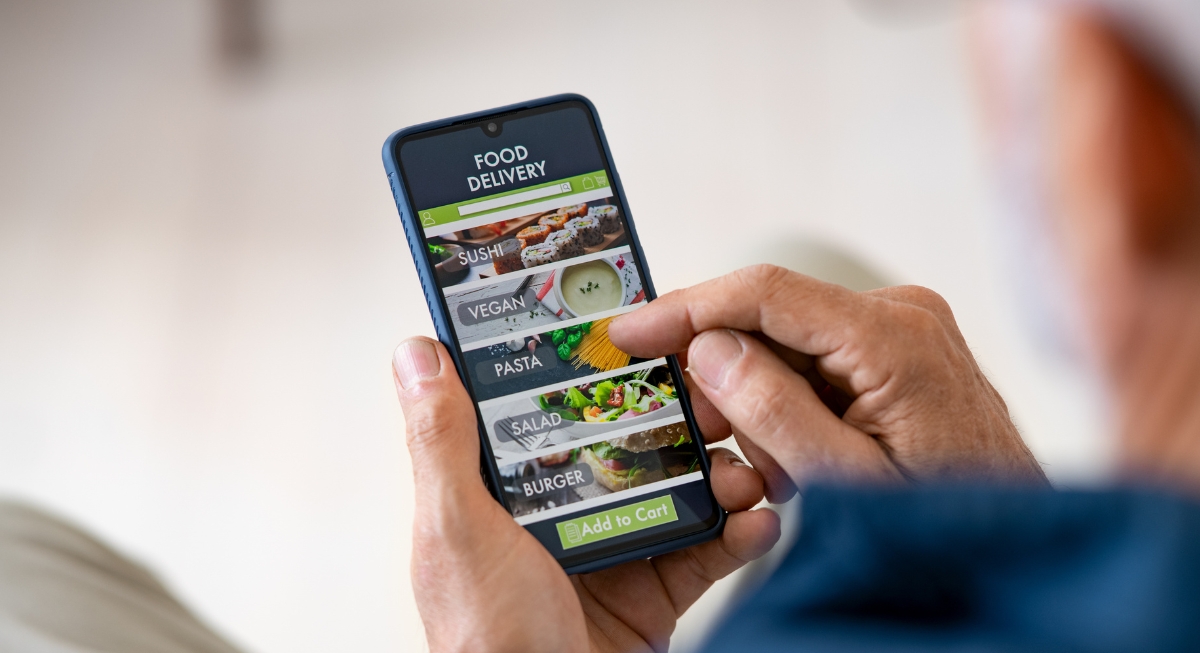
Food delivery apps turned convenience into a premium service, with luxury-level markups on ordinary takeout meals. Restaurants frequently charge higher menu prices inside the apps before additional fees even appear. Then come delivery charges, service fees, small-order fees, taxes, and aggressive tip prompts layered onto the same transaction. The final total can become absurd compared to picking up the food yourself. Yet millions of people continue paying because convenience overrides the financial irritation.
Printer Ink
Credit: pixelshot
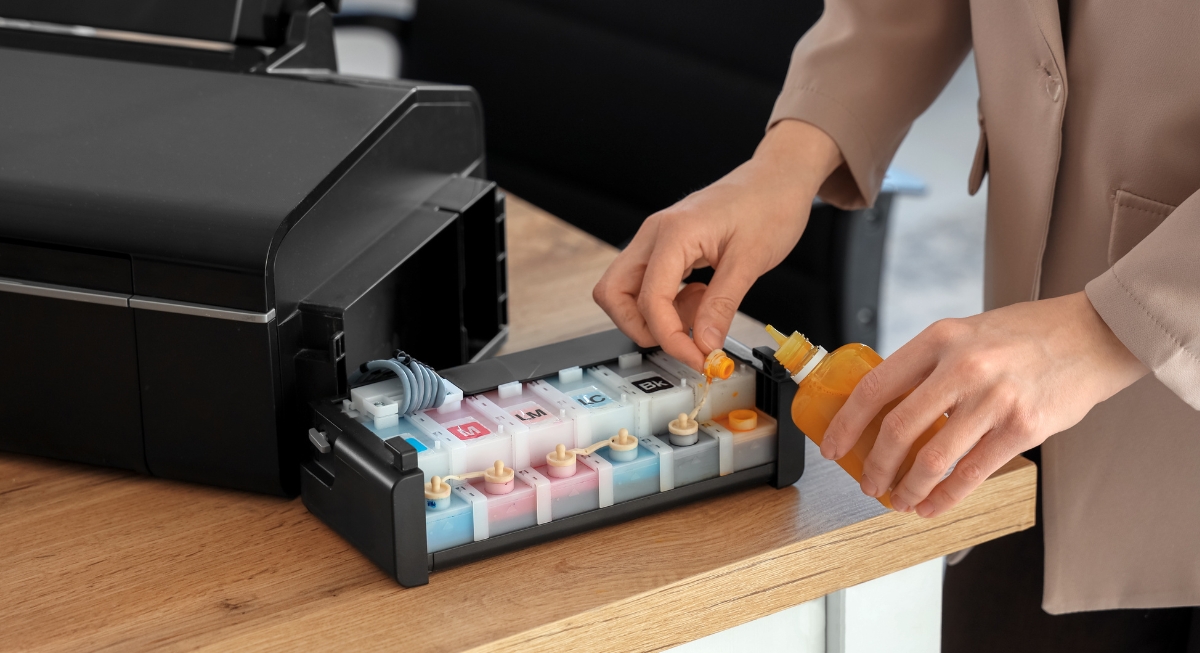
Printer manufacturers perfected one of the strangest pricing systems in consumer technology. The printer itself sometimes costs less than the replacement ink cartridges required to operate it. Certain premium inks cost more per ounce than expensive perfume, luxury liquor, or even human blood. The machine was never the real product. Profit comes from locking customers into proprietary refills that cannot just be replaced with cheaper alternatives. Others reject third-party replacements after firmware updates. Consumers end up trapped between overpriced refills and the cost of replacing the entire printer, despite years of complaints.
Subscription Creep
Credit: Getty Images
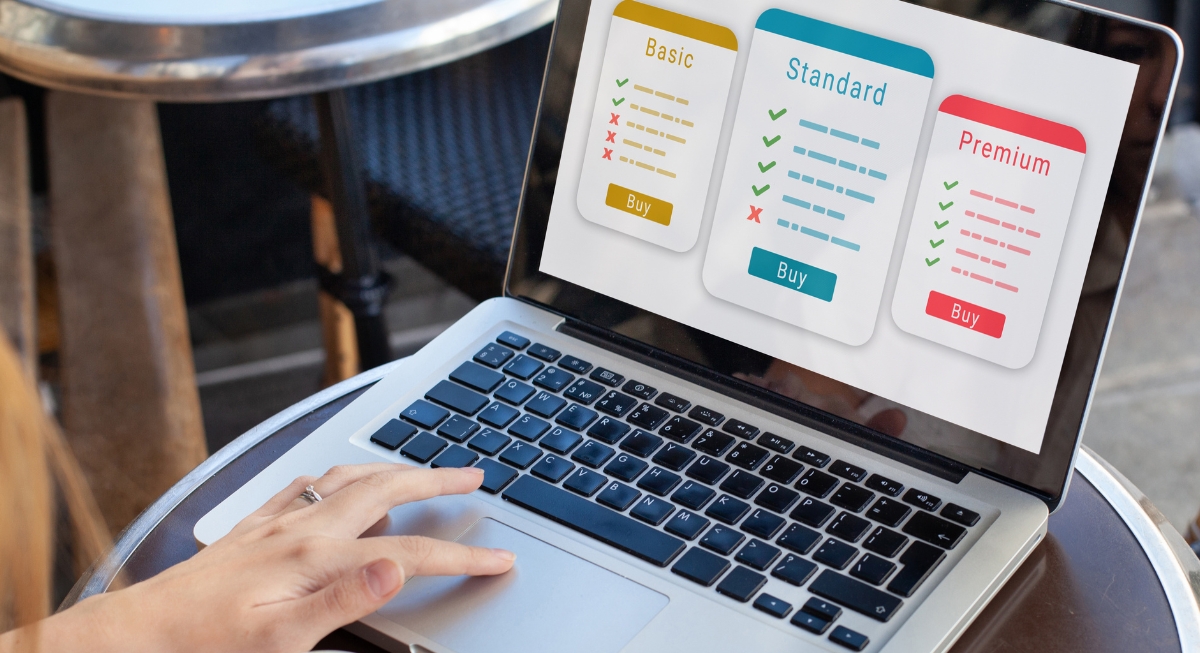
Streaming platforms originally marketed themselves as cheaper alternatives to cable television. Then the monthly charges started multiplying. Entertainment subscriptions blended with cloud storage, fitness apps, gaming memberships, software plans, premium accounts, and ad-free upgrades until recurring charges became part of ordinary household overhead. Small increases make the trend harder to notice in real time. A two-dollar hike rarely triggers immediate cancellation. Many companies also make canceling deliberately inconvenient by burying the process behind multiple screens or retention offers.
Bank Overdraft Fees
Credit: Getty Images
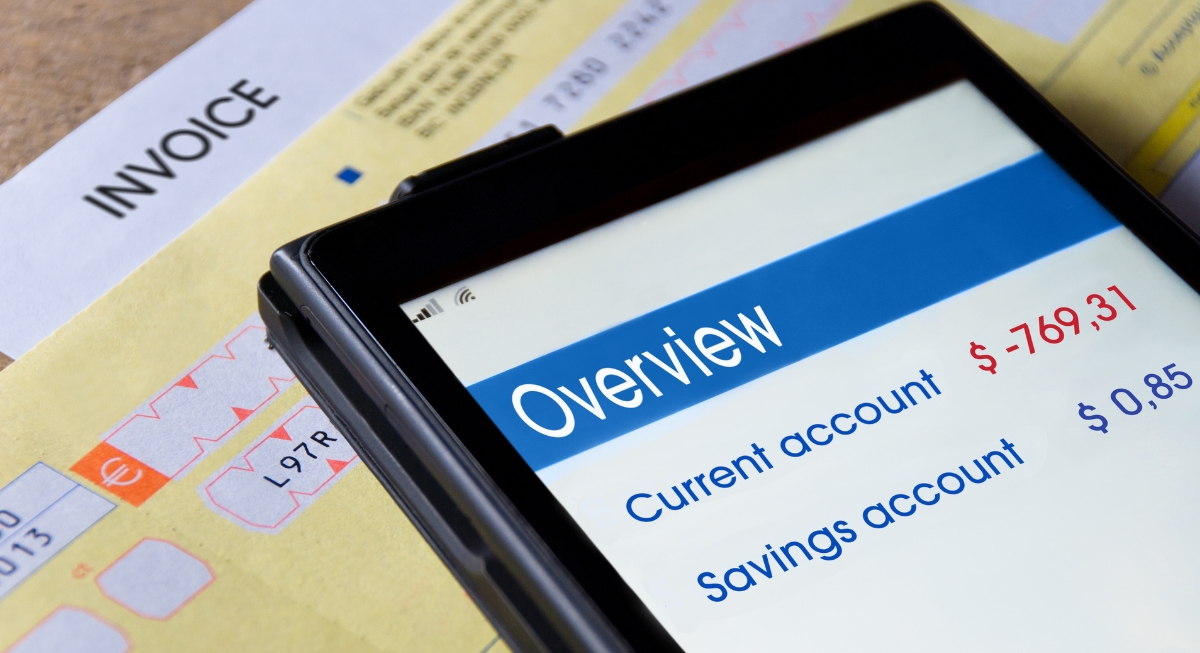
Bouncing a check was originally a minor manual error. The digital age transformed it into an automated profit engine. During the 2000s, banks deployed software that deliberately reordered daily transactions from highest to lowest dollar amount, rather than chronologically. By processing a large rent check first, the account balance was wiped out instantly, forcing every subsequent small purchase that day to trigger its own penalty. While regulations eventually curbed automatic enrollment, the mechanism survived through aggressive “opt-in” marketing.
College Textbooks

Credit: Canva
Students usually cannot comparison shop because professors decide exactly which edition and platform the course requires. Publishers took advantage of that control by releasing constant “new editions” containing minor changes that destroy the resale value of older books. The digital access code made the system even more expensive. Homework portals, quizzes, and assignments now often require one-time-use codes tied to brand-new purchases. Even when older textbooks contain nearly identical material, students still must buy the latest version just to submit coursework.
Bill-Pay “Convenience” Fees
Credit: Canva
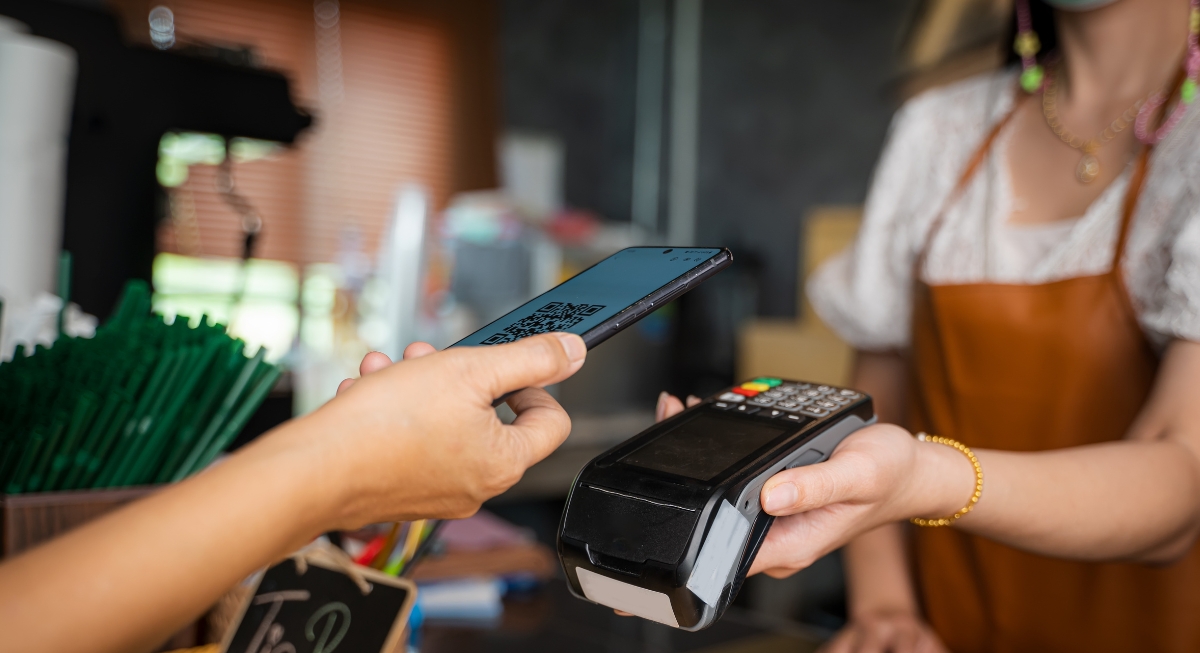
Online bill payment has significantly reduced companies’ operating costs. Automated systems eliminated much of the labor tied to paper statements, mailed checks, manual processing, and physical payment centers. Instead of passing those savings on to customers, many businesses introduced convenience fees for digital payments. The logic is hard to defend. Customers enter their own information, use their own devices, and transfer money electronically directly into company accounts. Yet the process still generates an extra charge.
Point-of-Sale Tipping Prompts
Credit: Canva
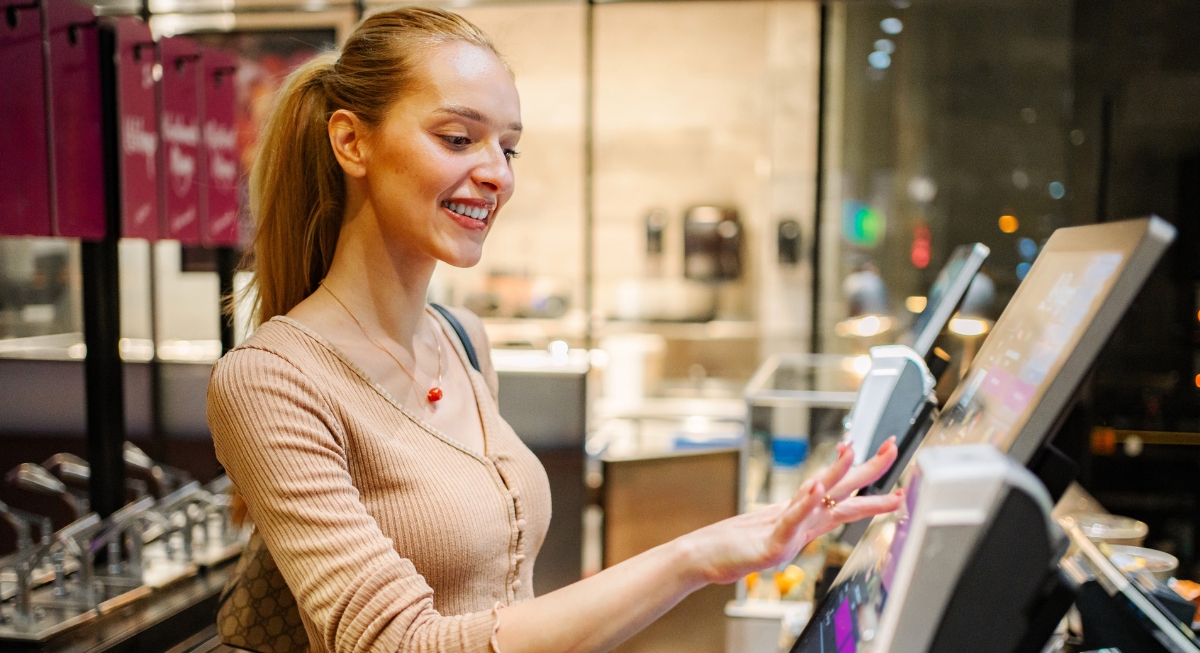
Coffee counters, self-checkout kiosks, frozen yogurt shops, airport stores, and retail registers now swivel glowing tablets toward customers asking for 20 percent gratuities during transactions involving minimal direct service. The customer makes the decision under pressure while standing directly in front of employees and nearby strangers. Many people tap a tip option simply to avoid looking rude or cheap.