10 High-Growth Collectibles Reclaiming the Market and Why Designers Want Them in 2026
Certain collectibles are moving faster than expected right now, especially across resale platforms and independent dealers. Items that had a slow turnover for years are now getting picked up quickly, often by buyers who already know where and how they plan to use them (in interiors or for resale margins).
Designers are addressing this demand in practical ways. They are sourcing pieces to fix specific gaps in a space, such as balancing newer materials or adding variation where everything feels too uniform. At the same time, collectors are tracking categories that have remained undervalued for a long time. That overlap is what is tightening supply in a few key areas in 2026.
Pine Hall Chests
Credit: ebay
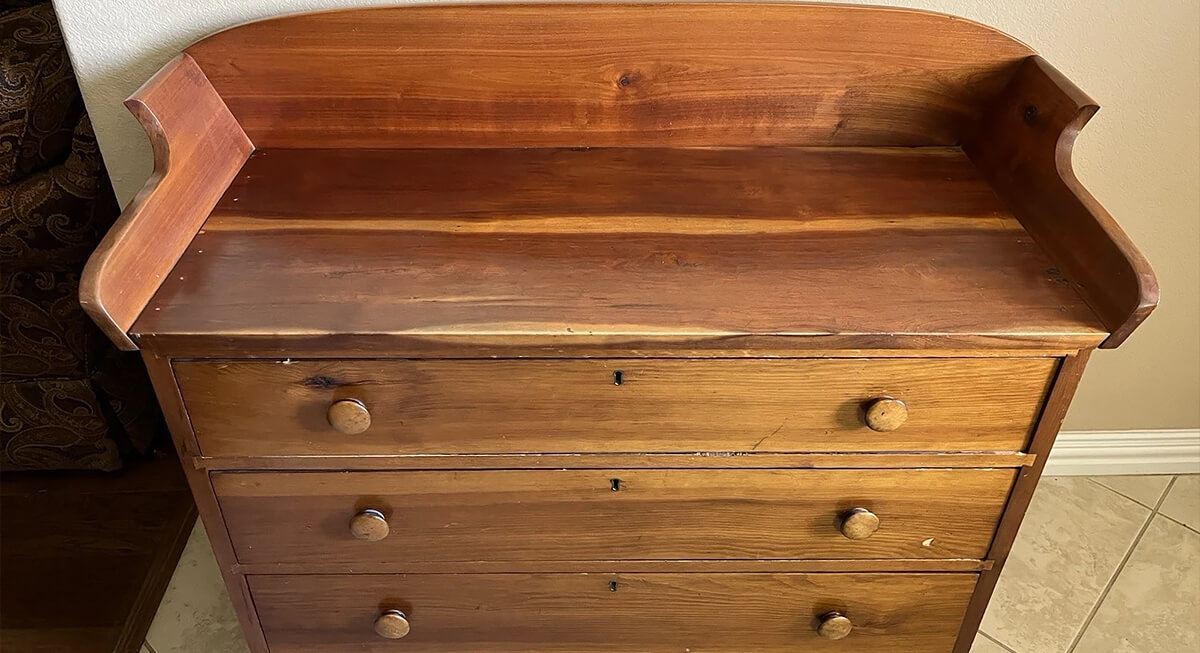
Solid pine hall chests have sat in the background at antique shops for years, but designer demand is bringing them back into regular circulation. What brings them back is visible details, including white porcelain knobs and hand-applied carvings that vary from piece to piece. Libby Baker Speight highlights that individuality is the main reason collectors are choosing them when furnishing homes.
Bobbin Beds
Credit: Instagram
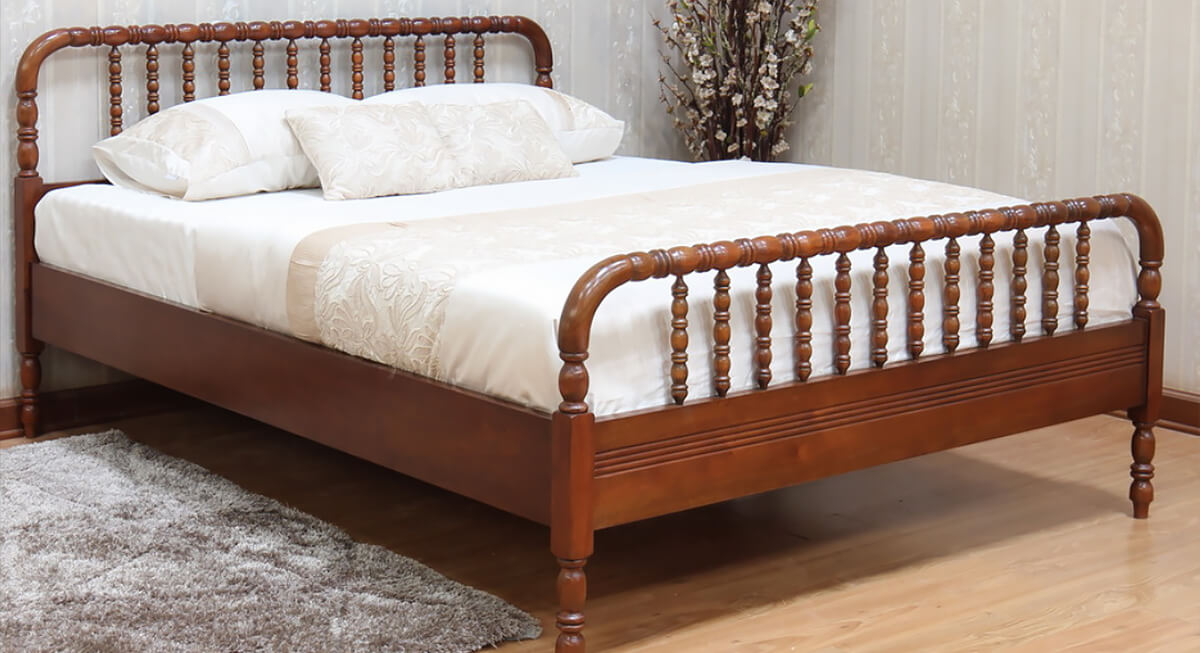
The Jenny Lind bed, known for its spool-turned posts, remains one of the more recognizable antique styles in the U.S. The name traces back to Jenny Lind, and it has stayed in use ever since. Beyond that history, the design works because of its structure. The rounded bobbin detailing fits into a range of bedroom setups, and original solid wood versions continue to draw interest from buyers who want something durable and distinct.
Aged Leather Chairs
Credit: Canva
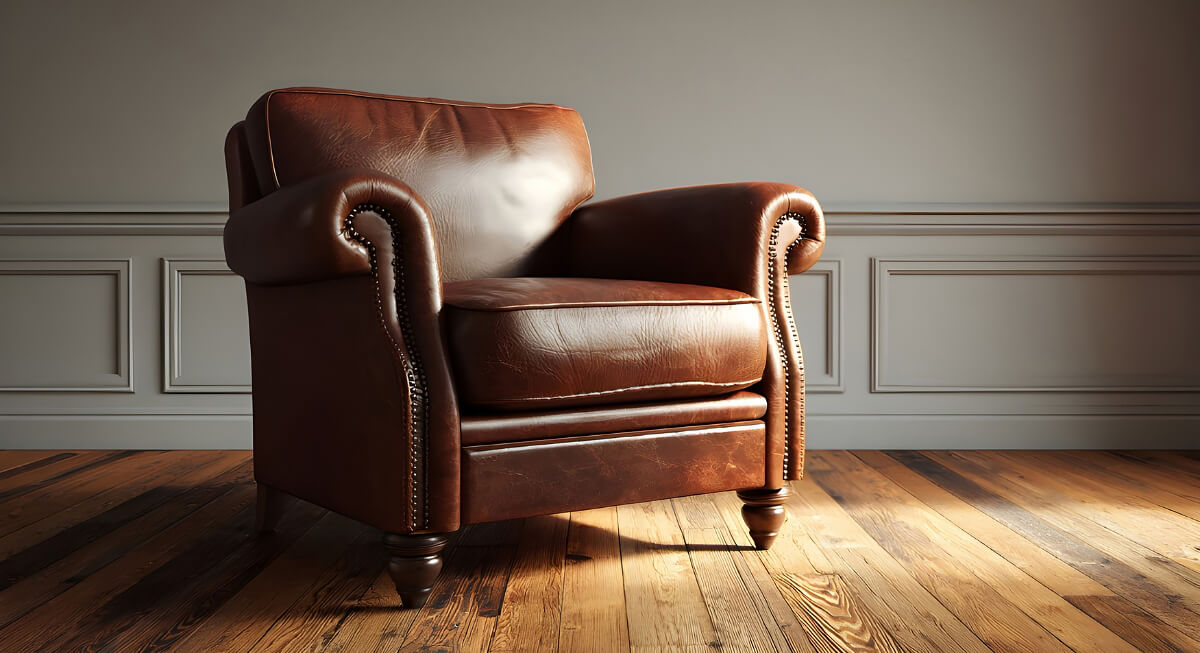
Distressed leather finishing is a well-documented practice in the furniture industry, with some manufacturers artificially replicating the patina that develops on used leather. Still, the results rarely fool a pair of experienced eyes. Vintage leather chairs are being sourced for home libraries and reading nooks, and their appeal aligns with the broader post-2020 home renovation boom documented by the Harvard Joint Center for Housing Studies.
Hall Trees
Credit: ebay
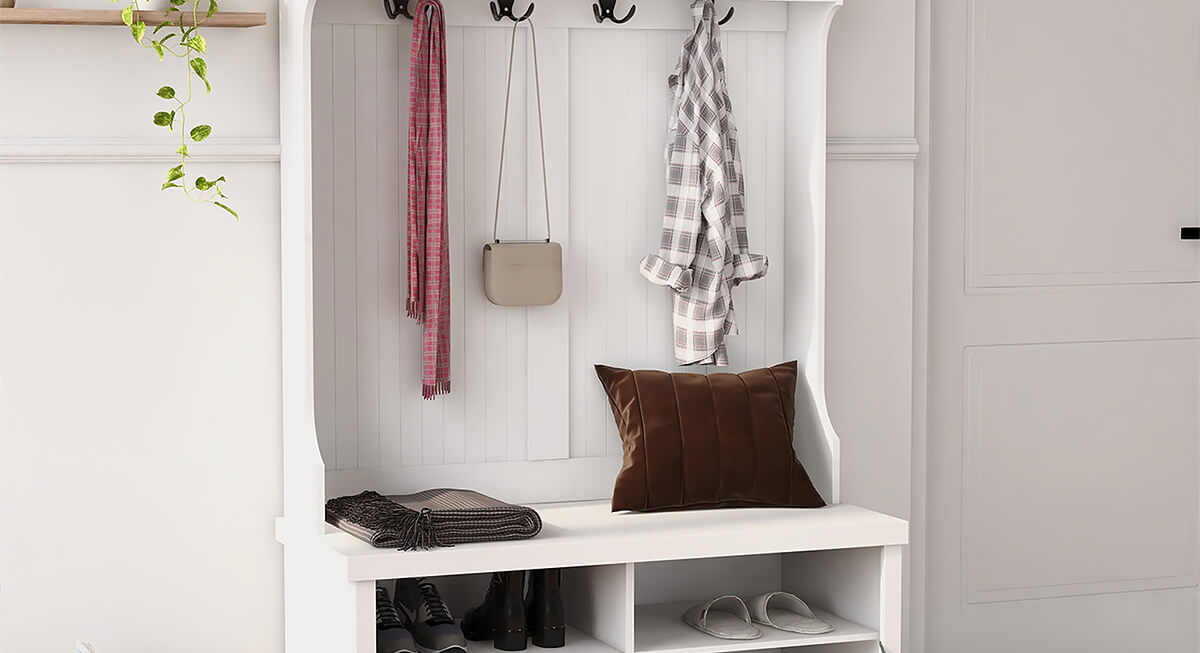
Hall trees slipped out of use when entryways got smaller, but they are finding buyers again for a simple reason. They do a job that many homes still need. Coats, bags, and shoes all have a place in one unit. Victorian and Eastlake pieces, with built-in hooks, mirrors, and bench storage, are getting more attention from both designers and collectors.
Gallery Trays
Credit: etsy
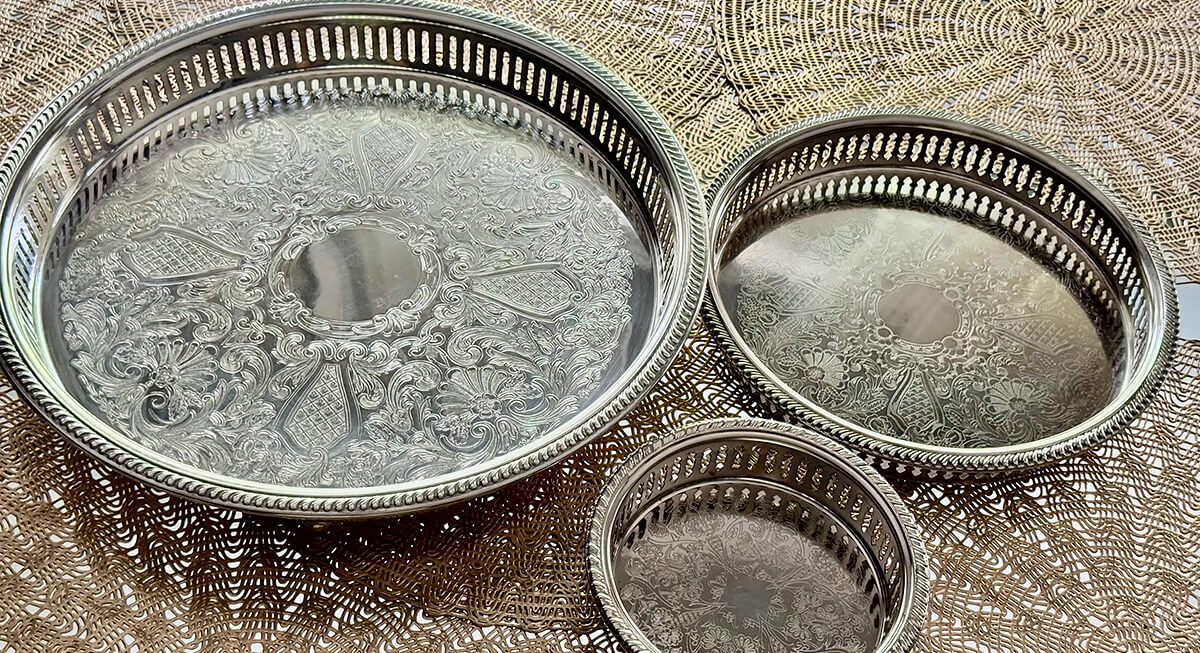
Gallery trays began as practical pieces for serving silver in 18th- and 19th-century homes, but they are used very differently now. The raised rim and handles still do their job, just in a new way, keeping small items grouped on coffee tables, dressers, or shelves (which makes styling easier without things looking scattered). Older pieces are especially in demand, and their frequent use in interior shoots has made them more visible to buyers who want something functional that also holds attention on its own.
Etageres
Credit: Reddit
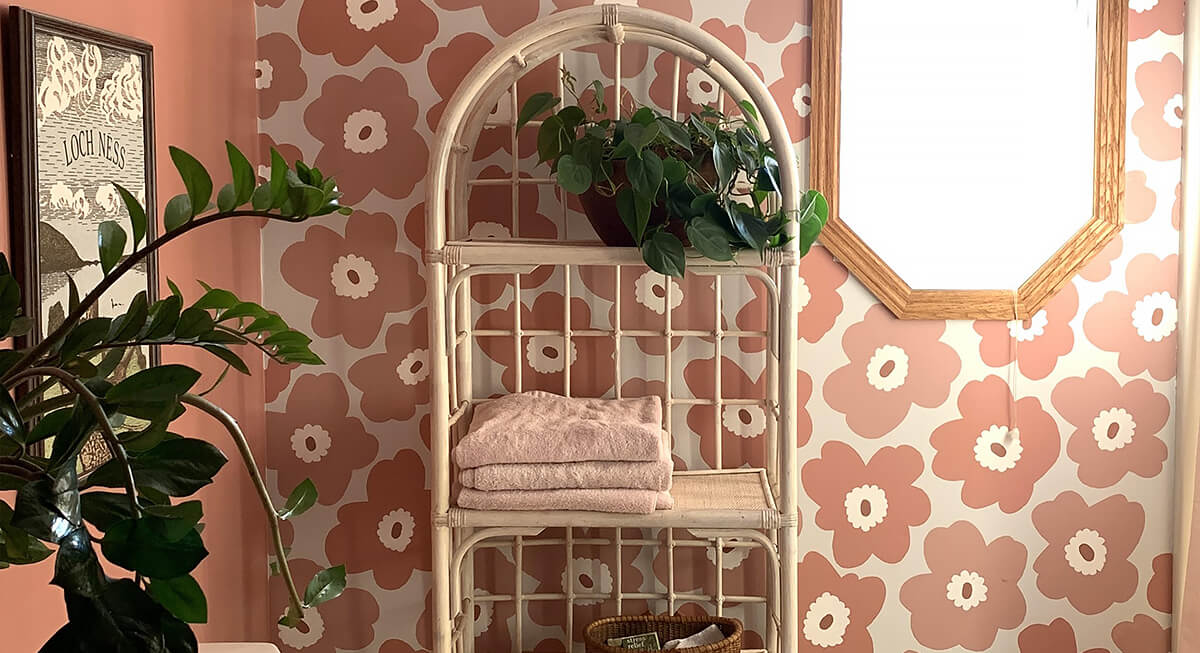
The “Coastal Grandmother” look, which gained traction on TikTok around 2022, brought renewed attention to a specific home style. Burnt bamboo etageres fit easily into that direction. These slim, open shelving units keep a room from feeling heavy while still offering space for books, barware, and a few selected items. In 2025 and 2026, designers are leaning toward pieces that support thoughtful arrangement, and the open layout of an etagere makes that easier to achieve.
Tapestries

Credit: Wikimedia Commons
Interest in tapestries has picked up again, especially among designers looking for something more grounded for wall spaces. Museums expanding textile collections have added to that attention, bringing older European and vintage pieces back into focus. These works stand out for their scale and craftsmanship, offering a depth that standard prints do not provide. In residential settings, they are often used as a single defining element, reducing the need for layered decor.
Burl Wood Furniture
Credit: Reddit
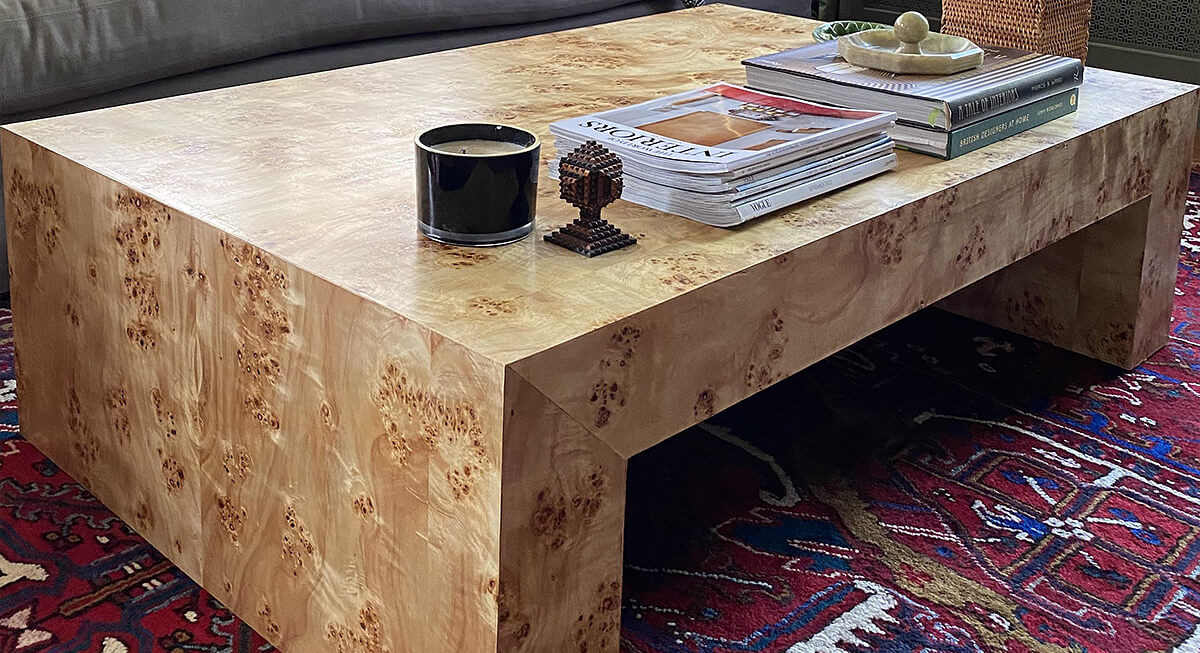
Burl wood comes from growth irregularities in a tree, which create the swirling grain patterns seen in furniture. That natural variation is what sets each piece apart. The look has gone in and out of favor over time, but it is making a comeback in current interiors. Publications such as Architectural Digest have noted its return, especially in higher-end spaces where materials are chosen for how they read up close as much as for how they appear from a distance.
Silver Serving Pieces
Credit: Reddit
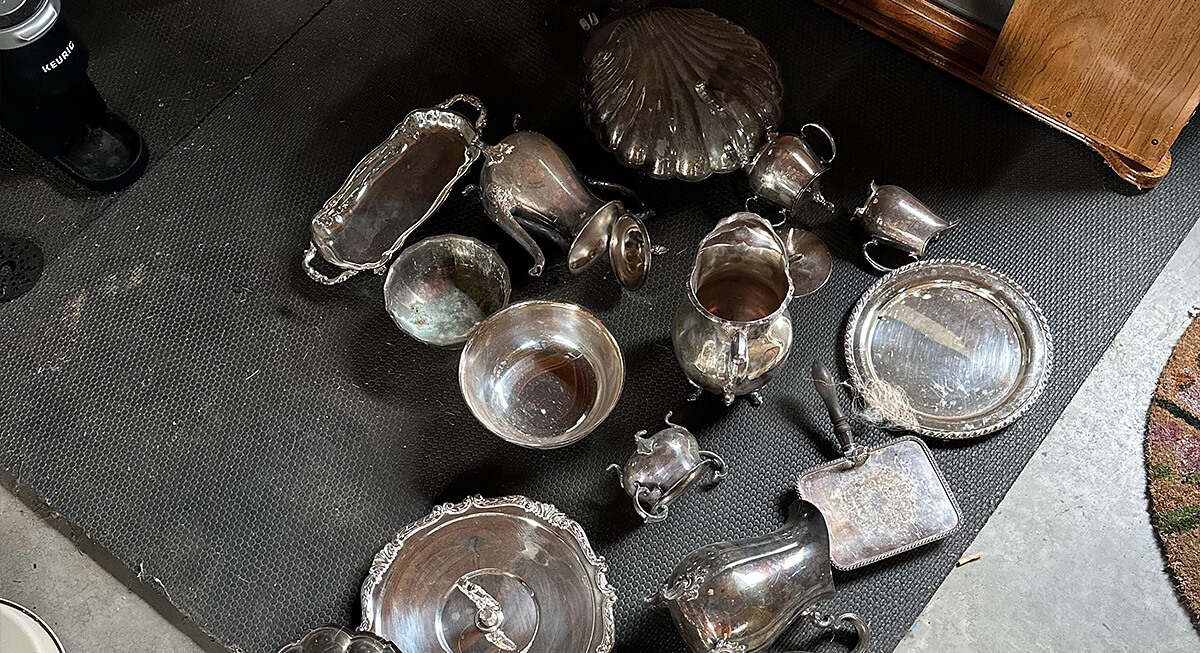
Brass held a dominant position in home decor finishes from roughly 2013 through the early 2020s. Silver is now reclaiming ground. Antique sterling and silver-plate serving pieces were overlooked for years while brass commanded attention. The recent shift has created a window for collectors and others to acquire pieces. Multiple 2025 and 2026 trend reports describe silver as the finish of the moment, and dealer interest increasingly reflects that shift.
Vintage Rattan and Wicker Furniture
Credit: Reddit
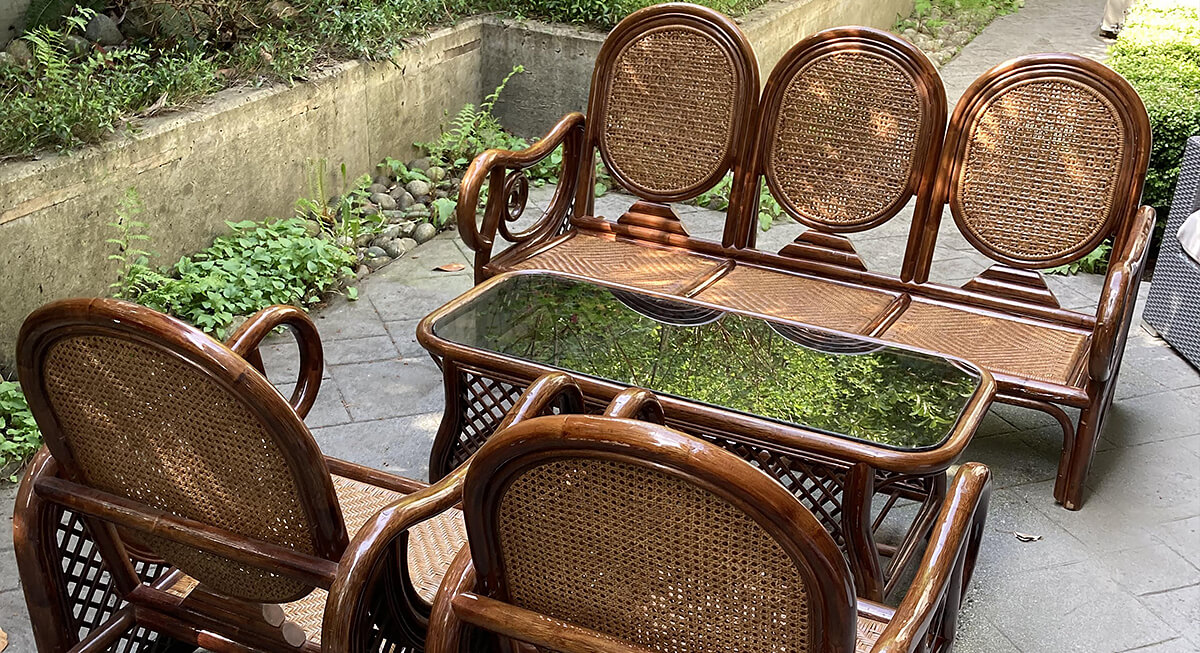
Rattan and wicker furniture have been part of American interiors since the mid-19th century, with another strong run during the 1970s bohemian phase. The current pickup in demand is tied to interest in natural materials and hand-built construction. Vintage pieces stand out because they use real rattan rather than later resin versions. That difference is one reason designers are sourcing older examples again for everyday use.