10 Hidden Truths Behind Your Luxury Handbag And The ‘Made In Italy’ Lie
When you see a luxury handbag, the first thing that comes to mind is status. The logo, the price tag, and the way it is presented all signal a certain level of success and exclusivity. These bags are usually seen as a reflection of quality and craftsmanship, something earned rather than simply bought.
But that sentiment is starting to change, as buyers are now questioning how these products are developed and priced. Details about global production and strategic markups have also raised new concerns.
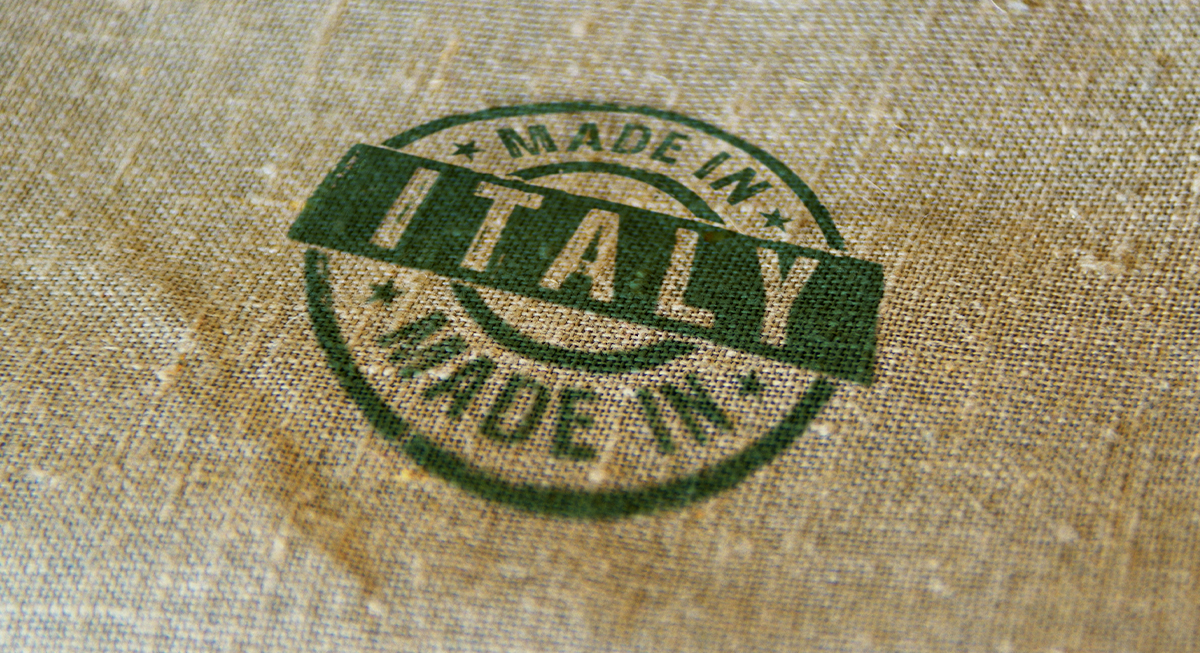
The “Made in Italy” Label Conceals the Origin
Credit: iStockphoto
A “Made in Italy” label typically suggests the handbag was entirely crafted in Europe, shaped by generations of skill and tradition. In reality, the early stages of production can take place in factories outside the continent, where much of the construction is carried out. The bag is then sent to Italy or France for the final steps, which make the label legally valid.
Luxury Handbags Carry Social Meaning Beyond Use
Credit: Canva
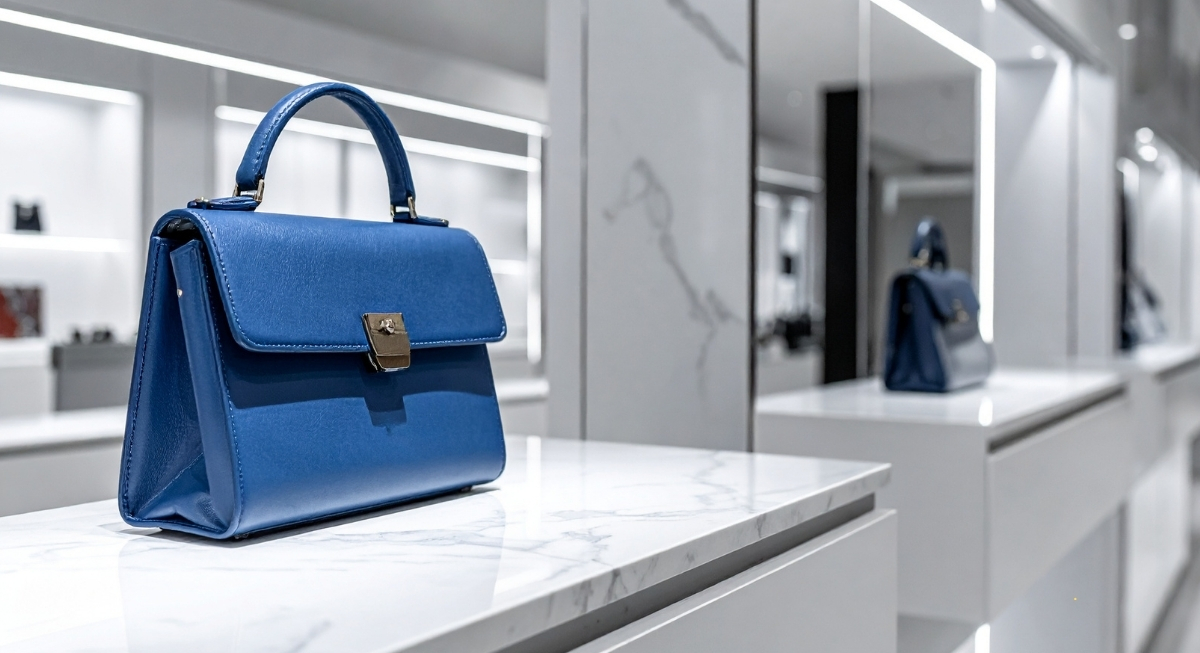
For many buyers, a handbag represents more than its physical purpose. It can point to personal milestones, financial progress, or social belonging. This connection influences purchasing decisions that extend beyond practicality. Owners often keep these bags because of the meaning they hold.
Luxury Pricing Signals Brand Positioning

Credit: Getty Images
Despite being produced in different parts of the world, these products still carry extremely high price tags. Luxury brands continue to increase prices even when materials and designs remain unchanged. A single handbag can jump by thousands within a short span. The retail figure reflects branding, marketing, and the overall retail experience.
The Gap Between Cost and Retail Price is Wide
Credit: Getty Images
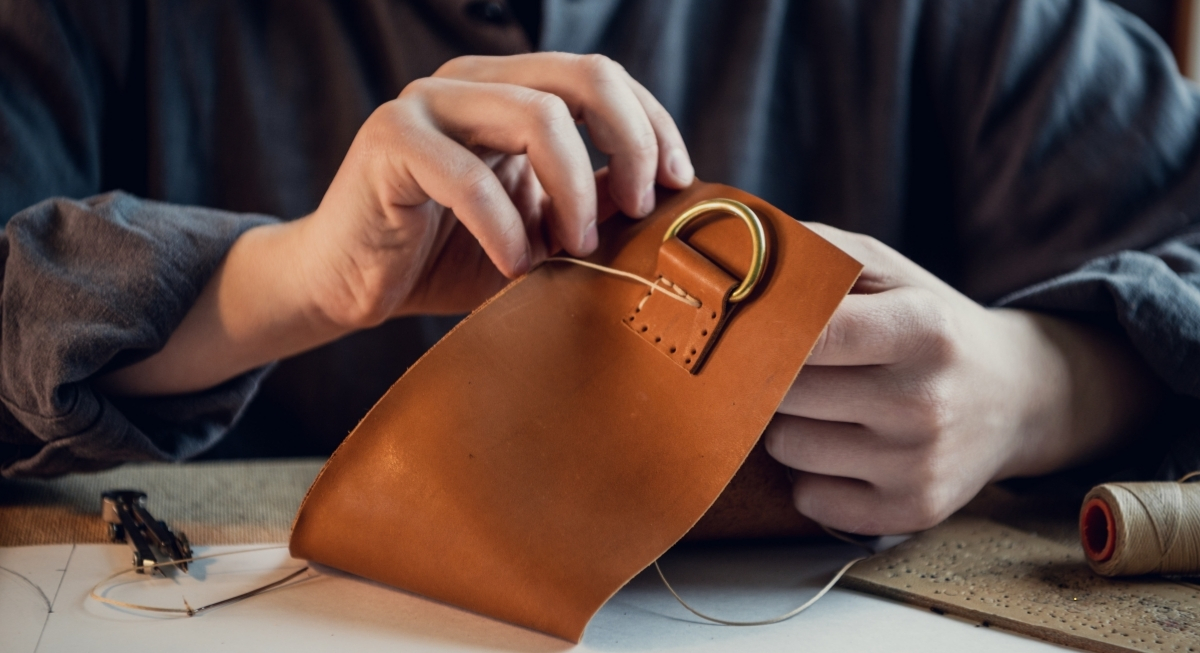
Reports and industry discussions point to a significant difference between manufacturing costs and retail prices. Materials, labor, and logistics make up the base expense, but the final cost is much higher.
Handbags are Produced Through Coordinated Systems

Credit: pexels
The traditional image of a single artisan crafting each piece still lives in the minds of consumers. However, the manufacturing processes tend to involve teams handling separate steps such as cutting, stitching, and finishing. This system supports higher output while maintaining consistency. Craftsmanship exists within these stages, though it operates inside a larger process.
Design Choices Mostly Favor Appearance Over Convenience

Credit: pexels
It is difficult to carry a handbag comfortably when it has no strap or offers very limited space inside. Reaching for essentials can feel inconvenient, especially during a busy day. These limitations of luxury handbags are well known, but they rarely affect demand. Buyers end up accepting the trade-offs because the bag stands out visually.
Exclusivity is Carefully Controlled by Companies
Credit: Canva
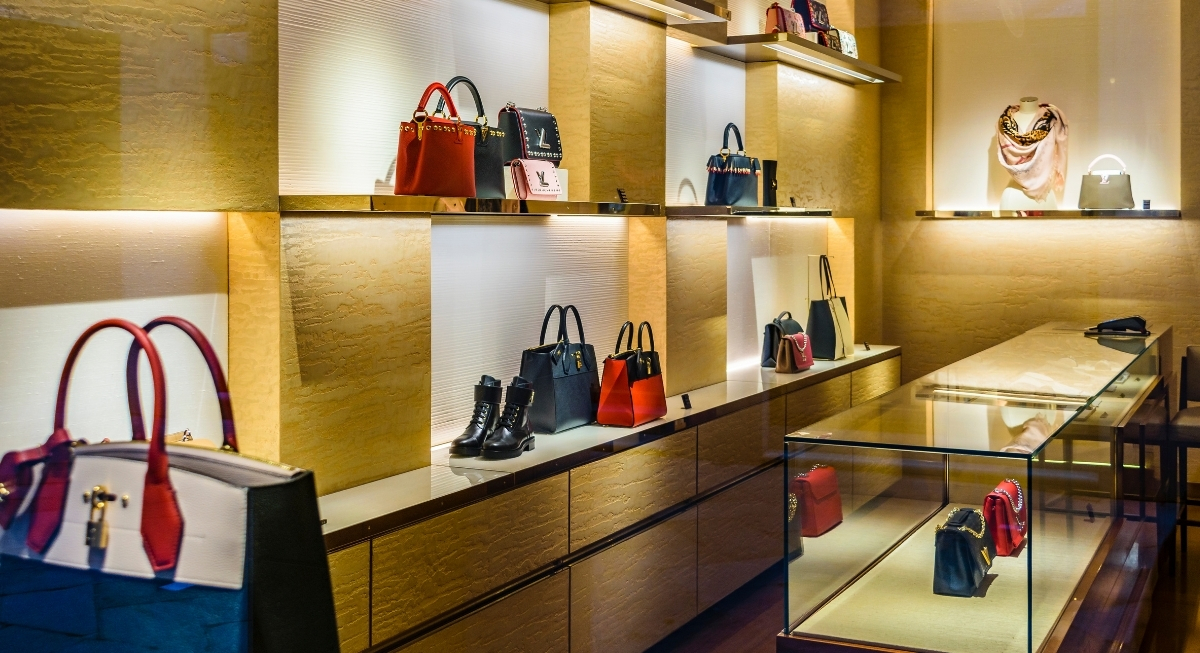
Before you can bring home a highly sought-after handbag, you may need to build a purchase history or establish a relationship with the business. Some companies control access through these requirements. These strategies are all part of shaping how exclusive the product feels.
Replica Markets Have Changed Public Perception
Credit: Getty Images
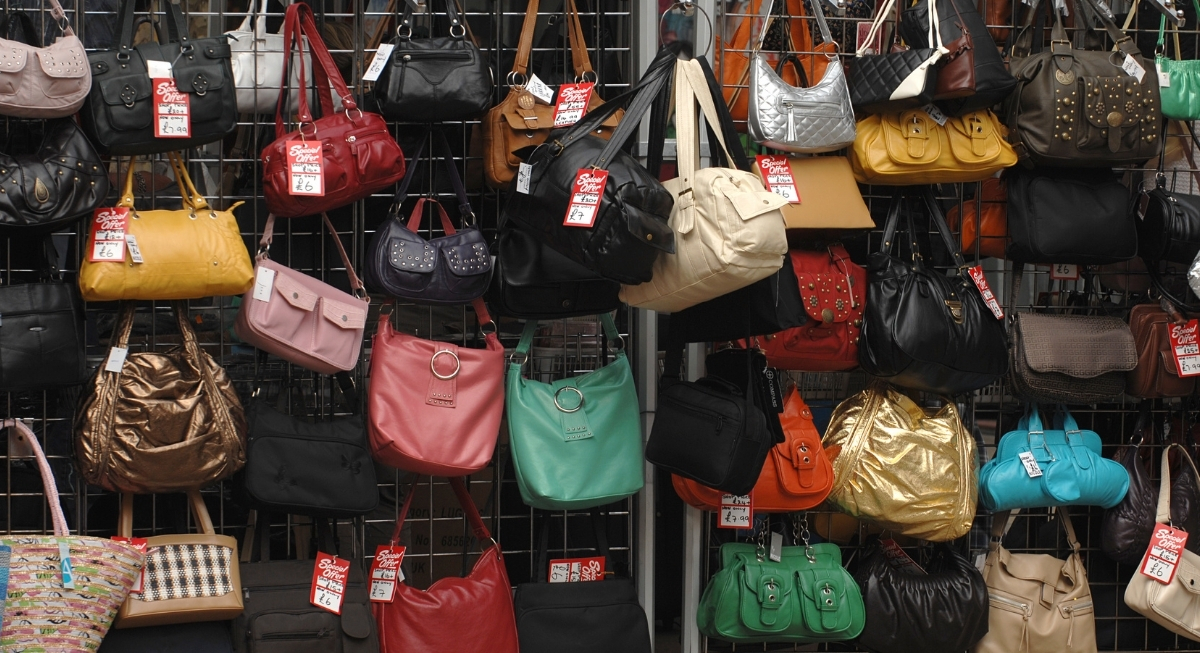
You might see many people carrying a limited edition item, but it is not always the real thing. Replica handbags have improved in quality, which makes them harder to distinguish at a glance. Some claims suggest that similar factories may produce both official and unofficial versions.
Online Platforms Have Expanded Access to Alternatives

Credit: Canva
Where shopping for duplicate items is concerned, the experience has moved almost entirely online. People no longer rely on street markets or hidden sellers to find similar designs because digital platforms now offer easy browsing, straightforward checkout processes, and faster delivery times. This convenience has made replica products more accessible than ever.
Consumer Awareness is Impacting Buying Behavior

Credit: Canva
At the end of the day, discussions around supply chains, labor practices, and pricing strategies have reached a wider audience. Customers now question everything, ranging from pricing strategies to company ethics. This awareness has led some to reduce purchases or reconsider priorities. Some also continue buying with a better understanding of what they are paying for.