“Luxury” Brands That Secretly Use Cheap Labor
When it comes to luxury brands, shoppers pay for the idea of fine materials, expert hands, and timeless design. But many of these brands don’t always align their marketing with their manufacturing practices.
Some labels outsource most of their production, only finishing items in Europe to keep the “Made in” label. This list uncovers the hidden labor behind luxury goods and shows how branding can distract from the people who actually make them.
Dior’s Bags Allegedly Made for $50 in Italian Sweatshops
Credit: Wikimedia Commons
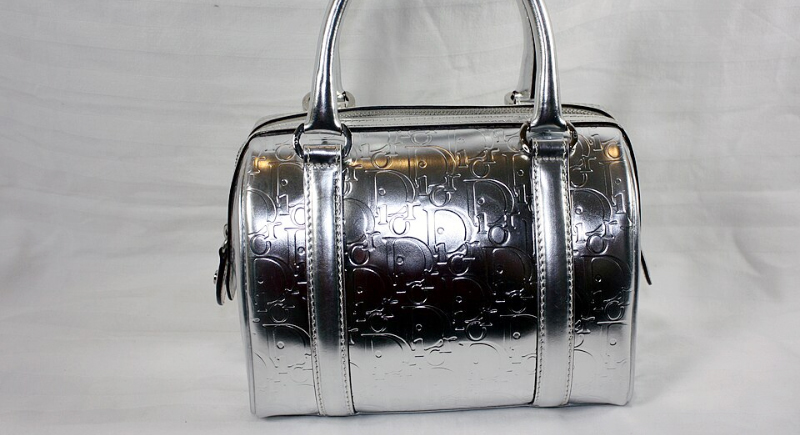
Italian investigators uncovered claims that Dior bags selling for over $2,000 were produced for as little as $50. The work reportedly happened in unauthorized workshops around Milan, staffed by underpaid immigrant workers. Though the label says “Made in Italy,” the conditions described raised questions about how much of that label is marketing fiction.
Armani Facing Scrutiny for Underpaying Migrant Labor in Italy
Credit: Wikimedia Commons
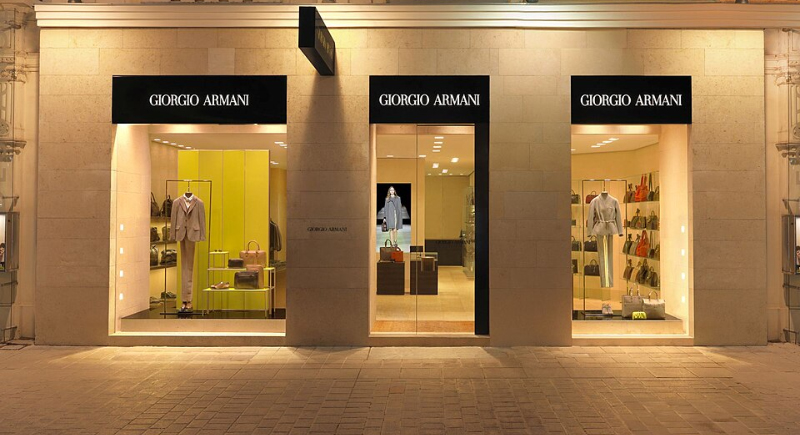
The brand’s name surfaced under legal scrutiny for its involvement in low-wage factory work within Italy. Reports indicate that labor costs for its nearly $2,000 handbags were around $100. This raises alarms about how Armani was maintaining its profit margins. Authorities are investigating whether outsourced subcontractors have bypassed labor laws to reduce costs behind luxury branding.
Nike’s History of Labor Abuse and Monitoring Gaps
Credit: Wikimedia Commons
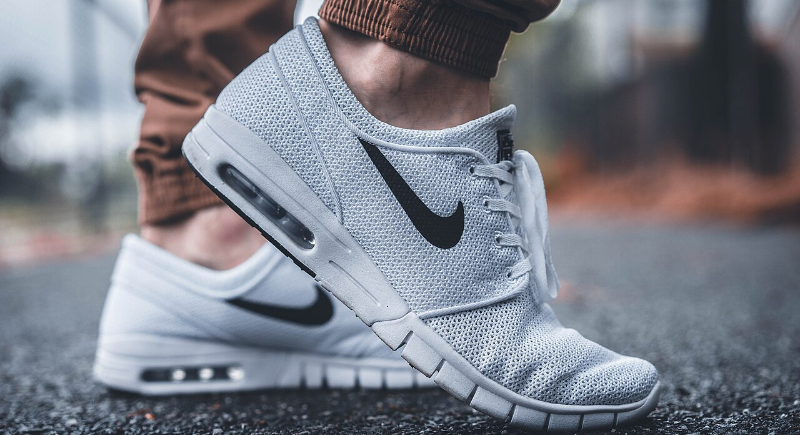
Nike has a decades-long documented history of sweatshop allegations across Vietnam, Indonesia, and China. Its ties to Chinese suppliers flagged for forced labor highlight ongoing concerns about its supply chain credibility. While Nike denies using forced labor from China’s Xinjiang region, multiple watchdogs have flagged suppliers
Adidas Linked to Child Labor in Indian Cotton Farms
Credit: Wikimedia Commons
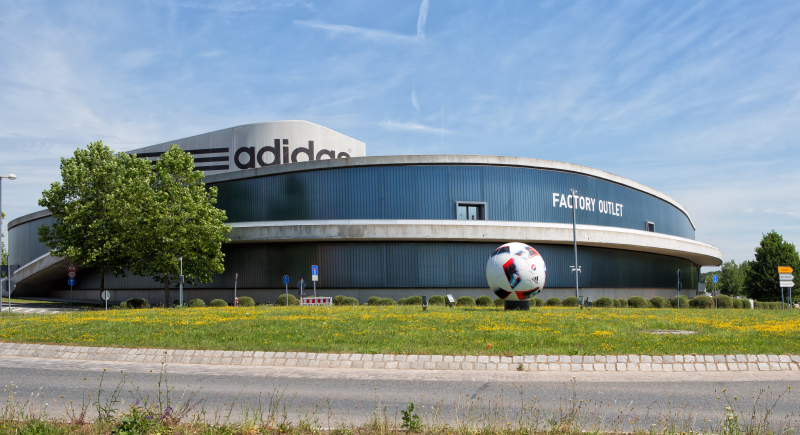
Despite participating in industry oversight groups, Adidas was named in a report that showed cotton sourced from Indian farms where child and bonded labor were employed. Another investigation revealed OSHA violations in a U.S. warehouse, further highlighting the gaps between company policy and actual working conditions.
Michael Kors Products Found in Low-Wage Chinese Factories
Credit: Wikimedia Commons
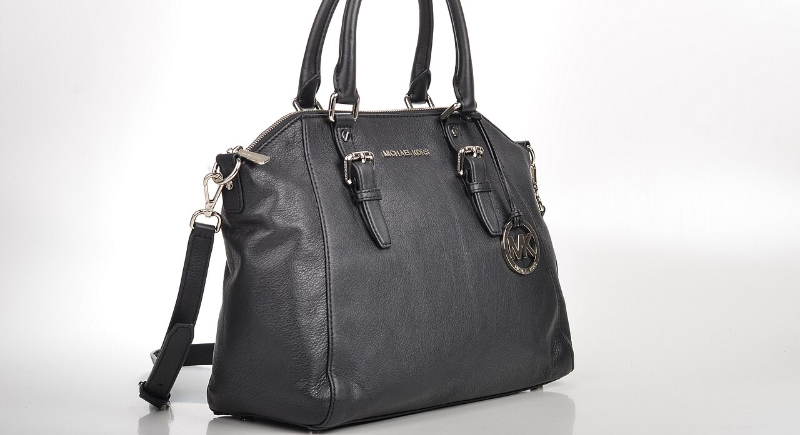
Here’s another brand that’s often positioned as an accessible luxury brand, but is another name revealed to be manufacturing in Chinese factories under low-cost conditions. Michael Kors has not been transparent about labor protections in these locations, and concerns over pay and safety continue.
Prada’s Production Transparency Still Under Question
Credit: Wikimedia Commons
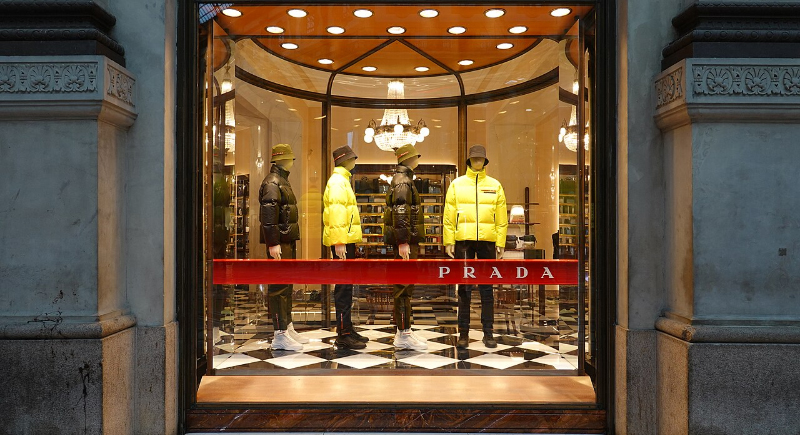
Prada has acknowledged using Chinese facilities for some production, although it remains vague about which items and how much of the work is conducted offshore. Critics argue this leaves too much unknown. When products are primarily manufactured in Asia but undergo final assembly in Europe, the “Made in” label can be misleading.
Dior’s Chinese Suppliers Quietly Handling Ready-to-Wear
Credit: Wikimedia Commons
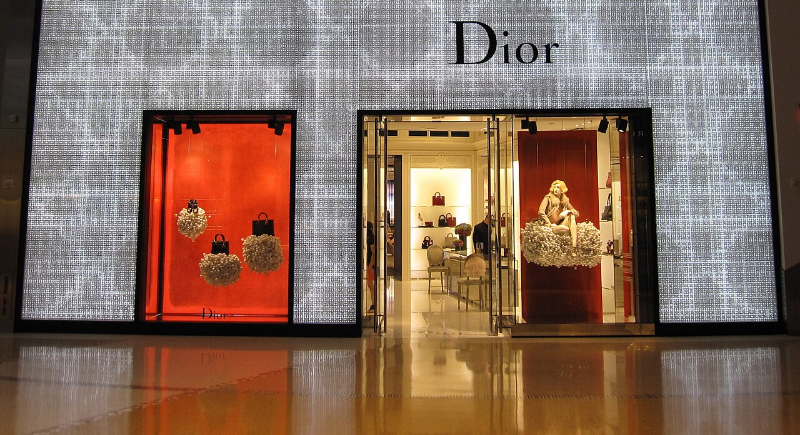
Beyond handbags, Dior’s ready-to-wear lines and even its cosmetics packaging have been linked to Chinese firms, such as Beyond Garments and Taihao Group. These suppliers operate far from the glamorous storefronts, often under intense production pressure. The brand doesn’t disclose much about conditions at these facilities.
Balenciaga’s China-Based Production Under Branded Labels
Credit: Wikimedia Commons
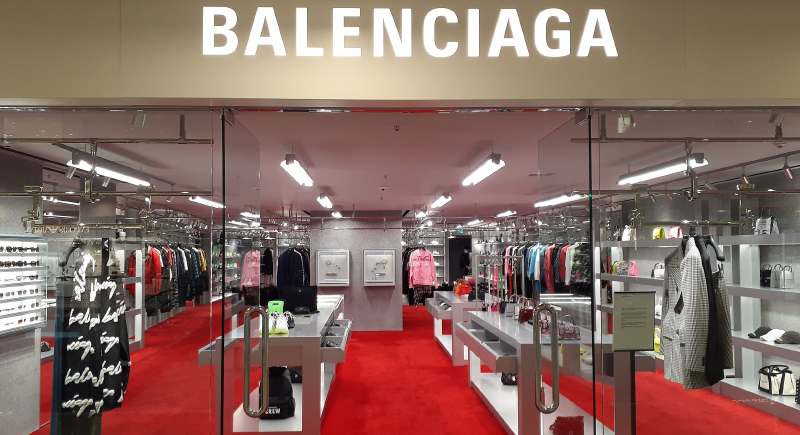
Balenciaga, part of the Kering group, has acknowledged some Chinese manufacturing. By completing final touches in Europe, the brand maintains its high-end positioning. This process, even though not illegal, draws criticism for glossing over where most of the labor and its cost actually lies.
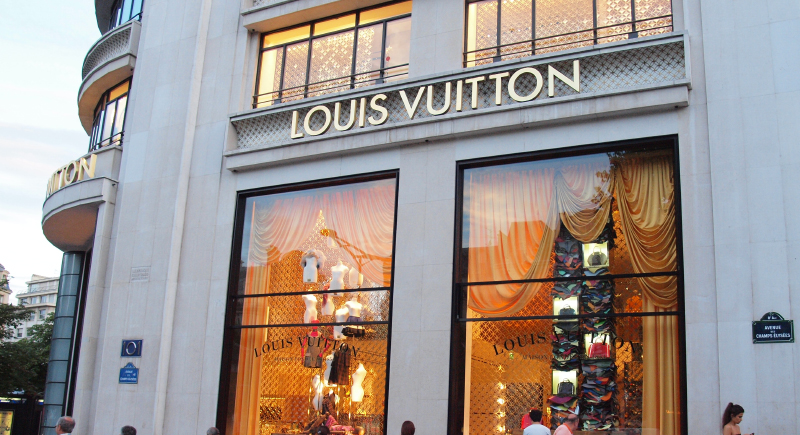
Louis Vuitton and LVMH’s Supply Chain Secrecy Under Fire
Credit: Wikimedia Commons
As part of LVMH, Louis Vuitton has been scrutinized for a lack of supplier transparency. Allegations of outsourced labor and minimal public reporting raise doubts about working conditions behind luxury goods often promoted as European-made and artisanal.
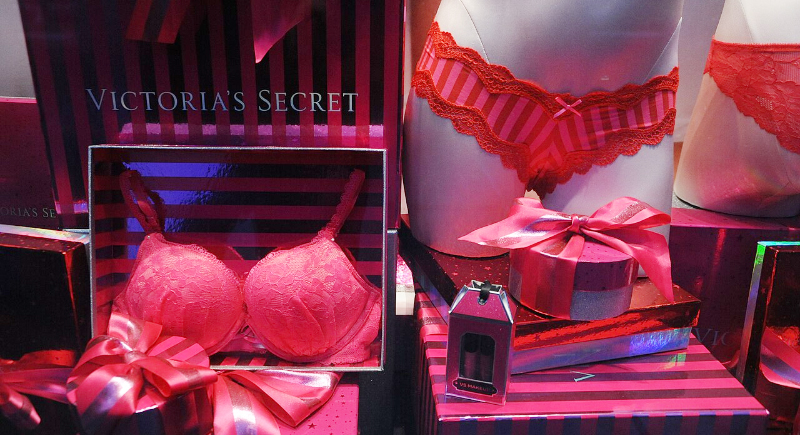
Victoria’s Secret Factories Accused of Wage Theft and Abuses
Credit: Wikimedia Commons
Victoria’s Secret employs a public code of conduct and conducts supplier audits, but reports from Sri Lanka and Jordan reveal a different story. Workers have alleged wage theft and abusive treatment at factories producing lingerie for the brand. Labor groups have called for stronger enforcement and real wage guarantees in these regions.