10 Innovative Frameworks Redefining The Low-Carbon Real Estate Future
Low-carbon real estate is no longer treated as an add-on. It now shapes decisions from the start, influencing design, materials, and how projects are financed. Governments, investors, and tenants expect clear, measurable outcomes rather than broad commitments.
What’s pushing this forward is a set of frameworks that guide how buildings are planned and evaluated. They shape choices around energy use, heat control, and overall efficiency, which directly affects how a space functions day to day.
Energy Performance Of Buildings Directive (EPBD)
Credit: Wikimedia Commons
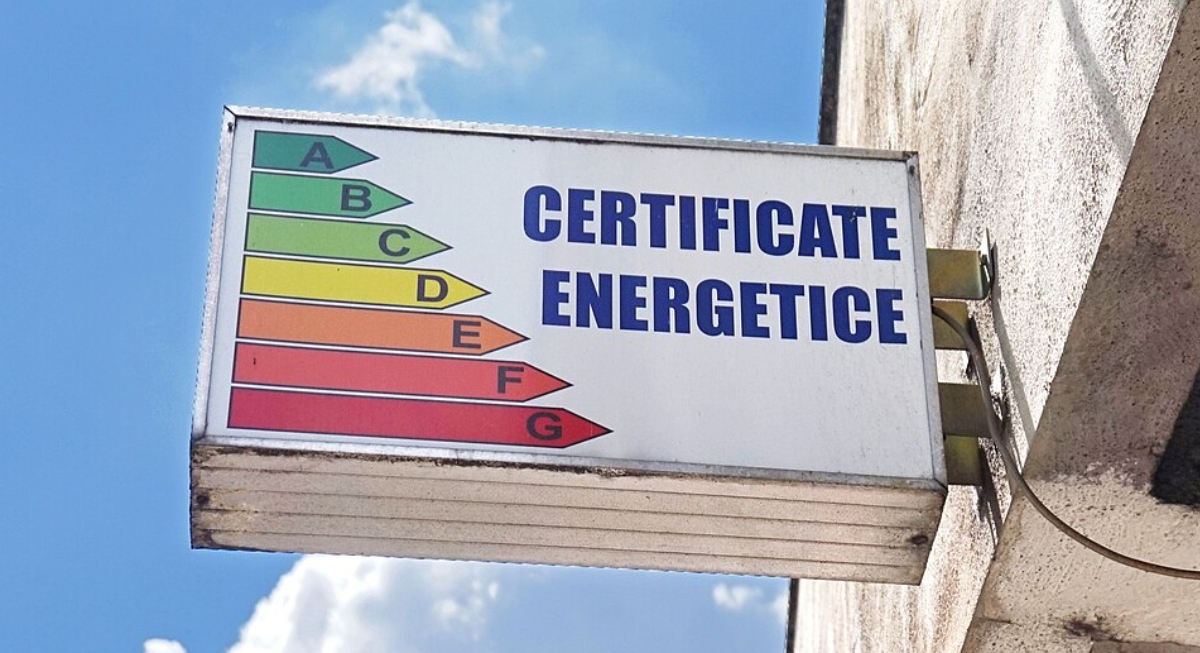
Across the Energy Performance of Buildings Directive, the EPBD has set a clear direction for new construction. By pushing buildings toward near-zero-energy standards, it has made energy performance a visible factor for buyers and renters. Energy certificates now play a real role in pricing and marketing, and the framework has encouraged the adoption of better insulation and energy systems that reduce reliance on traditional power sources.
Leadership In Energy And Environmental Design (LEED)

Credit: Wikimedia Commons
LEED certification has become a familiar benchmark in North America and beyond. It scores buildings based on factors such as energy use, water efficiency, and indoor air quality. The rating system encourages developers to think holistically about performance. A building with LEED status often signals lower operating costs and better working conditions.
Minimum Energy Efficiency Standards (MEES)

Credit: pexels
In the United Kingdom, MEES sets a clear baseline: properties must meet minimum energy ratings before they can be leased. That rule has pushed many owners to upgrade older buildings, especially insulation and lighting. These changes are no longer optional. Poor energy performance now affects whether a property can generate income, turning inefficiency into a direct financial risk.
National Australian Built Environment Rating System (NABERS)
Credit: Canva
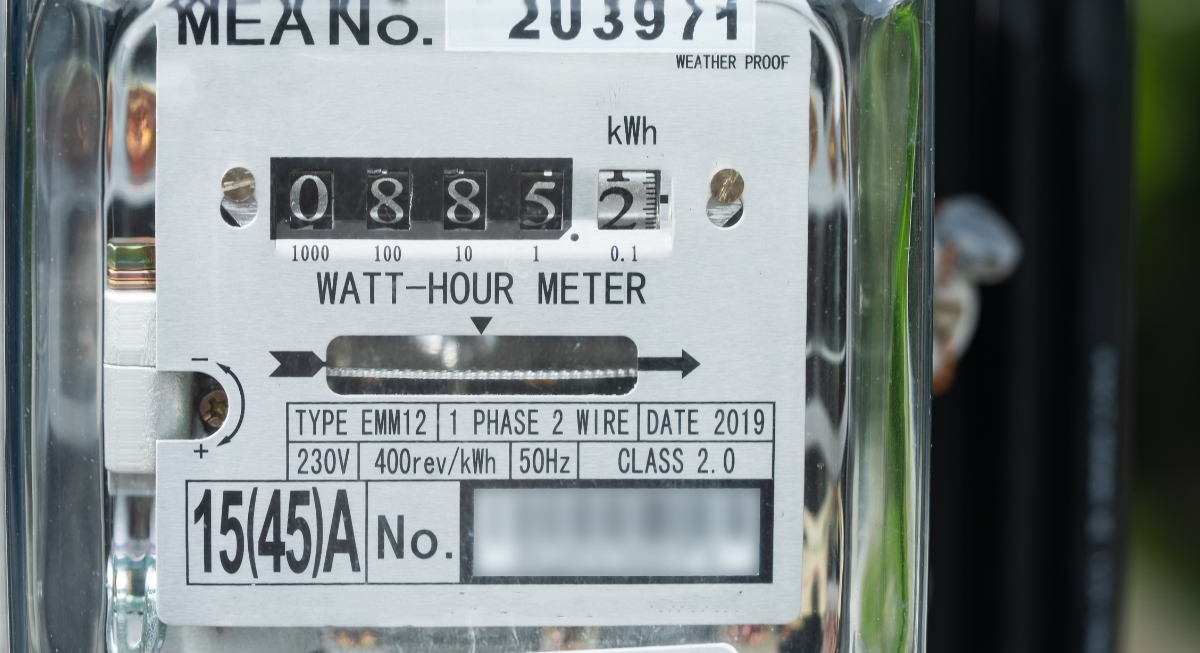
NABERS offers a performance-based rating that focuses on how buildings actually operate. Energy use and water consumption all factor into the score. Tenants often review NABERS ratings before signing leases, which adds pressure on landlords to maintain strong results. The system has also influenced office culture, encouraging teams to consider everyday energy habits.
Singapore Green Mark Scheme

Credit: pexels
Singapore Green Mark Scheme focuses on how buildings actually perform in a dense urban setting. It measures energy use and indoor comfort, and higher ratings come with practical advantages like tax incentives and faster approvals, which keeps developers aiming higher. Over time, it has pushed wider use of efficient cooling systems and more careful resource management across the city.
International Energy Conservation Code (IECC)

Credit: Canva
The IECC acts as a blueprint for energy-efficient construction across many regions. It outlines requirements for insulation and lighting. Local governments frequently adopt their standards into building codes. That adoption creates a consistent baseline for efficiency. Builders often go beyond those requirements to stay competitive, which gradually raises expectations across the industry.
China’s Green Building Label (GBL)

Credit: Wikimedia Commons
China’s GBL framework reflects the scale of its construction market. It evaluates projects based on land use and environmental performance. The system has supported large-scale adoption of efficient materials and building techniques. Net-zero pilot projects have also gained traction under this framework.
California Title 24 Standards

Credit: Wikimedia Commons
California has taken a firm stance with Title 24, a set of energy codes that apply to both residential and commercial buildings. New developments often include solar panels as a default feature. Battery storage readiness and efficient lighting systems are also common. These requirements have influenced construction practices well beyond the state, as builders adopt similar strategies in other regions.
GRESB And ESG Reporting Frameworks

Credit: Canva
Global Real Estate Sustainability Benchmark (GRESB) and related ESG frameworks have shifted attention toward measurable outcomes. Investors now expect detailed reporting on emissions, energy use, and environmental impact. This has changed how portfolios are managed. Data collection plays a central role, and companies invest in systems that track performance in real time.
Task Force On Climate-Related Financial Disclosures (TCFD)

Credit: Canva
Climate risk is increasingly tied to financial decision-making in real estate through Task Force on Climate-Related Financial Disclosures guidelines. Companies use this approach to assess how events such as floods, heat exposure, or changing regulations could affect property values, which has shifted the focus to long-term resilience. These factors now shape investment strategies, helping align sustainability efforts with overall financial planning.