Top 10 Landlord-Tenant Laws Every Renter Should Remember
Renters usually learn landlord-tenant law the hard way, when something goes wrong. A repair gets delayed, a deposit goes missing, or a notice shows up on the door. That’s when the fine print suddenly matters.
Most rental rules are set at the state level, with federal oversight from the U.S. Department of Housing and Urban Development. Knowing the basics ahead of time can save you money, stress, and a lot of back-and-forth with your landlord.
Fair Housing Protections

Credit: Canva
Federal law bars housing discrimination based on race, color, national origin, religion, disability, family status, and gender. These rules apply to listings, screening, lease terms, and house policies. States and cities can add extra protected categories, including income source. Advertising that quietly filters people out can still trigger violations.
Right to Privacy

Credit: Canva
Once keys are handed over, renters control access to the unit. Landlords can enter for repairs, inspections, or showings, but advance notice is usually required. Most states set that notice at around 24 hours unless there is an emergency. Random drop-ins or repeated unnecessary visits can violate quiet enjoyment laws.
Legal Lease Requirements
Credit: Getty Images
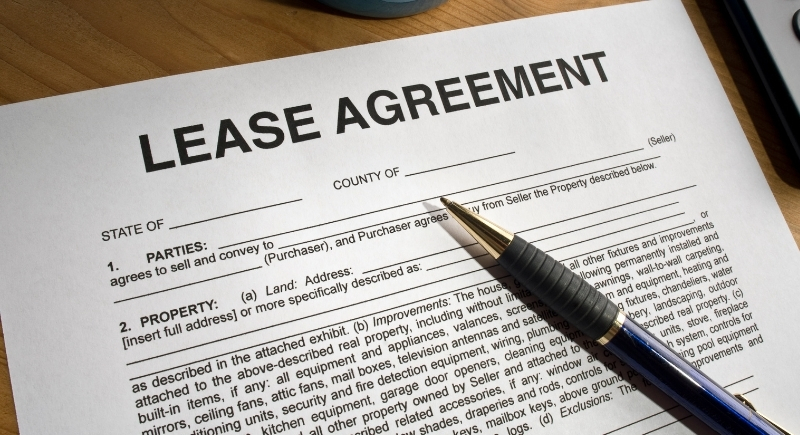
A lease is a legal contract that locks in expectations on both sides. Valid leases clearly list rent amount, payment schedule, lease length, deposit terms, and who is allowed to live there. Local law decides which clauses are enforceable. Missing or illegal terms can weaken a landlord’s ability to enforce rules later.
Required Disclosures

Credit: pexels
Renters are entitled to certain information before moving in. Federal rules require disclosure of lead-based paint risks in older buildings. Many states add notices covering mold history, flood zones, bedbugs, or nearby military activity. Failure to disclose required facts can allow renters to break a lease or seek damages.
Habitability Standards
Credit: pexels
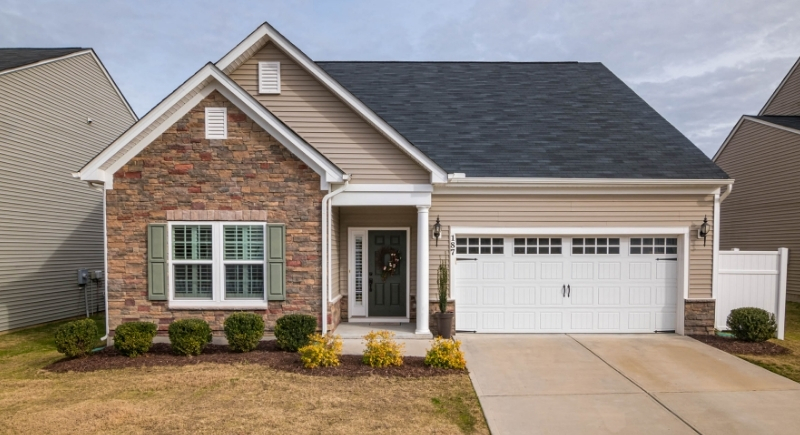
Every rental must meet basic living standards. Units must have working plumbing, electricity, heat, and structural integrity. Rodents, serious mold, and broken heating systems usually violate habitability laws. If a home becomes unsafe, renters may have the right to withhold rent or leave without penalty, depending on state rules.
Repairs and Maintenance

Credit: Canva
Renters must report problems, but landlords must fix them within a reasonable time. Issues affecting health or safety move faster than cosmetic fixes. Ignoring major repairs can open the door to rent withholding or legal action. Tenants are still expected to handle basic cleaning and minor upkeep defined in the lease.
Security Deposit Rules

Credit: Canva
Deposits are not extra rent. State laws control how much can be charged, how funds are stored, and when money must be returned. Many states require deposits to be returned within 30 to 60 days. Itemized deductions are often mandatory, and failure to follow the rules can cost landlords more than the deposit itself.
Abandoned Property Handling
Credit: pexels
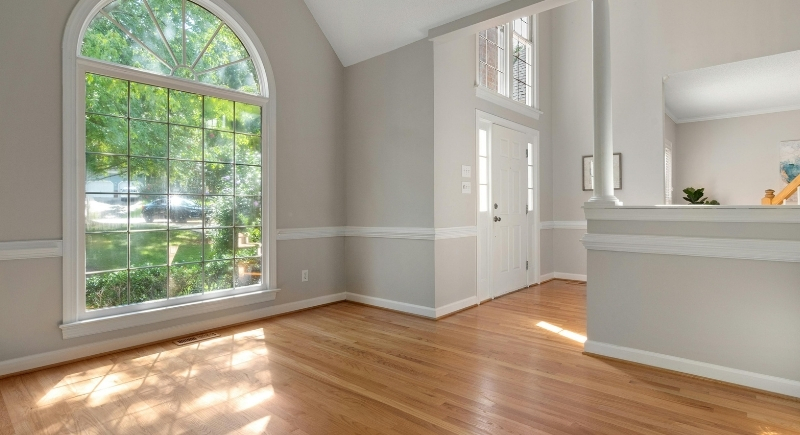
Items left behind after move-out are not automatically trash. Valuable belongings must be handled in accordance with state abandoned property laws. Landlords usually must notify renters, hold items for a set time, and explain how they can be reclaimed. Skipping these steps can lead to penalties even after a tenant is gone.
Criminal Activity Obligations

Credit: Canva
Landlords are not required to report tenant criminal activity, but they may have a legal obligation to act when serious or dangerous activity occurs. If a landlord knows about criminal conduct that threatens safety, local laws may require reasonable action, such as notifying authorities, cooperating with law enforcement, or taking steps to prevent harm.
Eviction Protections
Credit: Canva
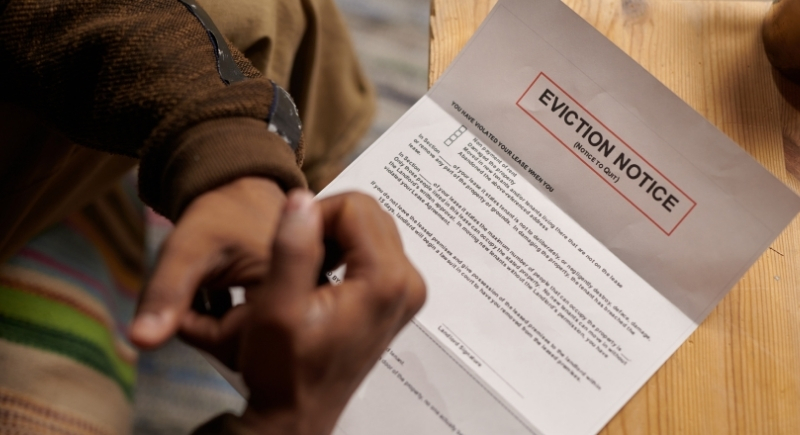
Evictions follow a legal process, not a shortcut. Valid reasons typically include unpaid rent, lease violations, or staying past the lease end. Written notice is usually required before court action. Lockouts, utility shutoffs, or physical removal without a court order are illegal in every state.