Anthropic Released a List of Jobs That Will Be Affected by AI
AI is advancing quickly, but what matters most for people is how it affects their day-to-day work. A recent report from Anthropic analyzed around 170 million U.S. jobs and categorized them by the tasks people actually do. The takeaway is pretty clear. Roles built around digital work and information processing are more exposed, while jobs that rely on physical presence or hands-on skills are harder for AI to take over, at least for now.
Computer Programmers
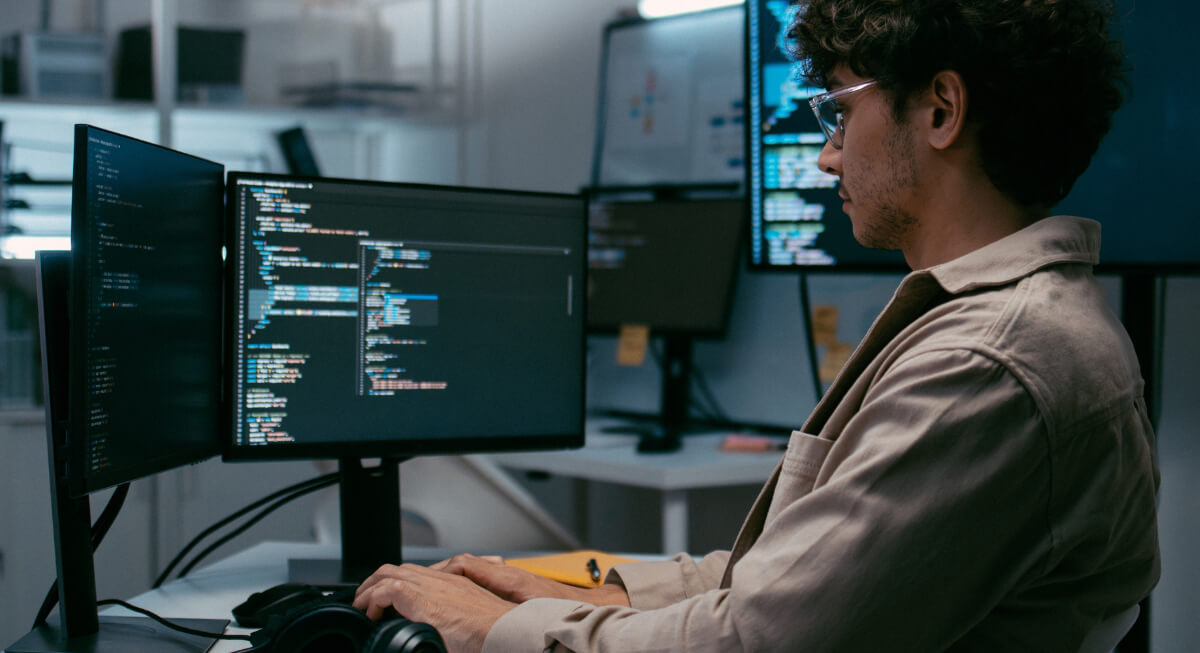
Credit: Canva
If your job revolves around code, AI is already sitting right beside you. Programming ranks as the most exposed role, with about 75% of its tasks open to AI assistance. Much of the work involves writing and editing software, so modern AI tools help by generating code, suggesting fixes, and debugging programs quickly. Still, human programmers are there to guide architecture and decision-making because complex systems require oversight.
Customer Service Representatives

Credit: Getty Images
Customer service is one of the areas where AI is already making a clear impact, especially across help desks and chat platforms. A large portion of everyday questions and routine requests is now handled by automated systems that can respond quickly and at scale. Human agents still play an important role when something goes off script. Complex issues, unusual cases, or situations that need patience and empathy are harder to automate, so that’s where people continue to step in and make a difference.
Data Entry Keyers

Credit: Getty Images
Data entry may seem straightforward, which is exactly why it’s highly exposed to AI. The work mainly involves moving information into digital systems with accuracy, and that’s something AI now handles increasingly well. Modern tools can scan documents, read handwriting, and pull out key details in seconds. That said, human input still matters. Someone needs to review and confirm the data, since even small mistakes can lead to bigger issues later on
Medical Record Specialists

Credit: Canva
Medical record specialists focus on organizing patient information and keeping records accurate across different systems. AI is already helping by summarizing notes and sorting medical data into clear, structured formats, which significantly speeds up routine work. Even so, human oversight is essential. Trained staff review and confirm details because errors in medical records can directly affect diagnoses, treatment decisions, and overall patient safety.
Market Research Analysts And Marketing Specialists

Credit: Canva
Market research and marketing roles still depend on human judgment to interpret trends and shape strategy. Context, timing, and audience understanding remain difficult to automate. At the same time, about 65% of the work involves analyzing data, tracking consumer behavior, and building reports. AI now processes large datasets and highlights patterns, which shifts the role toward interpreting insights and applying them to real decisions.
Sales Representatives

Credit: Canva
About 63% of tasks in the world of selling can be supported by AI tools. Sales reps often reach out to leads, track conversations, and manage pipelines through digital platforms. AI helps draft messages and identify potential customers using data patterns. Closing deals still depends on trust and relationship-building, all of which rely heavily on human interaction.
Financial And Investment Analysts

Credit: Getty Images
When money is on the line, financial analysts show an exposure of around 57%. Their work includes reviewing market data and evaluating company performance, and AI can quickly scan financial statements and summarize economic trends. Investors still depend on analysts to interpret risk and connect data to real-world events. They also make judgment calls that software alone cannot fully handle.
Software Quality Assurance Analysts And Testers

Credit: Canva
Quality assurance testers are exposed to artificial intelligence before any app launches. Their role is to ensure software works as expected under different conditions. AI now automates many tests by scanning code and simulating user actions. Testers remain essential because complex systems often behave unpredictably, requiring human insight to catch unusual bugs and edge cases.
Information Security Analysts

Credit: Canva
Keeping systems safe accounts is what information security analysts are all about. They monitor networks and investigate suspicious activity that could signal threats. AI tools analyze massive data streams and flag unusual patterns, but it’s security professionals who decide how to respond. After all, they’re the ones handling cyber risks because they understand attacker behavior beyond raw data.
Computer User Support Specialists

Credit: Canva
Finally, technical support roles show about 47% exposure as AI takes on basic troubleshooting. Many issues involve common questions that automated systems can answer instantly through chat or help centers. Support specialists continue to handle more complex problems that require deeper technical knowledge, with human assistance remaining crucial when issues are unique or users need step-by-step guidance.