Four Pizza Giants All Bow to One Man: James Leprino’s Invisible Empire
Most pizza chains thrive or falter on consistency, and one ingredient carries the bulk of that risk. Sauce can vary, and toppings can rotate, but the cheese is a constant. Behind that constraint stands James Leprino, a supplier who has built such control over mozzarella that four major pizza chains have aligned their operations around it without ever putting his name on the box.
The Supplier Nobody Sees
Credit: iStockphoto
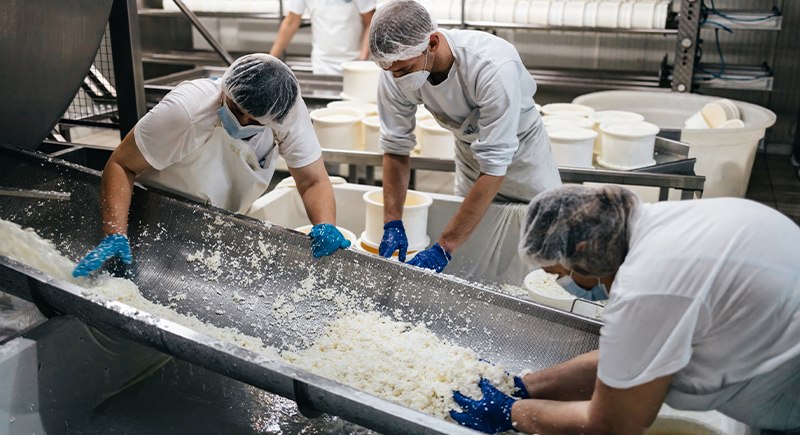
Pizza chains don’t want personality from their cheese. They want the same melt, stretch, and timing every day, everywhere. James Leprino built his operation around removing variability from that equation. As reliability improved, contracts stuck. Over time, not having a visible brand became an advantage rather than a limitation.
A Grocery Store Education
Credit: iStockphoto
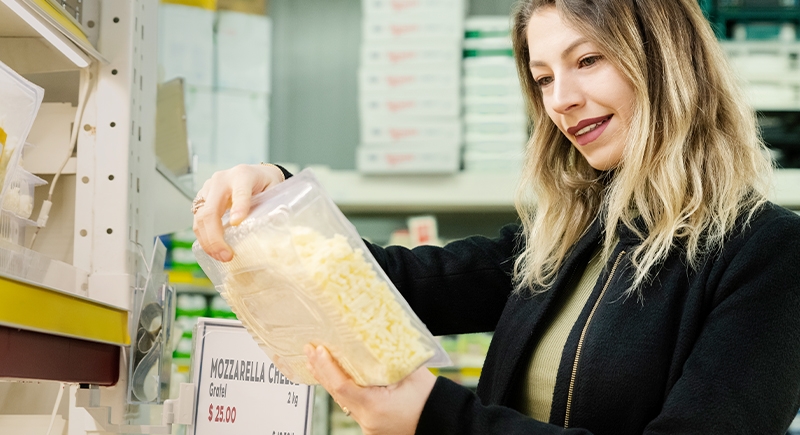
The business took shape inside a small Denver grocery store that made fresh mozzarella for neighborhood customers. While dropping off orders, James began to notice a pattern. Local pizza shops kept coming back for larger and larger batches. Shop owners chatted about weekly orders, busy weekends, and plans to expand. Those casual conversations made one thing clear: cheese sat at the center of their success, and demand was only moving in one direction.
Perfect Timing With No Promotion

Credit: Canva
As pizza chains spread across the Midwest, many suppliers struggled to keep up. Leprino Foods entered early and concentrated on capacity and follow-through. Orders climbed into the hundreds of pounds per week within a short window. By the time competitors reacted, routines and expectations had already been established.
Engineering Cheese
Credit: Getty Images
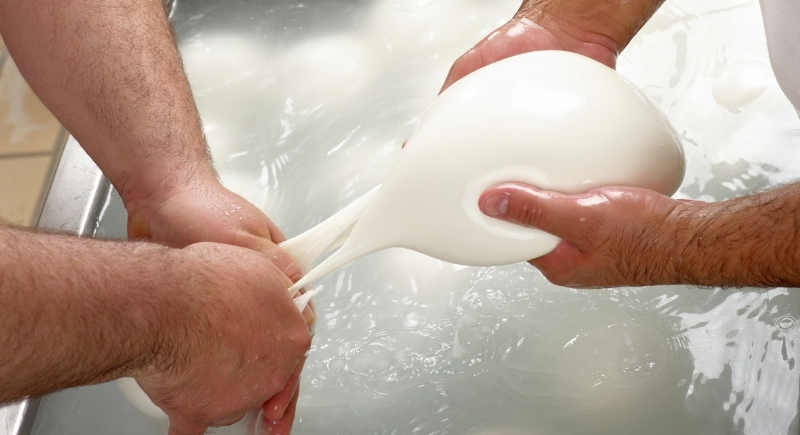
Mozzarella behaves differently under commercial heat than it does at home, and small inconsistencies appear quickly in high-volume ovens. Leprino invested in equipment that precisely measured moisture, elasticity, and melt behavior. That focus led to dozens of dairy patents, enabling chains to standardize results across locations.
Owning the Middle of Pizza

Credit: Getty Images
By the 1990s, Leprino Foods supplied most pizza cheese in the United States, with an estimated market share of nearly 85 percent. Customers never saw the supplier’s name, yet restaurants still depended on it. For most major chains, switching suppliers had become more trouble than it was worth.
Avoiding the Spotlight

Credit: pexels
Public records and trade publications show almost no interviews with James Leprino after the 1970s. Internally, meetings centered on plant output, delivery timing, and contract compliance. Without a public-facing leader, negotiations stayed technical. Clients discussed volume, pricing, and performance instead of reputation or media presence.
Family and the Courtroom

Credit: Canva
Ownership became complicated after his brother’s death, when shares were placed in trusts, and family disagreements ensued. Lawsuits filed by Leprino’s nieces spanned several years and centered on control and payouts. A 2022 jury decision settled the dispute, and day-to-day operations never really skipped a beat.
Quiet Wealth Choices
Credit: iStockphoto
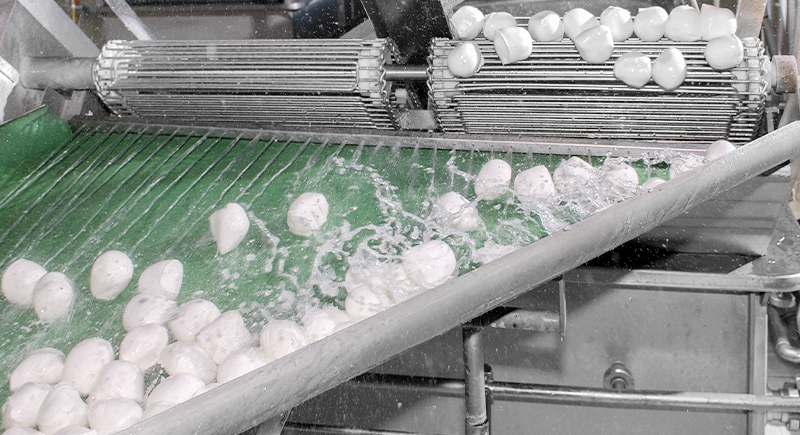
The scale of the business grew faster than its public footprint. Resources were allocated toward keeping plants running smoothly and moving products efficiently across states. Executives used private flights to cover long distances between facilities, but spending priorities stayed narrow. Equipment upgrades and logistics mattered far more than appearances.
Locking Chains In Without Contracts
Credit: Getty Images
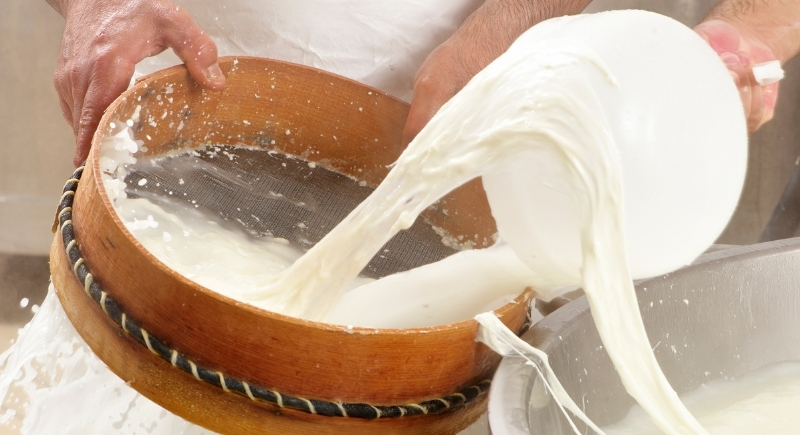
Once a chain built its systems around Leprino’s cheese, changing suppliers turned into a logistical headache. Bake times, portions, storage temperatures, and training materials were tuned to one product. Switching required retraining staff and reworking kitchens across hundreds or thousands of locations, making staying put the easier decision year after year.
An Empire That Keeps Running

Credit: Instagram
When James Leprino passed away in 2025 at the age of 87, the company did not stop to regroup or redefine itself. Production remained on schedule, leadership adhered to established routines, and contracts proceeded without disruption. Employees described the moment as calm and orderly, a sign of a system designed to keep moving forward without depending on any one individual.