10 Ways Transforming Your IT Department into a Revenue Generator Changes Everything
For a long time, IT was there to keep things running and step in when something broke. That role is changing. Companies now look to their tech teams to help drive growth, rather than just supporting it. It may not feel dramatic at first, but over time, it starts to influence almost every part of the business.
IT Starts Thinking Like a Business Unit

Credit: Getty Images
Budget discussions shift from routine spending to investment decisions. IT leaders start tracking margins, customer impact, and growth rather than focusing solely on uptime. Their language aligns more with sales and product teams, which brings clearer priorities. This shift helps connect technical choices to business outcomes and makes it easier to decide where time, effort, and resources should go across projects.
Internal Tools Turn Into Marketable Products

Credit: Getty Images
Many companies already rely on custom-built tools to run operations. Once IT looks outward, those same tools can find new life as products. Amazon Web Services began as an internal infrastructure. Today, it generates billions. Similar patterns appear in smaller firms where scheduling systems, analytics dashboards, or automation tools get refined and packaged for external customers.
Data Becomes a Source of Revenue, Not Just Insight

Credit: Canva
Organizations collect vast amounts of data but rarely treat it as something customers would be willing to pay for. Once IT adopts a commercial mindset, data products emerge. Telecom firms offer analytics services. Consumer brands build apps that personalize experiences. The real change lies in recognizing that insights, not just systems, hold value.
Collaboration With Business Teams Gets Real

Credit: Getty Images
When revenue is involved, IT can’t work in isolation. Engineers spend more time understanding customer journeys and where problems show up. Working closely with sales and product teams becomes part of the job. This closer connection leads to ideas that tie directly to revenue and makes collaboration more focused and practical.
Speed Becomes a Competitive Advantage

Credit: Canva
Revenue-focused IT teams pay close attention to how quickly ideas turn into usable products. Long development cycles become harder to justify. Agile methods, rapid prototyping, and iterative releases gain traction because they help capture market opportunities sooner. Companies that move faster often secure early customer interest, which can make a noticeable difference in competitive markets.
Pricing Models Enter the Conversation
Credit: Canva
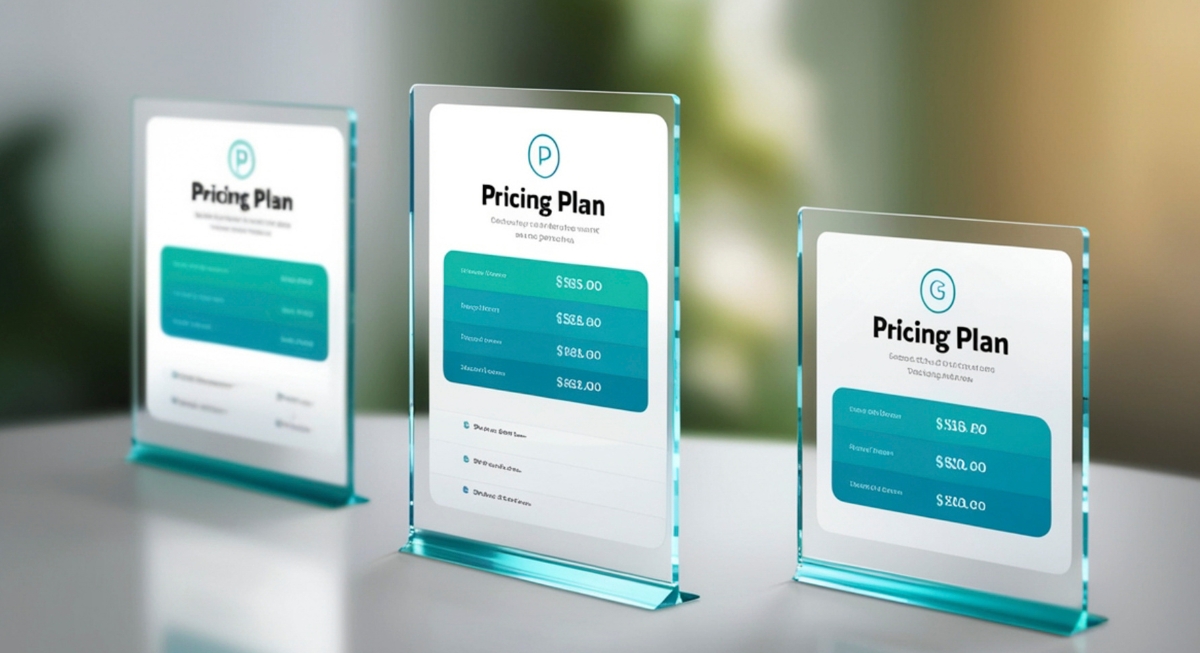
IT teams don’t usually think about pricing. That changes once their work starts reaching customers. Choices like subscriptions, licensing, or pay-per-use begin to shape how systems are built. A platform now has to support different users at different price levels. This shift pushes IT to think beyond functionality and consider how each technical decision connects to revenue.
Talent Expectations Shift Dramatically

Credit: Canva
Engineers begin to see their work in a new light when it directly affects customers and revenue. That sense of ownership tends to raise engagement. At the same time, companies look for new skills, including product thinking and even basic commercial understanding. The result is a more well-rounded IT workforce that blends technical depth with business awareness.
Risk Management Becomes More Structured

Credit: Canva
Selling IT services introduces new responsibilities. Data privacy rules and compliance standards move to the forefront. Teams invest more time in security frameworks and certifications such as ISO or SOC 2. This added discipline often strengthens internal operations as well, since the same safeguards improve reliability and trust across the entire organization.
Customer Experience Gains a Technical Backbone

Credit: Getty Images
IT plays a larger role in shaping how customers interact with a company. Digital onboarding, automated support, and personalized services all rely on strong technical foundations. When IT contributes to revenue, improving these touchpoints becomes a priority. Small changes in performance or usability can influence customer retention.
The Cost Center Label Starts to Disappear

Credit: Canva
When IT begins to generate revenue, it stops being treated like overhead. It becomes part of how the business grows. Leaders start backing it with investment instead of just controlling costs. That shift changes how budgets are set and how success is measured. IT moves into core business decisions rather than staying on the sidelines.