10 Insane Pharmacy and Skincare Markups
Most of us pick up skincare or pharmacy products without thinking about what they actually cost to make. The reality can be surprising. Many creams, serums, and drugstore staples cost only a fraction of their retail price. By the time packaging, branding, marketing, and retailer margins are added, the final price can climb far beyond the original production cost. Here are 10 products where that price gap gets especially wild.
Fur Oil
Credit: Instagram
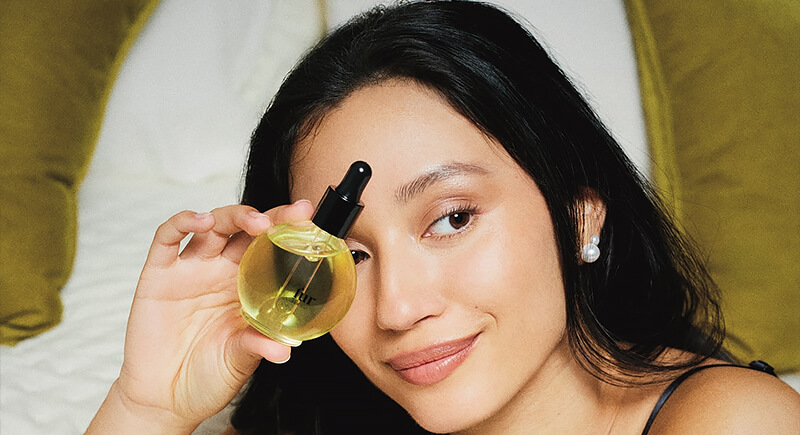
When the founders of Shark Tank, Laura Schubert and Lillian Tung, revealed their numbers on the show, it gave viewers a rare glimpse into how beauty products are priced. Their fur-grooming oil costs about $5.34 to make, but the retail price is $46. That difference adds up to a markup of more than 700%, a figure that surprised many people watching the pitch.
Cosmetics
Credit: Reddit
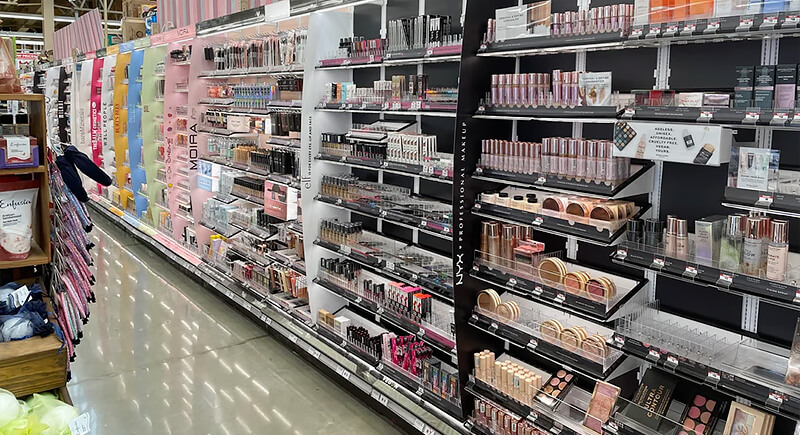
Take a look down any makeup aisle, and the price gap becomes clear. A cosmetic product that costs about $5 to manufacture can sell for around $46 in stores. Many beauty brands aim to keep production costs at around 10% of the final retail price. The remaining margin helps cover retailer cuts, packaging, marketing campaigns, and promotional partnerships that push the product in front of customers.
Prescription Drugs
Credit: Getty Images
Beauty products are not the only items with big markups. Prescription medications sometimes experience price increases of 200% to 3,000%. A drug purchased wholesale for about $100 might cost roughly $700 at the pharmacy counter, once dispensing fees, insurance negotiations, and pharmaceutical pricing strategies are factored in.
Luxury Skincare Oils
Credit: Getty Images
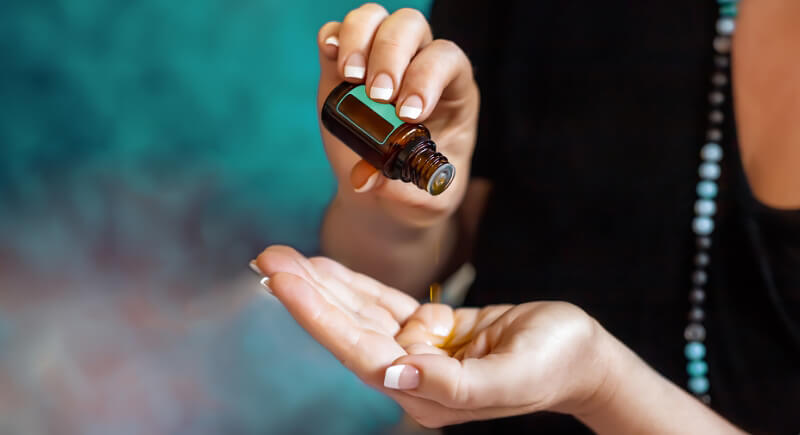
High-end facial oils often look fancy on the shelf, but the ingredients inside are usually very simple. Many formulas rely mostly on plant oils such as jojoba, grapeseed, rosehip, or almond. These oils are fairly inexpensive when companies buy them in large quantities. After branding, packaging, and marketing, the finished product often ends up selling in stores for around $40 or more.
EpiPen
Credit: Reddit
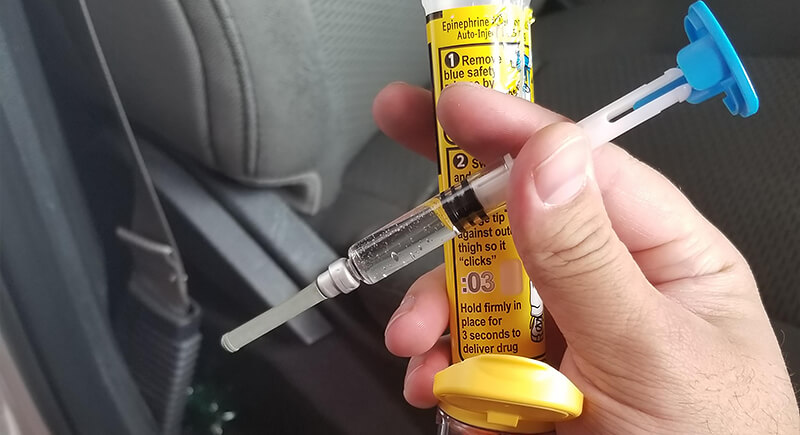
The EpiPen became one of the most talked-about examples of pharmaceutical pricing. The epinephrine auto-injector once sold for about $100. By 2016, a two-pack had risen to around $600 due to supply disruptions and limited competition. The price jump sparked intense national debate over drug affordability.
Premium Facial Serums
Credit: Rido
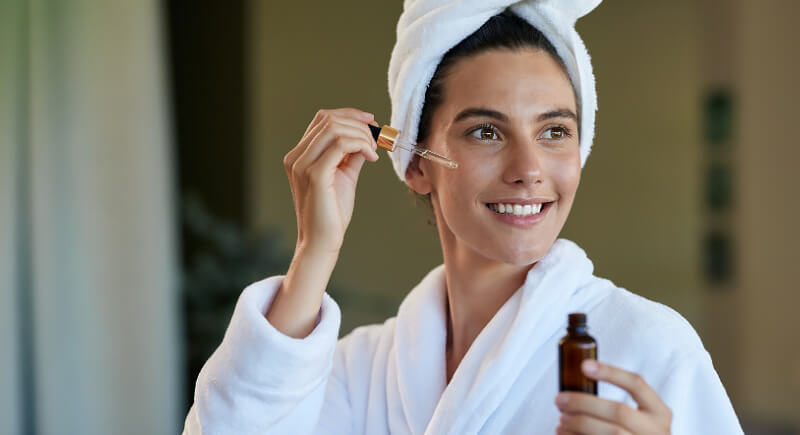
Those tiny bottles of serum often carry some of the biggest margins in skincare. A formula that costs around $12 to produce can retail for about $40. In many cases, the packaging alone can cost more than the ingredients inside, especially when brands use heavy glass bottles and droppers, as well as elaborate packaging to create a luxury feel.
Natural Skincare Products
Credit: pexels
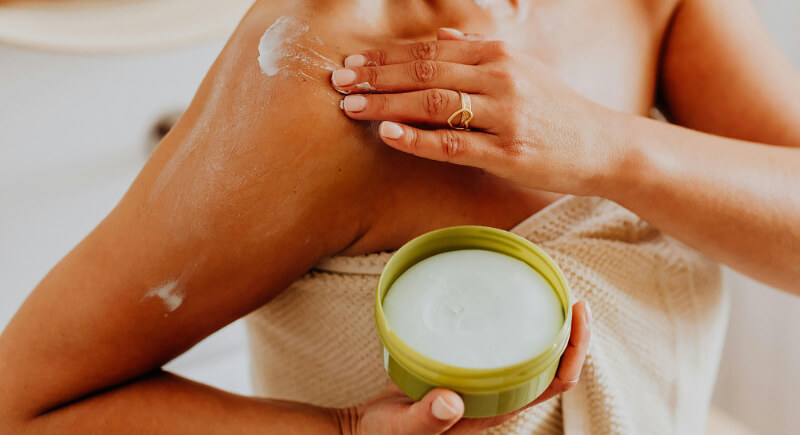
Organic moisturizers and “clean beauty” creams can follow a similar formula. In many creams, water makes up 60% to 80% of the formula, which means the costly part often comes from branding and packaging rather than the raw ingredients. They often skip synthetic preservatives, which shortens shelf life and makes refrigeration or smaller production batches more common.
Prestige Skincare Brands
Credit: Canva
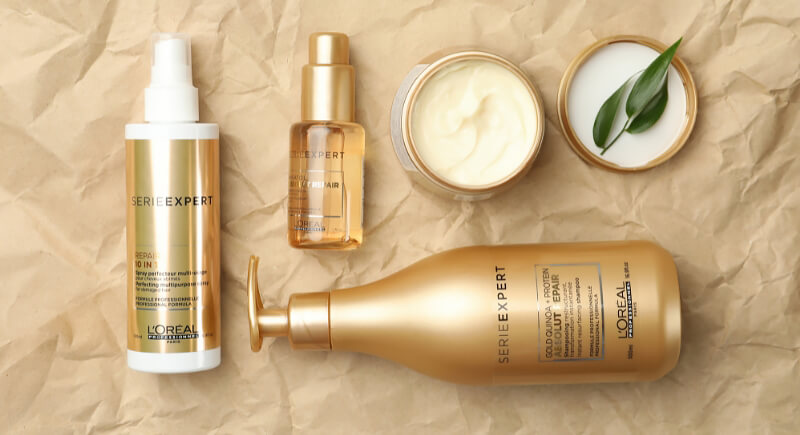
Luxury skincare runs heavily on perception. When a cream carries a hefty price tag, it instantly feels more exclusive, and that alone can make it seem more powerful or luxurious. Brands know this well, which is why they pour serious money into celebrity endorsements and those perfectly lit displays you see in high-end department stores.
Retail Beauty Distribution
Credit: Getty Images
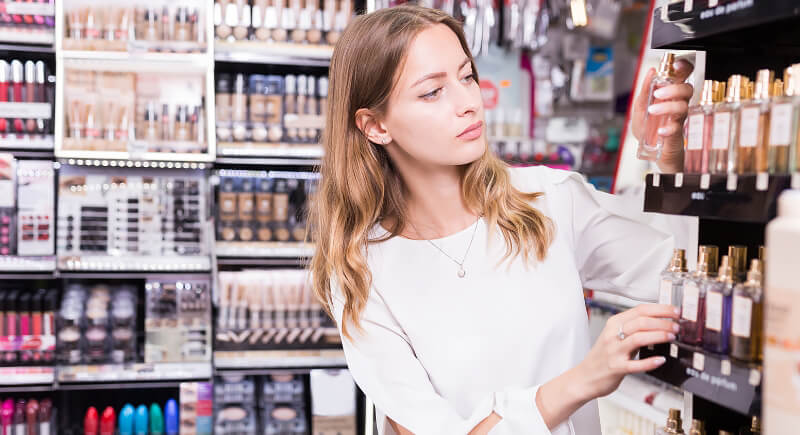
What you ultimately pay at the counter depends heavily on the retailer. Beauty stores typically buy products at wholesale prices and then double them for the shelf. So a cream that lands in the store for about $50 can easily show up with a $100 price tag. That markup helps cover store rent and staff salaries, in addition to the retailer’s own profit.
Indie Skincare Brands
Credit: pexels
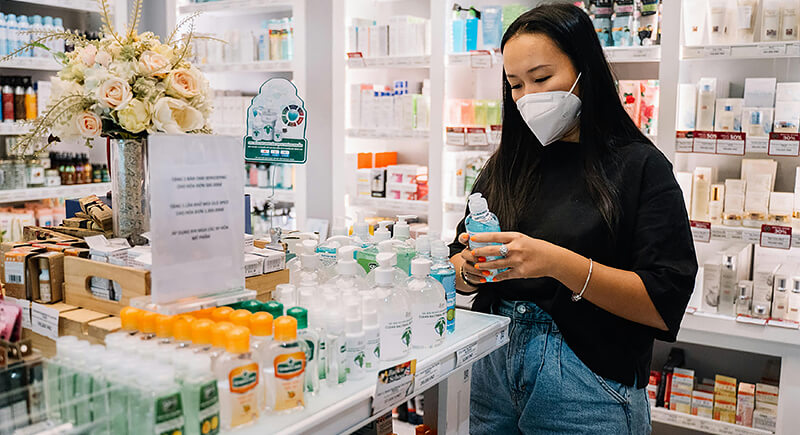
Small skincare companies face a different kind of financial pressure. Contract manufacturers usually require minimum orders of 500 to 1,000 units. Before launching a product, brands must also pay for formulation work and safety testing. Packaging design and regulatory approvals then come in, all of which push prices higher.