8 Thrilling Reasons Why IBM’s Legendary Dividend Streak Is Reaching New Heights
IBM rarely gets the same hype as newer AI companies, yet investors keep coming back to it for one reason: consistency. The company has spent decades building one of the market’s longest dividend streaks, and now it is pairing that reliability with a growing push into artificial intelligence and hybrid cloud services. That shift has helped IBM move beyond its old “legacy tech” reputation and back into serious conversations about long-term growth.
A Dividend Record That Keeps Getting Longer
Credit: Wikimedia Commons
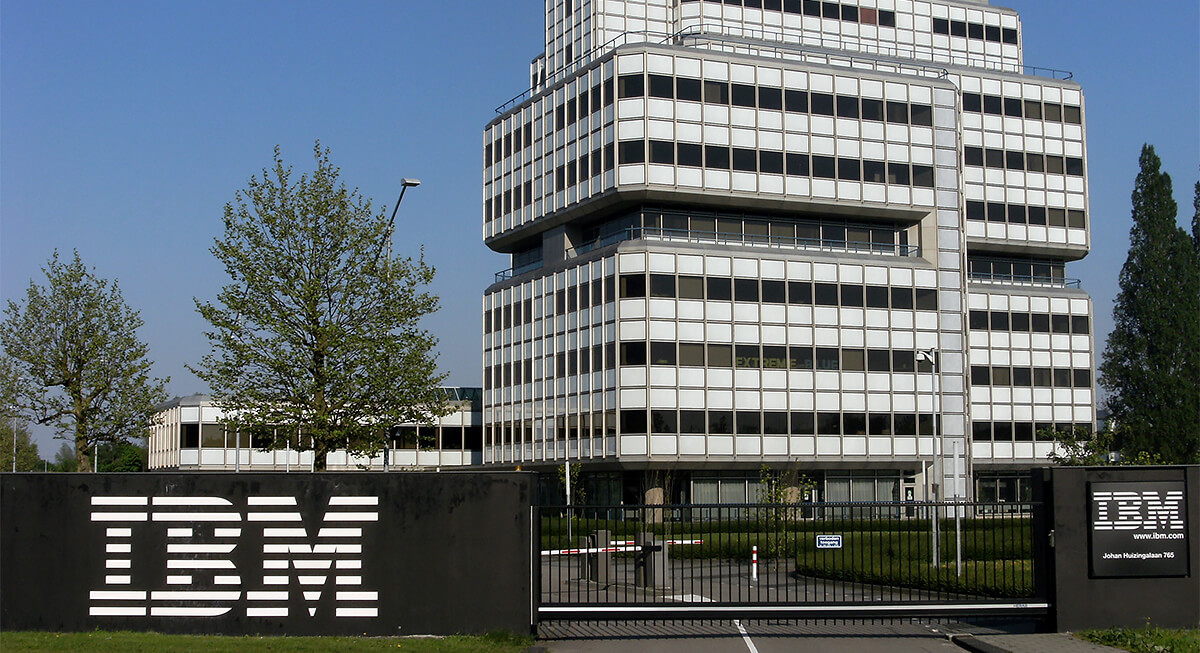
IBM is preparing for what looks like its 27th straight annual dividend increase. Very few technology companies can match that kind of consistency. The raise itself may look tiny, though investors tend to focus on the streak instead. Companies rarely maintain dividend growth across recessions, tech shifts, and changing CEOs. IBM has managed all three.
Free Cash Flow Keeps The Engine Running

Credit: PICRYL
Wall Street loves flashy revenue growth stories. Dividend investors usually check free cash flow first. IBM generated roughly $14.7 billion in free cash flow during 2025 and expects even more in 2026. IBM still has enough left over for acquisitions and research spending after paying shareholders.
Red Hat Changed IBM’s Reputation
Credit: Wikipedia
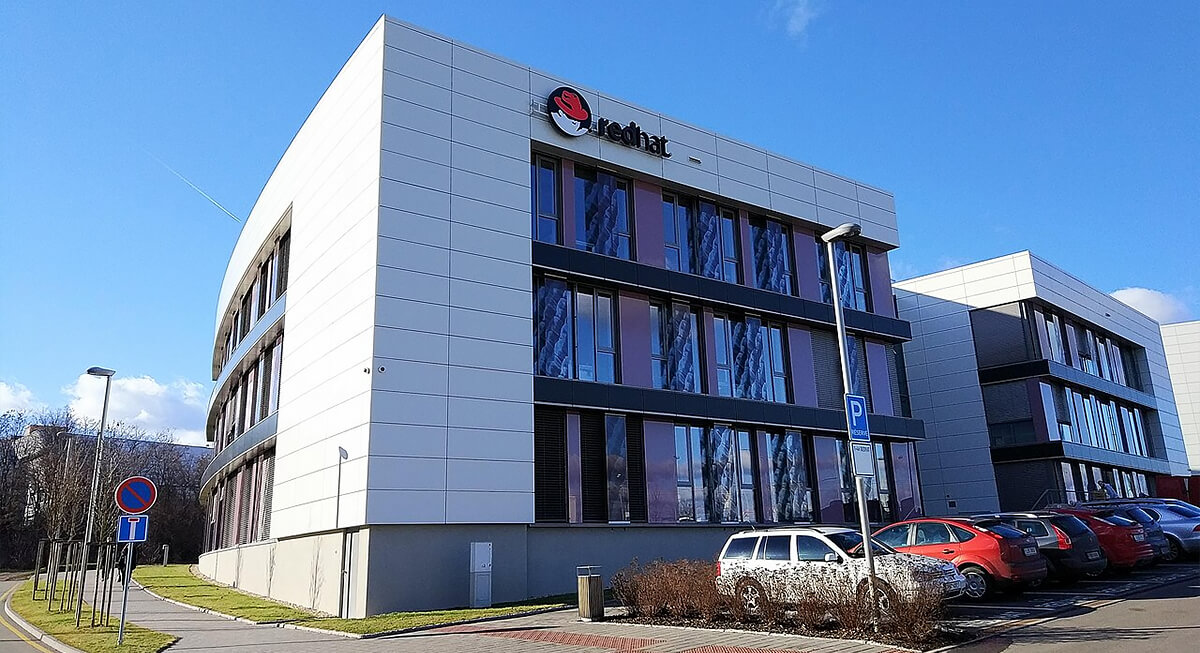
The Red Hat acquisition looked risky in 2019 because IBM spent $34 billion at a time when many investors were already questioning its direction. Years later, the move looks far smarter. Red Hat became central to IBM’s hybrid cloud strategy and now generates close to $2 billion in quarterly revenue.
Wall Street Suddenly Sounds More Optimistic

Credit: Wikimedia Commons
IBM spent years as the stock analysts tolerated rather than celebrated. Wedbush analyst Dan Ives has argued IBM could still have meaningful upside tied to AI deployments moving past the testing phase. Citigroup even called IBM an “AI survivor and enabler,” which sounded almost unthinkable five years ago.
Mainframes Refuse To Go Away
Credit: Wikimedia Commons
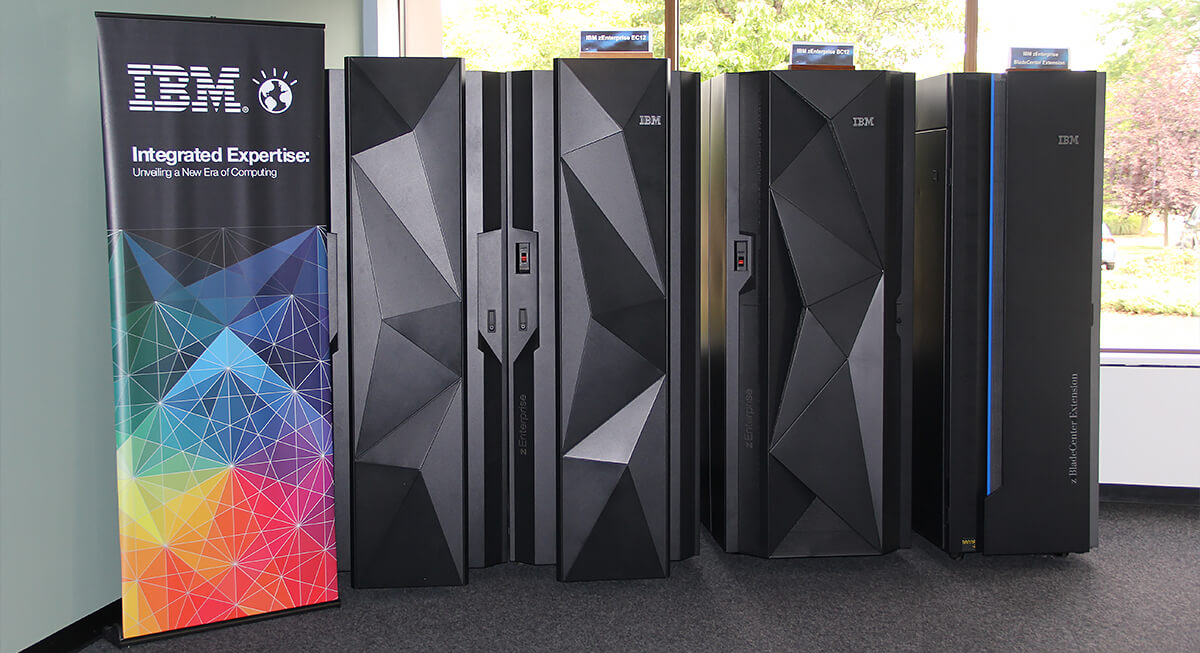
Large banks, governments, and payment systems still rely on IBM infrastructure for huge transaction volumes. IBM even posted a record year for mainframes in 2025. The business can look boring compared to flashy AI startups, though boring sometimes produces dependable profits.
Software Revenue Keeps Growing

Credit: pexels
Software represented roughly 20% of total revenue when CEO Arvind Krishna took over in 2020. That figure climbed closer to 45% by late 2025. IBM’s transition away from hardware dependence has gradually improved confidence in the company’s long-term stability and dividend sustainability.
AI Hype Finally Works In IBM’s Favor
Credit: Wikimedia Commons
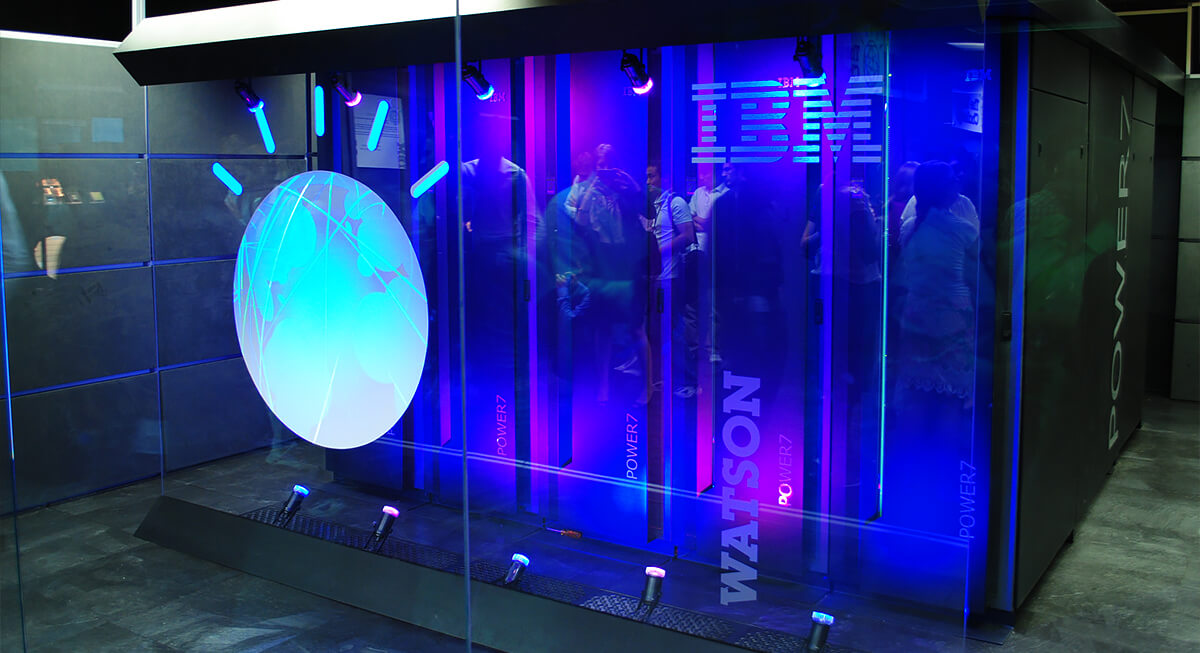
The market often treated Watson as an overhyped experiment rather than a serious business driver. The current AI cycle feels different. Companies now want enterprise-grade AI tools tied to cybersecurity, automation, and cloud systems. IBM already operates in those areas.
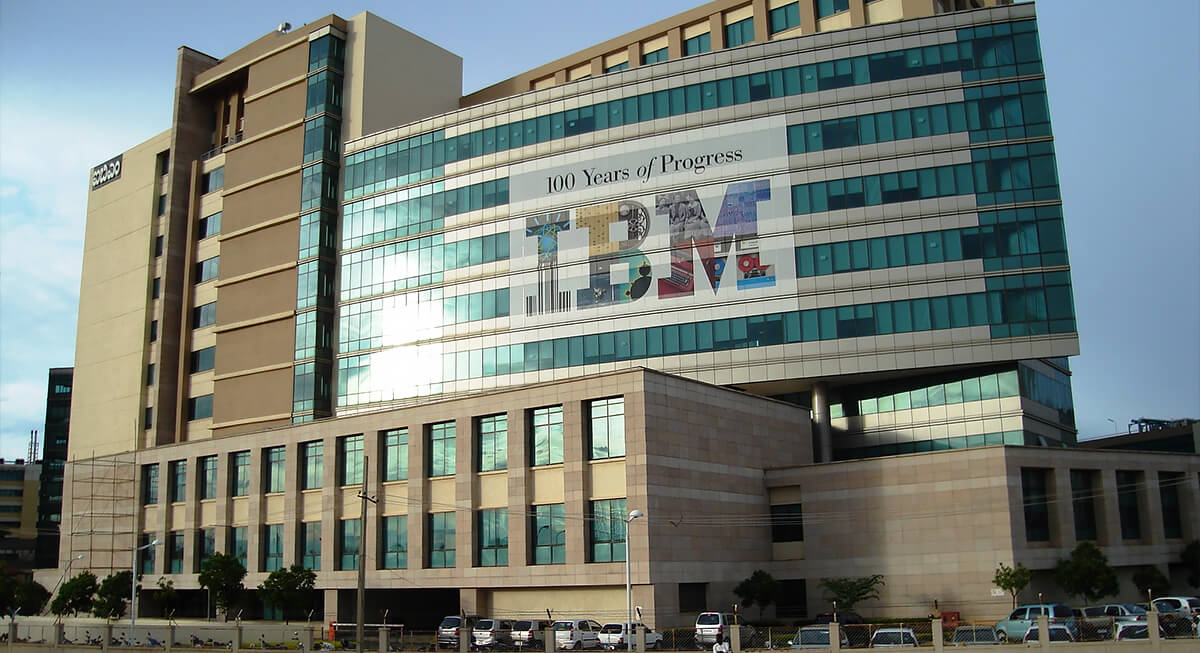
IBM Still Plays Defense Better Than Most Tech Stocks
Credit: Wikimedia Commons
Stable enterprise customers, recurring contracts, and predictable cash generation create a calmer profile than many Silicon Valley peers. Investors searching for income often appreciate that balance. IBM shares may not deliver dramatic overnight gains, though they also avoid the constant boom-and-bust feeling that often follows many high-growth tech companies.
Debt Levels Look Far Less Scary Now
Credit: Reddit
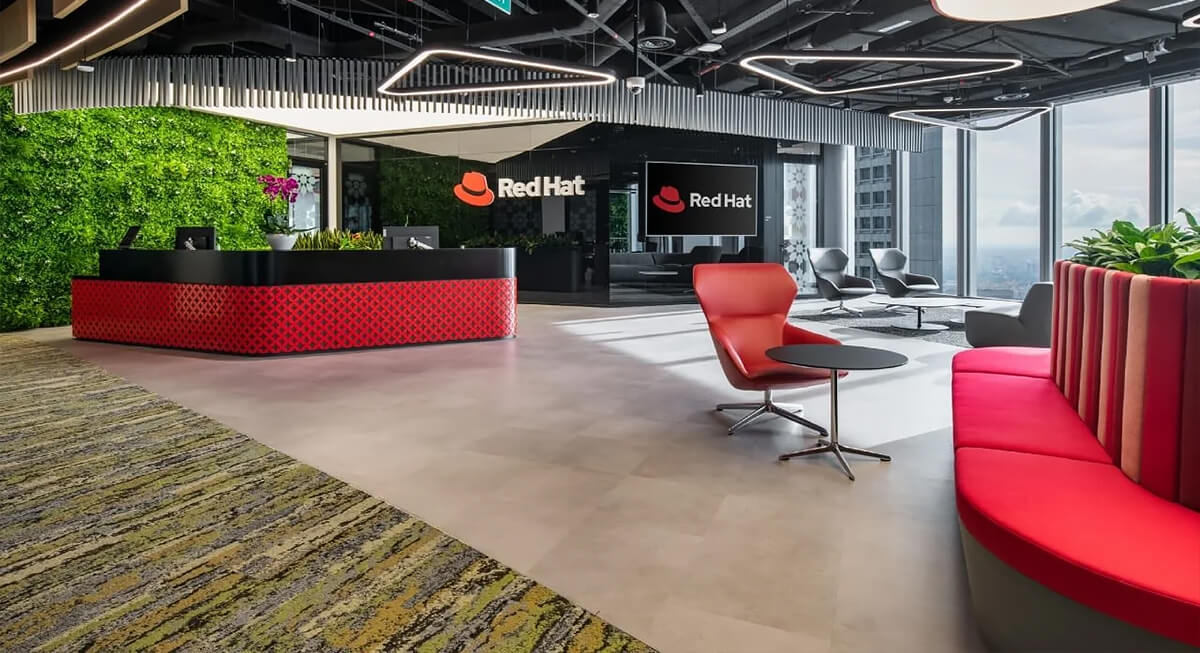
The Red Hat deal pushed IBM’s debt levels higher and sparked significant skepticism about management’s strategy. Investors worried the company stretched itself too far. IBM gradually reduced its leverage over the following years and improved its balance sheet position. On Wall Street, companies that actually deliver on long-term promises tend to earn renewed investor patience.
The Dividend Fits IBM’s Entire Identity

Credit: Wikimedia Commons
IBM treats its payout almost like part of the brand itself. The company belongs to the Dividend Aristocrats group due to its long streak of annual dividend increases. IBM may never trade like an ultra-fast AI startup, though management appears comfortable with that tradeoff. Reliable income, moderate growth, and steady execution remain central parts of the company’s appeal.