10 Epic Secrets to Hitting the 1.46 Million Dollar Retirement Jackpot Without Losing Your Mind
Many of us think of a $1.46 million retirement fund as something only wealthy people can reach. The number sounds massive when you see it all at once, especially at a time when groceries, housing, and everyday bills already feel expensive enough. In 2026, Americans say that is the amount they now need to retire comfortably, and the figure has climbed sharply from just a year ago.
Most people do not achieve that level of retirement savings through a single huge paycheck or a lucky break. It usually comes down to steady investing, smart financial choices, and giving money enough time to grow over the years.
The Magic of Starting Early

Credit: pexels
Gen Z adults are saving for retirement at 22 on average, years ahead of millennials and Gen Xers, who waited until 28 and 32, according to Northwestern Mutual’s 2026 study. That gap matters, as a 22-year-old investing $200 a month at a 7% annual return accumulates roughly $655,000 by age 65. The same contributions starting at 32 produce nearly half that amount.
Pay Yourself Before Spending

Credit: pexels
Most people handle money in the same order: get paid, cover expenses, then try to save whatever is left at the end of the month. Financial planner Leo Chubinishvili of Access Wealth says reversing that order can make a major difference over time. Setting up automatic savings as soon as a paycheck arrives helps money grow consistently before everyday spending has a chance to eat through it.
Keep Your Savings Rate Locked In as Income Grows

Credit: Canva
Raises have a way of disappearing quickly once spending starts rising alongside them. A better apartment, a newer car, or more expensive habits can quietly cancel out financial progress. Many experts recommend keeping your savings rate at least the same as income grows and increasing it whenever possible. That way, higher earnings actually help build long-term wealth instead of simply funding a more expensive lifestyle.
Tackle High-Interest Debt, But Grab the Employer Match First

Credit: pexels
Credit card interest rates climbed above 21% in late 2024, according to Federal Reserve data, which makes high-interest debt incredibly expensive to carry. Paying it down aggressively is usually one of the smartest financial moves a person can make. Still, many financial planners point out one important exception. If your employer offers a 401(k) match, contributing enough to get the full match often comes first because that instant return is hard to beat.
Build an Emergency Fund That Actually Has Your Back

Credit: Canva
A traditional 401(k) withdrawal before age 59½ comes with a 10% penalty plus income taxes on the amount taken out unless an exception applies. In some cases, despite a financial emergency, the cost may still be required. Keeping three to six months of living expenses in a savings account creates a buffer that protects retirement accounts from being raided. Emergencies can occur at inconvenient times, and retirement savings should not have to be depleted.
Disability Coverage Is the Retirement Plan Most People Skip

Credit: Canva
A disabling illness or injury keeps the average long-term claimant out of work for nearly three years, according to the Council for Disability Awareness. Three years without income, without retirement contributions, and potentially draining existing savings are scenarios most retirement plans simply do not account for. Employer-sponsored coverage and a private disability policy can help cushion against illnesses and injuries like that.
Delaying Social Security Sometimes
Credit: Getty Images
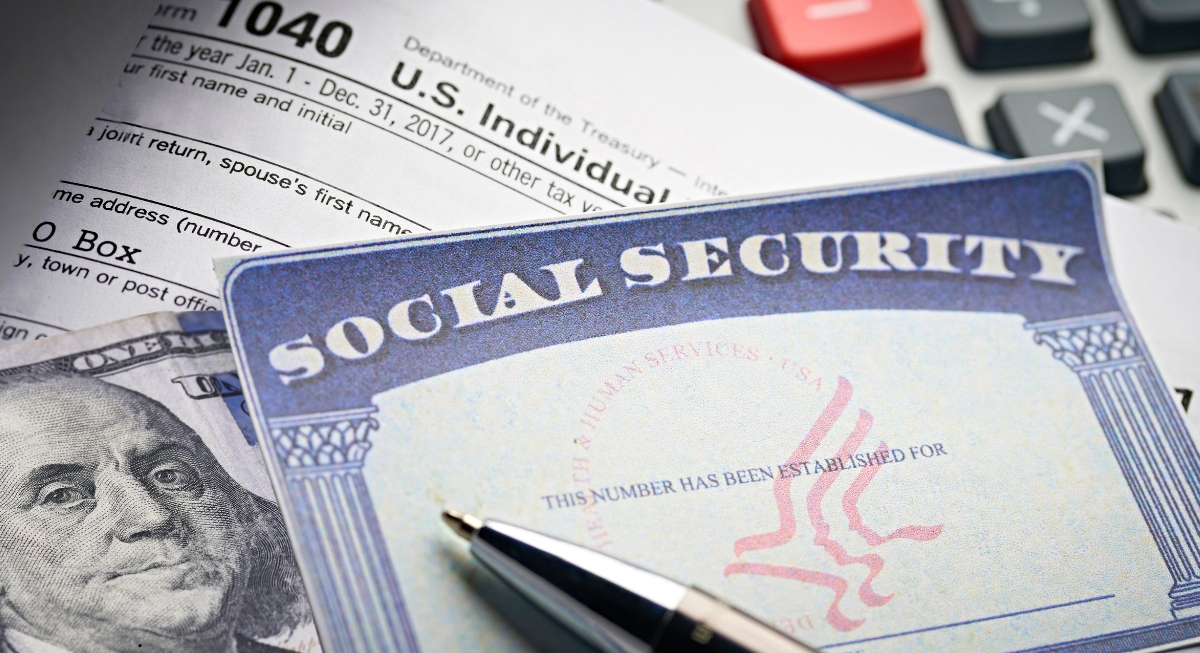
For every year a person delays claiming Social Security past full retirement age, monthly benefits increase by approximately 8%, up until age 70, according to the Social Security Administration. Someone eligible for $2K a month at 67 could collect around $2,480 a month by waiting until 70. That is a significant boost to lifetime income for people in good health with a reasonable life expectancy.
Working a Little Longer

Credit: pexels
Two extra working years do several things at once. They add more contributions to retirement accounts, reduce the number of years savings need to last, and create an opportunity to delay Social Security for a higher monthly benefit. Northwestern Mutual’s 2026 data shows 41% of Americans plan to work in some capacity during retirement. The income can be enough to cover expenses and leave retirement accounts untouched.
Use Tax-Advantaged Accounts to Their Full Potential

Credit: pexels
The IRS allows workers to contribute up to $24,500 to a 401(k) in 2026, with additional catch-up contribution amounts available for those aged 50 and older. The IRS allows a combined $7,500 in 2026 contributions across traditional and Roth IRAs, subject to Roth IRA income phaseouts and traditional IRA deduction rules. Using both accounts strategically can accelerate the path to $1.46 million.
Put Investments on Autopilot With Index Funds

Credit: pexels
Some people assume that paying for expert fund managers produces better investment returns. S&P’s SPIVA report shows that over a 15-year period, more than 85% of actively managed U.S. equity funds fail to beat some basic market index. Index funds track that market automatically, with lower fees. Vanguard’s research shows that cutting investment fees by just 1% annually can add tens of thousands of dollars to a portfolio over a 30-year period.