Historical Old Money Families That Have Miraculously Never Lost Their Power
Most wealthy families eventually lose their influence once industries change and fortunes get split across generations. Some families, however, managed to hold onto power for decades by investing in assets, establishing trusts, building political connections, and acquiring major corporate holdings. Even today, many of these names still carry influence in business, finance, media, and elite social circles around the world.
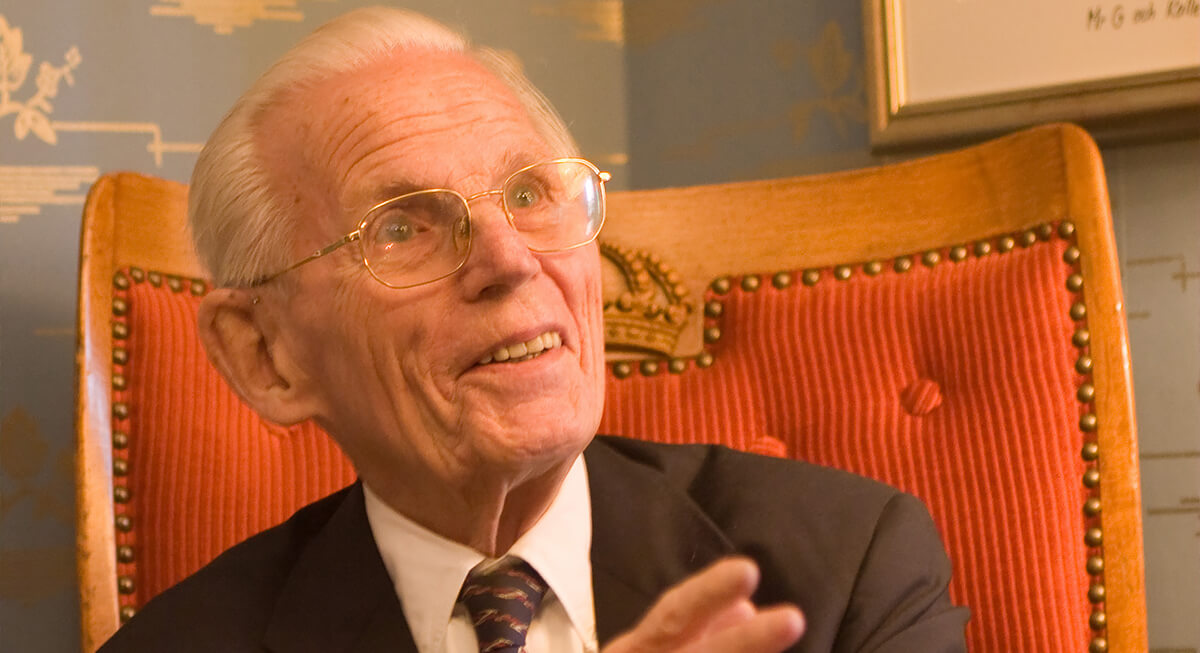
The Wallenbergs
Credit: Wikipedia
Sweden’s Wallenberg family wielded enormous influence without seeking public attention. Much of their power still runs through Investor AB, the investment company they founded in 1916. The company reported an adjusted net asset value of SEK 1,125.1 billion as of March 31, 2026. The family operates with a quieter corporate style, staying influential through major investments and industrial decision-making instead of flashy headlines.
The Rothschilds
Credit: Wikimedia Commons
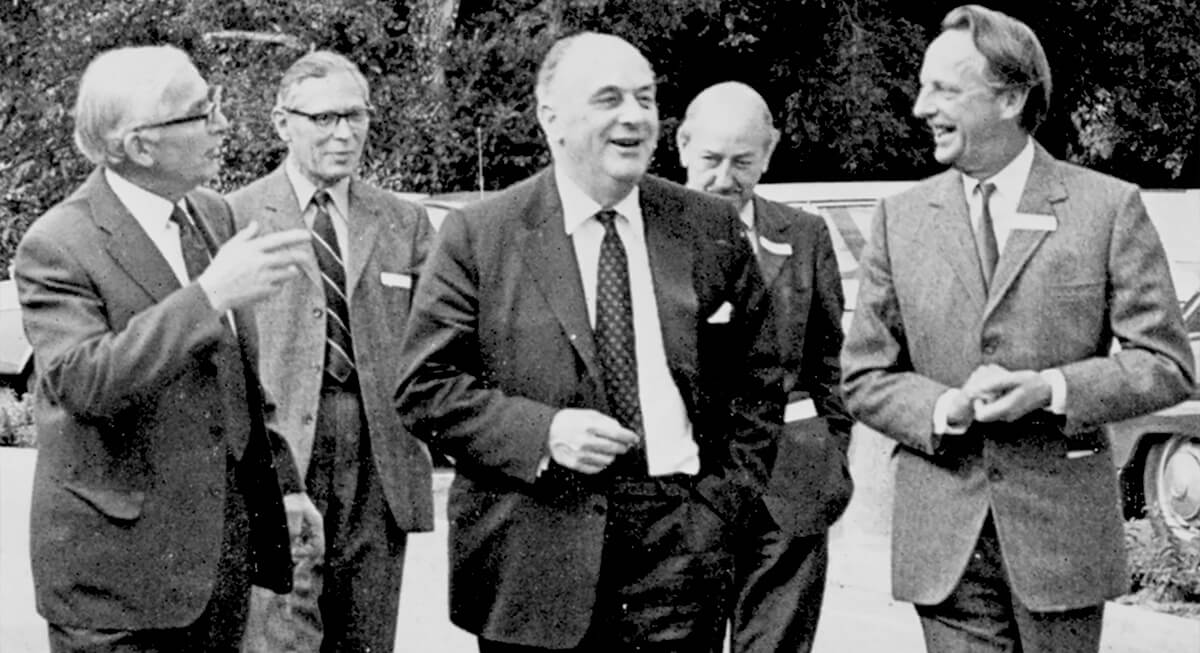
The Rothschild family became influential through banking operations spread across several European countries. Different branches of the family helped governments and businesses handle financing and money transfers through trusted financial networks. The Rothschild name still remains active through Rothschild & Co, where Alexandre de Rothschild serves as executive chairman.
The Agnellis
Credit: Wikimedia Commons
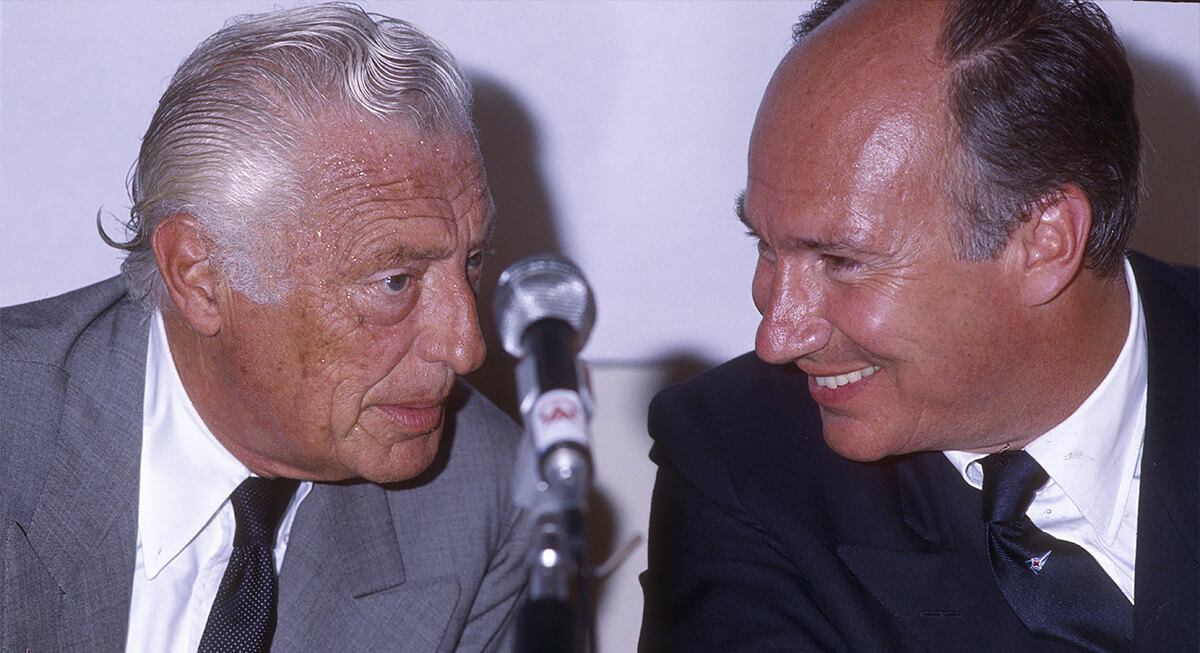
Fiat gave the Agnellis their big Italian stage, but staying connected to one carmaker forever would have been risky. Under John Elkann, Exor has leaned into a broader portfolio rather than relying solely on Fiat nostalgia. Its interests include Ferrari, Stellantis, Juventus, and other major assets. That’s the story of a legendary family’s reinvention. Say goodbye to factory floors and hello to global capital.
The Rockefellers
Credit: Wikimedia Commons
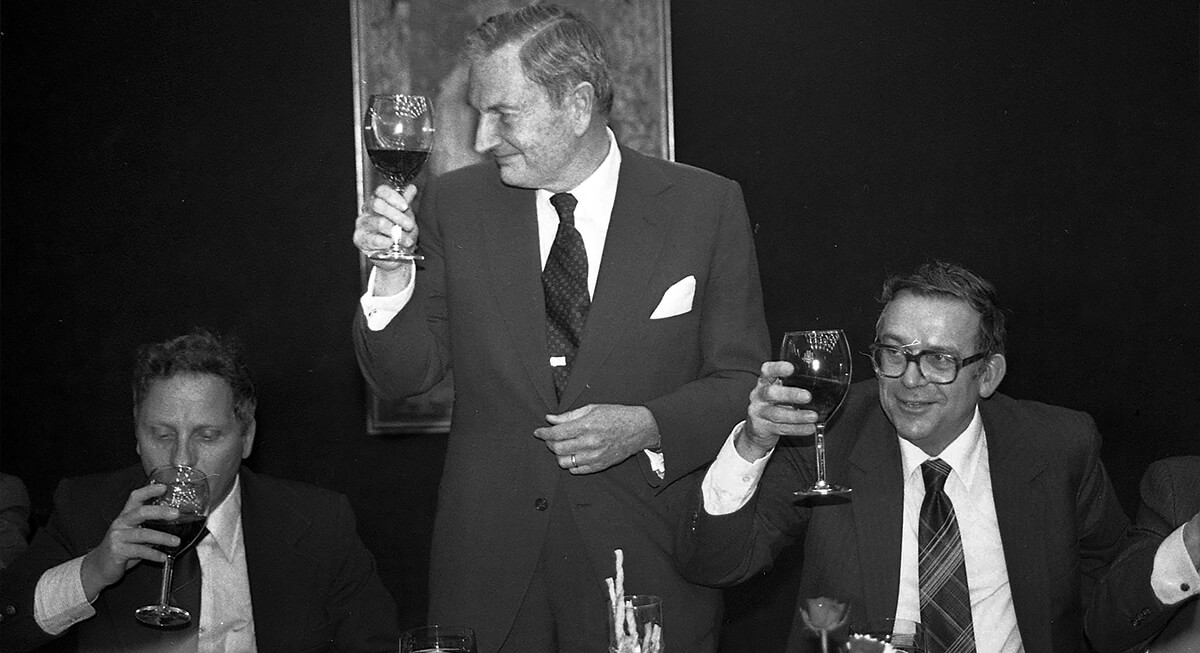
Standard Oil made John D. Rockefeller almost impossible to ignore in American business history. The 1911 breakup ended the company’s old structure, but the fortune found a second life through philanthropy. The Rockefeller Foundation was created in 1913 and has reportedly donated more than $17 billion in current dollars. Oil paid the original bill. Public health, education, conservation, and policy work have kept the family in the headlines.
The Du Ponts
Credit: Wikipedia
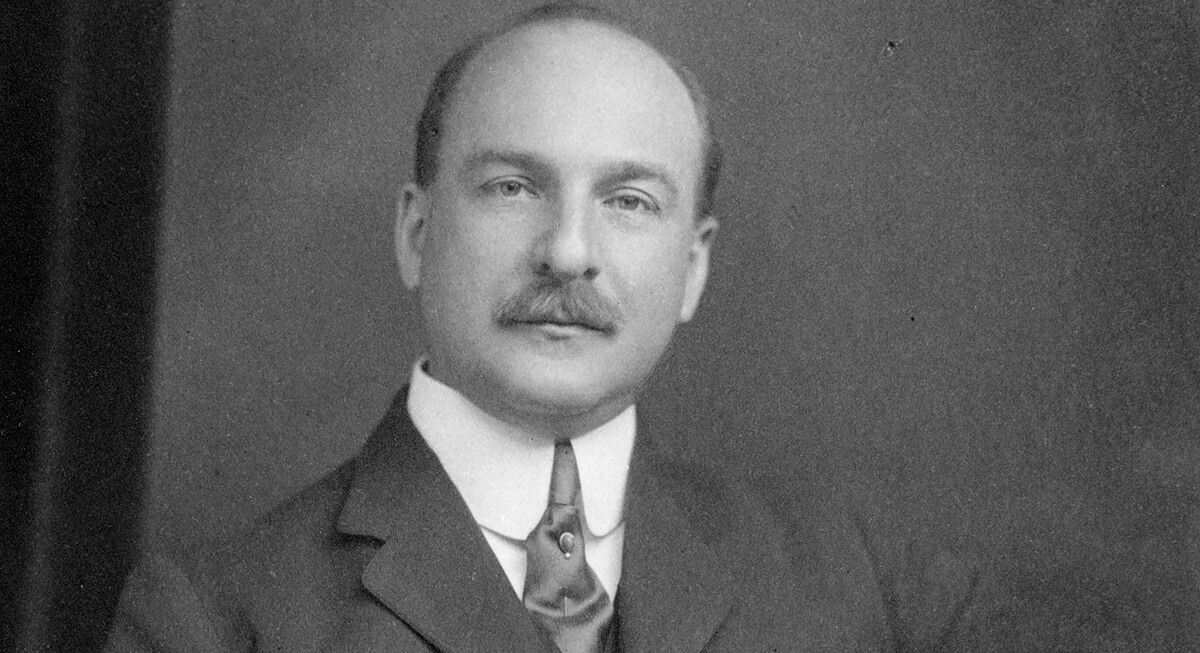
The Du Pont family’s fortune began with a gunpowder business in Delaware, founded in 1802 by E. I. du Pont de Nemours and Company. Explosives remained central to the company for years before it expanded into chemicals and industrial manufacturing during the 20th century. The family’s influence is still closely connected to American manufacturing history, Delaware institutions, historic estates, and places like the Hagley Museum and Library.
The Mellons
Credit: Wikipedia
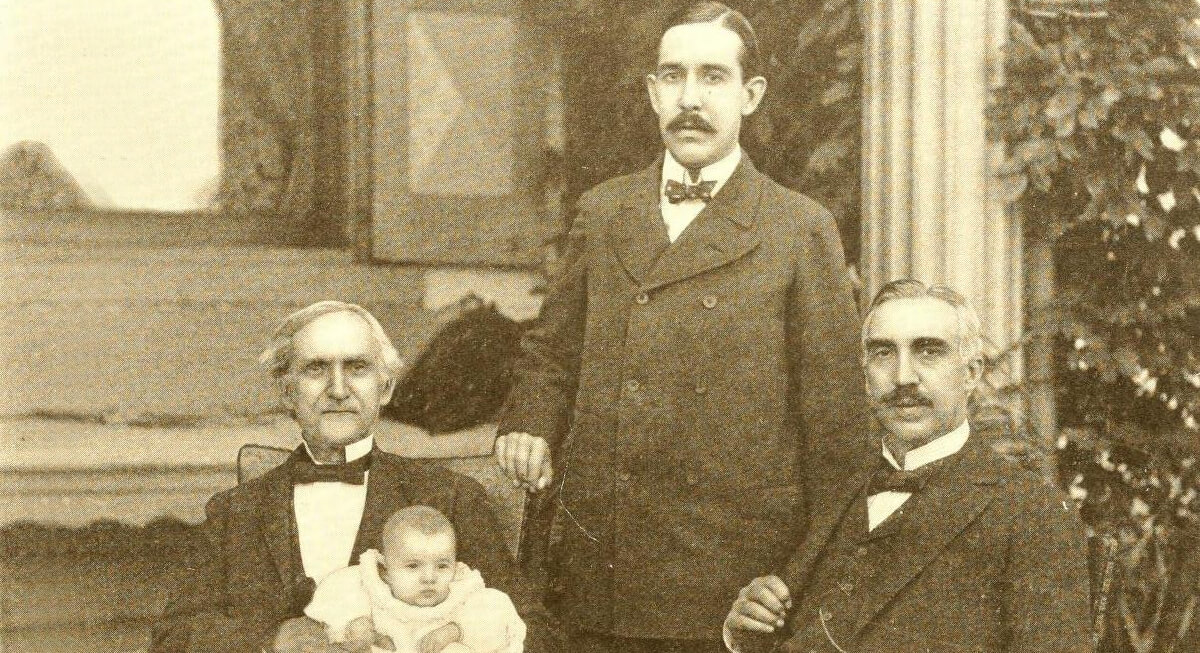
Andrew Mellon is the public face of this family. He rose through the banking and industry sectors, then served as U.S. Treasury secretary from 1921 to 1932. Private fortune and federal power make for a rare old-money combo. The Mellon Foundation, founded in 1969, became a major force in funding the arts, culture, higher education, and the humanities.
The Morgans
Credit: Wikipedia
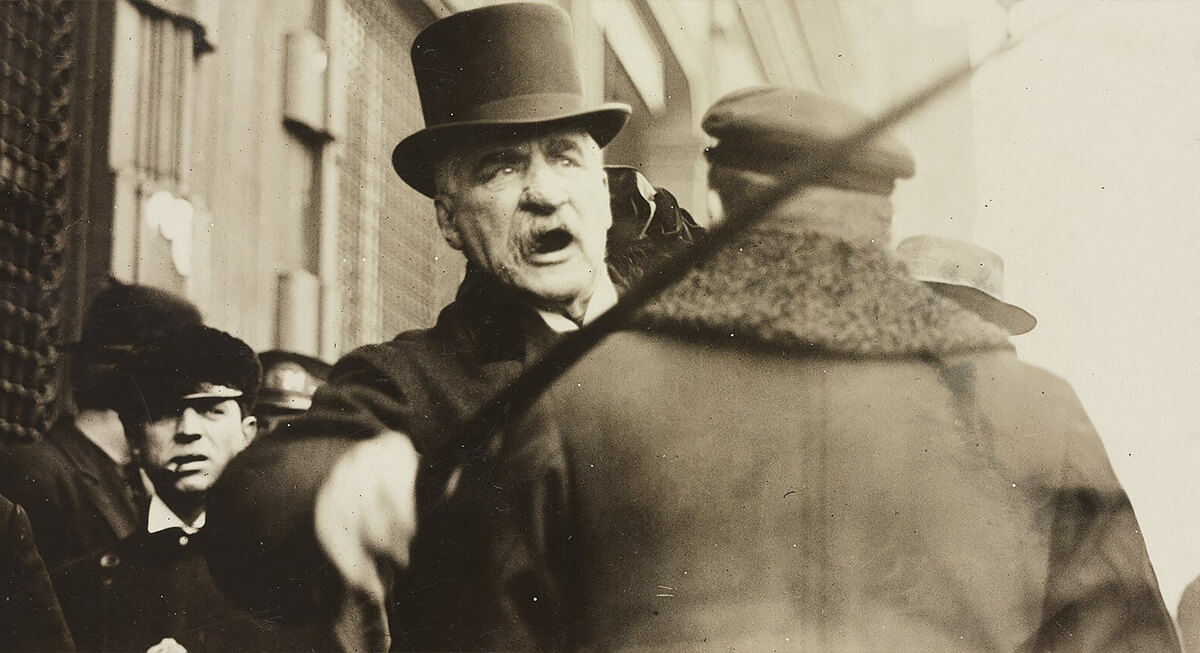
J.P. Morgan operated in an era when Wall Street could still call one man during a panic and expect him to gather whatever sum was required. During the Panic of 1907, Morgan helped organize private support alongside other bankers and the federal Treasury, years before the Federal Reserve opened. His family no longer runs JPMorgan Chase. Even so, the Morgan name remains at the foundation of American finance.
The Hermès Family
Credit: Wikipedia
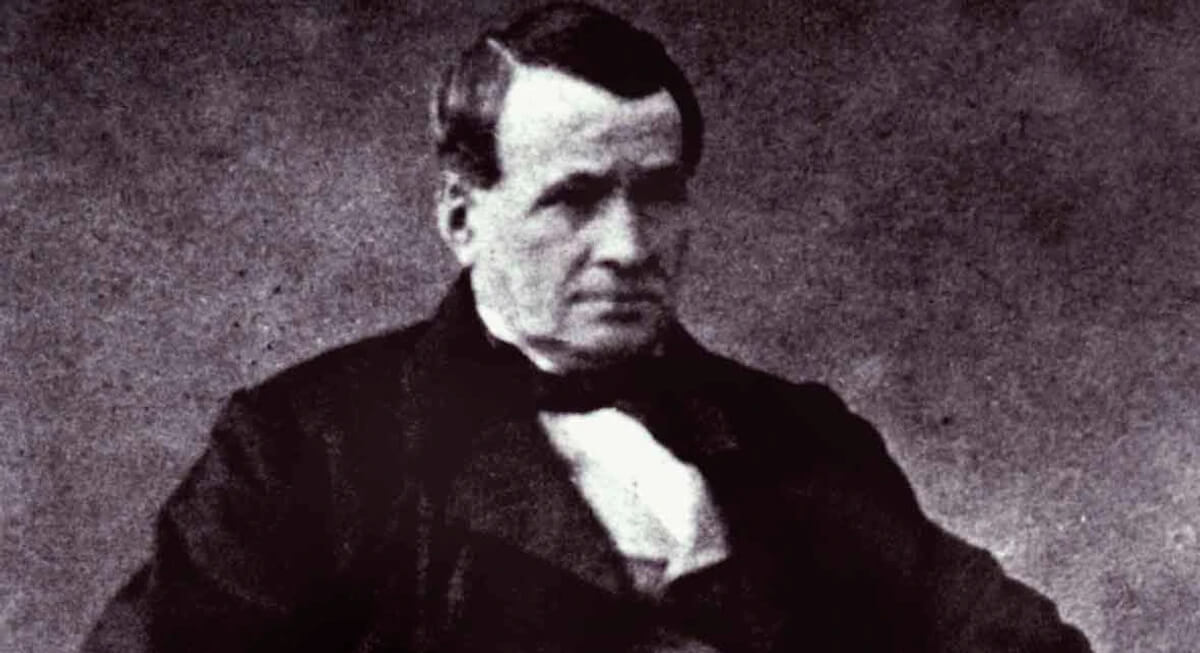
A luxury dynasty has to guard the door carefully, especially when bigger groups start sniffing around. After LVMH built a major stake, Hermès tightened control through H51. That helped protect long-term family ownership in a market hungry for trophy brands. The public sees handbags, scarves, and orange boxes. Behind the polish sits a business structure designed to keep outsiders from taking the wheel.
The Mars Family
Credit: Eventing Nation
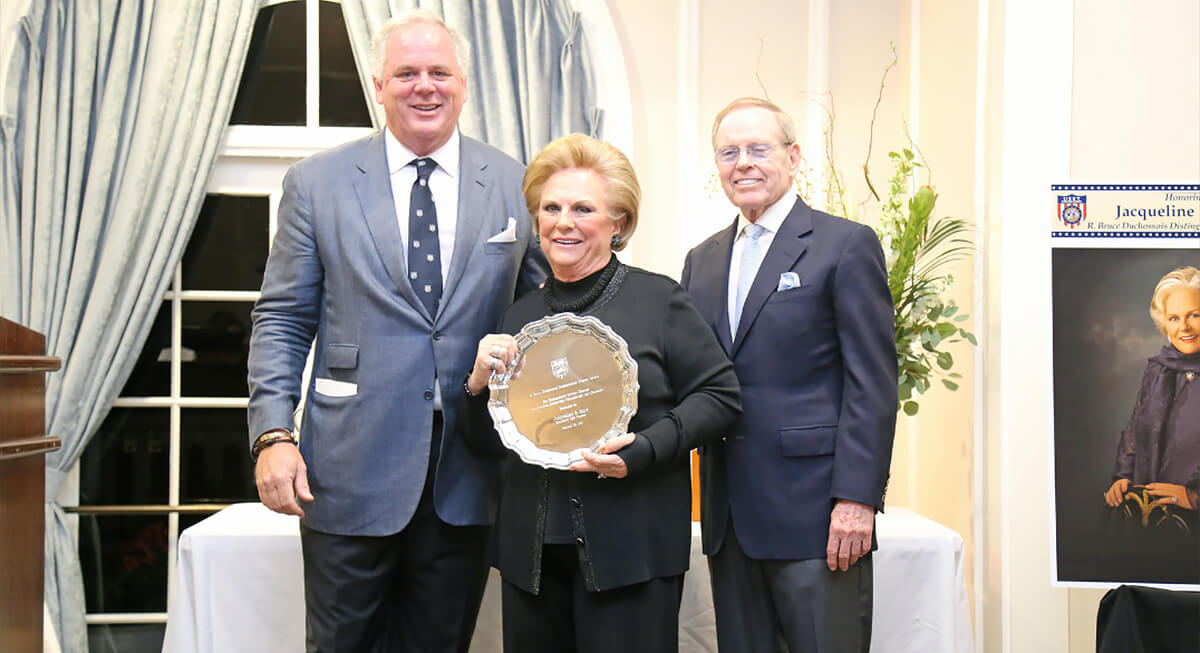
Mars began with candy, but the family’s real staying power comes from keeping the company private and thinking beyond chocolate. Mars says its pet-care business supports pets in more than 130 countries, with work across veterinary care, nutrition, diagnostics, and DNA testing. A public company faces market pressure every quarter, yet Mars gets more breathing room.
The Tatas
Credit: The Economic Times
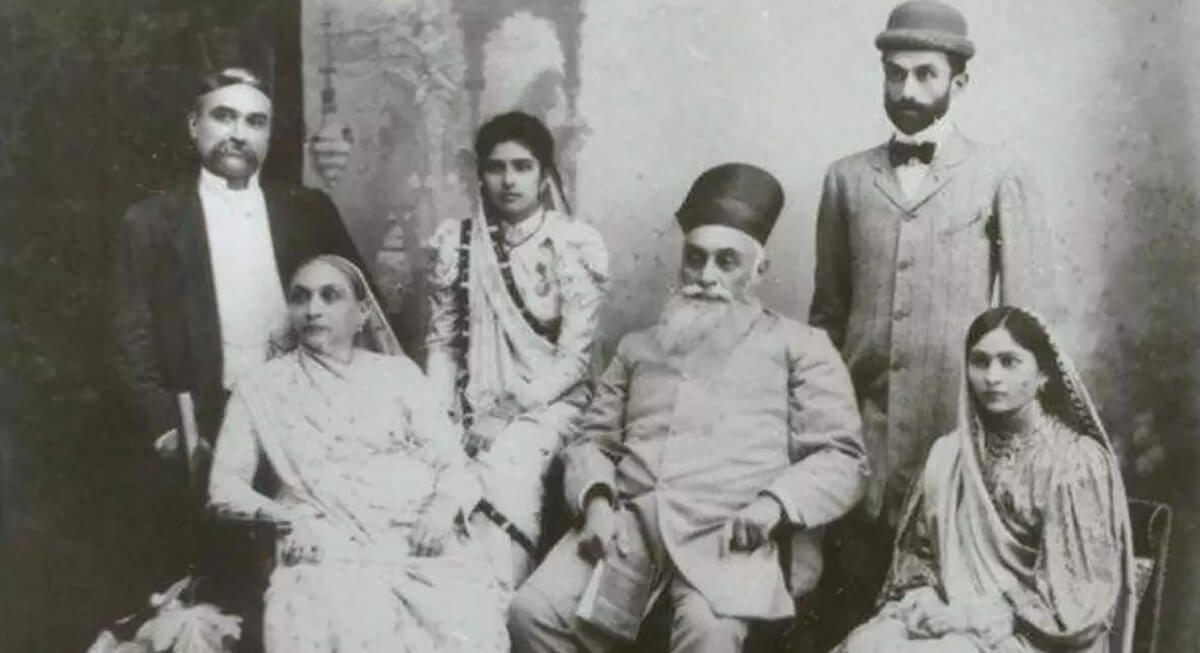
India’s Tata dynasty stands out because charitable trusts lie close to the center of control. The Sir Dorabji Tata Trust and Sir Ratan Tata Trust together hold just over half of Tata Sons, while philanthropic Tata Trusts overall hold 66% of the company’s equity. Business power, public trust, and national identity all meet inside this family’s legacy.