10 Hilarious Business Blunders That Cost Iconic Companies Millions
Behind many famous companies is at least one decision that went terribly wrong. An idea that sounded brilliant in a meeting can fall apart once it reaches customers. Sometimes the problem is overconfidence. Sometimes no one stops to question the plan. When those mistakes scale inside huge corporations, the price tag can reach millions. These business blunders are now classic lessons in how quickly a bad call can turn expensive.
Quaker Oats Turned Snapple From Cool to Corporate
Credit: Reddit
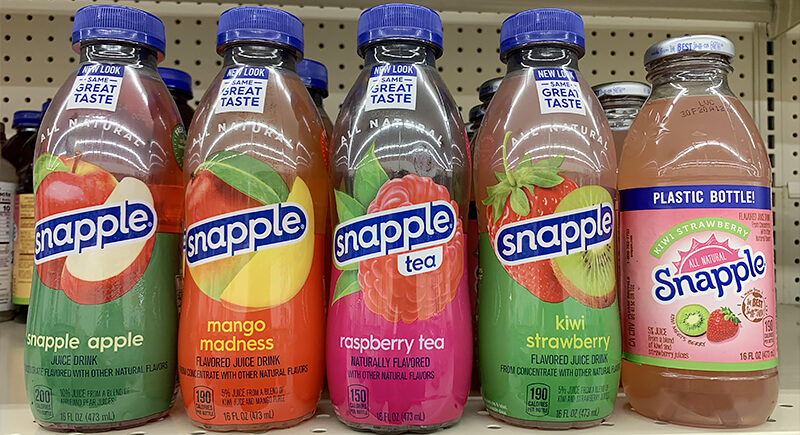
In 1994, Quaker Oats bought Snapple for $1.7 billion, convinced it could repeat the success it had with Gatorade. On paper, the plan looked solid. In reality, Quaker misunderstood what made Snapple popular. The brand thrived in small delis and through independent distributors that gave it a scrappy personality. When Quaker pushed it into big supermarket channels, that charm disappeared and sales dropped. Just 27 months later, Snapple sold for $300 million.
Yahoo Paid $1.1 Billion for Tumblr Then Sold It for $3 Million
Credit: Wikimedia Commons
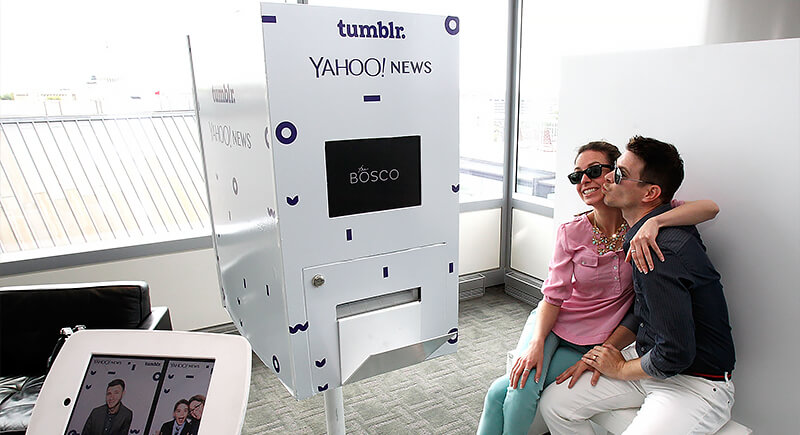
When Yahoo acquired Tumblr in 2013 for $1.1 billion, leadership publicly promised not to ruin what made the platform popular. Tumblr’s young audience and cultural relevance were expected to revive Yahoo’s fading digital presence. Revenue growth never matched expectations. Advertising strategies clashed with Tumblr’s user culture, and moderation issues grew more complex. In 2019, Verizon, which had acquired Yahoo, sold Tumblr for roughly $3 million. Few tech acquisitions demonstrate value destruction as clearly as this one.
AOL and Time Warner’s $165 Billion Culture Clash
Credit: Wikimedia Commons
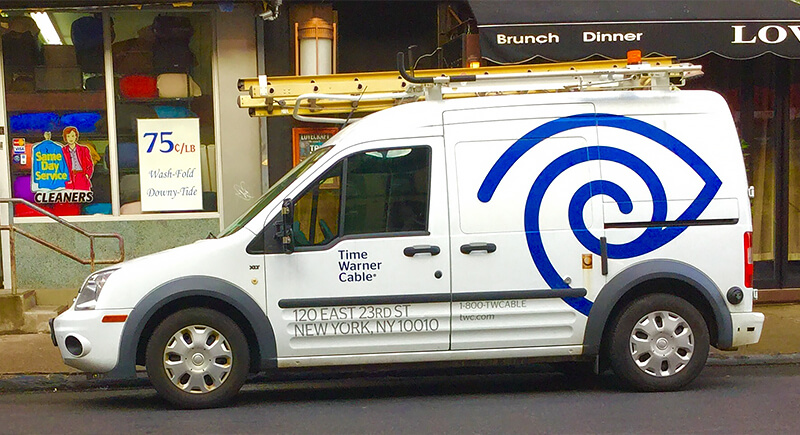
In 2000, AOL acquired Time Warner in a $165 billion deal that was celebrated as the future of media. The internet giant joined forces with an entertainment company that owned HBO, CNN, and Warner Bros. The partnership quickly unraveled. Executives disagreed on strategy, and corporate cultures collided. When the dot-com bubble burst, AOL’s stock value collapsed. Within a few years, the combined company had written down nearly $99 billion in value. The merger remains one of the largest failures in corporate history.
Hoover’s Free Flights That Weren’t Free
Credit: Wikimedia Commons
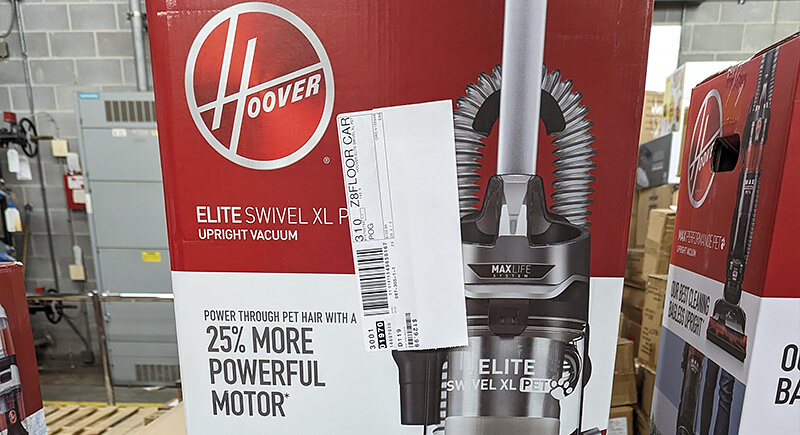
Hoover UK introduced a promotion in the early 1990s, offering free transatlantic flights to customers who purchased certain appliances. The campaign was meant to boost vacuum sales, and it succeeded beyond expectations. Customers discovered they could buy lower-cost products to qualify for airfare worth far more than the purchase price. Hoover underestimated redemption rates and logistical costs. The promotion ultimately cost the company about £48 million and led to the dismissal of senior executives.
Citibank Accidentally Wired $900 Million

Credit: Wikimedia Commons
In 2020, Citibank attempted to make a routine interest payment to lenders on a Revlon loan. Instead, it mistakenly transferred nearly $900 million, which represented the full principal amount. The episode exposed serious weaknesses in internal control systems at one of the world’s largest banks. Some lenders returned the funds. Others argued they were legally entitled to keep the money. After a prolonged legal dispute, Citibank was unable to recover roughly $500 million.
Kodak Invented the Digital Camera and Protected Film Instead
Credit: Wikimedia Commons
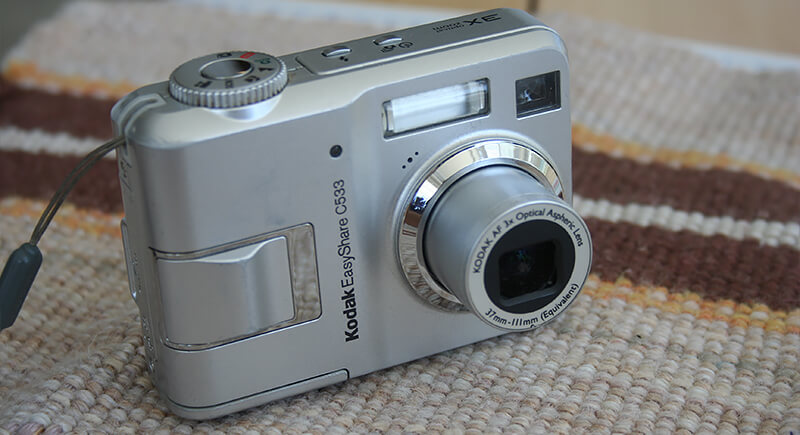
Kodak engineer Steve Sasson built the first digital camera prototype. It was 1975, and the device captured images electronically rather than on film. Company leadership hesitated to push the innovation forward. The film generated enormous profits, and executives feared that promoting digital technology would undermine the company’s core revenue stream. Competitors advanced digital photography throughout the 1990s and 2000s. Kodak eventually filed for bankruptcy protection in 2012. The company that pioneered modern imaging failed to capitalize on its own invention.
Toys “R” Us Let Amazon Run Its Online Store
Credit: Wikimedia Commons
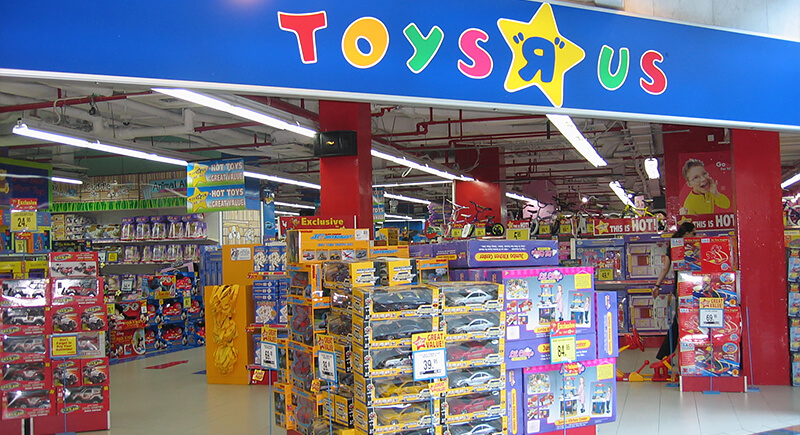
In 2000, Toys “R” Us entered a 10-year agreement in which it paid Amazon $50 million annually to manage its e-commerce operations. The retailer chose to concentrate on physical stores while outsourcing digital logistics. Through the partnership, Amazon gained valuable data about toy sales patterns and consumer demand. When the dispute ended, Amazon had already established itself as a major online toy seller. Toys “R” Us filed for bankruptcy in 2017.
DaimlerChrysler’s “Merger of Equals”
Credit: Wikimedia Commons
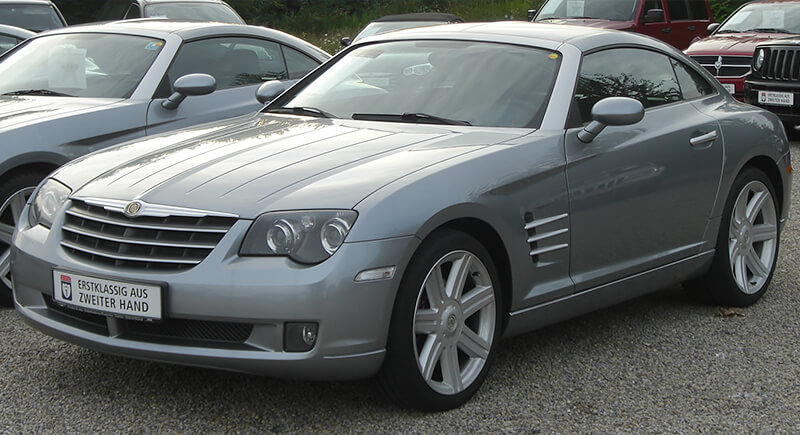
When Daimler-Benz merged with Chrysler in 1998, executives described the transaction as a merger of equals. In practice, the integration proved far more complicated. German management structures conflicted with American manufacturing practices, and strategic alignment proved difficult to achieve. By 2007, Daimler sold Chrysler and absorbed losses estimated between $4 billion and $5.4 billion. The deal became a textbook example of cross-border merger challenges.
Samsung’s $105 Billion “Ghost Stock” Glitch
Credit: Wikimedia Commons
In 2018, Samsung Securities mistakenly issued billions of dollars’ worth of phantom shares to employees due to a data entry error. Some staff members sold shares before the issue was identified. For a short time, the glitch created what appeared to be approximately $105 billion in unauthorized stock. Although the company avoided systemic collapse, the incident resulted in regulatory penalties and raised serious concerns about operational risk controls.
News Corp Bought MySpace at the Peak
Credit: Mint
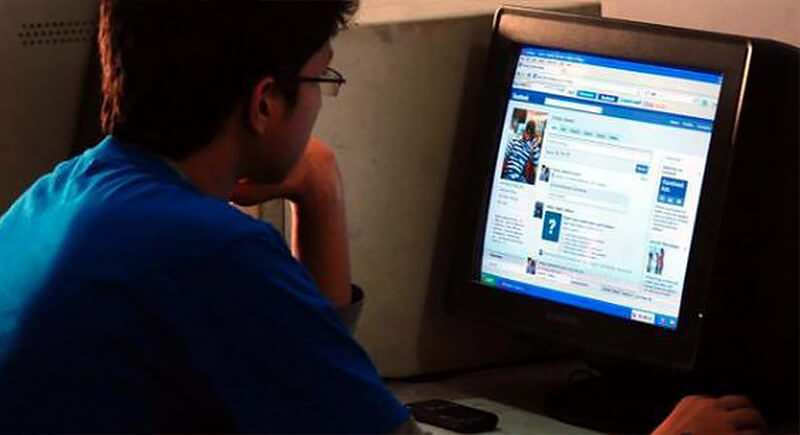
MySpace, a platform that once defined online culture, became a reminder of how quickly digital dominance can fade. In 2005, News Corp acquired MySpace for $580 million while it dominated social media. Under new ownership, advertising pressure increased, and user experience deteriorated. At the same time, Facebook expanded rapidly with a simpler interface and broader appeal. In 2011, News Corp sold MySpace for $35 million.