10 Pieces of “Junk” From Your Childhood Home That Are Now High-End Décor
Lots of homes once had a corner filled with objects nobody thought much about. Random household pieces often ended up in garages, basements, or attics. Years later, some of those same items have reappeared in design magazines and carefully styled homes. What people once brushed off as clutter now attracts collectors, decorators, and vintage enthusiasts who appreciate the character and history behind everyday objects.
Glass Grapes
Credit: Reddit
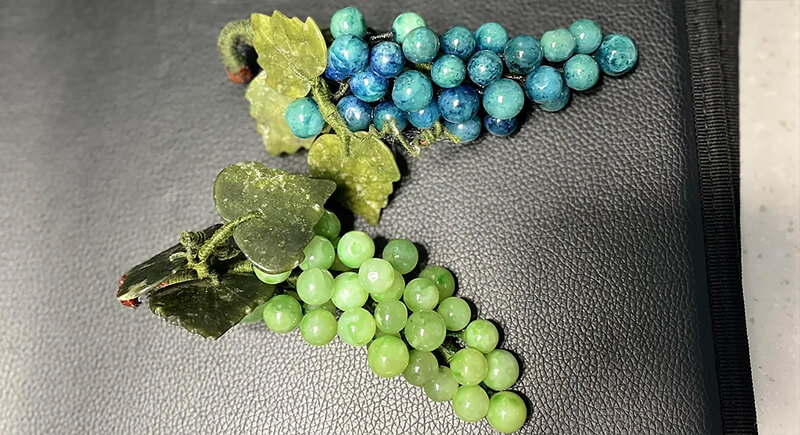
If you spot a cluster of glass grapes at a flea market or thrift store, you’re looking at a decoration that once sat proudly on many living room coffee tables. These pieces became popular in the 1960s and 1970s. Each “grape” is a glass bead attached to twisted wire stems. Many sets were handmade in Italy or Czechoslovakia, which is why collectors still keep an eye out for them today.
Decorative Plates
Credit: Reddit
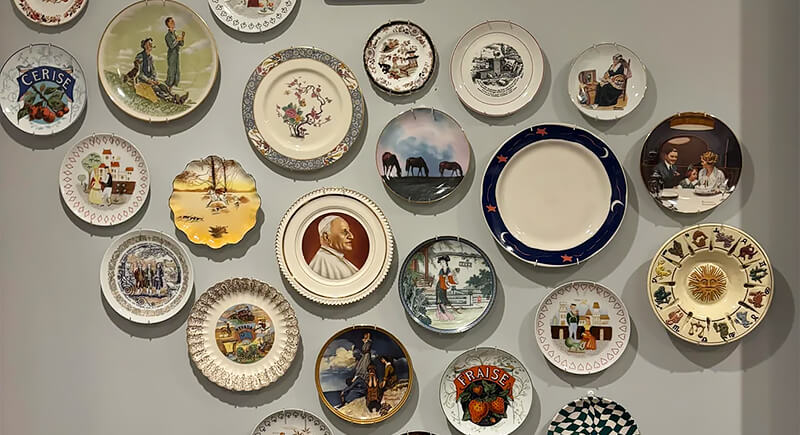
In the mid-20th century, decorative plates became a popular thing to collect. Entire clubs formed around them, and mail-order catalogs regularly released new limited-edition designs. Many families hung these porcelain plates on their walls, adding one after another over the years.
China Sets
Credit: Reddit
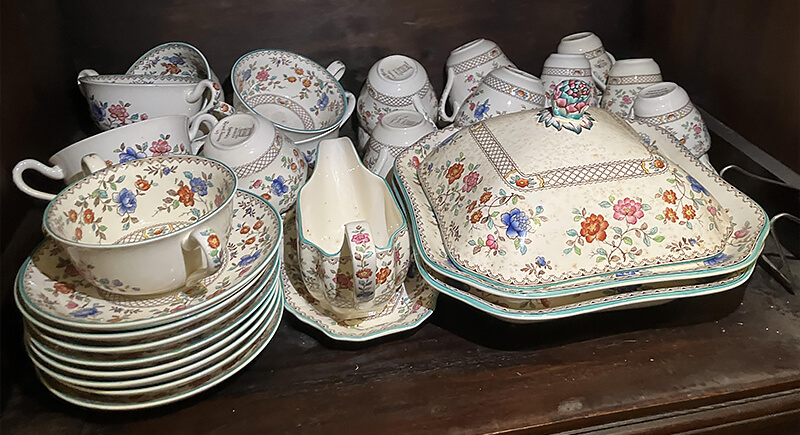
In many older homes, there’s still a china set sitting in a cabinet somewhere. For years, those dishes only came out when the company visited or during big family meals. The plates usually carry detailed patterns and sometimes a bit of gold along the edges. These days, people are less likely to save them for rare occasions. Many simply use the pieces every day or display them where they can actually be seen.
Rooster Kitchen Decor
Credit: Facebook
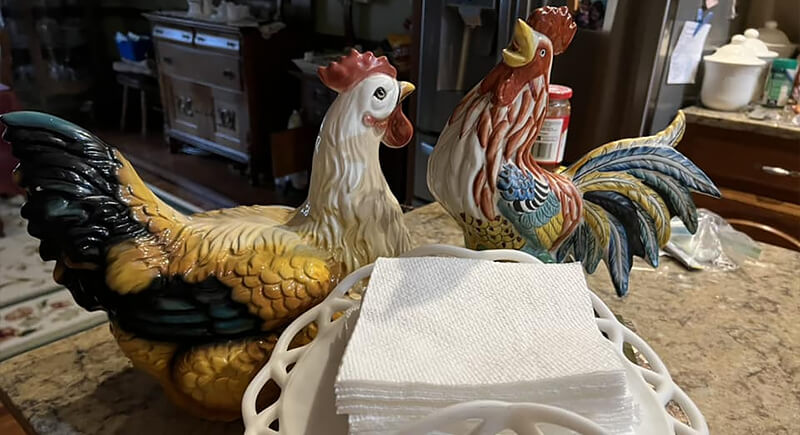
For many years, ceramic roosters were a familiar sight in kitchens. You could find them on cookie jars, dish towels, wall tiles, and countertop decorations. The trend grew during the late 20th century when farmhouse-style kitchens became popular in many homes. Their bright colors and country theme fit the look perfectly. As farmhouse décor returned in recent years, those rooster decorations began showing up in kitchens again.
Light Fixture Covers
Credit: Wikimedia Commons
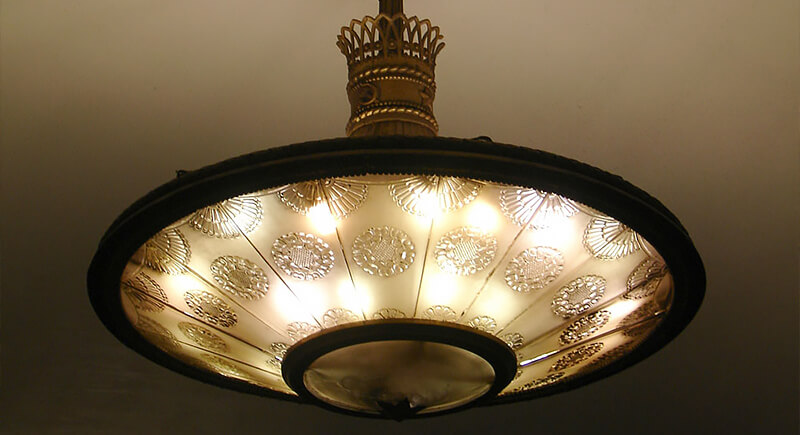
A dusty glass light cover usually meant one thing during renovations: it was headed for the trash. In recent times, decorators started seeing those curved shades differently. Flip one over, add a small bulb or candle, and the glass spreads a gentle glow across a room. Suddenly, an overlooked fixture becomes a simple lamp.
Paint Cans
Credit: Instagram
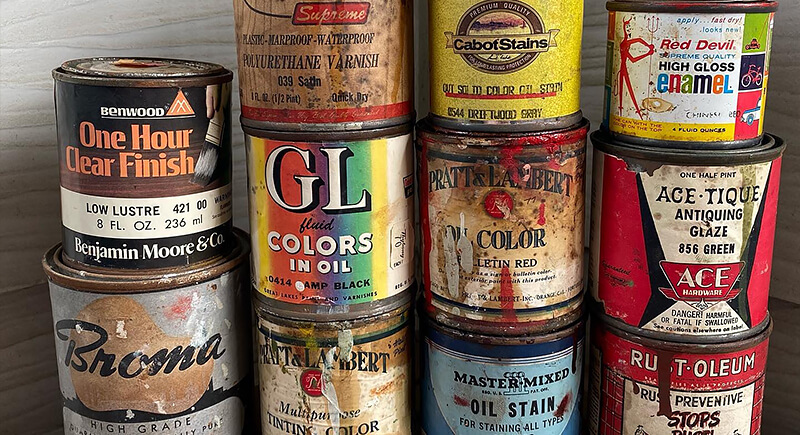
Leftover paint cans often linger in basements long after a project is finished. The containers themselves are tough and durable, even when the paint inside has dried out. Some people started giving them a second life instead of throwing them away. Once cleaned, the cans work surprisingly well as planters, especially in rustic or industrial-style spaces.
Galvanized Metal Containers
Credit: Facebook
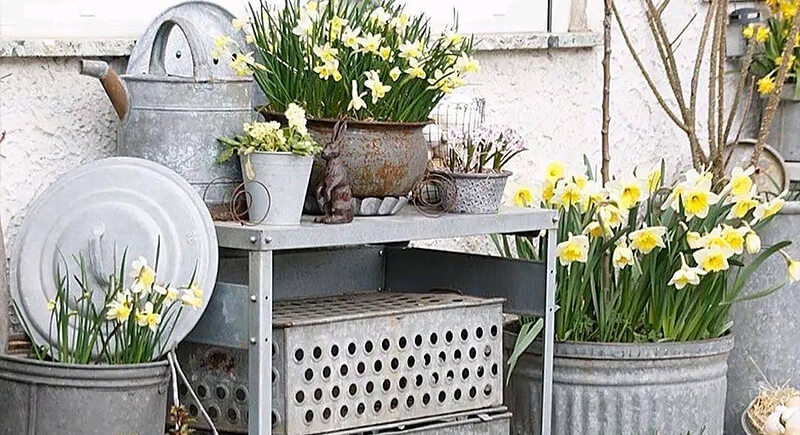
Before they became décor, galvanized metal containers handled much less glamorous jobs. Workshops and garages relied on them to hold tools, nails, or spare parts. Their worn surfaces and durable steel were purely practical. Interior designers eventually noticed the texture, and today the same containers hold plants, utensils, or kitchen supplies.
Mouse Traps
Credit: Wikimedia Commons
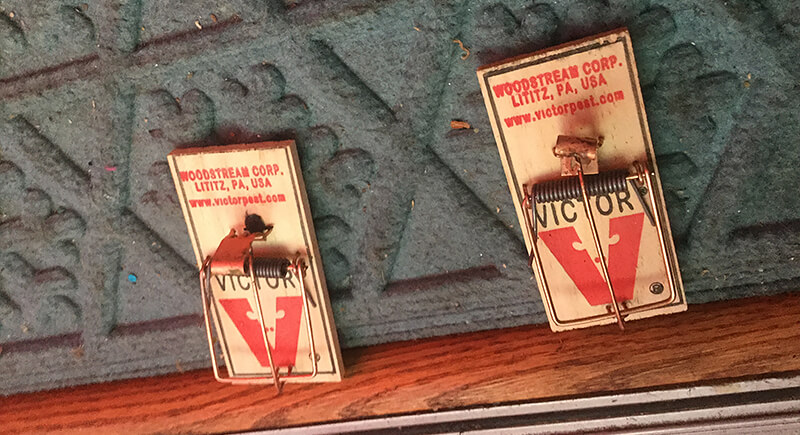
Nobody originally bought mousetraps for decoration. The classic design paired a small wooden base with a metal spring designed solely to catch pests. But over time, collectors noticed the aged wood and simple construction. These days, some folks repurpose vintage traps as tiny candle stands or holders for small notes.
Wire Light Cages
Credit: Wikimedia Commons
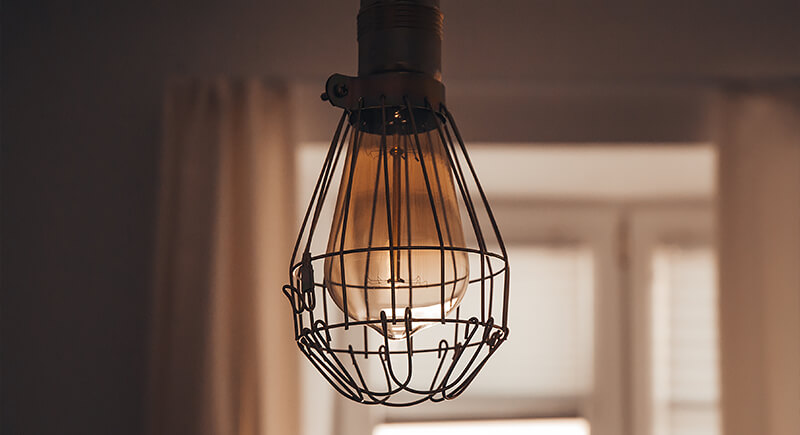
Workshops frequently protected exposed light bulbs with wire cages to prevent accidental damage. The metal frames were practical rather than decorative, built to handle bumps from tools or equipment. When industrial-style interiors gained popularity, designers started reusing those cages as candle holders, where the wire pattern throws interesting shadows.
Vintage Figurines
Credit: Reddit
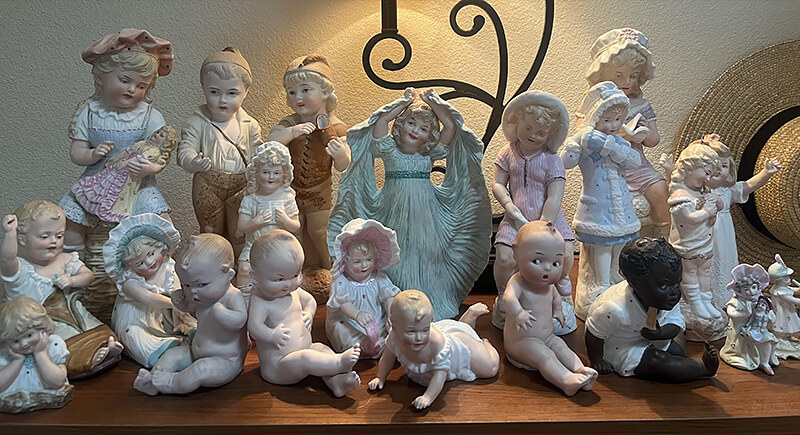
Vintage figurines once filled shelves and glass cabinets in many homes. People collected small porcelain pieces shaped like animals, dancers, or storybook characters, and proudly displayed them on mantels or in neat rows. Minimalist decorating pushed them aside for a while. Recently, though, many vintage lovers have started bringing these little figures back to shelves and display cabinets.