Hello Kitty Was Almost Rejected for Being ‘Too Childish,’ and Now She Runs the World
When Hello Kitty was first proposed in the 1970s, executives at Sanrio worried the character was too simple and too childish to succeed. The design had no mouth, no backstory, and no clear personality traits, all things that typically limited commercial appeal at the time.
Instead of disappearing, Hello Kitty was gradually licensed onto stationery, accessories, and everyday products, where consumers projected their own meaning onto the character. Over the decades, that strategy transformed a nearly rejected design into one of the most recognizable and profitable brands in the world, extending far beyond children’s toys.
The Idea That Made Executives Nervous
Credit: Wikimedia Commons
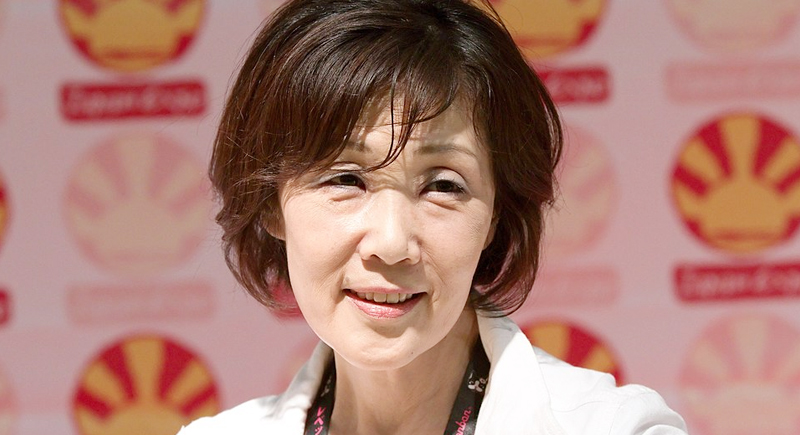
In 1974, illustrator Yuko Shimizu designed a white character while working for Sanrio’s merchandise team. The drawing looked gentle and extremely simple, which caused hesitation inside the company. Executives worried the character was too young for long-term sales.
A Careful First Test
Credit: Instagram
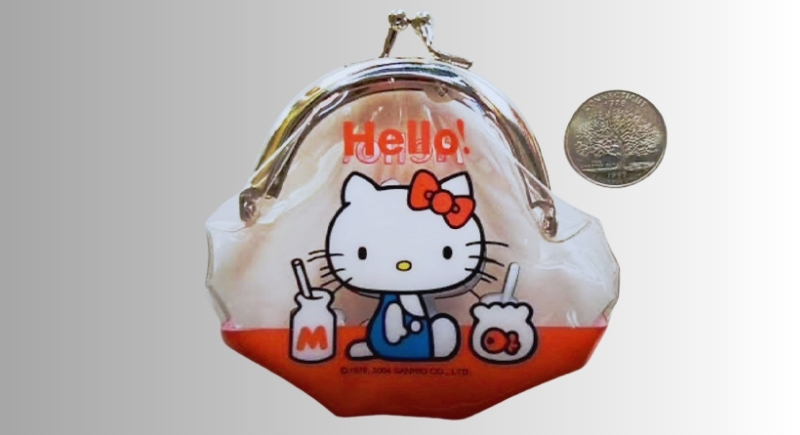
Rather than launching a complete product line, Sanrio approved a single vinyl coin purse in 1974. The item sold out within weeks. The reaction convinced decision-makers to move forward.
Why the Face Stayed Blank
Credit: pexels
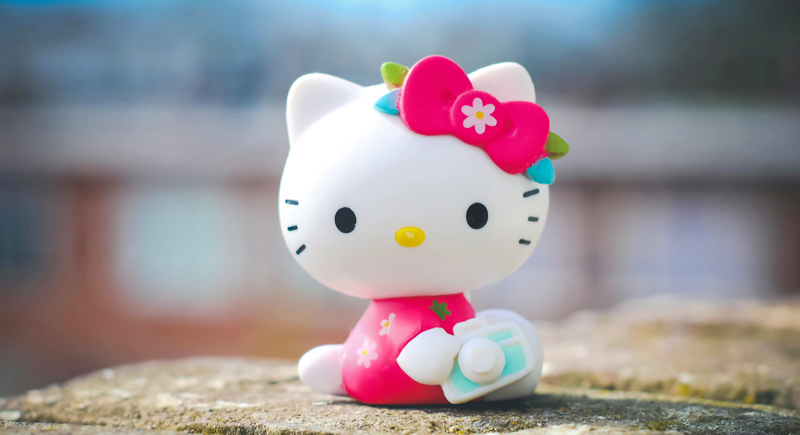
The British anthropomorphized white cat was intentionally designed without a mouth. Sanrio explained that the absence allowed people to decide how she felt in any moment. This choice helped the character work across cultures without relying on language.
Kawaii Before Commerce
Credit: Wikimedia Commons
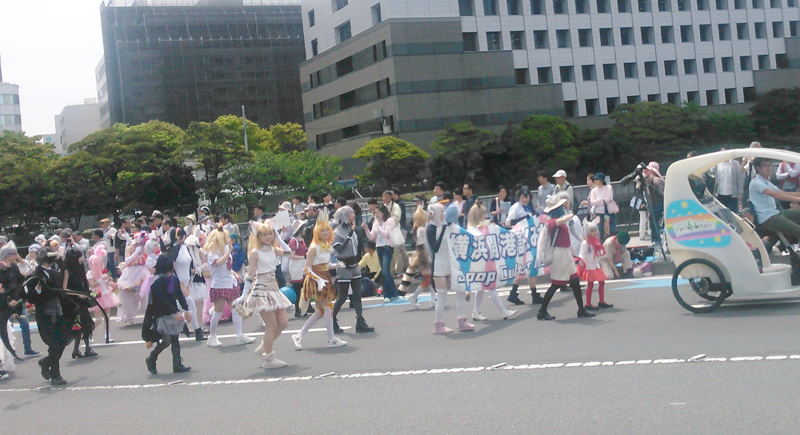
Kawaii culture emerged during the late 1960s, as Japanese students protested. Young people pushed back against rigid expectations by adopting childlike visuals and softer self-expression. Sanrio noticed that this group spent money on items that reflected those values.
A British Identity With Purpose
Credit: Wikimedia Commons
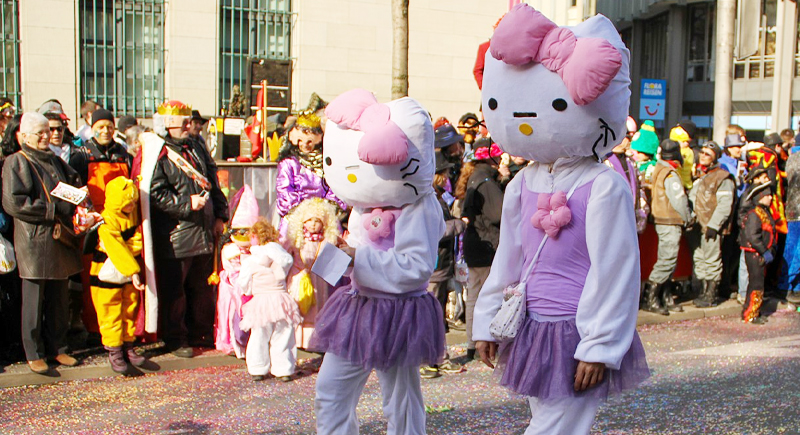
Hello Kitty’s official biography describes her as a schoolgirl living in London. British culture felt aspirational to Japanese consumers during the 1970s. The setting gave the character a gentle foreign identity without heavy storytelling.
Sanrio Changed Direction
Credit: Wikimedia Commons
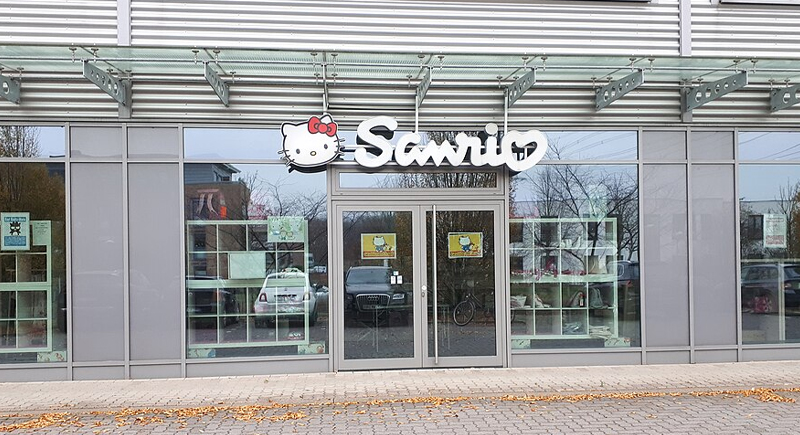
Sanrio was founded in 1960 as the Yamanashi Silk Company, which initially focused on producing small gift items. Founder Shintaro Tsuji noticed that cute designs outsold practical ones. The company shifted toward character-based merchandise shortly after.
Growing Alongside Fans
Credit: Wikimedia Commons
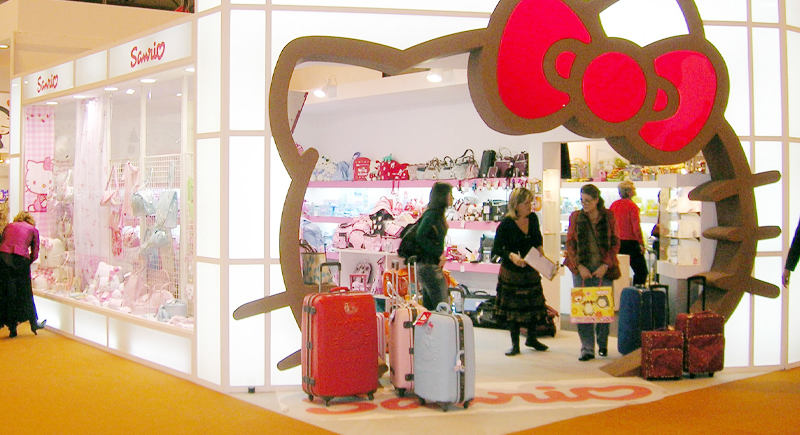
By the 1980s, Hello Kitty appeared on school supplies and casual accessories throughout Japan. Adults continued buying the products long after childhood. This behavior helped normalize cute branding across age groups.
Crossing Into the U.S.
Credit: Instagram
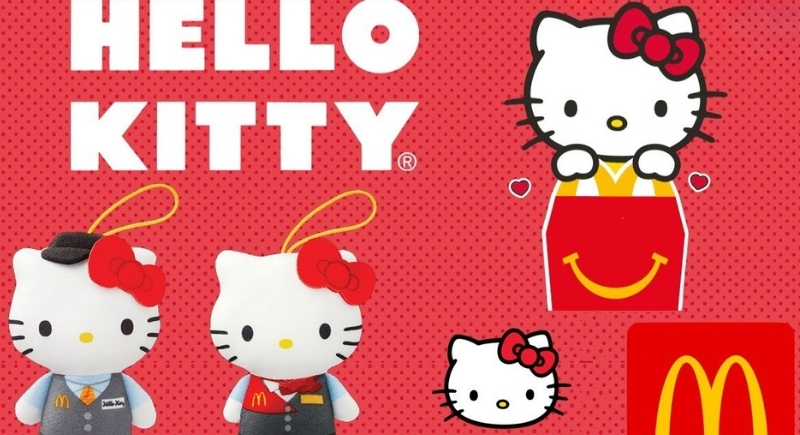
The Japanese company expanded into the United States during the mid-1970s. Hello Kitty appeared in McDonald’s Happy Meals and licensed accessories. UNICEF later named her a children’s ambassador, thereby increasing her global recognition.
Stability During Economic Stress
Credit: Wikimedia Commons
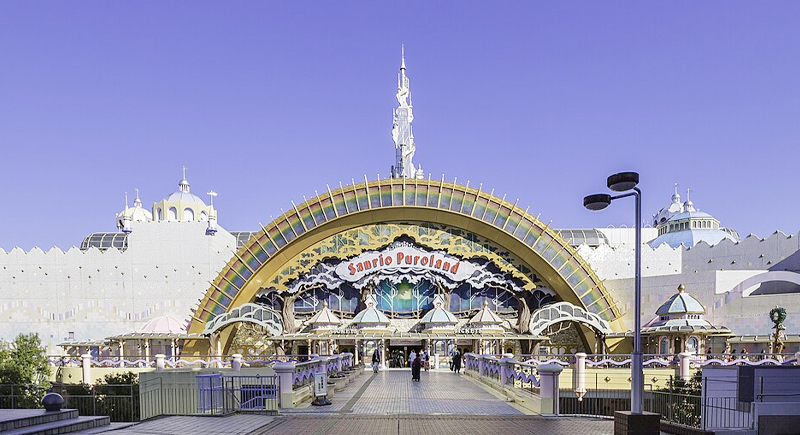
Japan’s economic slowdown in the 1990s had a significant impact on retail sales nationwide. Sanrio limited production but kept Hello Kitty visible through experiences like Sanrio Puroland, which opened in 1990. Nostalgia played a strong role in sustaining interest.
A Brand Beyond Products
Credit: Wikimedia Commons
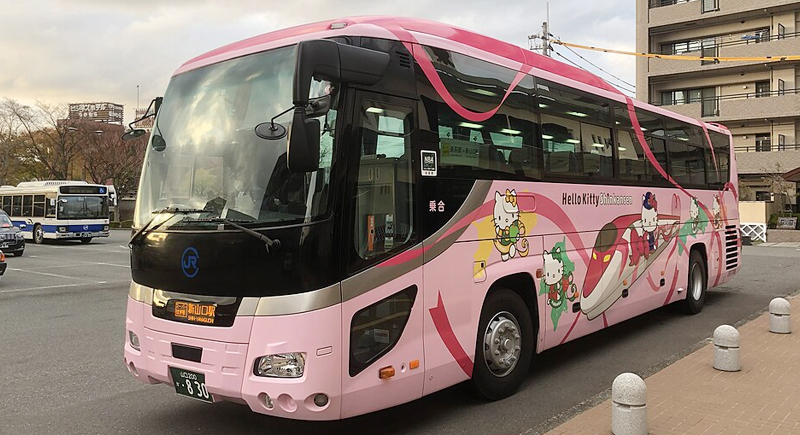
Hello Kitty later appeared on transportation branding and public signage through partnerships. Sanrio theme parks attracted families who sought familiarity over novelty. Lifetime retail sales tied to the character exceed $80 billion.