6 Middle-Class Hacks To Shield Your Finances From the Trump vs. Musk Policy Chaos
Between Donald Trump’s economic swings and Elon Musk’s market disruptions, the middle class is left scrambling to protect their finances. Experts have come up with 17 practical strategies to help keep your money stable, even when the headlines keep changing. These tips, backed by real market data, can guide you through uncertain times and help you hold your ground financially.
Keep Your Emergency Fund Ready To Go

Credit: Getty Images
Danny Ray, from PinnacleQuote, recommends making your emergency fund the first thing you build. Start with at least three months of living expenses and aim for six. That stash keeps you from racking up high-interest credit card debt when policies shift unexpectedly or inflation eats up your paycheck.
Low-Fee Index Funds Offer Stability

Credit: Canva
Index funds don’t react to drama the way individual stocks do. Finance expert Andrew Lokenauth said he has moved 60% of his portfolio to ETFs that track broad market indexes. His gains stayed consistent even through five separate Tesla-related market stumbles. It’s a solid option for anyone looking for less stress.
Switch Crypto To Stablecoins When The Market Jerks

Credit: Canva
If you’re into crypto, don’t just sit on coins that swing wildly. Lokenauth moved part of his crypto into USDC and USDT, which are stablecoins tied to the U.S. dollar. He avoided a 12% hit to his portfolio after one of Trump’s loud crypto regulation speeches last year.
Spread Your Cash Across Different Banks
Credit: Getty Images
Don’t keep all your money in one place. Lokenauth keeps his in a mix of traditional, online, and credit union accounts. That spread saved him during the 2023 regional bank closures. If one bank has issues, your money in the others stays accessible and FDIC-insured up to $250,000.
Put Small Bites Into I Bonds

Credit: Getty Images
I Bonds are a safe way to invest, starting with as little as $25. They adjust with inflation, so your money keeps up with rising costs. You’ll need to hold them for at least a year, and if you sell before five years, you lose three months of interest. But with backing from the U.S. Treasury, they offer stability, especially during unpredictable times.
TIPS Can Grow With Inflation
Credit: Getty Images
Treasury Inflation-Protected Securities adjust their value with inflation and ensure your investment keeps pace with rising prices. They pay interest twice a year and come in five-, 10-, and 30-year terms. If you need to, you can sell them early. TIPS are a solid choice when market volatility, like policy changes or swings in Tesla stock, makes you nervous about your financial stability.
Go Local With Your REITs

Credit: Getty Images
Local real estate investment trusts can offer better protection than national ones. Lokenauth’s Midwest-based REIT grew 8% while tech stocks tanked. The trick is to focus on companies with reliable residential tenants and avoid REITs that rely on unstable sectors, such as office space or speculative retail.
Don’t Overreact To Political Theater

Credit: Getty Images
Lokenauth advises keeping a cool head when headlines explode. Market swings tied to Trump speeches or Musk statements are often temporary. Selling off assets too quickly can lock in losses. Staying focused on long-term goals works better than trying to guess who’ll tweet what next.
Look Into High-Yield Online Savings

Credit: freepik
Online savings accounts usually offer better rates than traditional banks. For example, CIT Bank currently offers a 4.10% APY for balances over $5,000. This can help your savings outpace inflation and grow steadily, all while keeping your money safe from the ups and downs of the stock market.
Avoid Chasing Trends You Don’t Understand

Credit: Getty Images
New investment trends can be tempting, but they often come with high risks. From the latest EV startups to crypto coins mentioned by Musk, many of these trends end up losing steam. It’s smarter to stick with investments you understand and can track, rather than jumping on every new bandwagon.
Refinance Before Interest Rates Jump

Credit: Getty Images
Interest rates can change quickly due to shifting government policies and inflation. If you’re carrying debt, now might be the time to refinance while rates are still stable. Locking in a fixed rate can help protect you from future hikes that could come with economic changes.
Don’t Count On Tax Cuts Lasting

Credit: Getty Images
Trump has floated significant tax policy changes, including the elimination of the income tax. Don’t assume they’ll pass or stay if they do. Financial planners recommend building savings and planning budgets based on current law, rather than relying on campaign promises. That way, you’re not caught short if plans fall through.
Invest Time In Understanding Your 401(k)

Credit: Getty Images
Many people leave their 401(k) accounts on autopilot. That’s risky. Check if your retirement plan is tied too heavily to companies vulnerable to political swings or media-driven volatility. Adjusting allocations even slightly can make a big difference when Musk or Trump hit the headlines.
Find A CPA Who Understands Policy Whiplash

Credit: Canva
Tax codes change fast when government leadership shifts, so it is best to hire a certified public accountant. They can actively track proposed legislation, which can help you plan smarter. These individuals might suggest moves such as adjusting withholding, maximizing deductions, or taking capital gains early, based on what’s coming.
Focus On Consistency Over Speed

Credit: Getty Images
Lokenauth summed it up well: the goal is not explosive growth. It’s about building a financial life that doesn’t depend on what two billionaires decide to say or do. When you spread out your risk and make informed decisions, the chaos has less of a chance to rattle your plans.
Treasury Bills Instead Of Letting Cash Sit Idle
Credit: iStockphoto
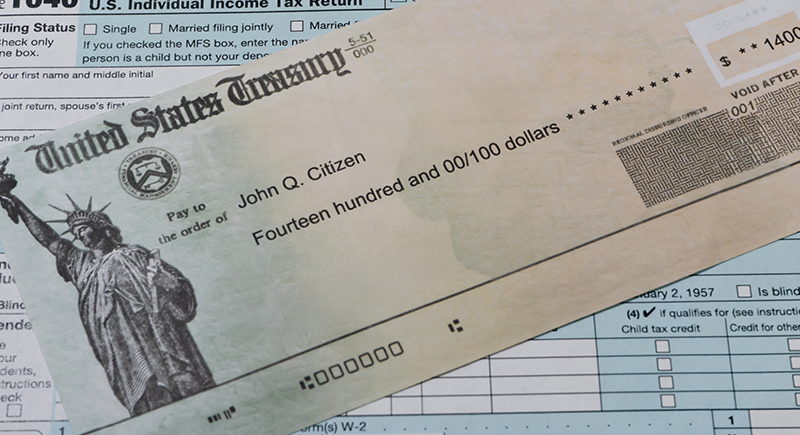
A checking account may pay little or no interest, depending on the bank. Short-term Treasury bills offer another place for cash you will not need right away. You can hold them to maturity and reinvest the proceeds, but returns can still trail inflation after taxes, so they are not risk-free in real terms.
Freeze Your Credit Before Fraud Becomes A Problem

Credit: iStockphoto
A credit freeze makes it harder for lenders to open new accounts in your name because they cannot access your credit file. Place one with Equifax, Experian, and TransUnion for broader protection. A freeze will not stop every type of identity theft, and lifting it can take up to an hour online or by phone.