Grocery Store Products That Are Considered ‘Fake’ Foods
If you walk through a grocery store, you’ll find products that look familiar but don’t always match their labels. For example, olive oil may carry other vegetable oils, and honey sometimes includes added syrups.
These issues aren’t rare mistakes or outdated practices. In fact, multiple studies, food regulators, and consumer investigations have documented widespread substitution, dilution, and misleading labeling across everyday foods. As a result, it affects nutrition, allergy safety, and trust. Knowing which items raise the most concerns helps shoppers make better decisions without turning grocery shopping into detective work.
Spices
Credit: Canva
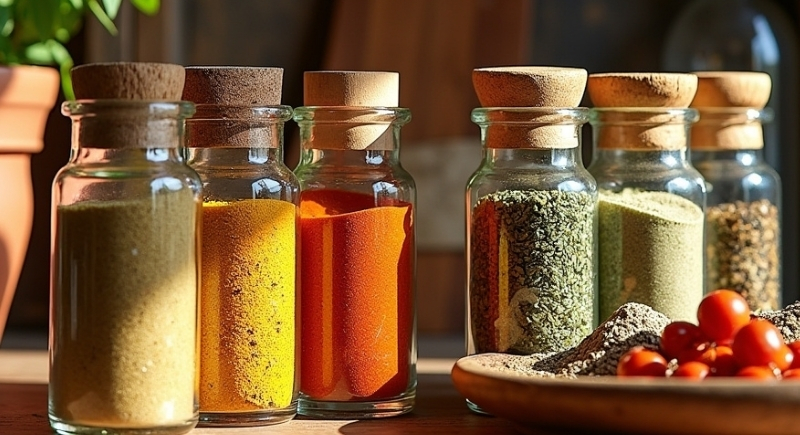
Many spices sold in powdered form consist of more filler than flavor. At some point, papaya seeds, starch, and even dyed plant matter have been found in ground black pepper. Meanwhile, cinnamon sold in the U.S. is usually cassia, which differs in taste and origin from Ceylon cinnamon.
Honey
Credit: Canva
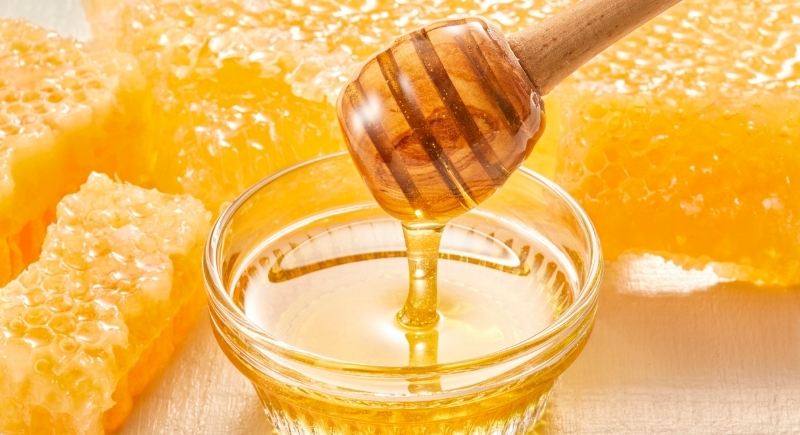
A 2018 global study tested 100 honey samples and found 27% were either adulterated or mislabeled. Added corn syrup, beet sugar, or cane syrup were common substitutions. Some honey foods even misrepresented the floral sources or the country of origin. Look for a “True Source Certified” label, which verifies traceability.
Olive Oil
Credit: Canva
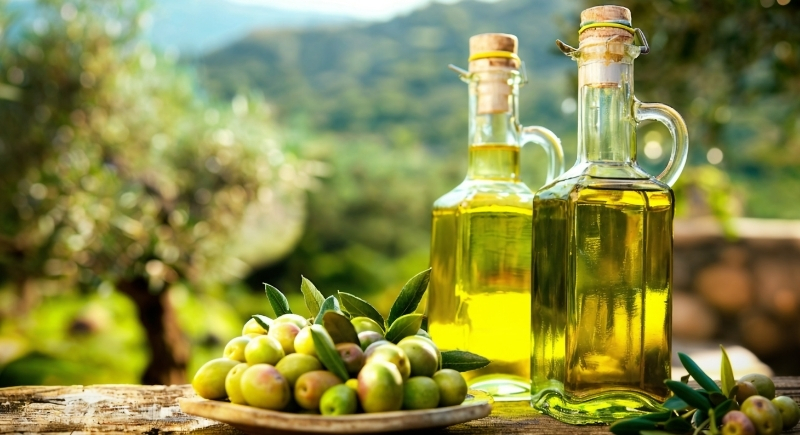
Fraud in the olive oil industry has persisted for decades, particularly in exports to the U.S. Oils labeled as “extra virgin” often fail purity tests and contain sunflower, palm, or soybean oil. Some brands also use the “Product of Italy” label for oil processed elsewhere but briefly routed through an Italian port. Authentic olive oils are certified with PGI or PDO and contain specific regional information.
Fish
Credit: Getty Images
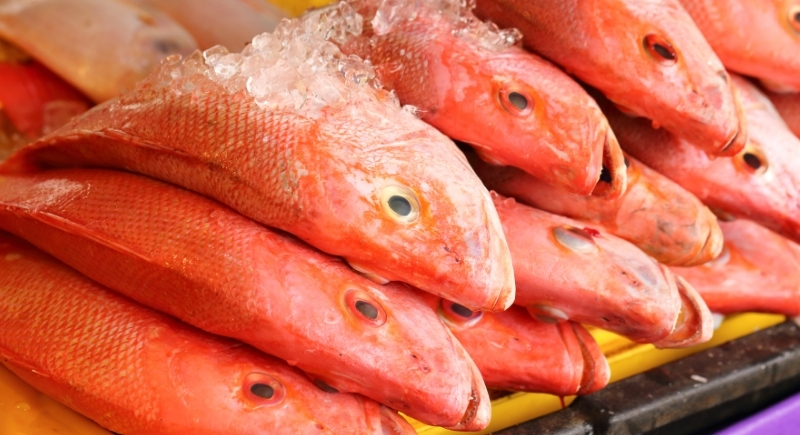
Fish mislabeling is one of the most common food fraud issues in the U.S. Oceana’s research found that 1 in 5 samples was incorrectly labeled. White tuna doesn’t actually exist, since it’s usually escolar, which may cause stomach issues. Red snapper is often misidentified as rockfish or tilefish. These swaps are more complex to detect once the fish is filleted.
Maple Syrup
Credit: Canva
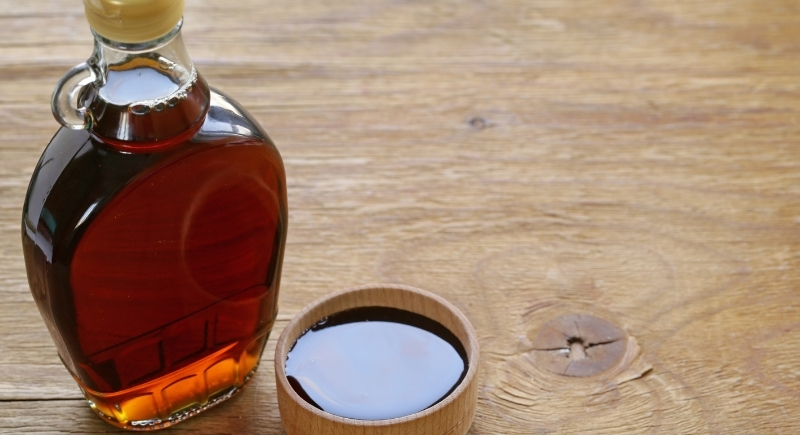
Bottles labeled as syrup on pancake aisles usually contain no real maple syrup. They’re made of high-fructose corn syrup, flavoring agents, and cellulose gum. This imitation item costs less and stores longer, but lacks the depth and trace minerals of genuine maple syrup. Genuine syrup has a thinner texture and a short, readable ingredient list.
Wagyu Beef
Credit: Getty Images
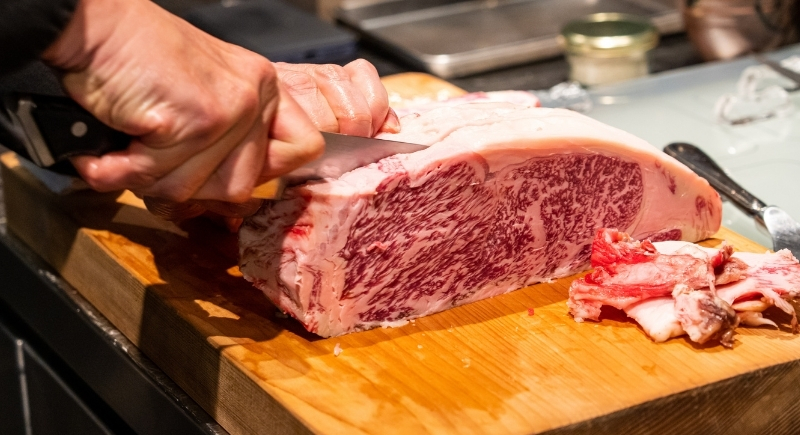
U.S. beef labeled Wagyu typically has only partial Wagyu genetics. Some options use meat from cows that are 50 percent Wagyu or less. A fast food chain’s Wagyu burger was made with just 51 percent Wagyu-blend meat, and the cow was already part Wagyu to begin with. That means the actual content was closer to 25 percent.
Parmesan Cheese
Credit: Getty Images
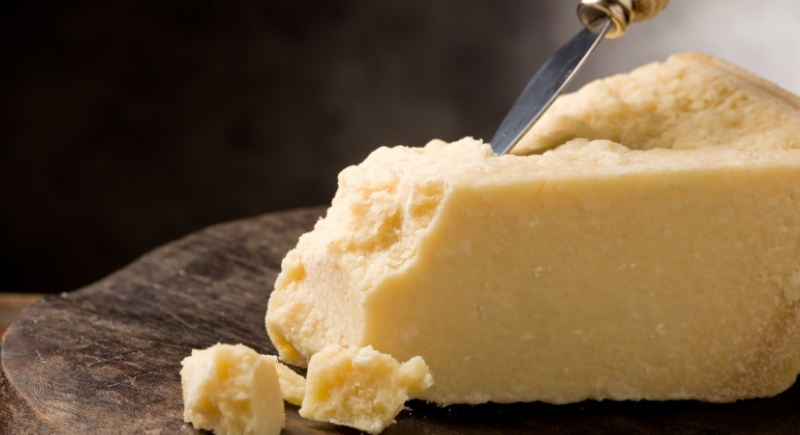
The only cheese that qualifies as true Parmesan is Parmigiano Reggiano, produced under strict standards in Italy. It carries a DOP stamp and has its name pressed into the rind. Various grocery store versions—especially pre-grated ones—use generic hard cheeses with added cellulose or fillers. These alternatives skip traditional aging and may not follow any protected process.
Juice
Credit: Getty Images
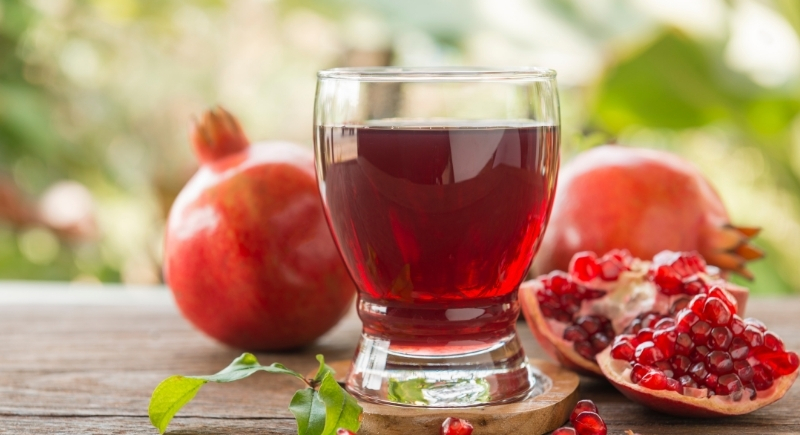
Pomegranate juice and other premium fruit juices are often blended with cheaper options like grape or apple juice. Even when labeled “100% juice,” the version can legally incorporate a mix from different sources. A number of them are also mixed with additives like raisin sweetener or malic acid. Remember, color alone doesn’t confirm what’s inside.
Truffle Oil
Credit: Canva
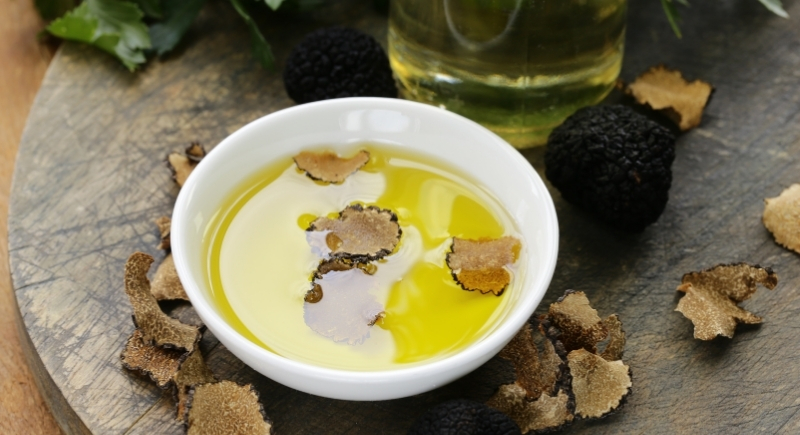
Most truffle oil on shelves contains no actual truffles. The aroma comes from a synthetic compound called 2,4-dithiapentane, which imitates the scent but not the full flavor. Brands use this shortcut to charge high prices without including expensive ingredients. If it smells overly strong or chemically sharp, it’s likely made with artificial additives, not genuine fungi.
Wasabi
Credit: Canva
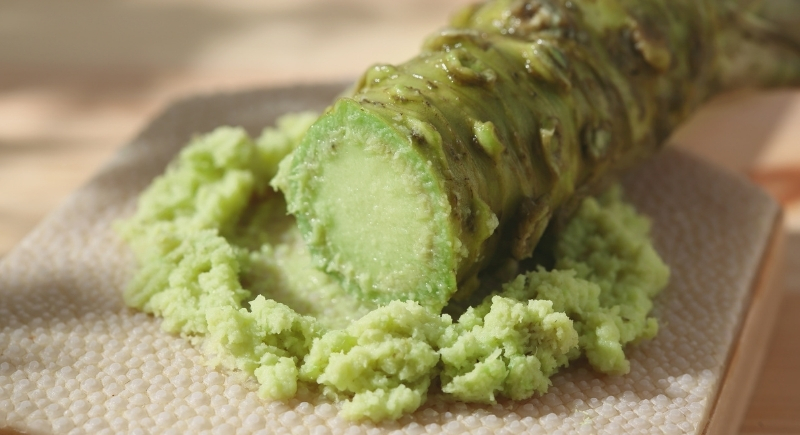
The majority of the wasabi served in the U.S. is not made from the real wasabi plant. Instead, it’s usually a mix of horseradish, mustard powder, starch, and green dye. True wasabi root has a milder, cleaner taste and is typically grated fresh just before serving. Pure versions are rare and expensive due to the plant’s difficulty in growing.