10 Grocery Staples That Will Double in Price by 2026
Grocery prices have been rising for years, but the next increases are being driven by deeper underlying issues. Staples that were once affordable are now being affected by climate damage, disease, trade disruptions, and higher packaging and transportation costs. Analysts say some everyday items could nearly double in price by 2026, not due to panic or hype, but because the systems behind them are under real strain.
Beef
Credit: Getty Images
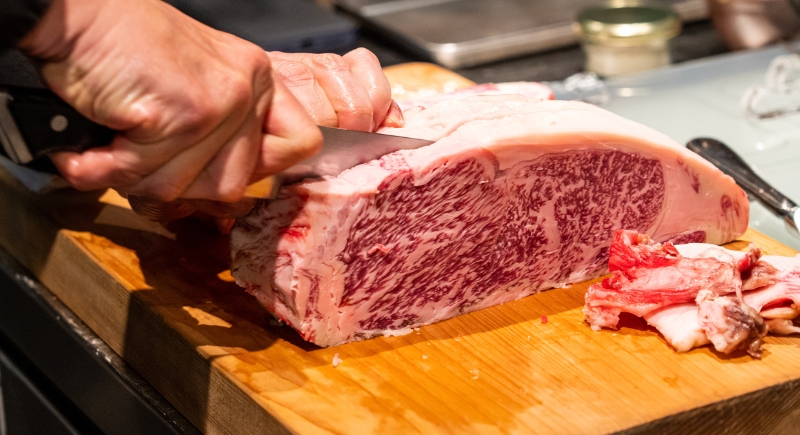
Drought conditions have forced ranchers to reduce their herds, while feed and labor costs have remained high. Researchers expect beef prices to rise another 7% in 2026 alone, which stacks on top of several years of increases. Retail prices tend to lag wholesale spikes, so shoppers usually feel the worst of it later. Beef used to anchor family meals, but it is increasingly treated like a special-occasion purchase.
Eggs
Credit: Getty Images
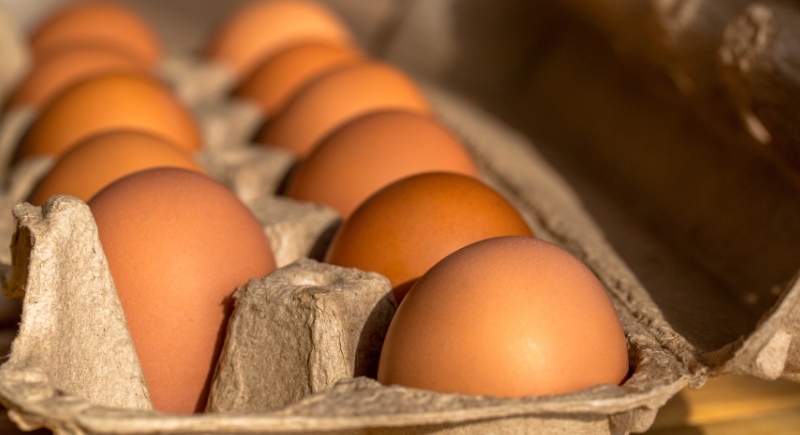
Egg prices never fully came back down after bird flu outbreaks wiped out millions of hens. Production was still down about 4% year over year in recent USDA data, which keeps shelves tighter than they look. Consumer prices already jumped more than 37% in a single year, and supply chains remain fragile. Any new outbreak sends prices higher fast because restocking flocks takes months. Eggs have become one of the clearest examples of how fast food inflation can stick.
Canned Goods
Credit: Canva
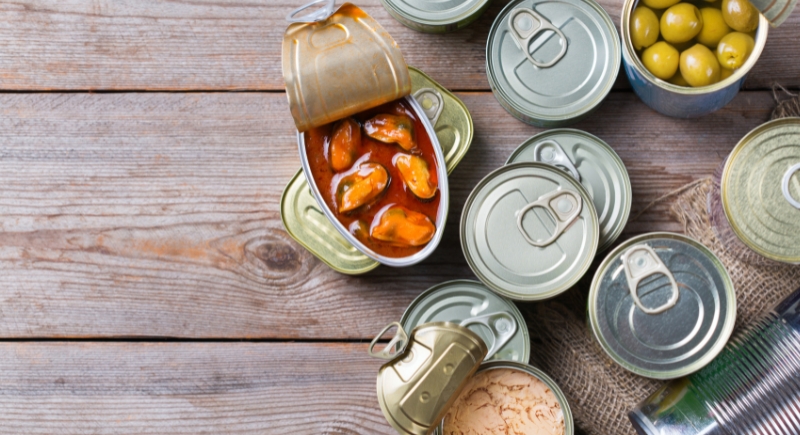
Canned beans, tomatoes, and soups were once dependable low-cost staples, but packaging costs have shifted that. Rising aluminum and steel prices, along with tariffs, have made cans more expensive to produce. Even when ingredients stay affordable, those costs are passed on, pushing once-cheap aisle staples into higher price ranges.
Coffee

Credit: Getty Images
Because the plants themselves are struggling, coffee prices are climbing. Weather disruptions in major producing countries have reduced yields, which pushes up global prices. Import and processing costs have followed the same path. Grocery store coffee prices have risen more quickly than those of most other beverage categories. A daily cup at home is still cheaper than a cup at a café, but the gap is narrowing.
Bread
Credit: pixabay
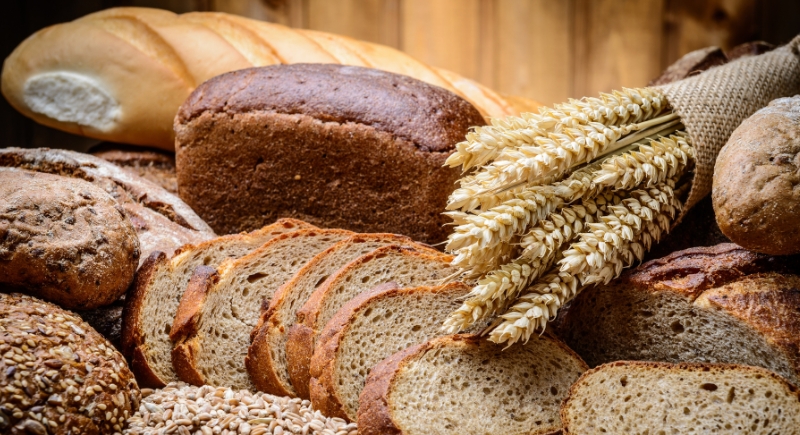
It’s crazy how bread prices can seem calm one week and jump the next, reflecting unstable grain markets. Fuel and fertilizer costs have stayed volatile, raising expenses for farmers and mills. Climate-related disruptions are also affecting wheat harvests in key regions. Bread may not spike overnight, but the slow climb adds up over time. Even basic loaves are no longer immune.
Instant Noodles
Credit: Getty Images
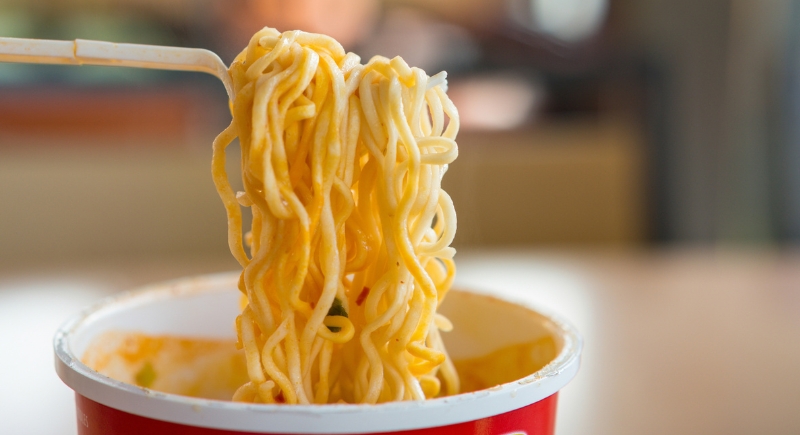
Instant ramen built its reputation for being cheap and filling, especially for students and those on tight budgets. Many noodle cups are imported from China, Vietnam, and South Korea, where rising trade costs are driving up prices. Packaging and shipping now account for a bigger share of the price than the noodles themselves. When a low starting price rises even slightly, the percentage jump feels big at checkout.
Frozen Tilapia and Cod
Credit: Getty Images
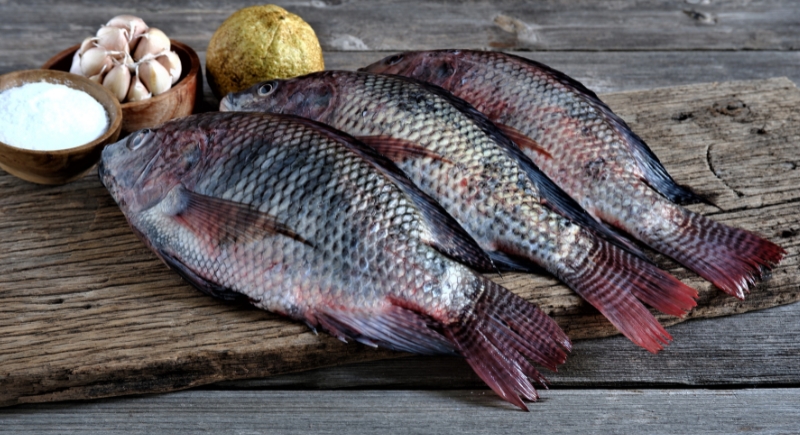
Compared to meat, frozen fish has long been a budget-friendly protein. The U.S. relies heavily on imports for tilapia and cod, much of it from China. New trade restrictions and higher freight costs are tightening margins. These fillets are still affordable by seafood standards, but prices are rising steadily. That affordability edge is fading.
Garlic
Credit: pexels
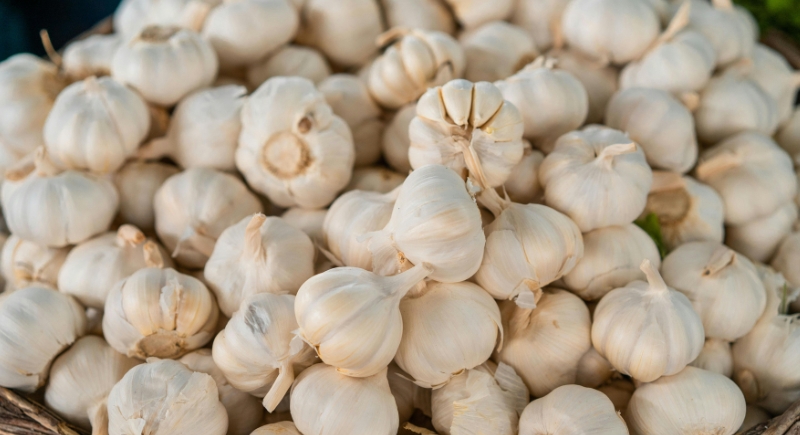
Nearly 75% of the world’s garlic comes from China, which makes it vulnerable to tariffs. California grows garlic, too, though not enough to stabilize national prices. Small price increases add up fast because garlic shows up in so many recipes. A few extra cents per bulb adds up to dollars over a month.
Tea
Credit: Getty Images
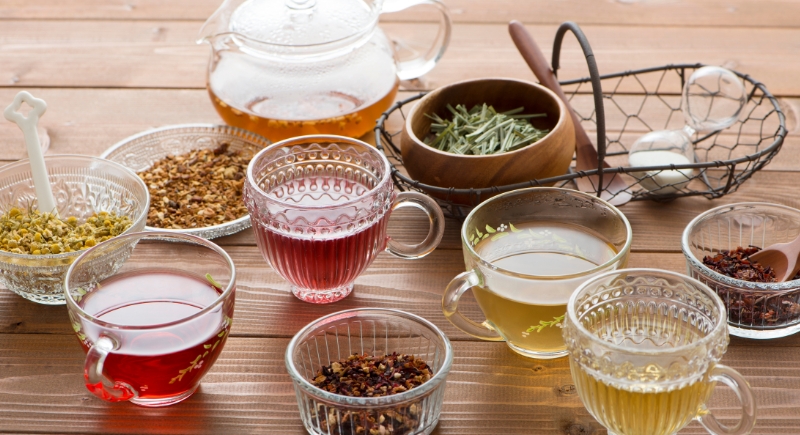
China produces close to half of the world’s tea, including popular green and jasmine varieties. Tariffs and shipping costs are hitting budget tea brands hardest. Many American labels still rely on imported leaves, even when the packaging is domestic. Tea drinkers may notice smaller boxes or higher prices before they notice shortages. Either way, the savings compared to coffee are shrinking.
Pet Treats
Credit: Canva
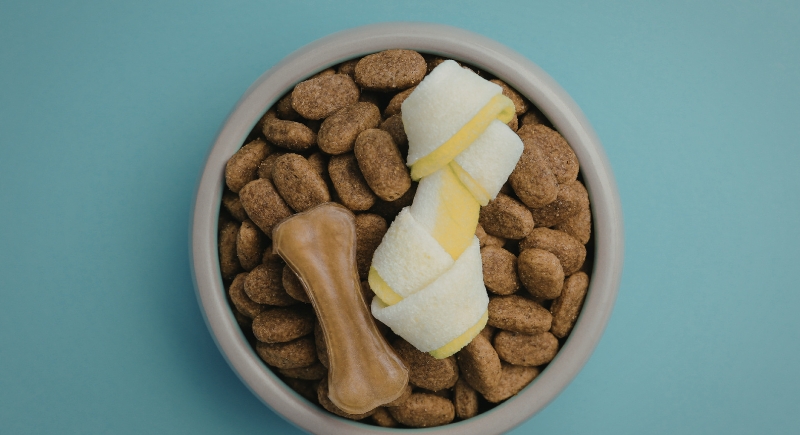
Feeding pets is becoming another line item that surprises at checkout. Pet treats quietly ride the same supply chains as human food. Rawhide chews and packaged snacks often use imported ingredients and overseas packaging. Tariffs on metals and rising costs for meat byproducts have increased production expenses. Retailers are already adjusting prices, and those increases tend to remain in effect.