How a Grocer’s Son Built the Most Powerful Bank in America
Amadeo Giannini grew up working produce stands with his immigrant family and saw how banks shut out everyday people. He built a different kind of bank, one that welcomed farmers, laborers, and newcomers; others ignored.
He trusted people, met them where they were, and kept his doors open in moments when others closed theirs. What began with small savings grew into the largest private bank in the world. His story is less about wealth and more about access.
Started a Bank No One Asked For

Credit: pexels
At 14, Giannini left school to run his stepfather’s produce business. He spent his days alongside dockworkers and field hands. These were the people who couldn’t get loans but kept the city running. In 1904, he opened the Bank of Italy, designed for customers whom the other banks refused to see.
Moved His Money Before the Fire Did
Credit: Wikimedia Commons
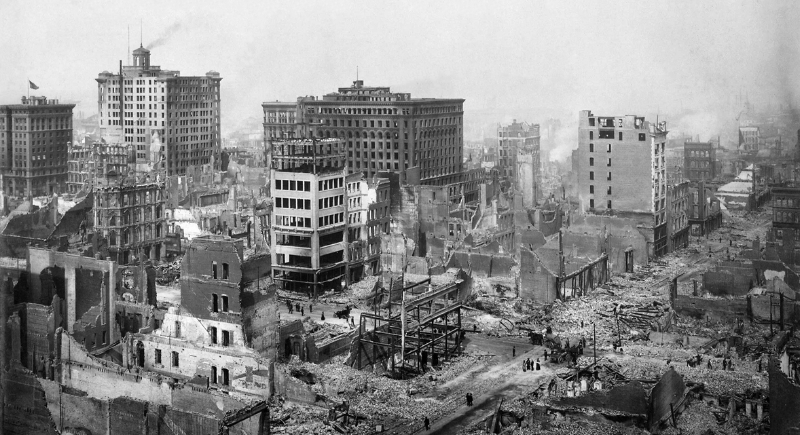
After the 1906 earthquake, much of San Francisco was in ruins. Most bankers waited for the flames to die down before checking their vaults, many of which were scorched shut. Giannini didn’t. He loaded his cash onto a wagon, disguised it with produce, and moved it before the fire could.
Opened for Business on a Plank and Barrels
Credit: pexels
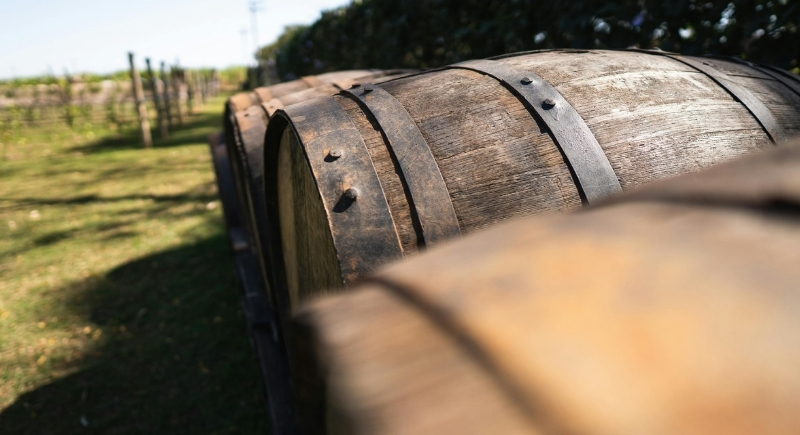
With downtown still smoldering, Giannini returned to lend a hand again. He didn’t wait for a building to be constructed. Using two barrels and a plank, he set up shop right on the street. It only required basic paperwork and notes. But it relied heavily on personal judgment and character. The loans were small, but for those who lost everything, they meant the start of something new.
Tuned Out the Laughter from Downtown
Credit: Getty Images
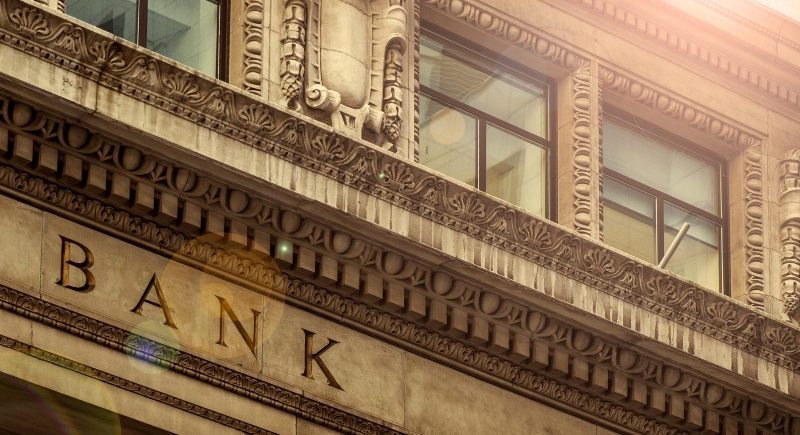
Other bankers saw him as an outsider playing a risky game with unreliable clients. They laughed at the grocer’s son lending to immigrants. However, his customers continued to show up, and his deposits continued to grow. Soon, the larger banks began to watch more closely.
Refused to Fold Under Political Pressure

Credit: Canva
As his bank spread, so did the pushback. Competitors tried to outlaw branch banking. Lawmakers leaned on regulators. Giannini fought back. He showed up at hearings, rallied his customers, and expanded faster than they could block him. By 1927, he had built the largest branch network in the nation.
Rebranded for a Bigger Stage
Credit: Wikimedia Commons
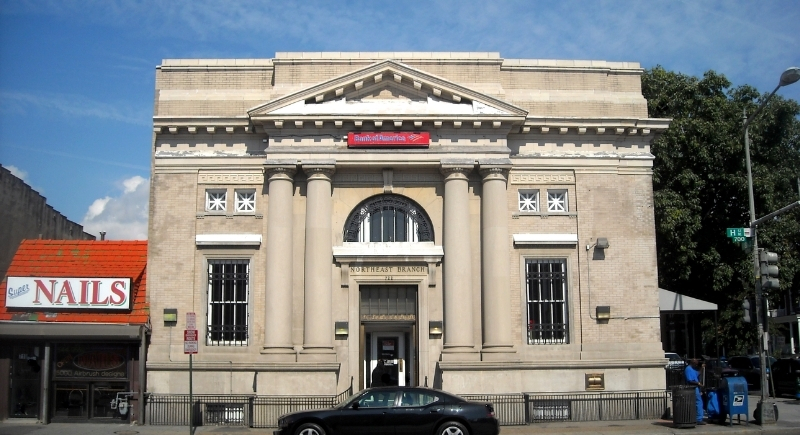
In 1928, Giannini merged with a bank from Los Angeles and decided to keep its name “Bank of America”. He was after real scale. The new name matched his vision, which was a nationwide bank built for everyday people, not just corporate clients or investors.
Watched Wall Street Burn, Then Kept Lending
Credit: Wikimedia Commons
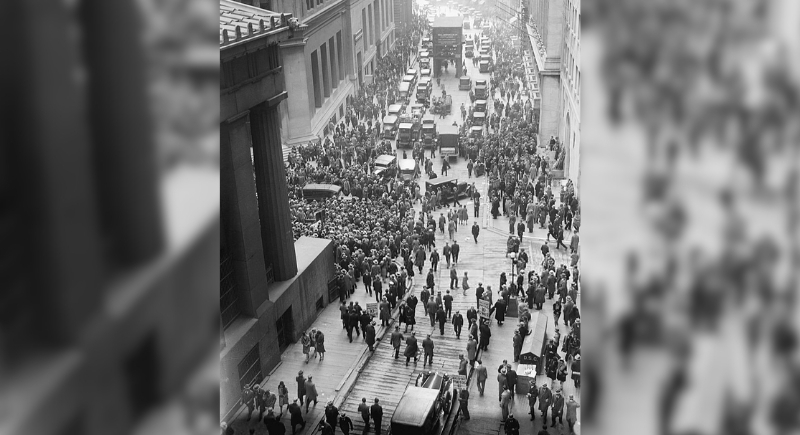
Giannini avoided the speculative frenzy that gripped banks in the 1920s. While others funneled money into stocks, he continued to lend to farms and small businesses. So, when the 1929 crash hit, his clients didn’t vanish. His branches stayed open, and the “risky” approach turned out to be the stable one.
Got Pushed Out, Then Pushed Back In

Credit: Getty Images
In the 1930s, his board thought he’d lost his edge. They called him old-fashioned and eased him out of the way. Giannini didn’t disappear. He pushed back, reclaimed control, and directed the bank toward one of the most ambitious infrastructure loans in U.S. history. It was a project that others wouldn’t touch.
Bankrolled a Bridge and a Cartoon Studio
Credit: pexels
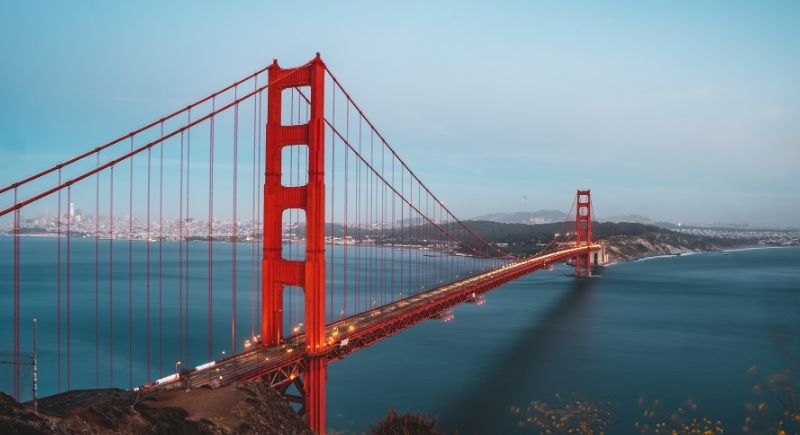
Giannini believed in bets others wouldn’t make. He funded the Golden Gate Bridge when it was considered a financially reckless project. He also loaned money to Walt Disney to finish Snow White, a project studios were ready to scrap. Both gambles paid off with jobs, cultural impact, and permanent proof of his instincts.
Kept the Bank Human Until the End
Credit: Elena Photo
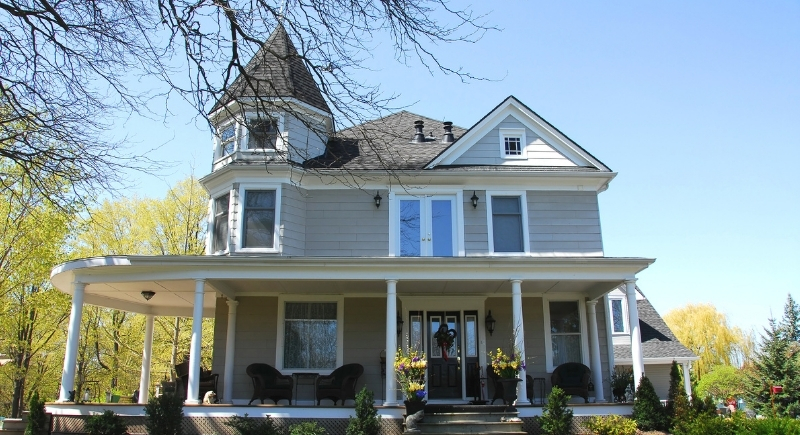
By 1949, Bank of America was the largest private bank in the world. Giannini didn’t buy mansions or retire to yachts. He kept a modest home and came to work into his seventies. He feared the bank would forget who it was built for, and he stayed just long enough to remind it.