10 Best Ways to Get Paid for Your Taste Instead of Your Labor
Most people still think income depends on how many hours you put in. That mindset is everywhere. But not every opportunity works that way. Some paths are built around what you notice, what you prefer, and how well you can express it. Food tasting is one of the clearest examples of that shift.
Brands and audiences both rely on opinions to decide what is worth trying. That constant demand has opened up real opportunities for people who can describe taste clearly and consistently. You do not need a formal job to get started. What matters is paying attention, showing up regularly, and communicating your perspective in a way others can trust.
Food Vlogging as a Paid Skill

Credit: pexels
If you have a significant audience, especially one that trusts your judgment, food vlogging can become a reliable source of income. You visit restaurants, record your reactions, and explain them in clear language. Platforms reward effort, so irregular posting slows growth quickly. The content itself becomes a portfolio that attracts paid collaborations and long-term opportunities.
Live Streaming Food Content
Credit: Canva
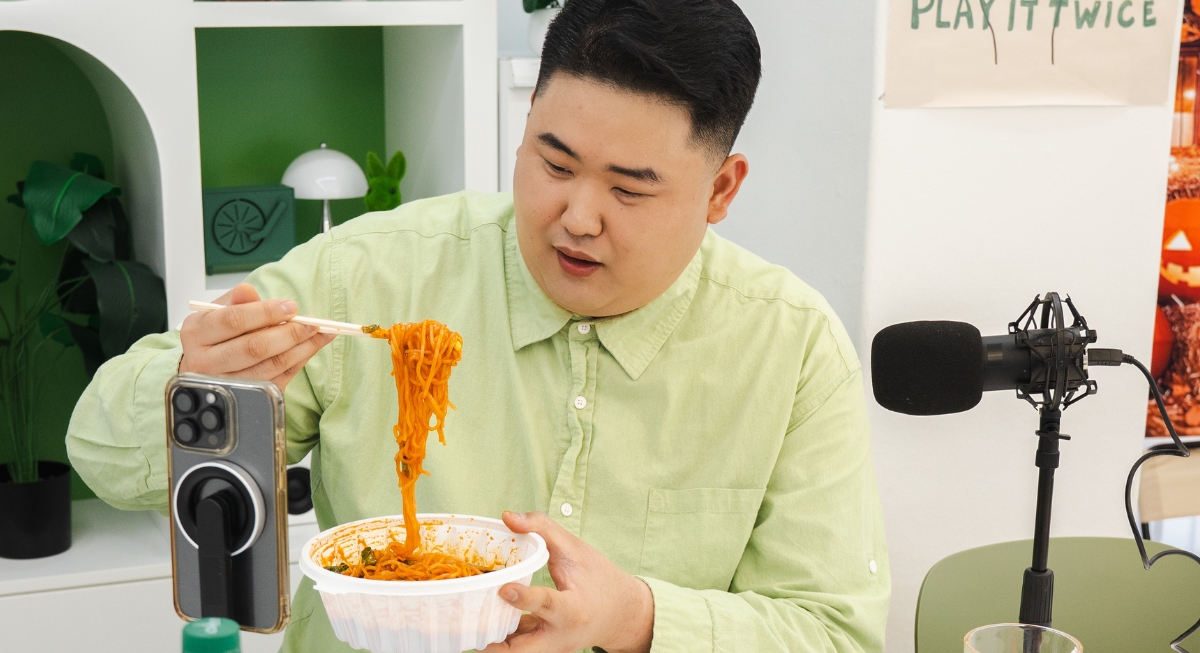
Similar to food vlogging, live streaming builds pay through sharing eating experiences. However, it happens in real time with direct audience interaction. Creators eat on camera and talk through their time as viewers respond instantly. This interaction keeps audiences engaged for longer periods. Income comes through ads, donations, and sponsorships.
Professional Food and Beverage Tasting Roles

Credit: Canva
These roles grew with large-scale food production, where companies needed reliable ways to maintain quality. Tasters assess flavor, aroma, and texture using sensory techniques like blind tasting, profiling, and structured scoring systems. They often compare samples side by side to catch subtle differences. Most work within set scales to rate elements such as sweetness, bitterness, and consistency.
Working Directly with Food Manufacturers

Credit: pexels
It is common practice for companies to test products before releasing them to the public. In such cases, you attend scheduled sessions, taste samples, and complete detailed feedback forms. This data is used to refine recipes and adjust ingredients. Payment usually comes per session, which makes it flexible.
Joining Sensory Testing Panels

Credit: Getty Images
Much like research groups that are focused on data collection, sensory testing panels focus entirely on food perception. Participants sign up, complete profiles, and receive study invitations based on matching criteria. Each session involves tasting and rating products using specific guidelines. Studies may last only a short time yet still provide compensation.
Mystery Dining for Paid Reviews

Credit: pexels
For those who like a little bit of mystery, these programs are a great way to evaluate restaurants without being recognized. You will be asked to follow specific instructions during visits and later submit detailed reports. These reports cover service speed, staff behavior, and food quality. Businesses rely on this information to monitor performance and maintain standards.
Competitive Eating and Food Challenges

Credit: Wikimedia Commons
Though it started as simple entertainment, competitive eating has developed into organized competitions with prize pools. A couple of eateries host challenges from time to time to attract attention and boost customer traffic. People who are interested train their capacity and pacing to improve performance beforehand.
Freelance Food Styling and Photography

Credit: Canva
You can reach out to local restaurants or food brands and offer to improve how their meals appear in photos. This path focuses on presentation, where you arrange dishes, control lighting, and capture images that match a brand’s identity. Good visuals influence what people choose to order.
Food Criticism and Editorial Writing

Credit: Getty Images
Another way to turn taste into financial return is through food criticism, where direct writing carries as much weight as your opinion. Critics describe flavor, presentation, and service to build readers’ trust. Many work with publications, while others build independent networks. But no matter which method you adopt, keep in mind that editors look for in-depth observations instead of vague impressions.
Combining Online Tasks with Foodie Gigs

Credit: Getty Images
Some platforms offer small online earning opportunities that can be directed toward food-related experiences. These usually involve quick tasks, such as surveys or simple games, that yield modest payouts. You can use that income to fund taste testing or dining outings. It helps support your interest in food while building a small, flexible stream of income.