10 Wild Ways Gen Z Is Bringing 90s Mall Culture Back Into Style
Shopping malls spent years losing foot traffic to online retail, and for a while, it looked like they’d never recover. But Gen Z is changing that in a pretty interesting way. Instead of shopping with a purpose, younger people are showing up for the social experience, and malls are adapting to meet them there. Food halls, beauty pop-ups, lounge areas, and TikTok-friendly stores are now drawing crowds of young people who grew up during lockdowns and are genuinely looking for places to spend time offline with others.
The Return Of Trying Clothes On In Person
Credit: pexels
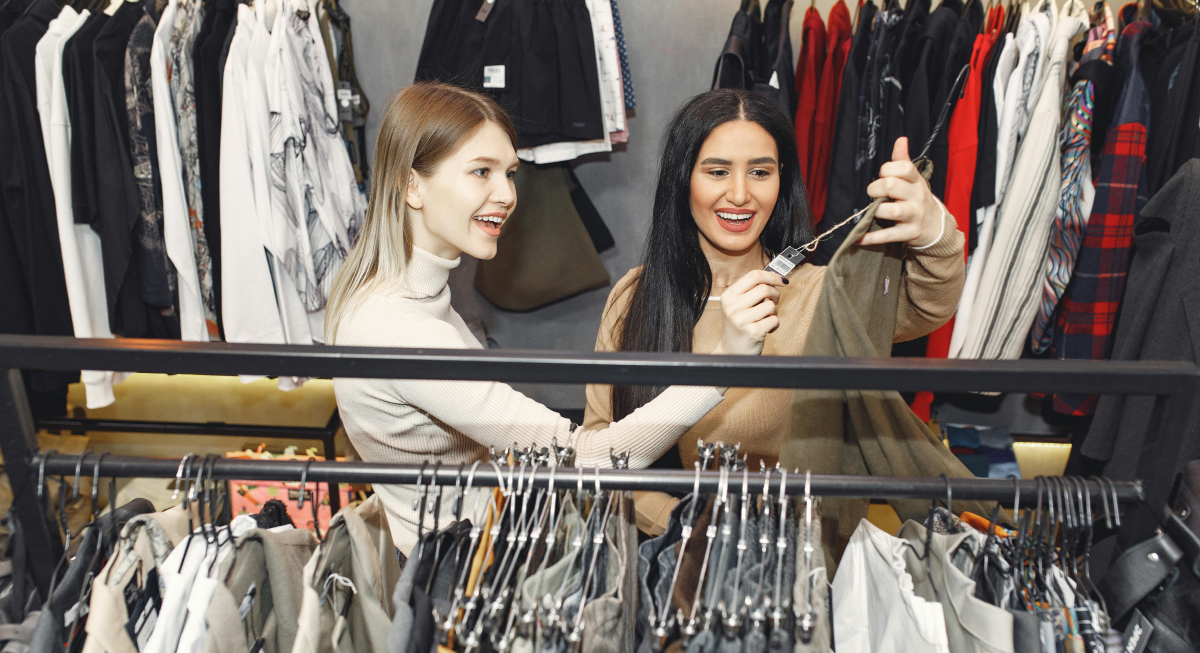
Fast fashion websites made online shopping feel efficient for years, though return rates became a headache for retailers and customers alike. Gen Z shoppers have started leaning back toward fitting rooms because sizing varies widely across brands. Trying things on with friends also turned shopping into a group activity again.
Mall Food Courts Are Social Hotspots Again
Credit: pexels
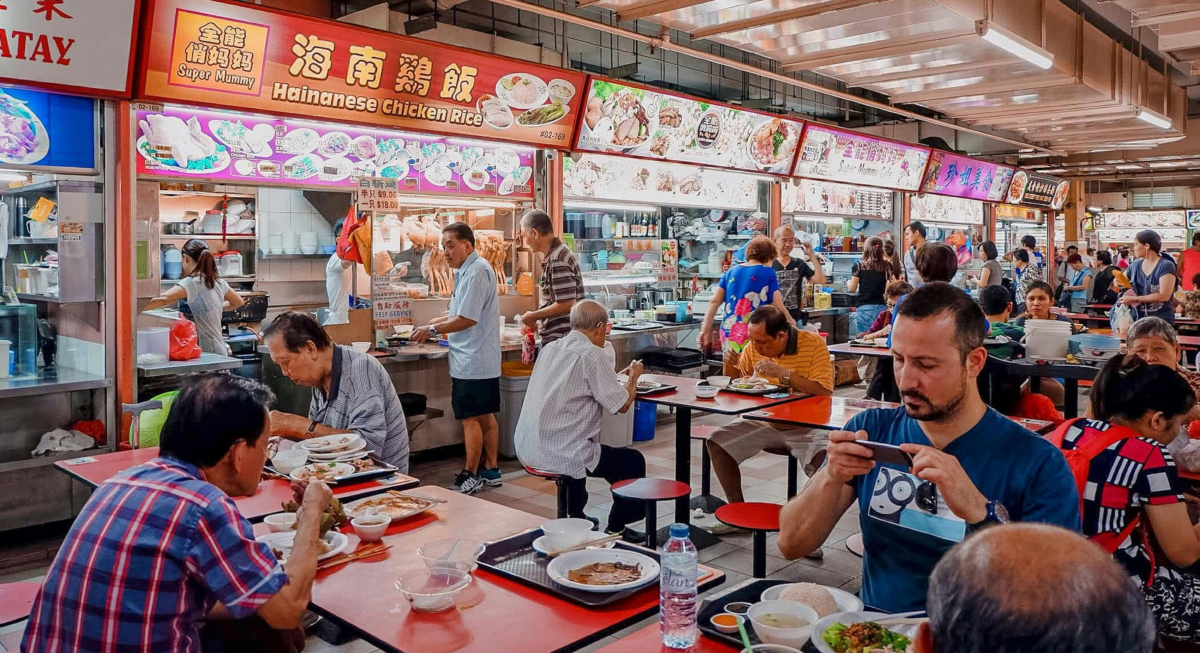
Gen Z revived it by treating casual meals like social events. Bubble tea shops and Korean corn dog stands now attract lines that stretch into walkways. Plenty of teens arrive without shopping bags. Mall owners noticed that trend and started adding more seating areas because younger visitors often stay for hours after grabbing snacks.
Vintage Mall Brands Suddenly Feel Cool Again
Credit: pexels
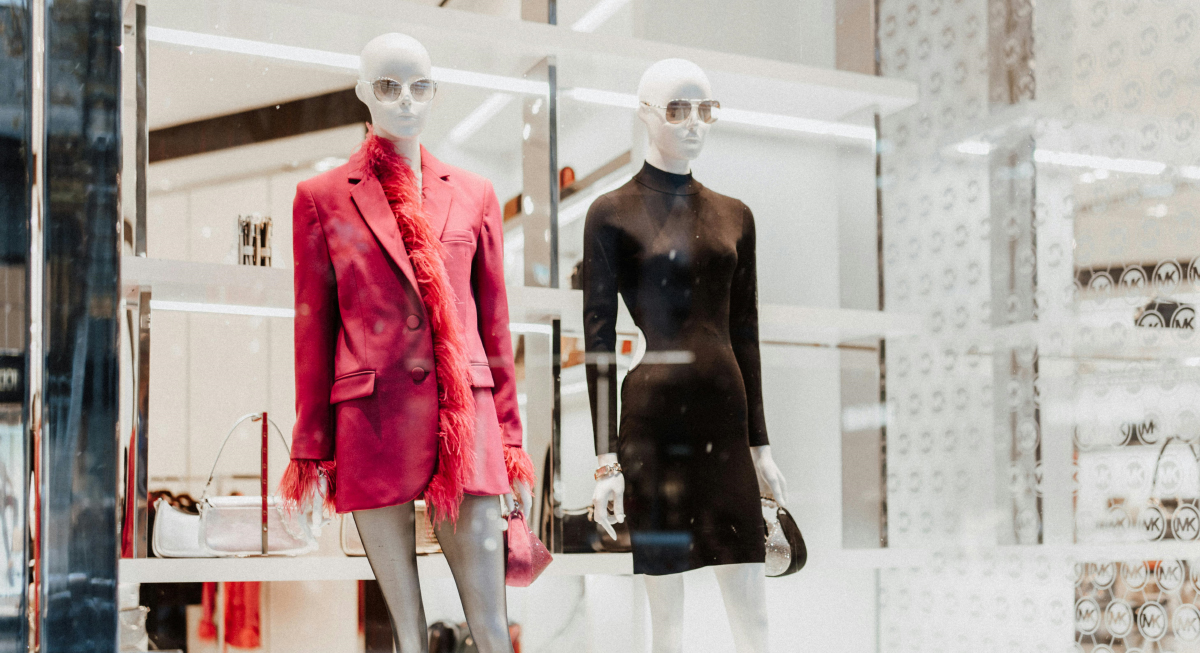
Brands like Gap, Victoria’s Secret, and Bath & Body Works used to feel a bit stuck in the past. For years, they were seen as fading mall staples trying to stay relevant. Now that perception has shifted. Gen Z has started bringing these names back into conversation through social media trends and renewed interest in mall shopping. What once felt outdated is now getting a second look, especially from younger shoppers who did not grow up watching these brands peak and decline as older generations did.
Teen Hangouts Are Moving Back Indoors
Credit: pexels
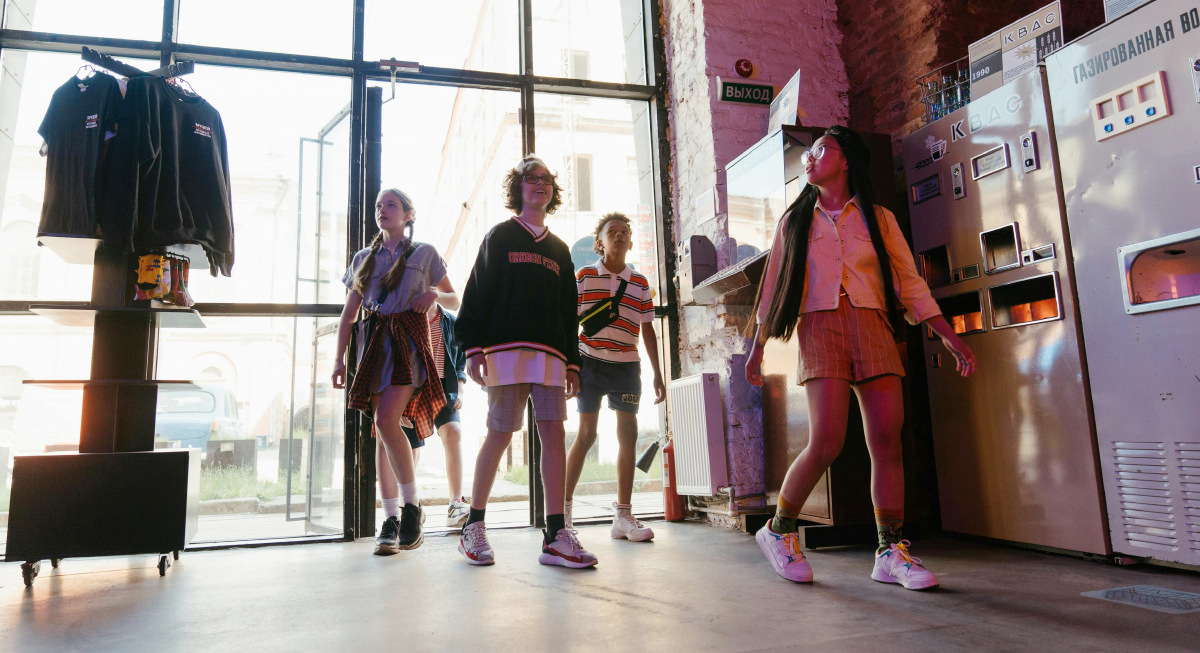
Parents spent decades complaining about teens wandering malls after school. That old stereotype resurfaced as Gen Z began searching for public places to spend time together. Parks, movie theaters, and local hangouts became harder to access during the pandemic years, and indoor malls filled that gap again.
TikTok Turned Mall Shopping Into Content
Credit: iStockphoto
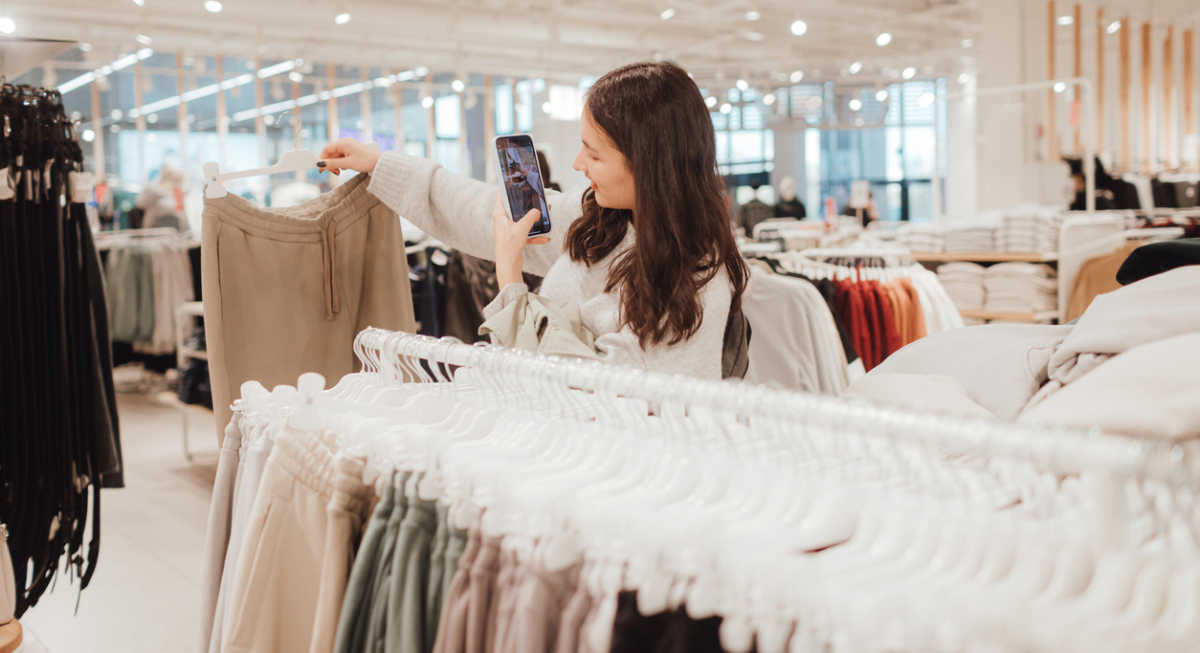
Dressing room mirrors, beauty counters, and dessert shops regularly appear in Instagram posts. Retailers adjusted quickly after noticing that younger shoppers film large parts of their visits. Several malls redesigned interiors with photo-friendly details because viral posts often attract more visitors than traditional advertising campaigns.
Limited Drops Created A New Reason To Visit Stores
Credit: iStockphoto
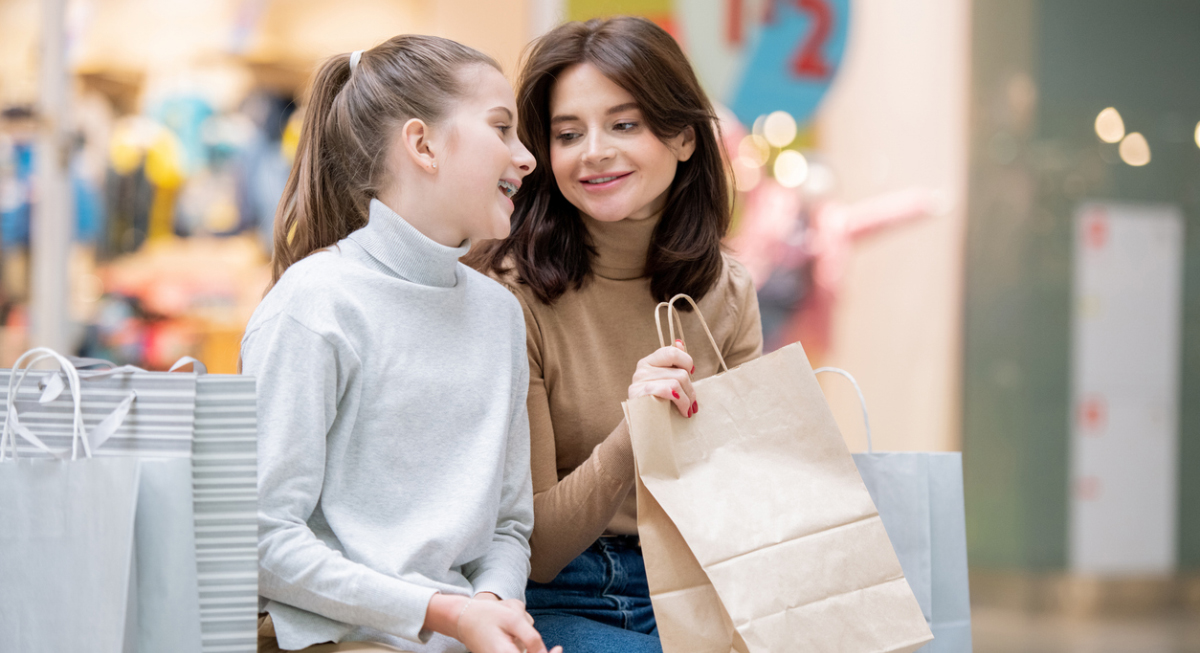
Gen Z reacted strongly to limited-edition product drops that reward in-person attendance. Makeup collaborations and celebrity collections often create long lines outside mall stores again. Gap’s viral campaign with girl group Katseye pulled major attention online before shoppers headed into stores to see the collections themselves.
Mall Walking Stopped Feeling Embarrassing
Credit: pexels
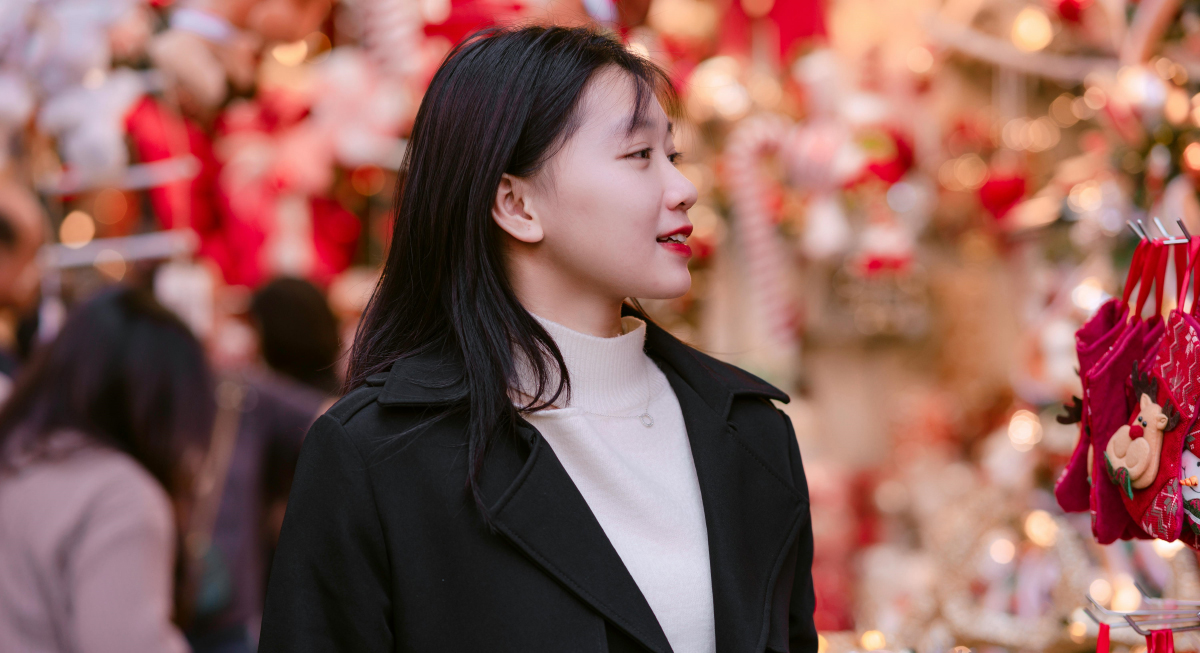
Earlier generations often joked about wandering malls with nothing to buy. Gen Z normalized that behavior through casual social habits built around browsing. Many younger shoppers treat malls almost like indoor neighborhoods. They stop for coffee, check out new arrivals, people-watch, and leave without purchasing much.
Beauty Stores Became Gathering Spots
Credit: pexels
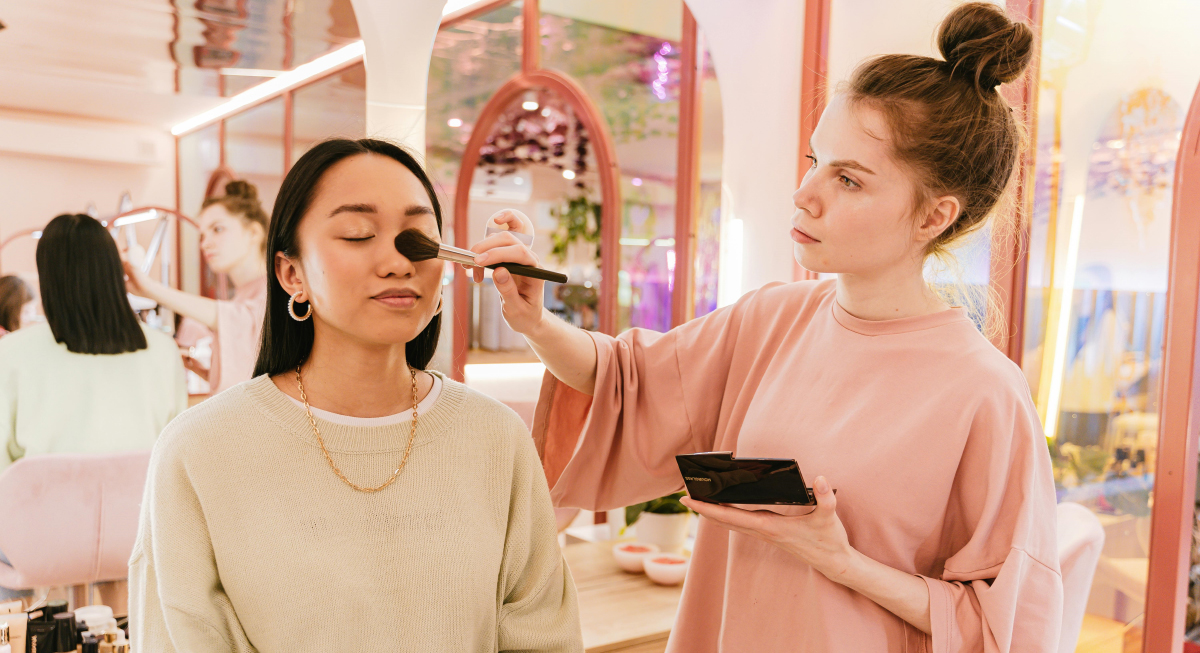
Beauty retailers figured out that Gen Z likes interactive shopping experiences. Stores with skincare consultations and makeup sampling stations now attract groups that spend long stretches experimenting with products together. Younger shoppers often discover trends online first, then head to stores to compare shades and textures in person.
Indoor Activities Started Sharing Space With Retail
Credit: pexels
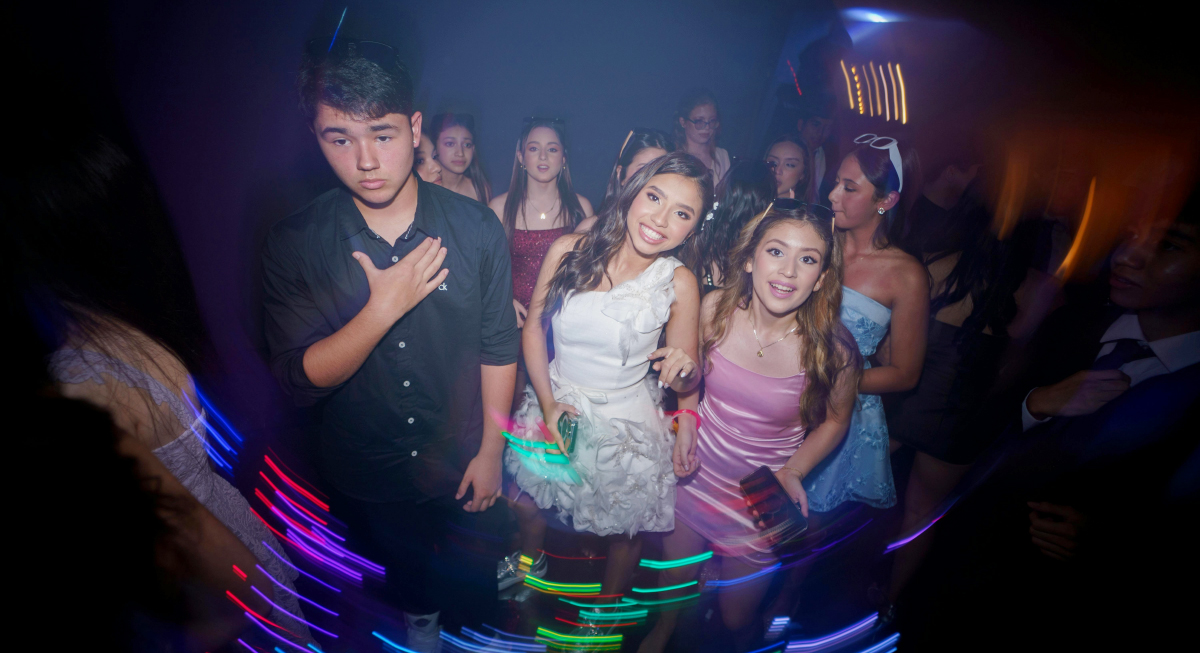
The classic mall formula relied heavily on department stores for foot traffic. That strategy weakened after chains such as Macy’s and JCPenney closed stores across the country. Mall operators responded by bringing in climbing walls, arcades, mini golf courses, and entertainment spaces aimed at younger audiences.
Gen Z Treats Nostalgia Like A Discovery
Credit: pexels
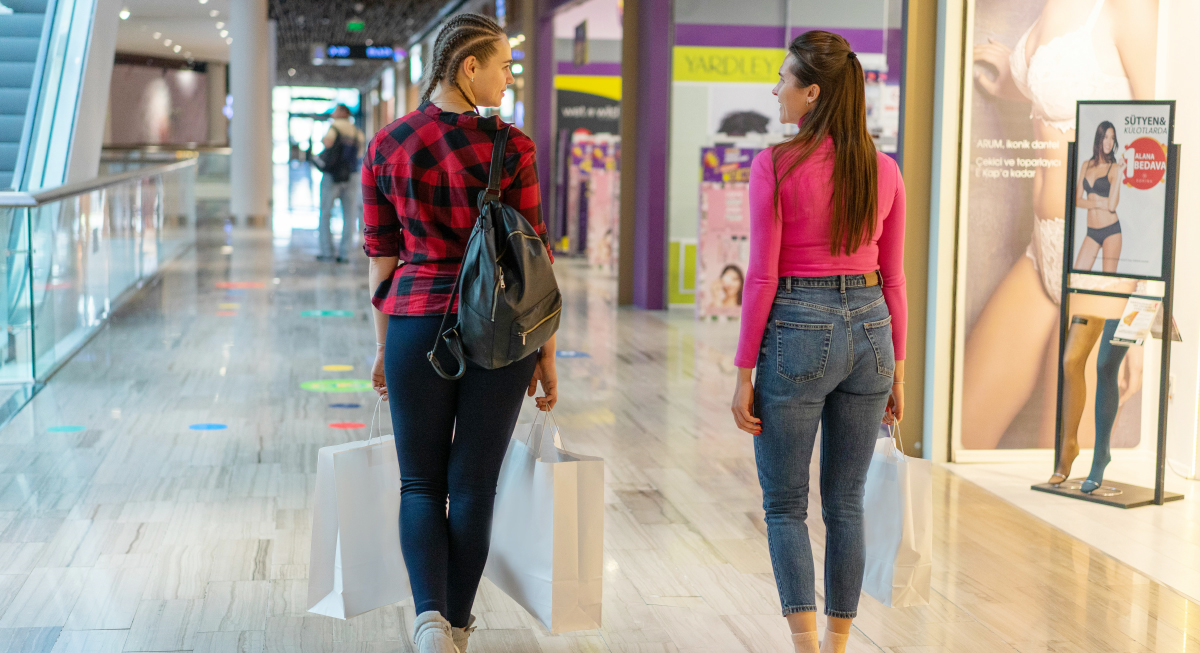
Millennials remember 1990s mall culture firsthand. Gen Z approaches it differently because much of it feels new. That distinction matters. Retail analysts noticed that many trends tied to “mallcore” aesthetics gained momentum through social media before spreading into real shopping behavior. The mall returned partly because Gen Z turned old habits into fresh cultural experiences.