10 Things You Didn’t Know You Could Spend Your FSA Funds On
Money sitting in a flexible spending account can slip away if you do not use it in time. Many plans still follow a use-it-or-lose-it rule, which means that leftover funds may be forfeited at the end of the year. The upside is that FSA money covers far more than prescriptions and routine checkups. From everyday health items to unexpected services, here are ten lesser-known purchases that often qualify for tax deductions.
Acne Products With Active Ingredients That Actually Work

Credit: Canva
Acne treatments qualify as long as the product contains FDA-recognized active ingredients, such as benzoyl peroxide or salicylic acid. Brands like Neutrogena, Proactiv, and La Roche-Posay make the cut, and you can buy them with FSA funds through places like Amazon’s FSA Store.
Sunscreen, But Only If It Meets This Requirement

Credit: Canva
You can’t grab just any sunscreen off the shelf and expect your FSA to cover it. It needs to be broad-spectrum and have an SPF of at least 15. That means yes to Supergoop and Neutrogena SPF 50, but no to tanning oils or anything labeled “for cosmetic use.”
Menstrual Products Now Officially Count

Credit: Getty Images
Pads, tampons, menstrual cups, and period underwear are all eligible for FSA spending, following a 2020 rule change under the CARES Act. For years, menstrual care was excluded from coverage. That has now changed, with these items recognized as medical necessities. No prescription or special approval is required.
Guide Dogs (And All That Comes With Them)

Credit: Getty Images
If someone has a qualified medical need for a guide or service animal, that doesn’t just mean the dog itself. Training, food, grooming, and even vet bills are covered under FSA rules. Regular pets are still not covered, though, no matter how emotionally supportive they might be.
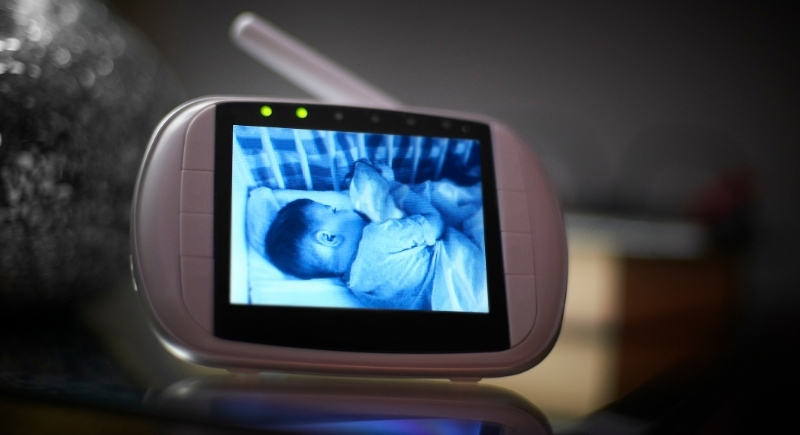
High-Tech Baby Monitors Are Covered
Credit: Getty Images
Standard monitors count, but many parents opt for models with heart rate tracking or oxygen level alerts, such as the Owlet Dream Sock. As long as the product serves a medical purpose and isn’t just for convenience, you can usually expect FSA coverage. You’ll find these in FSA-eligible sections online.
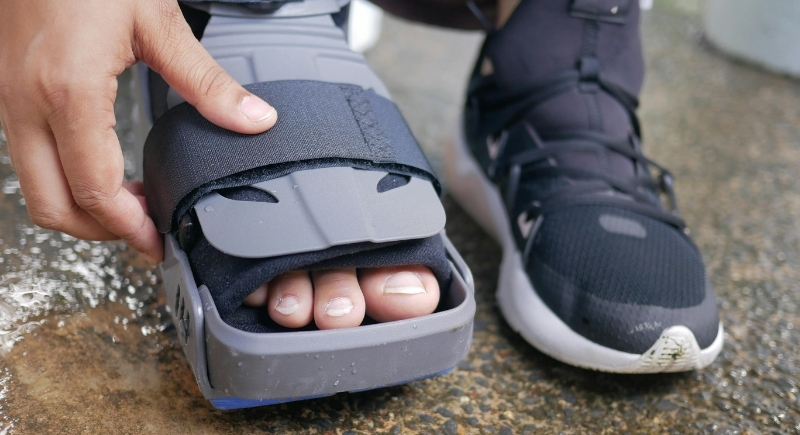
Orthopedic Shoe Inserts And Arch Supports
Credit: pexels
Foot pain has a way of creeping into everyday life, and orthopedic inserts are often part of the fix. FSA funds can be used for arch supports or orthotics when they’re intended to address conditions such as plantar fasciitis or alignment issues.
Home Modifications With A Medical Purpose

Credit: Getty Images
Installing a ramp or widening doorways can qualify for FSA use, but only if a doctor confirms that the modification supports a specific medical need, such as mobility after surgery or due to a chronic condition. These upgrades can also include vehicle modifications, such as wheelchair lifts or hand controls, if medically justified.
Pregnancy And Fertility Supplies Add Up Fast

Credit: pexels
Pregnancy tests, ovulation kits, prenatal vitamins, and even breast pumps are considered FSA-eligible. You can also include fertility monitors and some treatments, depending on the medical context. Many products that people assume are “personal care” are actually listed under qualified medical expenses when related to family planning or maternity care.
DNA Health Kits Are Sometimes Eligible—But Not All

Credit: Getty Images
Standard ancestry tests do not qualify, but DNA kits that include health screening may be covered by FSA funds. Packages like 23andMe’s Health + Ancestry option can identify genetic risk factors and offer insights that help inform medical decisions. Coverage depends on the health component, so it is wise to keep receipts and documentation in case your FSA provider asks for proof.
Medical Travel Costs Beyond Just Gas

Credit: Canva
Traveling to receive medical care can get expensive, and FSA rules allow for more than just mileage. You can count parking fees, tolls, bus fares, and even lodging if the trip qualifies. Meals aren’t always covered, and the trip has to be primarily for medical reasons.