9 Unexpected Realities About The Fresh Start Wealth Explosion Of 2026
2026 feels very different from what many people expected just a year or two ago. Instead of a slow rebuild, money is moving quickly. New ways to earn are opening up, AI is already shaping how people work and invest, and you can see the shift in everything from side incomes to where serious capital is going.
This isn’t just about markets rising. The way money works is changing in real time. How people earn it, where they put it, and how they protect it all look different now. If you want to understand where real wealth is building, it helps to pay attention to those shifts rather than just following headlines.
The Rise of the Agentic Economy
Credit: pexels
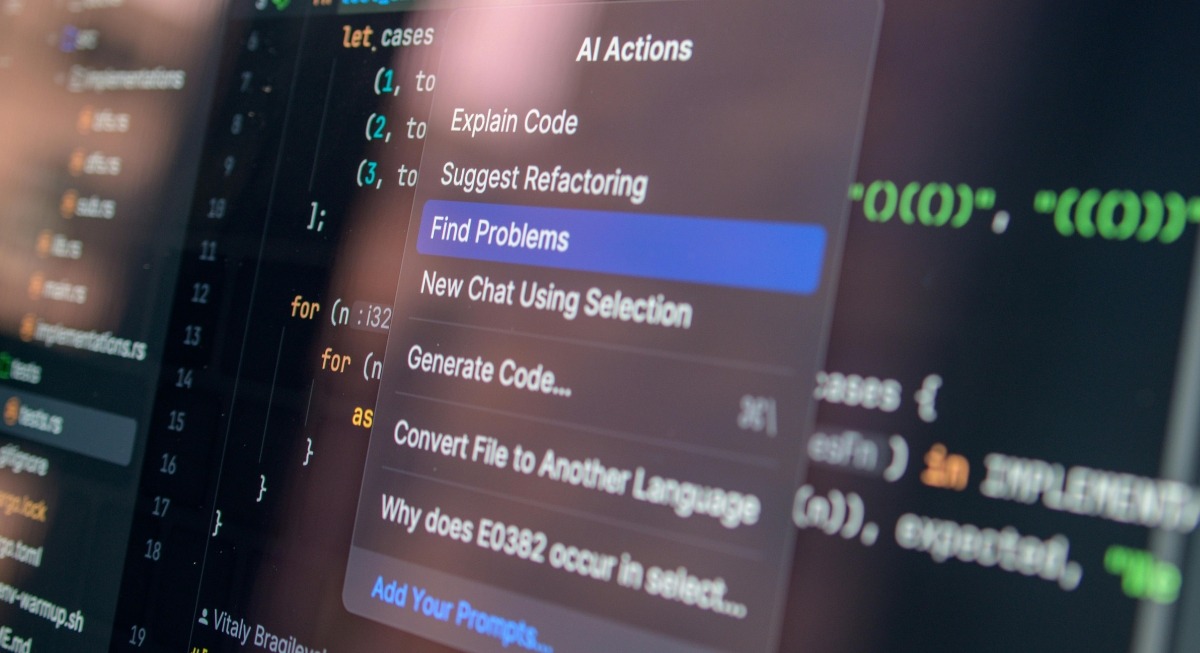
One of the most significant drivers of change is the evolution of AI within financial systems. Banks and institutions are deploying AI systems capable of handling routine trades, onboarding processes, and compliance checks, often functioning as digital co-workers alongside human teams. It’s changing the cost structure of financial operations, improving efficiency, and reducing operational friction. In some cases, this allows margins to expand without a corresponding increase in workforce or infrastructure.
The Gold Anchor in a Virtual World

Credit: Canva
Despite the surge in digital finance, physical assets have reasserted their importance. Gold has climbed to historically elevated levels. Central banks and institutional investors have also increased their holdings. As financial systems become more complex and technology-driven, the appeal of tangible assets outside digital ecosystems has grown.
The Migration Toward Private Credit

Credit: Getty Images
Private credit is changing how lending works. As banks tighten lending, companies are turning to private lenders instead. This has grown into a trillion-dollar market and introduced ways to trade stakes in deals, which adds liquidity to a space that used to lock money in for years. The result is a more flexible alternative to traditional bank financing.
The Divergent Consumer Reality

Credit: Canva
The current wealth cycle is uneven. While certain segments benefit from exposure to financial markets and emerging technologies, broader economic conditions remain mixed. Growth patterns vary across regions and industries, with emerging markets often outpacing advanced economies. Labor markets reflect this complexity. Concerns about automation and AI-driven disruption coexist with ongoing demand for workers in key sectors.
Energy Orchestration as a Value Driver

Credit: Canva
Energy has become a central factor in determining profitability. As digital infrastructure expands, particularly through data-intensive technologies, demand for power continues to rise. Businesses are responding by investing in smarter energy systems that optimize consumption in real time. AI-powered platforms are enabling companies to monitor usage, predict demand, and reduce waste. This evolution is turning energy management into a competitive advantage rather than a background utility.
The Security Supercycle Windfall

Credit: Canva
Global tensions are directing more money into defense and security. Investment is rising in areas like cybersecurity, surveillance, and space systems. Sectors that once received limited attention now see steady funding. Security is treated as a growth area rather than just an expense.
Tokenized Cash and Real-Time Yield

Credit: pexels
Tokenization is changing how cash is used. Instead of sitting idle, funds can generate yield while still remaining available for transactions. New tools allow money to move more easily between traditional financial systems and digital platforms. This makes liquidity more efficient and keeps funds active rather than unused.
The Obsolescence of Generic Advice

Credit: Getty Images
Wealth management is being transformed by data and automation. AI systems are now capable of handling many of the analytical tasks that once defined financial advisory work, from portfolio construction to risk assessment. However, human expertise remains critical. Rather than disappearing, the profession is evolving into a more specialized function focused on interpretation and strategy, guiding clients through complex decisions.
Recovering Value through Digital Twins
Credit: pixabay
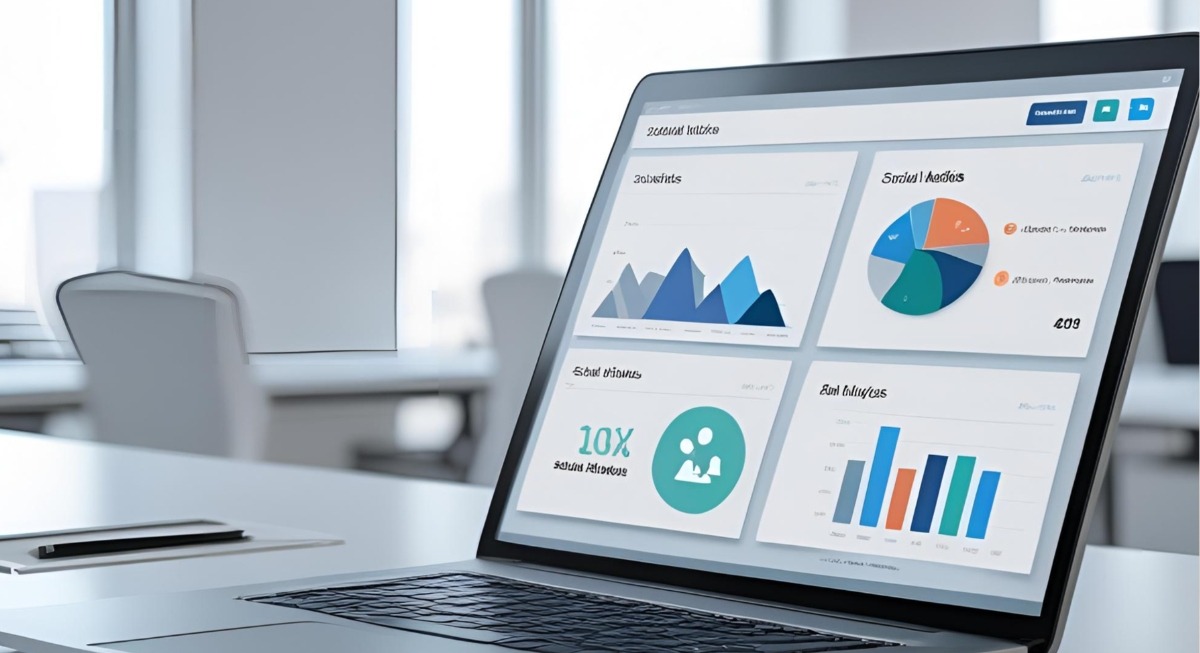
Digital twins are becoming a practical way to improve how systems run. By creating real-time virtual models of physical operations, companies can test scenarios, spot inefficiencies, and make better decisions before changes happen in the real world. This approach is especially useful in areas like manufacturing, logistics, and urban planning, where even small adjustments can affect costs and performance.