10 Secrets the February Pending Home Sales Spike Is Whispering About the 2026 Market
February brought a small shift in the housing market. Pending home sales ticked up 1.8% from January, even though activity stayed slightly below last year. It is not a big jump, but it still matters. These are homes people are committing to now, and many of those deals will close in the next month or two. That makes this an increasingly useful read on where the market is moving.
A Quiet Rebound Is Taking Shape
Credit: Canva
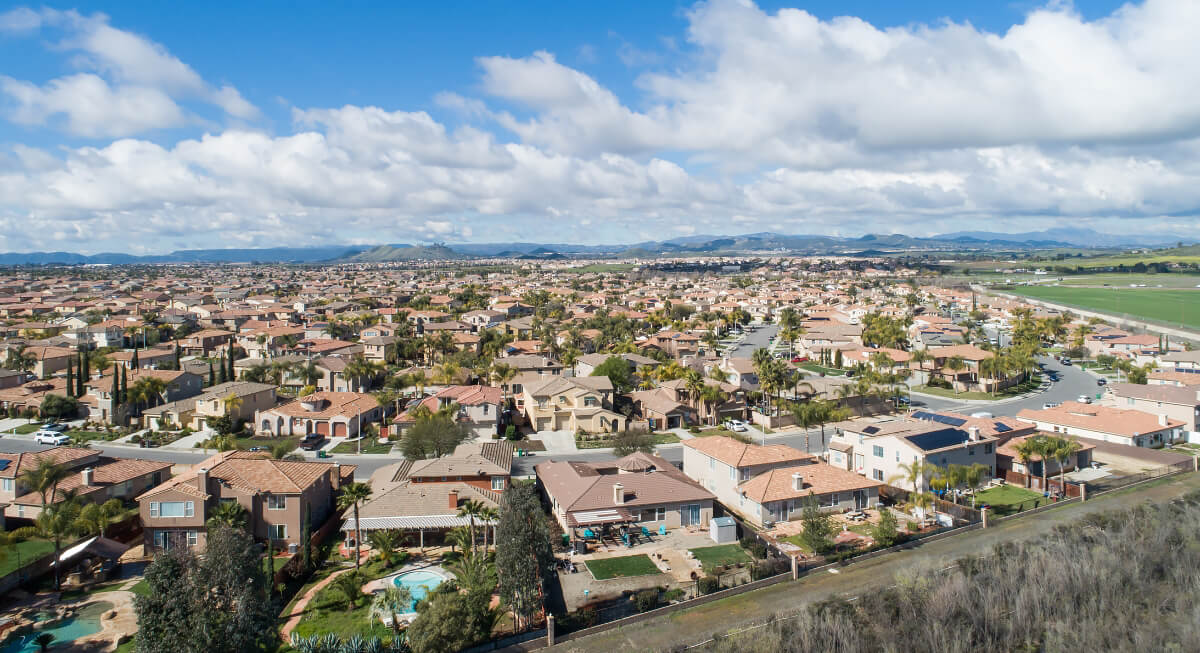
After months of softer activity, the modest 1.8% rise suggests buyers are still stepping in when conditions feel right. The year-over-year dip of 0.8% keeps expectations grounded. This mix suggests a market finding its footing rather than racing ahead. Stability tends to build in small steps, and this is one of them.
Inventory Is Starting To Change The Mood
Credit: pexels
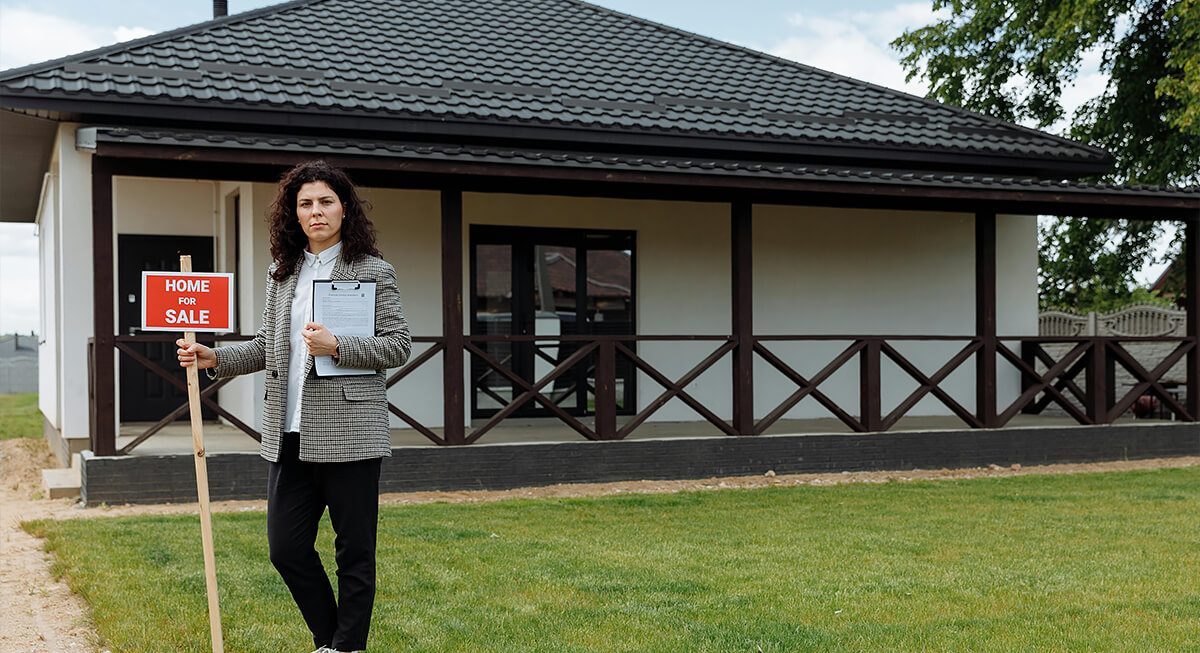
More listings have begun to show up across key regions, especially in the South and West. That shift gives buyers something they have been missing for a while: real choice. Reports show active inventory climbing close to 8% compared to last year. With more options on the table, contract signings become easier to commit to.
The Midwest Is Quietly Leading The Charge
Credit: Canva
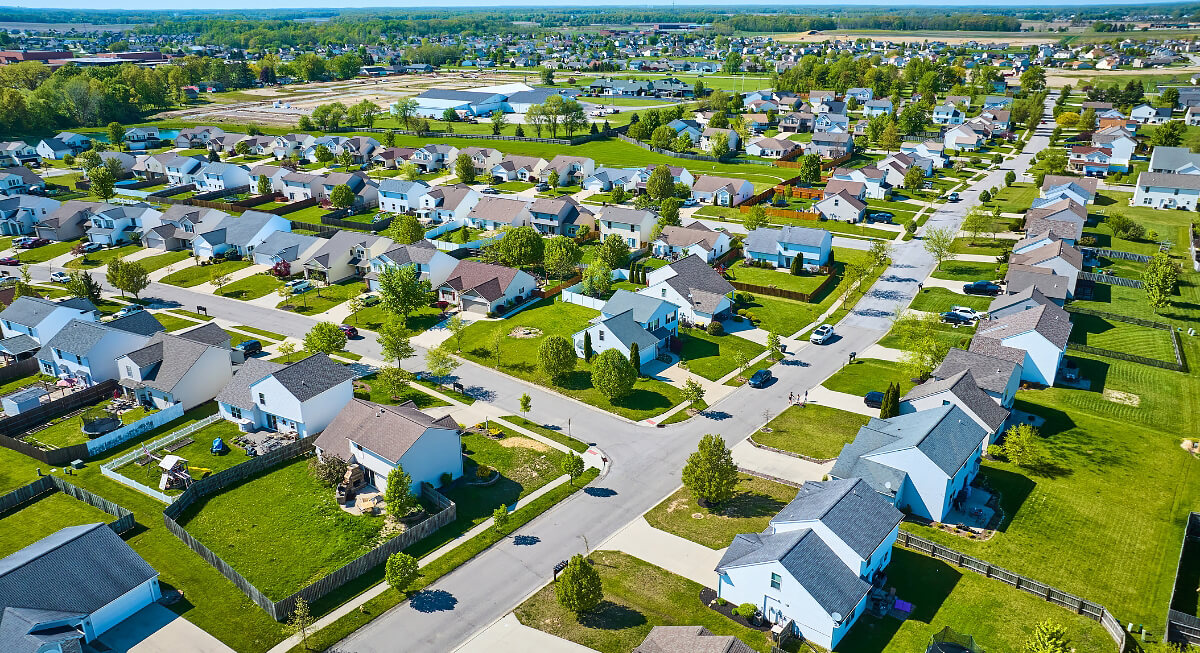
The Midwest saw the strongest monthly gain at 4.6%. Lower home prices are still doing most of the work here, helping buyers manage higher borrowing costs. For many, it is one of the few regions where a deal still feels within reach. It may not draw much attention, but it often shows where real demand is.
The Northeast Tells A Different Story

Credit: Getty Images
February numbers showed the Northeast slipping again, with a 12.1% annual drop. Higher prices and tight supply are putting pressure on buyers. Fewer homes on the market means fewer chances to sign contracts. One region gains momentum while another struggles to keep pace. That contrast is shaping the broader market story this year.
Mortgage Rates Still Call The Shots

Credit: pexels
A brief dip in mortgage rates earlier in the year gave buyers a small window to act, and many took advantage of that moment. Since then, rates have edged back up due to global pressures. That back-and-forth keeps buyers alert. Timing now plays a bigger role than it did during the peak frenzy years.
Buyer Leverage Is Slowly Growing

Credit: pexels
More homes on the market are giving buyers a bit more room to negotiate. It is a small change, but it feels different from the tight competition of recent years. Sellers still have an advantage in many places, though it is not as one-sided as before. As buyers push back more, deals tend to move at a steadier pace.
The Market Is Running On Two Speeds
Credit: pexels
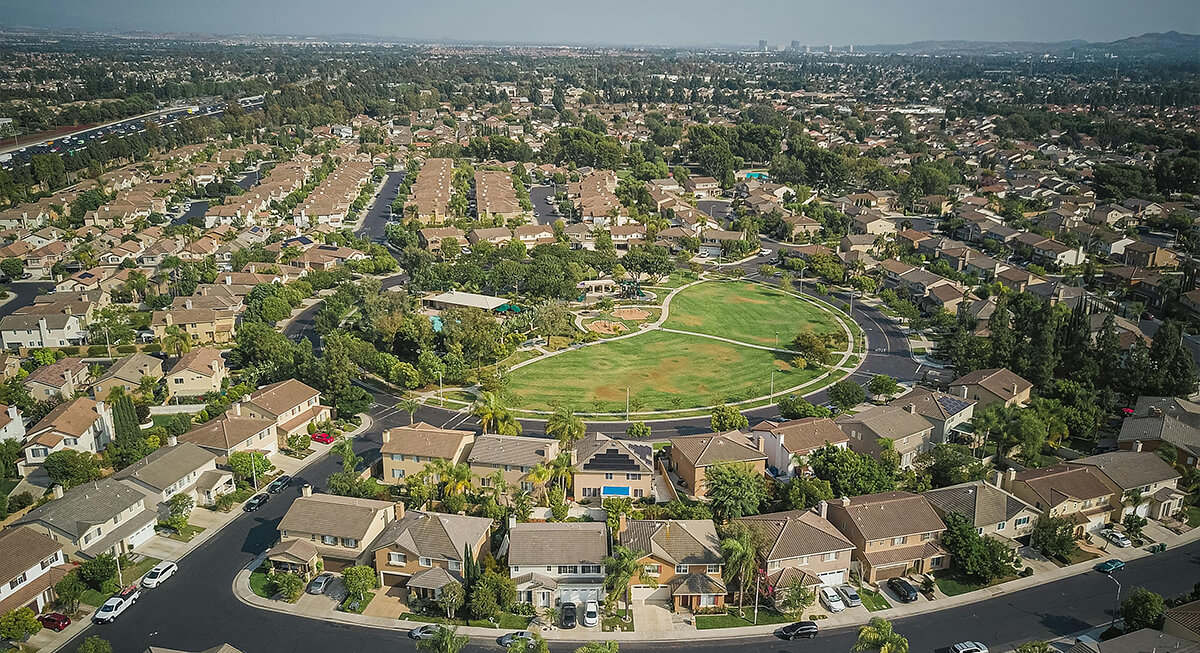
Conditions now depend heavily on location. Well-supplied regions are seeing softer prices and more flexible deals. Areas with limited inventory remain competitive and tight. This split creates two very different experiences for buyers. In one place, choices are expanding. In another, options stay limited.
First-Time Buyers Are Still Playing Catch-Up

Credit: pexels
Entering the market remains a slow process for many first-time buyers. Building credit, saving for a down payment, and waiting out lease terms all take time. Even with demand sitting in the background, not everyone can move quickly when conditions improve. That delay shows up in contract data.
Pending Sales Still Act As A Crystal Ball

Credit: Canva
Signed contracts usually close within 1 to 2 months. That makes February’s uptick more than just a snapshot. While not every contract closes smoothly, the pattern remains reliable enough to track direction. A steady flow of new agreements suggests the market is not stalling. It is adjusting and preparing for the next phase.
2026 Is Leaning Toward Balance, Not Boom

Credit: Canva
The latest data points toward a calmer year rather than a dramatic swing. Inventory is improving in several regions, and buyers are regaining some footing. That combination supports a more balanced environment. The February increase does not signal a surge, yet it shows the market still has energy left, just moving at a steadier pace.