The Most Expensive Things Humans Have Ever Built
When governments, corporations, or individuals decide that failure is not an option, spending starts to look different. Budgets stretch because the goal matters more than the price tag. Some of these projects were built to protect nations, others to expand knowledge, move people, or project power and status. Taken together, they represent the ten most expensive things humans have ever built.
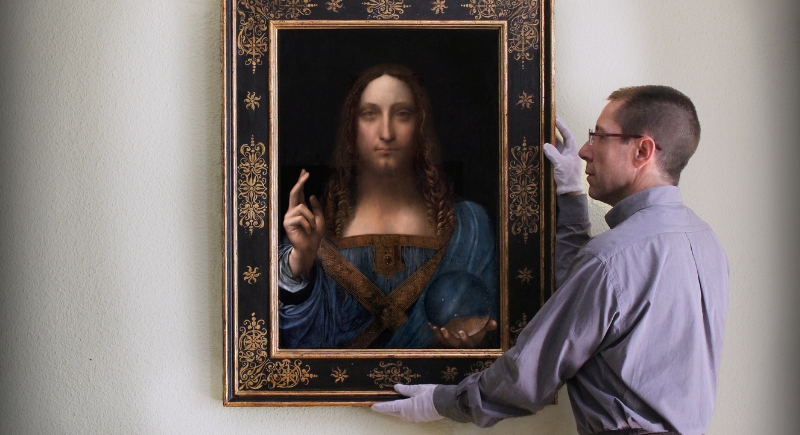
Salvator Mundi Painting – ~$450 Million
Credit: Wikimedia Commons
For decades, this painting passed through collections in unstable condition and without firm attribution. After extensive restoration, scholars began debating whether it was truly by Leonardo da Vinci. By the time it reached auction, scholarship, marketing, and scarcity converged, turning a single religious portrait into a global spectacle.
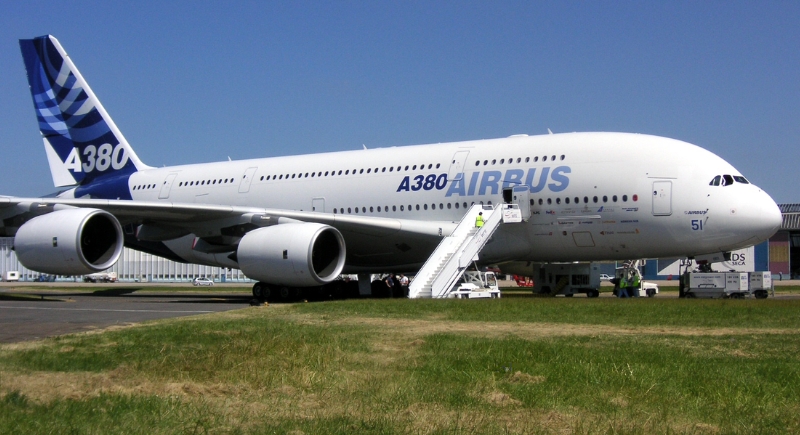
Airbus A380 – ~$600 Million Per Aircraft
Credit: Wikimedia Commons
In the early 2000s, airlines planned around crowded hubs and steady growth. Airbus designed the A380 to fit that vision, creating an aircraft so large that airports had to redesign gates, taxiways, and boarding systems. The plane reshaped infrastructure wherever it operated and tied its success to assumptions about how people would travel for decades.
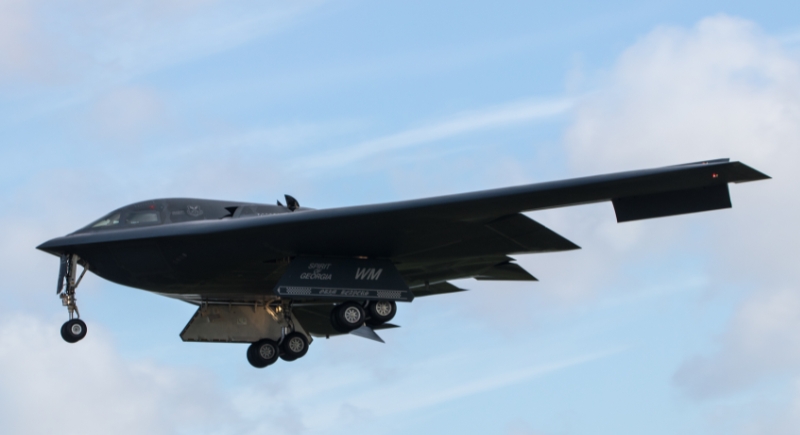
Northrop B-2 Spirit – ~$4.2 Billion Per Aircraft
Credit: Wikimedia Commons
The B-2 was born out of anxiety near the end of the Cold War, when military planners worried that radar systems were getting too good. Engineers poured years into shaping a bomber that could slip through defenses unnoticed. When the political moment shifted, production stopped early, leaving a very small fleet carrying enormous development costs.
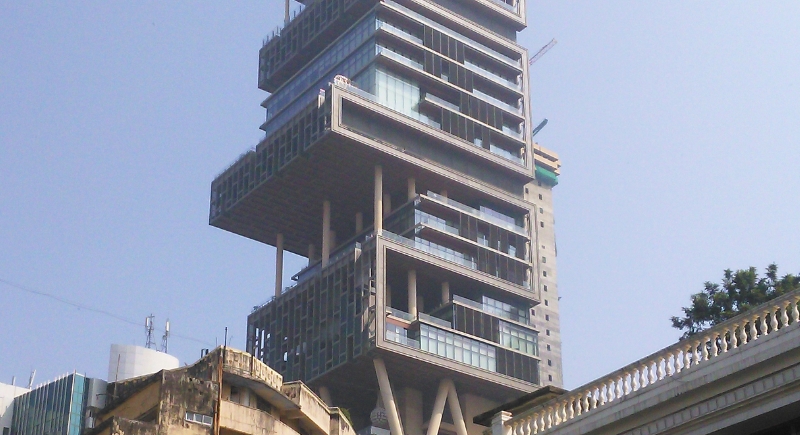
Antilia – ~$4.6 Billion
Credit: Wikimedia Commons
In Mumbai, luxury high-rises typically cost a few hundred million dollars, even with premium materials and views. Antilia pushed far past that by functioning as a vertical estate for one family, complete with helipads, staff housing, and constant climate control. Engineering for earthquakes, wind loads, and nonstop operations turned a home into one of the world’s costliest structures.
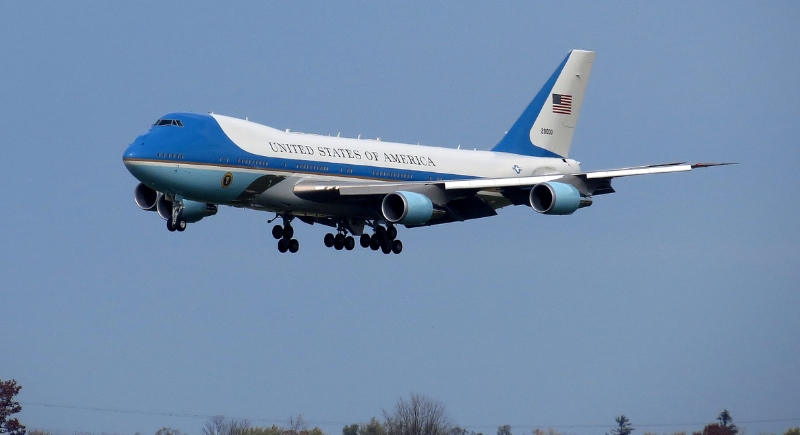
Air Force One – ~$4 Billion
Credit: Wikimedia Commons
Air Force One is built for moments that most aircraft never have to imagine. Based on a heavily modified Boeing 747, it’s designed to serve as a secure workplace during a national crisis. Encrypted communications, medical facilities, and defensive systems turn the plane into a flying extension of the presidency.
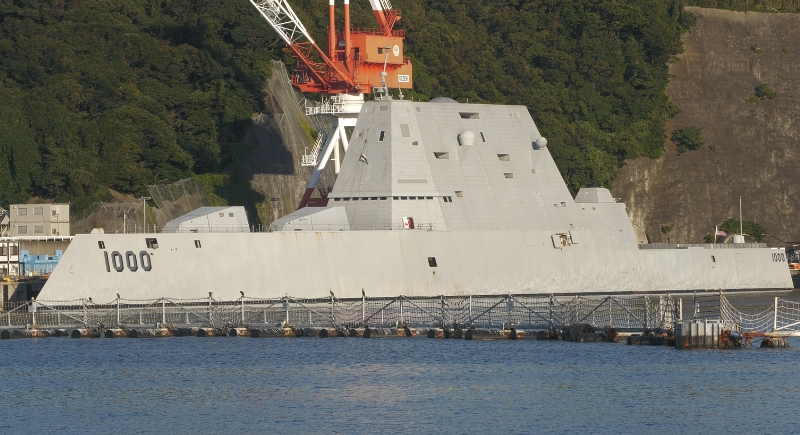
USS Zumwalt – ~$8 Billion
Credit: Wikimedia Commons
When the Zumwalt was first imagined, the Navy was thinking about future conflicts close to shore rather than open-ocean battles. The ship’s sharp angles, electric propulsion, and smaller crew were meant to support that idea. By the time it entered service, mission priorities had changed, leaving the Zumwalt as a highly advanced ship still searching for its long-term role.
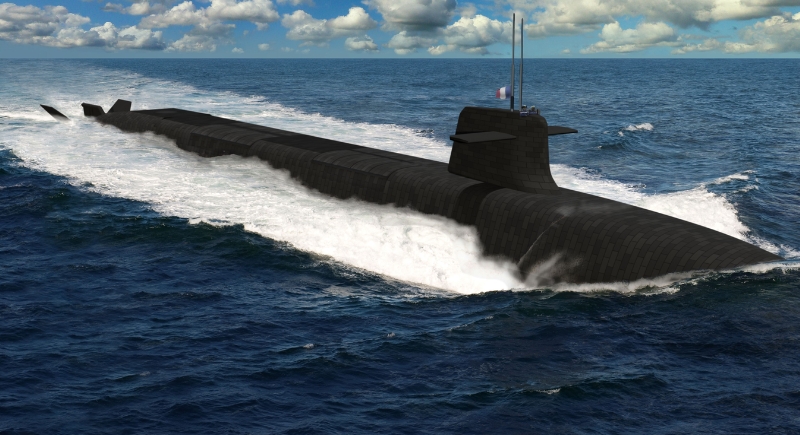
Columbia-Class Submarine – ~$9.15 Billion Per Vessel
Credit: Wikimedia Commons
Unlike most military platforms, this submarine was designed around time rather than speed or firepower. It’s meant to stay hidden and operational for decades without refueling. Nuclear propulsion, stealth coatings, and long service-life requirements drove up complexity, reflecting the cost of maintaining a continuous deterrent across generations.
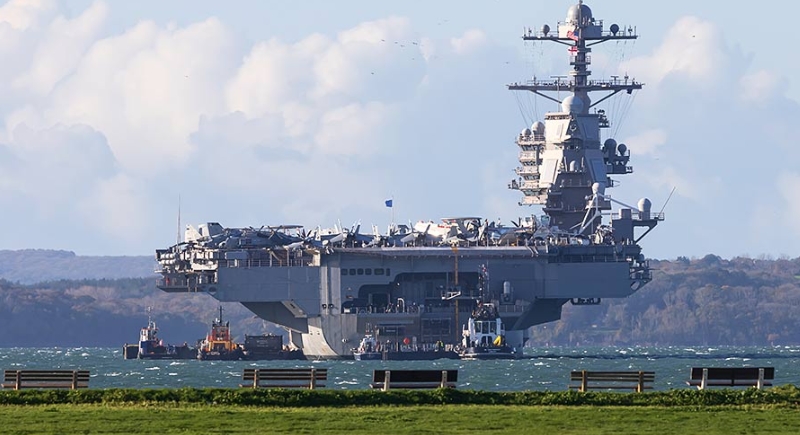
Gerald R. Ford-Class Aircraft Carrier – ~$13 Billion Per Ship
Credit: Wikimedia Commons
For decades, the U.S. Navy relied on Nimitz-class carriers that typically cost between $4.5 and $6 billion each to build. The United States Navy expected the Gerald R. Ford class to modernize that model. Instead, new reactors, electromagnetic catapults, and automation systems pushed the price to roughly $13 billion per ship, more than double earlier programs.
Hubble Space Telescope – ~$16 Billion
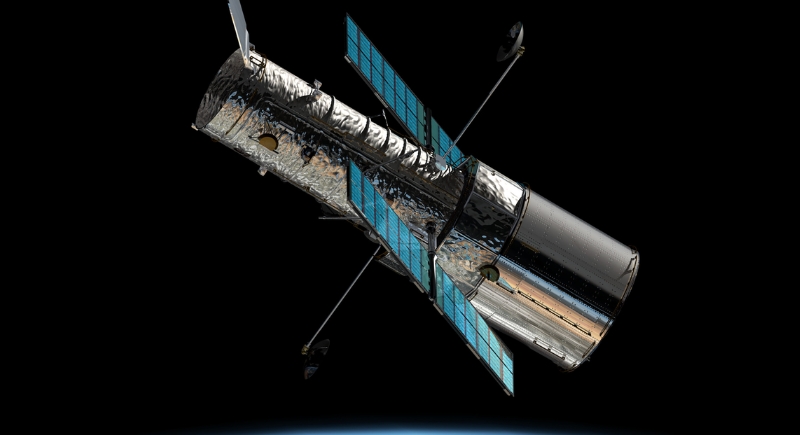
Credit: Wikimedia Commons
When the Hubble Space Telescope launched in 1990, NASA had already spent about $1.5 billion on its construction and deployment. Then the images came back blurred. Correcting the mirror flaw required a 1993 shuttle repair mission costing roughly $1.6 billion more, followed by four additional servicing flights. Over time, fixes and upgrades pushed Hubble’s total cost to around $16 billion.
International Space Station – ~$150 Billion
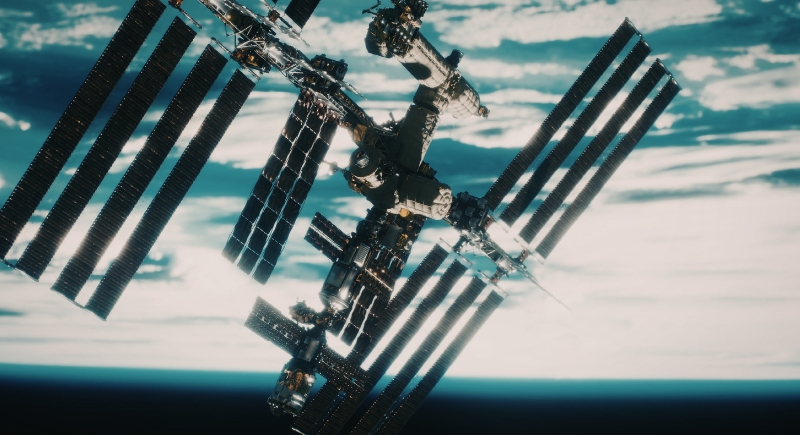
Credit: Canva
Keeping people alive about 250 miles above Earth required coordination more than rockets. The station was assembled over a decade through dozens of international launches, with each partner contributing modules, crews, and funding. Repairs, resupply missions, and life-support systems continue to push costs higher as long as humans remain aboard.