Everyday Things That Were Originally Invented for a Different Reason
Everyday objects feel fixed and familiar, as if they were always meant to be exactly what they are now. In reality, many began with very different purposes. Some emerged as side effects of experiments, while others resulted from industrial processes aimed at solving entirely different problems. Over time, people discovered unexpected uses for them, and those accidental roles evolved into the ones we now take for granted.
Coca-Cola
Credit: Africa Images
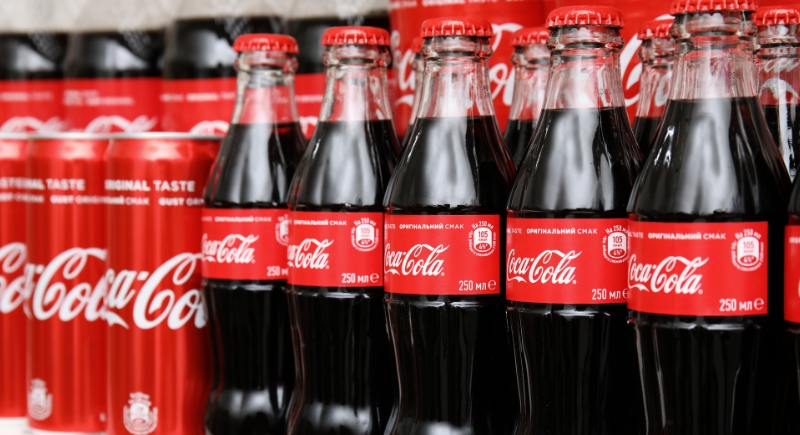
The fizzy drink began life in 1886 as a medicinal tonic created by pharmacist John Stith Pemberton. The original formula contained coca leaf extract and was sold as a remedy for headaches, fatigue, and morphine addiction. Early advertising described it as a nerve tonic rather than a refreshment. Cocaine was fully removed from the recipe by 1903, and consumer demand slowly pushed it from pharmacy counters into soda fountains.
Bubble Wrap
Credit: Getty Images
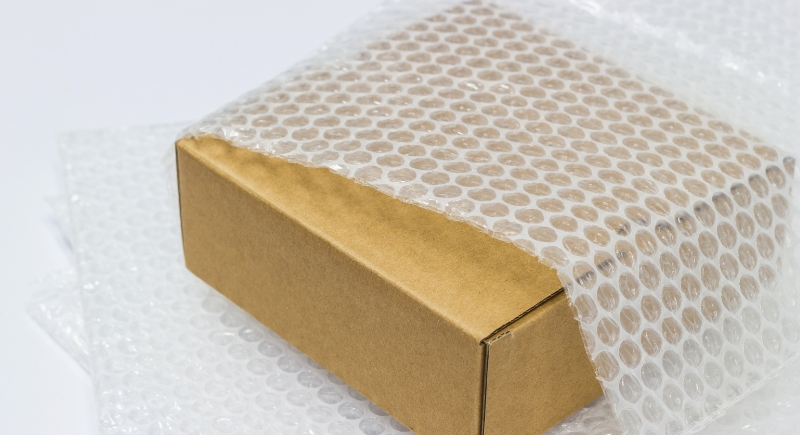
Inventors Alfred Fielding and Marc Chavannes sealed two plastic sheets together to create textured wallpaper that promised a modern look. The wallpaper failed to sell, and attempts to install greenhouse insulation also went nowhere. The breakthrough came when the material was used to protect IBM computers during shipping, which gave Bubble Wrap its real purpose.
Microwave Oven
Credit: pixelshot
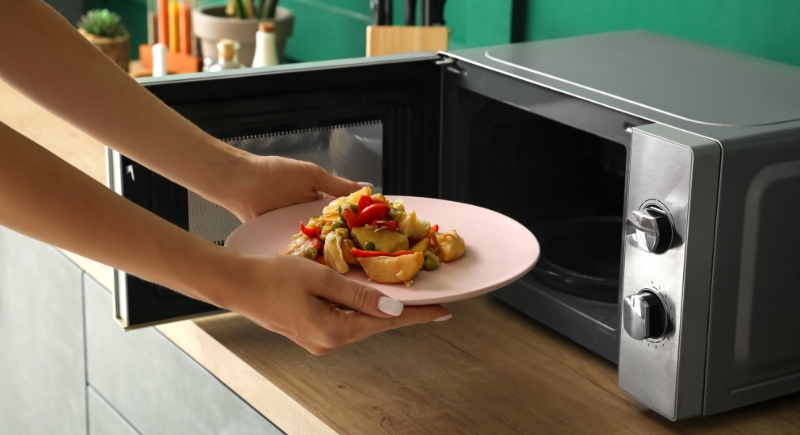
In 1945, engineer Percy Spencer noticed a chocolate bar melting in his pocket while working on radar equipment. Radar used electromagnetic waves, and Spencer realized those waves could heat food. Early microwave ovens were large and expensive, but refinements turned the technology into a household appliance by the late 20th century.
Play-Doh
Credit: Wikimedia Commons
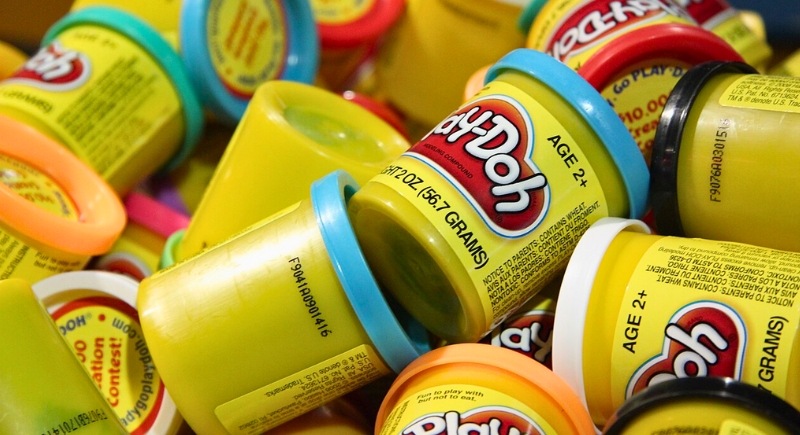
Before it became a toy, Play-Doh was originally a cleaning product designed to remove coal soot from wallpaper in homes heated by coal furnaces. As cleaner heating systems replaced coal, demand vanished. The soft, moldable texture proved ideal for kids, and the product was relaunched as a modeling compound in 1956.
Post-it Notes

Credit: pexels
In 1968, 3M chemist Spencer Silver tried to create a strong adhesive and ended up with one that stuck lightly and peeled off cleanly. The glue sat unused until colleague Arthur Fry applied it to paper bookmarks that stayed put without damaging pages. That practical idea led to Post-it Notes becoming a global office staple.
Listerine
Credit: Wikimedia Commons
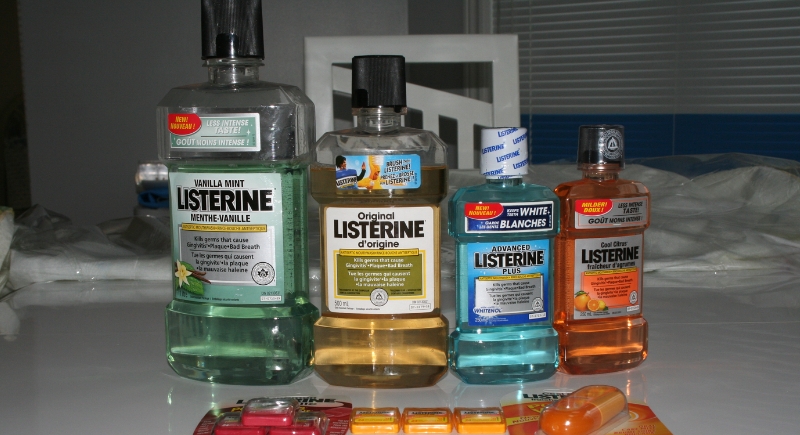
Listerine was developed as a surgical antiseptic in the late 19th century and later sold as a floor cleaner and an infection treatment. Sales stayed low until the product was marketed as a solution for bad breath. That repositioning turned it into a household name within a decade.
WD-40
Credit: Facebook
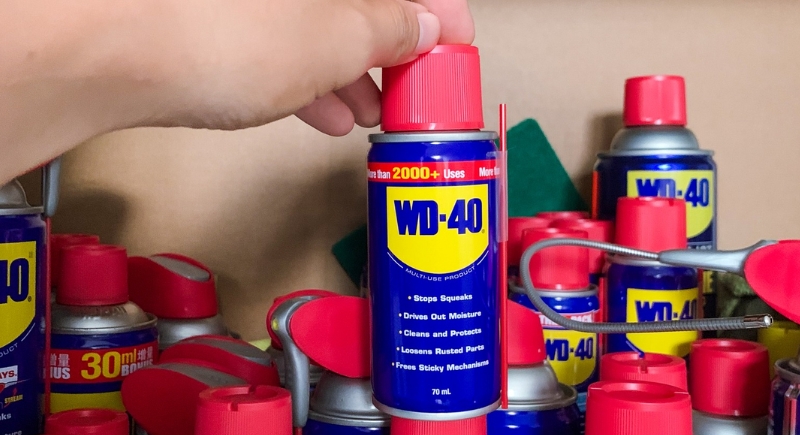
This spray was born during the Cold War. WD-40 was created to prevent corrosion on nuclear missiles, and the name stands for Water Displacement, 40th attempt. The formula proved so effective that it was later sold to consumers for use in rust prevention and lubrication.
Frisbee
Credit: Getty Images
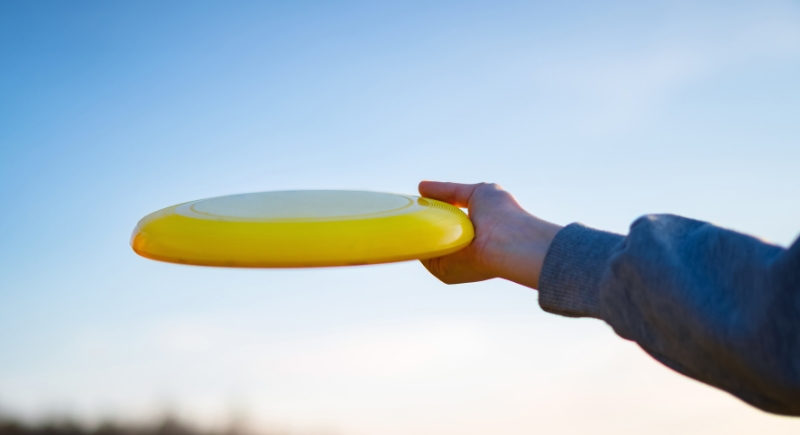
The Frisbie Pie Company sold baked goods in metal trays during the late 1800s. College students discovered the tins could glide through the air, and tossing them became a campus pastime. The toy version adopted a slightly different spelling and became an official sports item by the 1950s.
Velcro
Credit: Getty Images
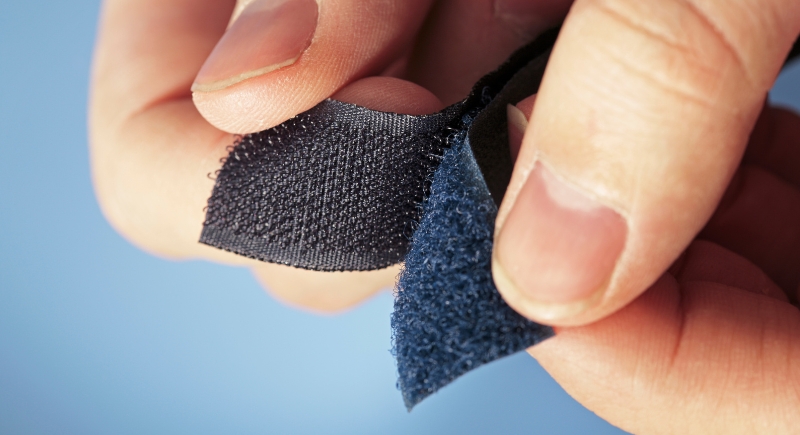
A walk in the Swiss countryside sparked this idea. Engineer George de Mestral noticed burrs clinging to his clothes and his dog’s fur in 1941. Under a microscope, the burrs revealed a hook-like structure. That observation led to the hook-and-loop fastening system used today in clothing, medical gear, and even space missions.