Everyday Items That Have Outrageous Markups
Many of the things people buy without a second thought cost far less to produce than the price on the shelf suggests. Some of the biggest markups show up on items that feel routine, not luxurious, which is why they slip past so easily. Companies rely on convenience, habit, and smart packaging to make those prices feel normal.
When you look at how large the gap can be, it becomes easier to see where your money actually goes and which purchases are worth rethinking.
Text Messages
Credit: Getty Images
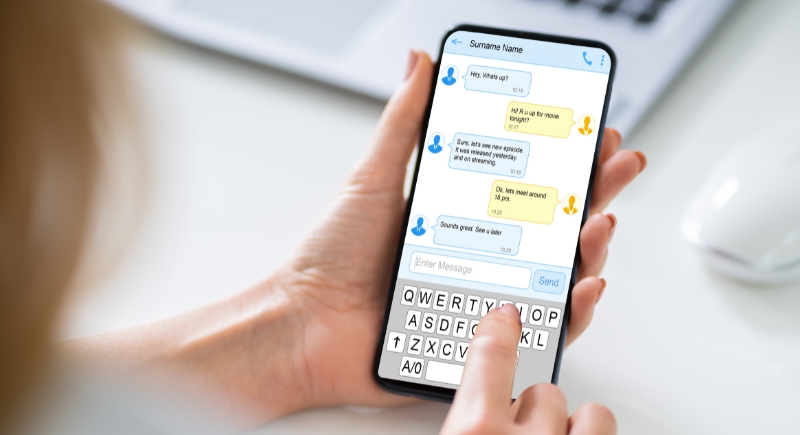
Text messages once felt like a modern luxury, but now their cost is hard to justify. Each message uses only a fraction of a penny’s worth of data, yet phone carriers historically charged ten cents or more per message. The 6,000% markup persisted even after free messaging apps became the norm.
Movie Theater Popcorn
Credit: pexels
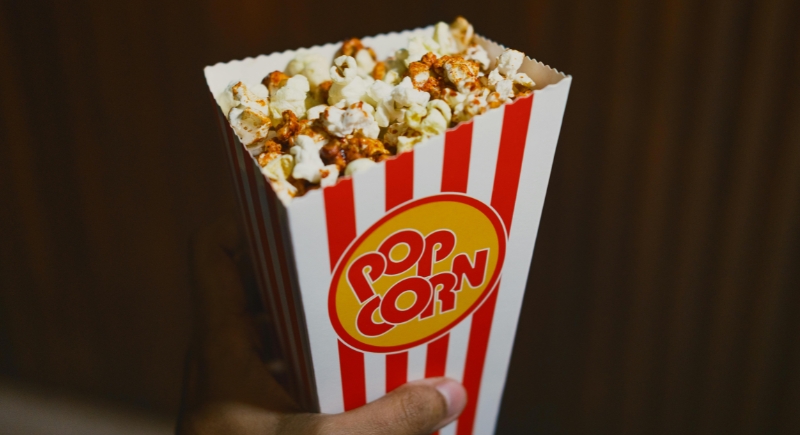
Popcorn at the movies can cost you $8 for a medium bag, even though it takes just a few cents to make. Theaters rely heavily on snack sales because ticket profits are slim. And since outside food isn’t allowed, they’ve got a captive audience willing to pay up for the “full experience.”
Bottled Water
Credit: Getty Images
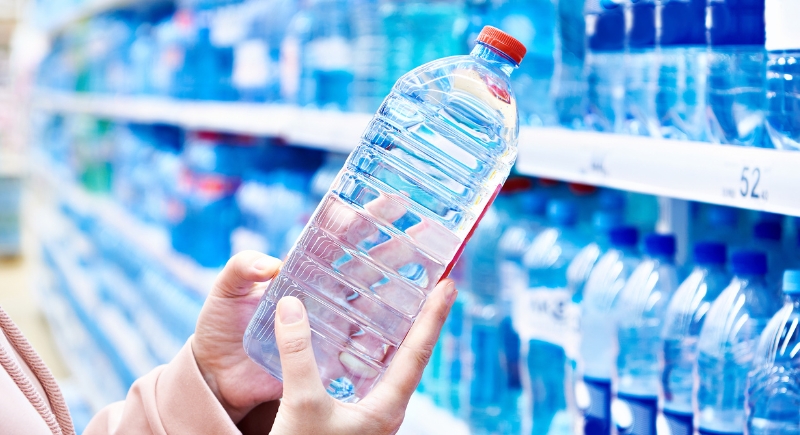
Grabbing a bottle of water at a gas station means paying 40 times what it costs to produce. The price combines the costs of plastic, branding, and convenience. Since tap water in most areas is safe and regulated, reusable bottles can be a budget-friendly alternative to bottled water.
Printer Ink
Credit: pixelshot
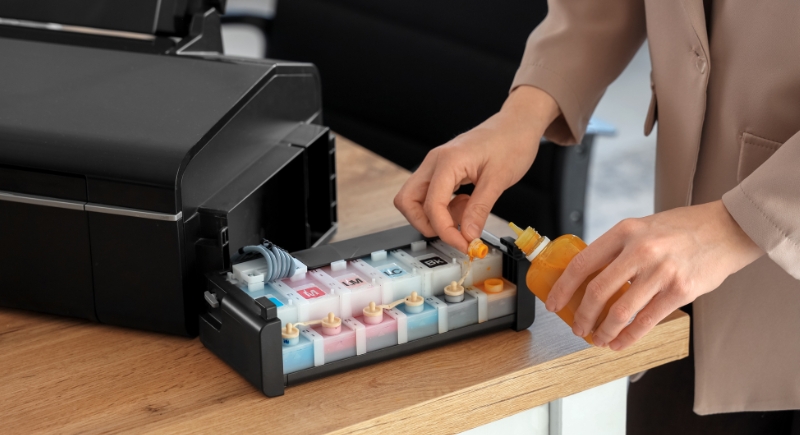
Printer ink never feels like a premium product, yet its price often says otherwise. A single cartridge can climb past $70, and in many cases, replacing the ink costs more than replacing the printer itself. Manufacturers keep printer prices low because they know the real expense shows up later when customers return for refills.
Cosmetics
Credit: Canva
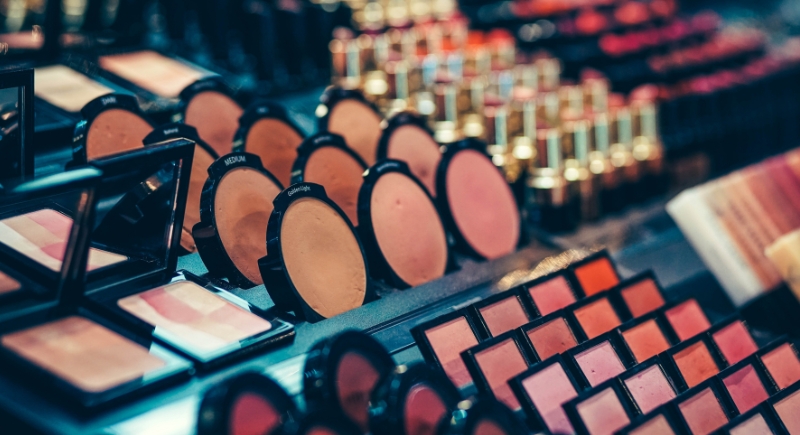
A $30 lipstick might contain just a few dollars’ worth of materials. But the markup covers advertising, packaging, and the premium placed on brand names. Many buyers assume that higher costs equal better quality, though drugstore alternatives often contain similar ingredients and perform just as well.
Prescription Drugs
Credit: Getty Images
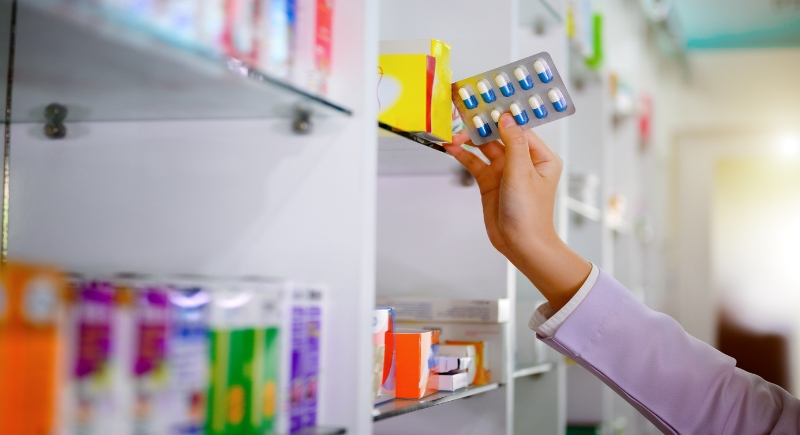
Some brand-name medications are priced dozens of times higher than generics with the same active ingredients. Patents, marketing, and exclusivity inflate the cost, while generic versions often deliver identical effects at a fraction of the price. Pharmacists are frequently the first to point this out.
Coffee
Credit: Canva
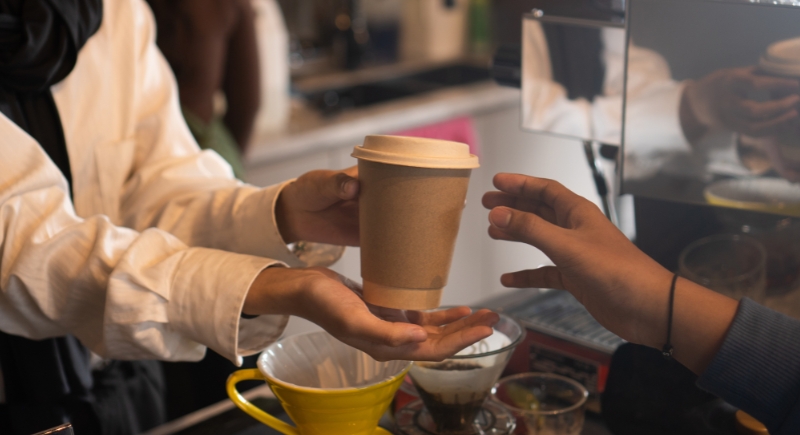
Ordering a flavored latte from a chain can cost over $5, but most of the ingredients cost less than a dollar combined. The extra you’re paying covers branding, ambiance, and convenience. At-home espresso machines can recoup their cost faster than you might expect.
Greeting Cards
Credit: pexels
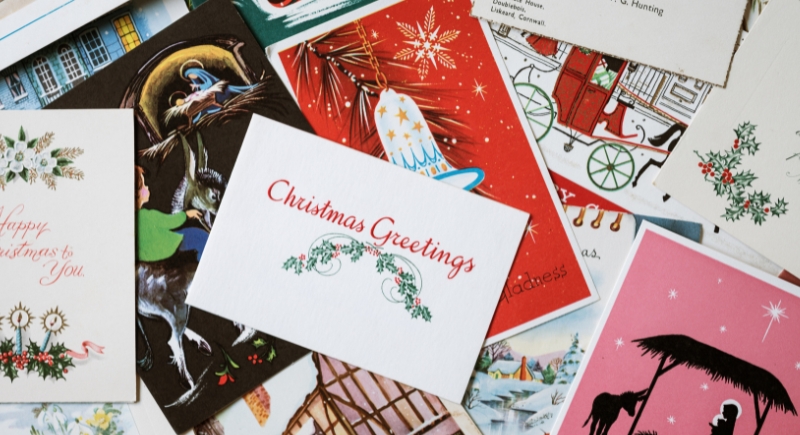
A single card at a pharmacy or bookstore might be priced at $4 or more, despite costing only a few cents to print. Branded characters and foil accents hike the price, but cheaper cards from discount stores or personally handwritten notes often leave a better impression.
Precut Produce
Credit: pexels
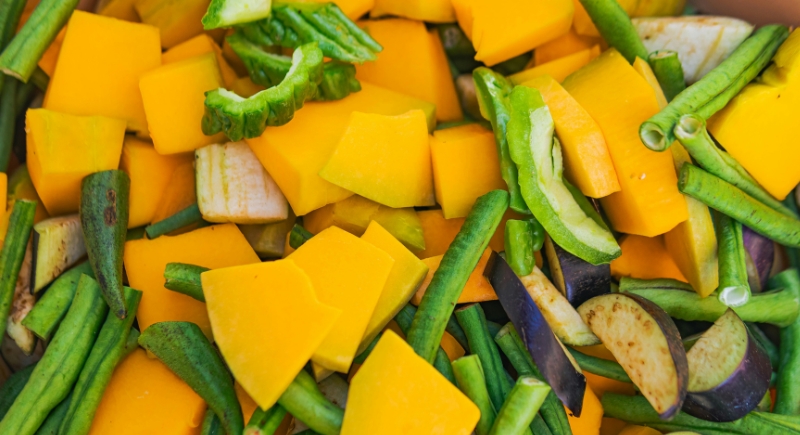
We buy sliced fruit or chopped vegetables to save time, but it usually comes with a 40% price increase. A whole pineapple might cost $3, but buying it pre-cut can push the price to $5 or more. You’re paying for labor and packaging, the things easily avoided with a kitchen knife.
Bakery Goods
Credit: Getty Images
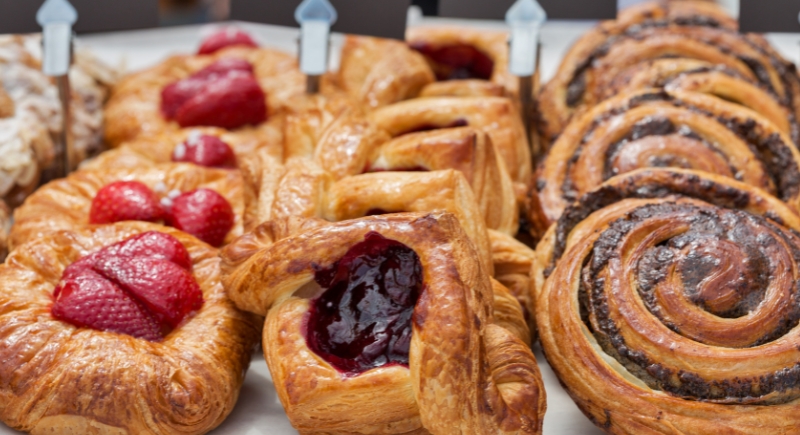
A single muffin or slice of banana bread at a café can cost $4 or more, even though the ingredients are cheap. The markup reflects labor and convenience, but frequent buyers could save by baking at home. Even a small investment in a bread maker can quickly pay for itself.