10 Secrets of The Empty Savings Account Secret of the Ultra Wealthy
Most people treat a savings account as the centerpiece of their financial life. The ultra-wealthy tend to see it as a parking spot they use only briefly, if at all. To them, an account holding large piles of idle cash signals wasted potential. Instead of letting money sit unused in a bank, they design systems where every dollar is positioned to generate more value. These are some of the strategies behind the surprisingly small balances many wealthy individuals keep in savings.
Their Investment Portfolio Replaces the Traditional Savings Account

Credit: Getty Images
Many wealthy people do not rely on a traditional savings account the way most households do. Instead, they treat their investment portfolio as the place where their long-term security sits. Money goes into stocks, exchange-traded funds, and other investments that have historically grown faster than bank savings. Over time, those assets become the financial cushion that others might keep in a regular savings account.
Business Ownership Absorbs the Majority of Their Wealth

Credit: pexels
Many wealthy people keep most of their money tied to the businesses they own or helped build. Instead of holding large amounts of cash, their wealth often sits in company shares or ownership stakes. For founders and major shareholders, the value of their fortune usually comes from that equity. In other words, their net worth is closely tied to the company’s success and growth.
Real Estate Functions as a Long-Term Wealth Vault

Credit: Canva
Property remains one of the most common places the wealthy store money. Apartment complexes, commercial buildings, and high-end developments can generate rental income while rising in value over time. Real estate allows large sums of money to remain productive rather than sit unused in a savings account.
Private Equity Gives Access to Companies Before the Public Market

Credit: pexels
Many high-net-worth investors invest in private equity, buying stakes in companies that are not traded on stock exchanges. These investments can carry higher risk, but they also provide access to businesses during their fastest growth stages. For the wealthy, capital often flows into these opportunities instead of staying idle as savings.
Money Market Funds Handle Short-Term Cash Needs
Credit: Getty Images
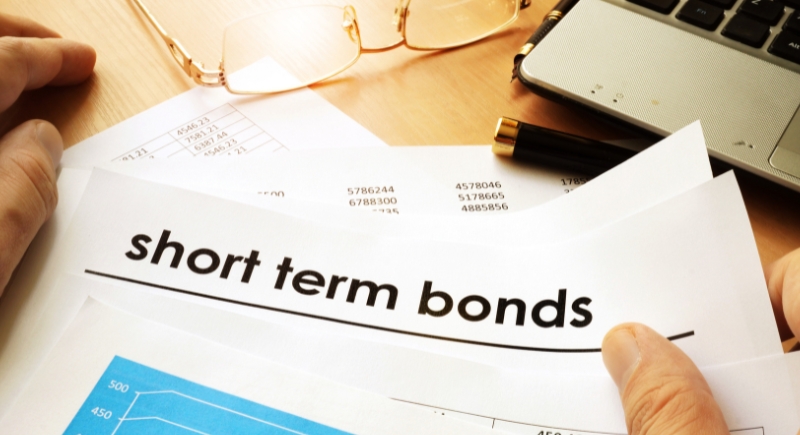
When wealthy investors need a place to temporarily park money, they often turn to money market funds. These funds invest in short-term government securities and other stable instruments while offering yields higher than many bank accounts. They act as a holding zone for cash without leaving it completely unproductive.
Brokerage Accounts Double as Liquid Cash Reserves

Credit: Canva
Many investors also rely on their brokerage accounts when they need quick access to money. Instead of storing large amounts in a savings account, they keep funds invested and sell a portion of their holdings when cash is required. Because trades usually settle within a few days, the money becomes available fairly quickly. For many people with large portfolios, that flexibility reduces the need to keep much sitting in a bank.
Credit Lines Cover Sudden Expenses

Credit: Canva
Wealthy individuals frequently rely on credit rather than stored cash when unexpected costs appear. Credit cards, business credit lines, or asset-backed loans allow them to handle large purchases immediately. Funds can then be transferred from investments afterward, keeping long-term assets intact.
Inflation Makes Large Cash Balances a Losing Game

Credit: Getty Images
Holding too much money in a traditional account can erode wealth over time. Interest rates on many checking accounts remain extremely low, while inflation steadily increases the cost of goods and services. Wealthy investors often avoid large idle balances because they recognize how quickly inflation erodes cash.
Higher-Yield Cash Alternatives Replace Basic Bank Accounts
Credit: Getty Images
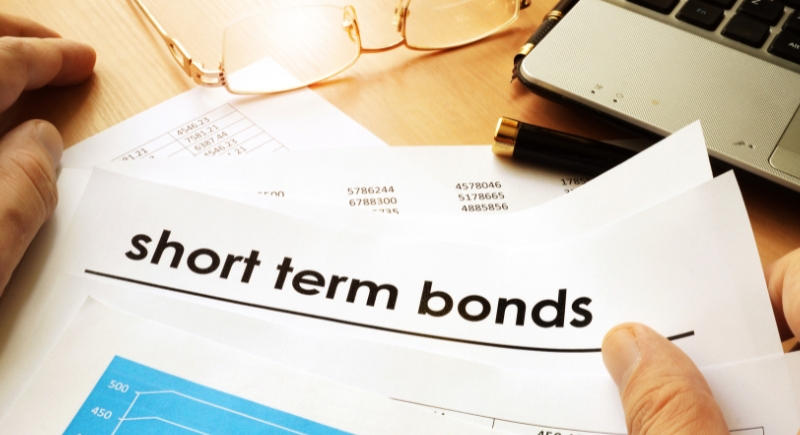
Some wealthy households still keep cash on hand, but they often choose options that offer higher returns than standard savings accounts. Certificates of deposit, high-yield cash accounts, and other short-term instruments allow them to hold liquid funds while earning significantly more interest.
Retirement Accounts Capture Long-Term Investment Cash

Credit: Getty Images
A significant portion of surplus cash can end up inside tax-advantaged retirement vehicles. Accounts such as 401(k)s and IRAs allow investments to grow while reducing tax exposure. For investors thinking decades ahead, these accounts often receive money that might otherwise remain idle in traditional savings.