Elon Musk Is Now Worth $600 Billion: Here Is What That Could Buy
Elon Musk’s net worth has crossed the $600 billion mark, a figure so extreme it barely fits into familiar ideas of wealth. Most of it exists on paper, tied to stock and private companies, which rise and fall with the market. Still, even as a theoretical number, it puts him in territory no modern individual has occupied. Examining what that amount could purchase makes it clear why this moment feels unusual, even by billionaire standards.
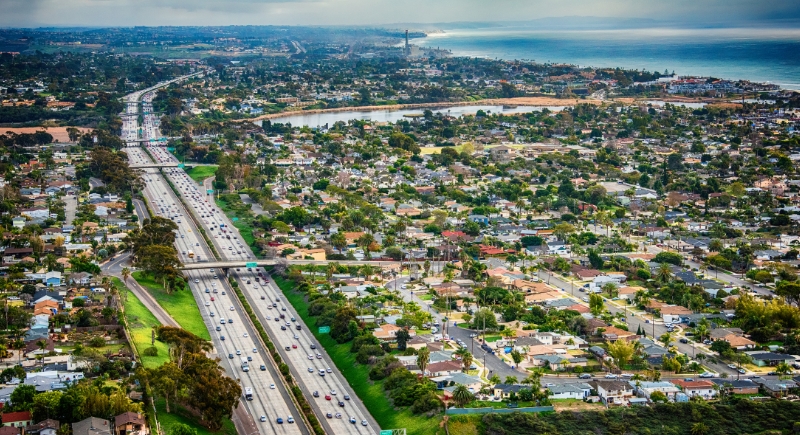
San Diego County Housing Market ($600–$700 Billion)
Credit: Getty Images
At current residential valuations, the entire housing stock of San Diego County could theoretically fit inside Musk’s net worth. This includes coastal mansions and suburban neighborhoods, as well as inland developments that together make up one of the most competitive real estate markets in the United States.
Every New Car Sold In The U.S. In A Year ($500–$550 Billion)

Credit: pexels
Americans purchase tens of millions of new vehicles each year, ranging from economy sedans to pickup trucks and luxury SUVs. The combined sticker prices of the vehicles sold nationwide still fall short of the estimated net worth of the Tesla co-founder.
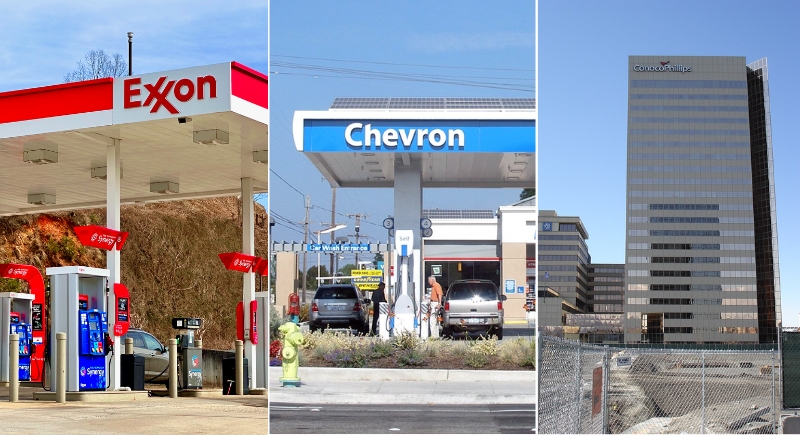
ExxonMobil, Chevron, and ConocoPhillips Combined ($500–$600 Billion)
Credit: Wikimedia Commons
The three largest American oil companies together fall within this entrepreneur’s buying power. This comparison carries irony given his role in electric vehicles and renewable energy. But on paper, the world’s most visible EV advocate could afford the pillars of the internal combustion economy.
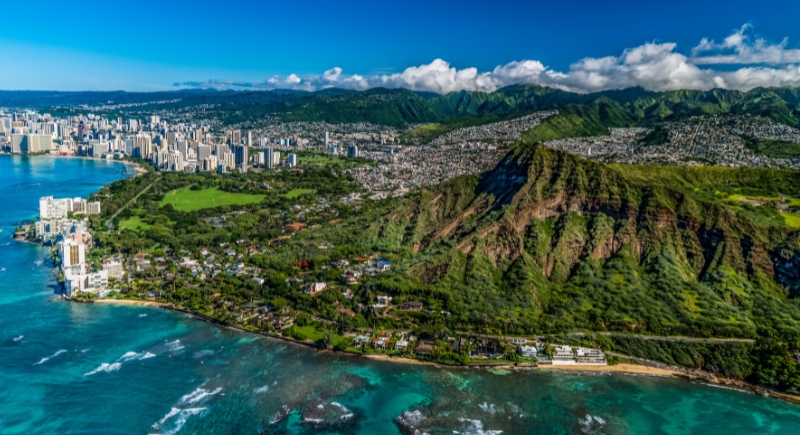
All Homes In Hawaii ($300–$350 Billion)
Credit: Getty Images
It’s hard to grasp how an entire state’s residential footprint can now be compared to one person’s balance sheet, but let’s take Hawaii as another example. The constituent state has roughly 572,781 households spread across its islands, with average home prices among the highest in the country. That figure covers everything from Honolulu condos to rural properties.
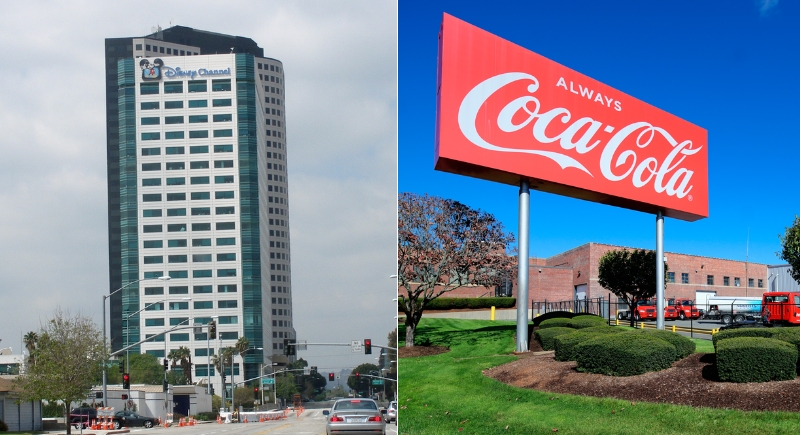
Disney And Coca-Cola ($440–$470 Billion)
Credit: Wikimedia Commons
Disney and Coca-Cola are brands recognized across generations and continents. Disney shapes childhood through movies, theme parks, and sports media. Coca-Cola is part of everyday life in homes, restaurants, and street markets worldwide. At this level, ownership would not mean hands-on management. The role would be to preserve what already exists and ensure these brands remain stable and familiar for decades, without changing their products, characters, or core experiences.
The State of Maryland’s Residential Property ($700+ Billion)

Credit: True Creatives
Maryland pushes the comparison to its outer edge. Estimates suggest buying every residential property in the state would require roughly $716 billion. Suburbs outside Washington, coastal towns along the Chesapeake Bay, and dense urban corridors would all be included. The fact that this comparison is even close highlights the extreme concentration of modern wealth.
Switzerland’s Annual GDP (Just Under $900 Billion)

Credit: Getty Images
Switzerland produces just under $900 billion in economic output each year. Musk’s personal fortune comes surprisingly close to that figure. While GDP and net worth are not the same, the comparison illustrates that individual wealth now overlaps with national economic metrics that were once categorized entirely separately.
The Entire Ivy League ($200 Billion)

Credit: Wikimedia Commons
Musk’s wealth could theoretically cover the full educational system several times over, even though universities themselves are not purchasable assets. The combined endowments of Harvard, Yale, Princeton, Columbia, Brown, Dartmouth, Cornell, and the University of Pennsylvania total approximately $200 billion, representing centuries of accumulated academic capital.
Every Team In The NFL, NBA, MLB, And NHL ($430+ Billion)

Credit: Wikimedia Commons
All franchises across the four major U.S. sports leagues are valued at roughly $433.57 billion. That total includes media rights, real estate, and brand value. Even after acquiring every team, Musk would still have hundreds of billions left, underscoring how small even dominant cultural institutions appear at this scale
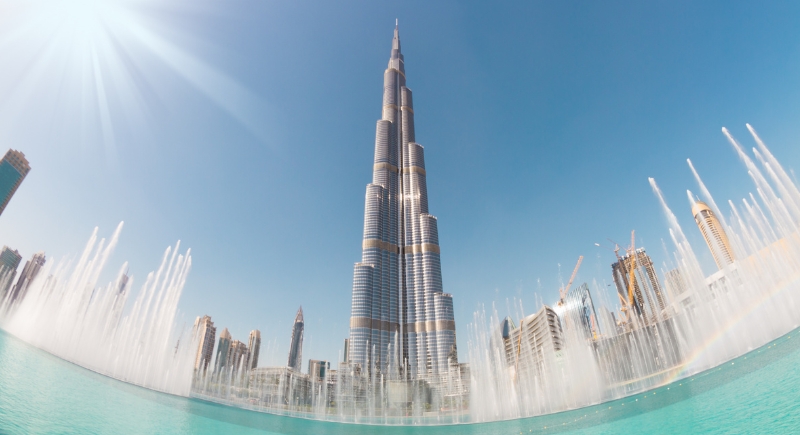
Four Hundred Burj Khalifas Or 1.5 Million U.S. Homes ($600 Billion)
Credit: Canva
At this scale, wealth stops being abstract and turns physical. Entire skylines or housing systems could be created from the ground up, reshaping cities rather than companies. Steel and land replace balance sheets. The impact would be visible and permanent, altering how millions of people live rather than what they buy. That’s just the power that this South African-born American holds.