Economic Decisions That Quietly Changed the Course of Human History
There are times when major shifts don’t come from wars or big political moments, but from decisions made around money. The way currency is handled, trade is opened, or access to credit is expanded, can quietly change everything around it. Most people don’t notice these shifts when they happen, but over time their impact becomes clearer in economic systems and long-term outcomes.
Money Replaces Barter

Credit: Getty Images
If you had chickens but needed salt, you could only trade if you found someone who wanted chickens and also had salt to give you. That kind of exchange was uncommon, since barter systems were based on exact matches. The introduction of money solved this problem by creating a shared measure of value.
Banks Turn Storage into Finance

Credit: pexels
There was a time when you would hide coins at home or carry them during travel to keep them safe. But there were many risks involved, which is why temples and goldsmiths would hold deposits and issue receipts as proof. Banks noticed that most deposits remained untouched, so they began lending the money and charging interest.
Fractional Lending Helps Economies

Credit: Getty Images
As time went by, banks also understood that depositors usually did not withdraw all their money at once. This observation led to fractional reserve lending, in which banks loaned out most of the funds they held. This increased the amount of money circulating in the economy. As a result, businesses gained access to credit and scaled operations.
Gold Standard Stabilizes Trade

Credit: pexels
During the nineteenth century, international trade became unpredictable due to currency instability. On this note, Britain introduced a system linking currency to gold, and other nations adopted similar practices. Eventually, traders and investors had a predictable environment for global commerce.
Bretton Woods Creates a Global System
Credit: picryl
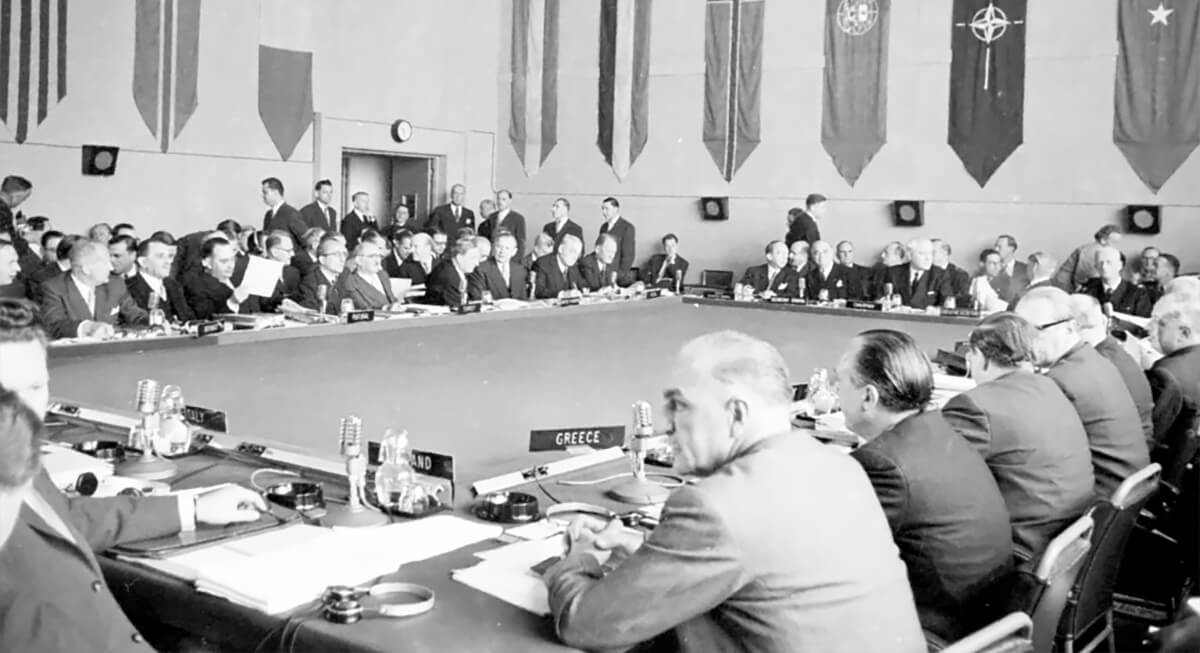
In 1944, representatives from multiple nations met to create a stable financial structure after World War II. They agreed to link currencies to the US dollar, which was in turn tied to gold. The meeting also resulted in the creation of the International Monetary Fund and the World Bank. These institutions supported cooperation and economic recovery.
The United States Ends Gold Convertibility

Credit: Canva
Years after the Bretton Woods system was put in place, cracks started to show. The United States sat at the center of it, but as global trade expanded, more dollars were circulating than the available gold could realistically back. That imbalance raised concerns, and confidence began to weaken. In response, the US eventually ended the dollar’s convertibility into gold, stepping away from the system to ease the growing pressure.
The Marshall Plan Drives Recovery
Credit: Wikimedia Commons
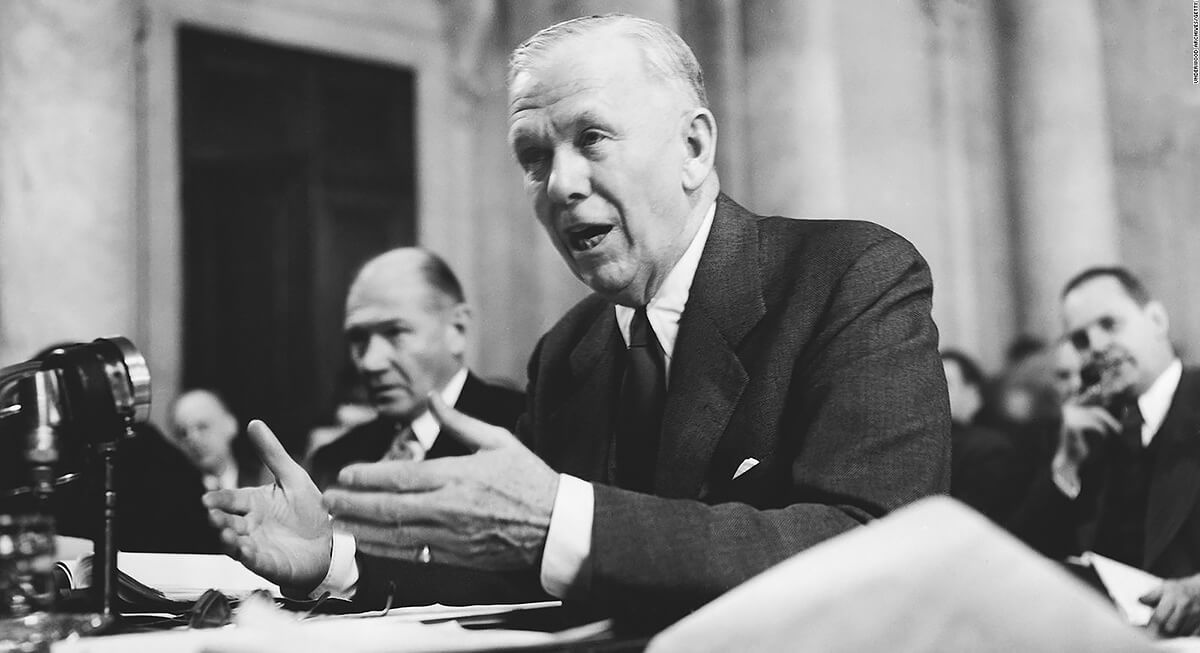
After World War II, Europe faced severe economic damage that disrupted industries and trade. The United States then stepped in and launched the Marshall Plan to provide financial aid for rebuilding infrastructure and production. This cooperation strengthened economic ties and accelerated development. The program also reinforced the United States as a leading economic power.
China Opens Its Economy
Credit: Getty Images
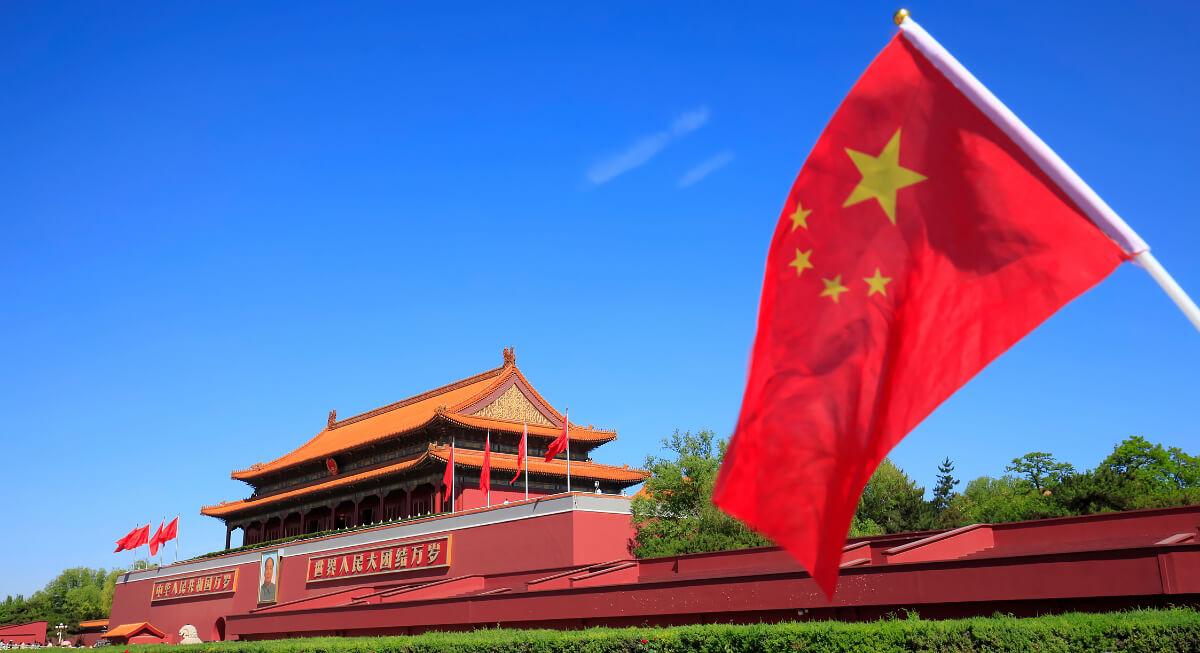
Due to years of limited economic growth and isolation, China faced pressure to improve living standards and expand opportunities. Leaders recognized that existing policies could not sustain long-term development. That is why new reforms were brought in to encourage market activity and welcome foreign investment.
The Internet Remains Open

Credit: pexels
Today, people rely on the internet for communication, business, education, and daily transactions. That level of dependence traces back to an early decision to keep its core system open and widely accessible. Developers avoided strict ownership, which allowed a wider reach across industries. Communication became faster and more efficient, and enabled real-time market activity.
Toyota Embraces Lean Manufacturing

Credit: pexels
When Japan’s resources declined following World War II, companies had to rethink how they produced goods. Toyota chose not to follow Western mass production methods and instead created a system built on efficiency. The company focused on reducing waste and introduced just-in-time inventory to manage costs.