Most Expensive Materials Found on Earth
Some items carry a price so steep that gold barely registers beside them. These materials come from unusual places: deep geological layers, rare biological sources, and in a few cases, far beyond our planet. Their value reflects how scarce they are, how difficult they are to extract, or the unique scientific qualities that make them hard to replace. Together, they form a short list of substances that define what “expensive” really means.
Iranian Beluga Caviar – $5.50 Per Gram

Credit: iStockphoto
Beluga sturgeon take close to a decade to reach maturity, which keeps the supply of their eggs extremely limited. Years of overfishing reduced the species further, and the rarity shows up in the price. Even a small tin from a specialty shop can cost as much as a full meal. What you’re paying for is a scarce biological material produced by a species that’s become difficult to find.
Saffron – Around $20 Per Gram

Credit: Canva
A few purple flowers produce the tiny threads known as saffron, and each flower only gives a little bit. That is what makes harvest season a race against time. Besides the bright color, saffron has traditional uses in remedies and recipes. Most spices are cheap by comparison, but this one sits in its own category because it takes thousands of flowers to produce a single ounce.
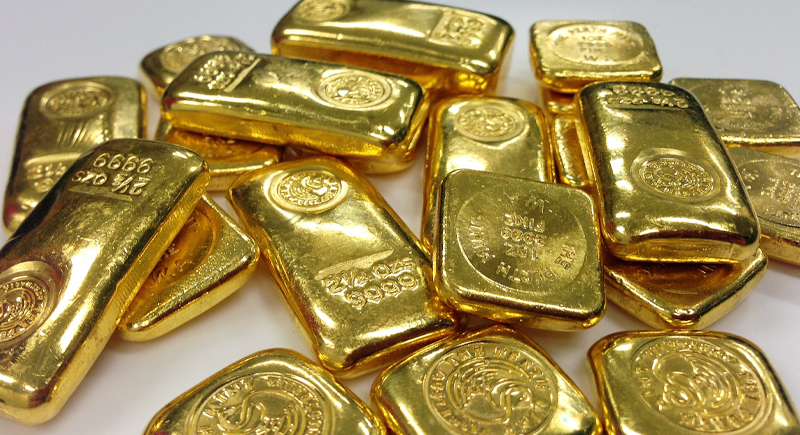
Gold – $87.06 Per Gram
Credit: Wikimedia Commons
Gold has never really fallen out of style, partly because it conducts electricity, resists corrosion, and works well in everything from electronics to medals. Prices fluctuate based on global events and investor sentiment, but they typically remain near the top of valuable everyday commodities. Even edible gold leaf shows up in desserts and drinks.
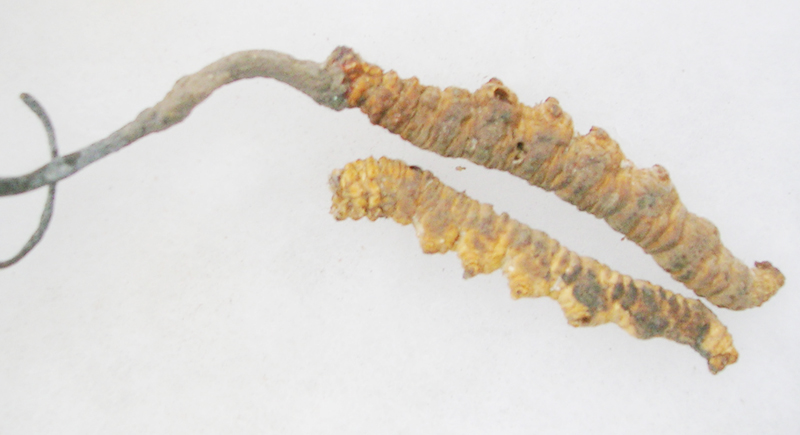
Caterpillar Fungus – Up To $110 Per Gram
Credit: Wikimedia Commons
High-altitude collectors spend weeks searching for this unusual material. It comes from a parasitic fungus that grows out of a caterpillar buried in the soil. It has been used for centuries in traditional medicine, and the short harvesting season, combined with tough terrain, limits the supply. In some Himalayan communities, sales of this fungus cover a huge share of household income.
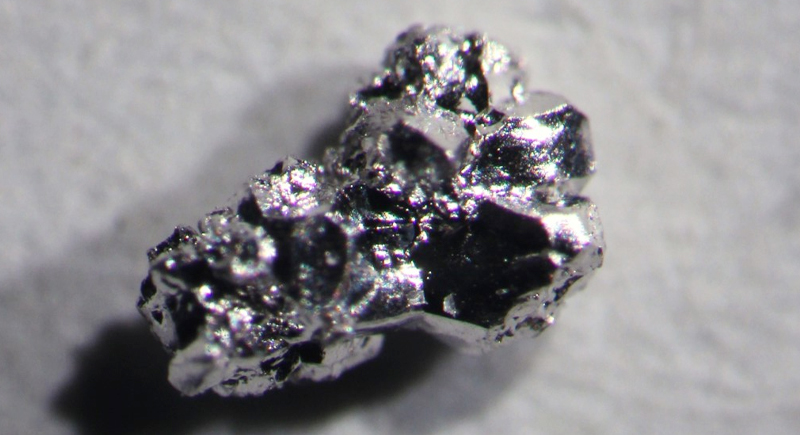
Rhodium – $152.72 Per Gram
Credit: Wikimedia Commons
Car companies rely on rhodium to help clean exhaust fumes. It goes into catalytic converters, and the combination of rarity and demand keeps the price high. Rhodium is tough, bright, and corrosion-resistant, which is why it also shows up in jewelry as a thin, shiny coating.
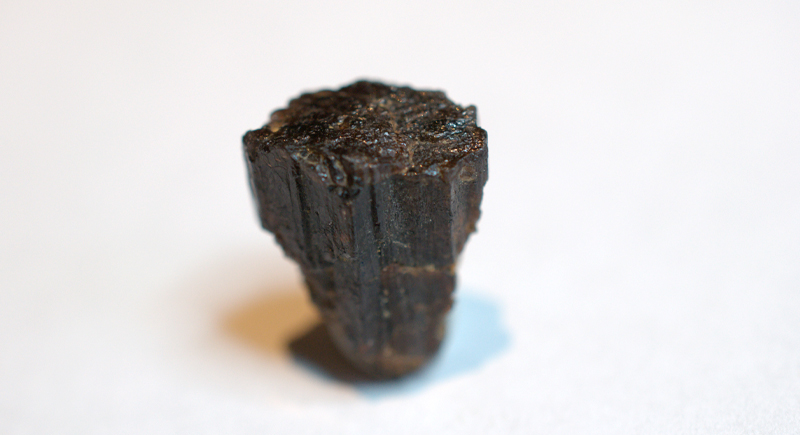
Painite – $300,000 Per Gram
Credit: Wikimedia Commons
For decades, only a handful of crystals existed. Painite was originally confused by mineralogists, who thought it was a type of sapphire. New pockets eventually emerged in Myanmar, but they are still extremely limited. Collectors and jewelers chase down even tiny pieces because they’re among the scarcest gemstones ever found.
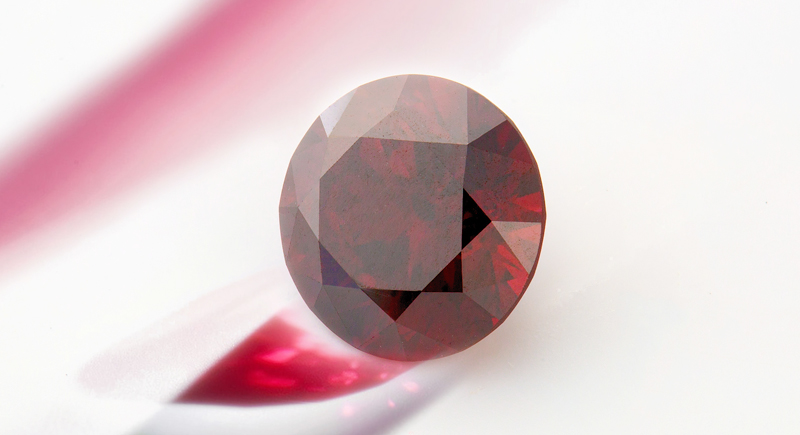
Red Diamonds – $5 Million Per Gram
Credit: Wikimedia Commons
These stones are rarely found in nature. Only a few dozen have ever been documented, and many are under one carat. Scientists suspect that something twists the diamond’s structure during formation, which changes the way light moves through it. When one of the very rare large stones appears, it usually becomes the centerpiece of a major auction.
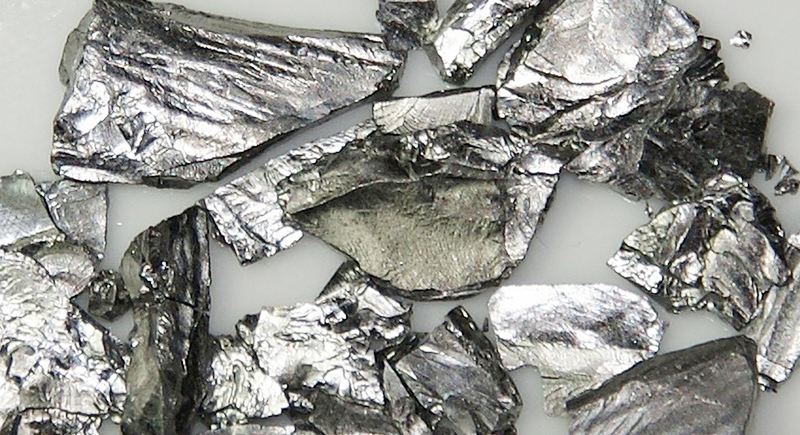
Californium-252 – $27.8 Million Per Gram
Credit: Instagram
This radioactive material isn’t dug up anywhere. It’s produced inside nuclear reactors and made only in microscopic amounts. One microgram emits millions of neutrons per minute, making it useful for reactor start-up operations, medical treatments, and industrial imaging. Each shipment requires heavy shielding and careful handling, adding even more to the cost.
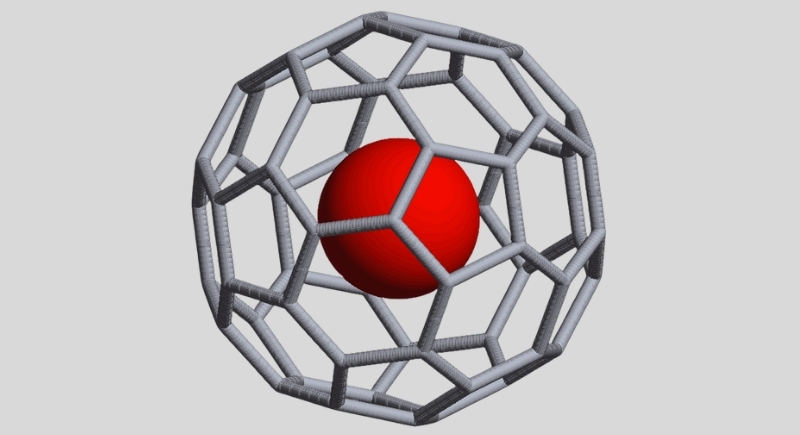
Nitrogen Atom-Based Endohedral Fullerenes – $137 Million Per Gram
Credit: Wikimedia Commons
Think of this as a tiny carbon cage wrapped around a single nitrogen atom. Scientists created it to explore new possibilities in timekeeping. The interaction between the nitrogen nucleus and its electrons produces an incredibly stable signal. That could shrink atomic clocks from bulky boxes to components small enough to fit inside a phone.
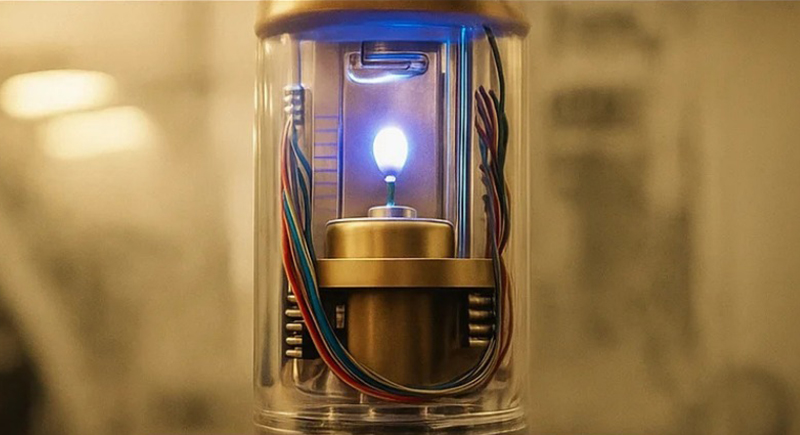
Antimatter – $59.8 Trillion Per Gram
Credit: Instagram
It’s made inside particle accelerators, bit by bit, and the yearly output doesn’t even reach a full nanogram. When antimatter interacts with matter, both are converted into energy, which is why researchers view it as a potential power source for future spacecraft. Keeping it contained requires magnetic traps, because any contact with ordinary materials triggers an instant annihilation. Production costs are enormous, storage is complicated, and quantities are tiny, which is why antimatter tops every list of the most expensive materials known.