These Are the Most Expensive Things on Earth
The world’s most expensive substances command their prices for very different reasons. Some, like rare gemstones, are valuable because nature produces them in such limited quantities. Others, such as certain medical isotopes, are costly to produce because they are highly complex. Prices are usually listed in US dollars per gram, and many of these materials are so scarce that they are measured and handled in almost microscopic quantities.
Antimatter
Credit: Creative Commons
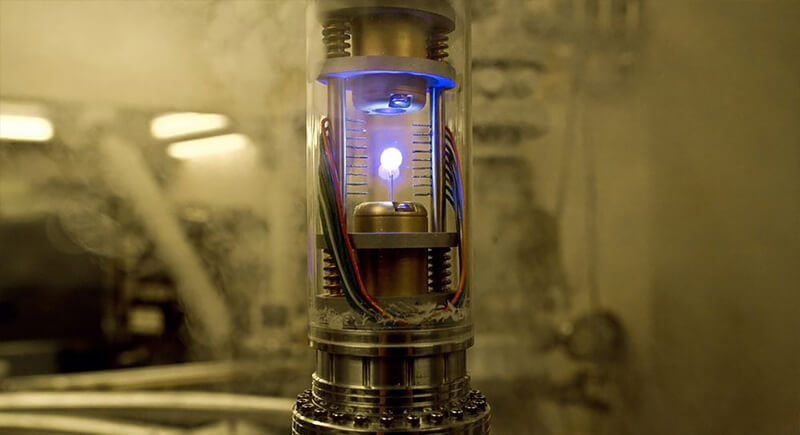
One commonly cited estimate puts the cost of antimatter at approximately $ 62.5 trillion per gram, because producing it in particle accelerators is incredibly inefficient. CERN has produced only tiny amounts in total, which keeps antimatter firmly in the lab-scale category. Storage requires electromagnetic traps because antimatter annihilates on contact with normal matter.
Taaffeite
Credit: Instagram
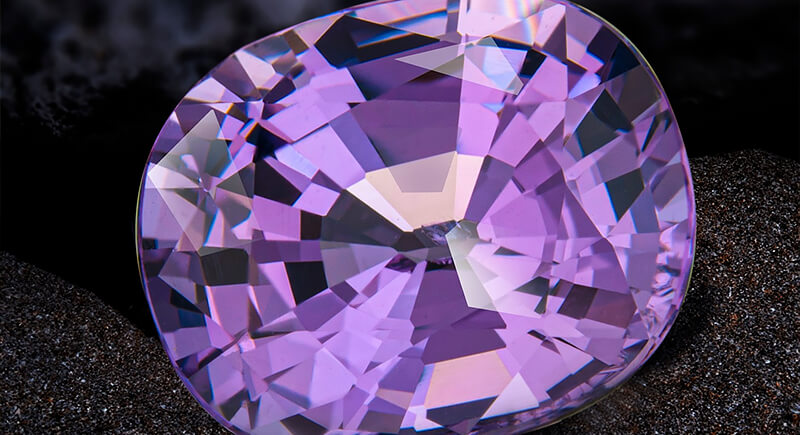
This gem was first identified in 1945 after a cut stone was found to be something other than spinel. Taaffeite is valued at around $20,000 per gram in many “most expensive materials” lists because gem-quality pieces are extremely rare. The stone shows double refraction, a real optical property that helps distinguish it from lookalikes. Most taaffeite in the market comes from places like Sri Lanka and Tanzania, which are known sources for the mineral.
Tritium
Credit: Wikipedia
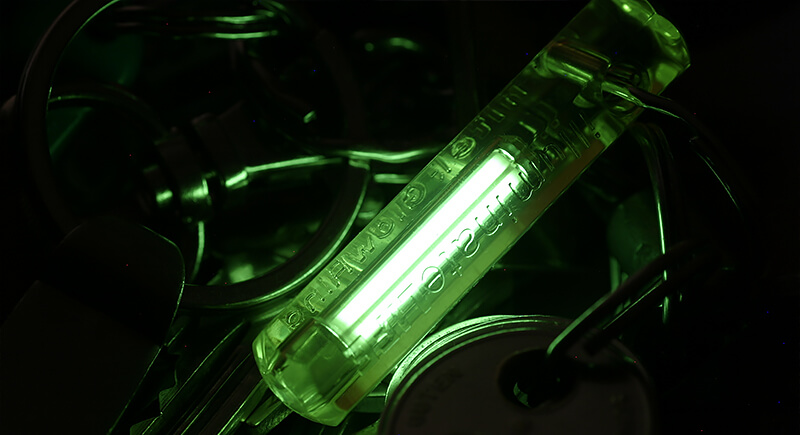
A single gram of tritium is often priced around $30,000 because it is produced in nuclear systems and tightly controlled. Many exit signs glow for years without electricity because they use tritium to excite a phosphor coating. The isotope is hydrogen with two neutrons, which makes it radioactive and useful in research.
Painite
Credit: Wikimedia Commons
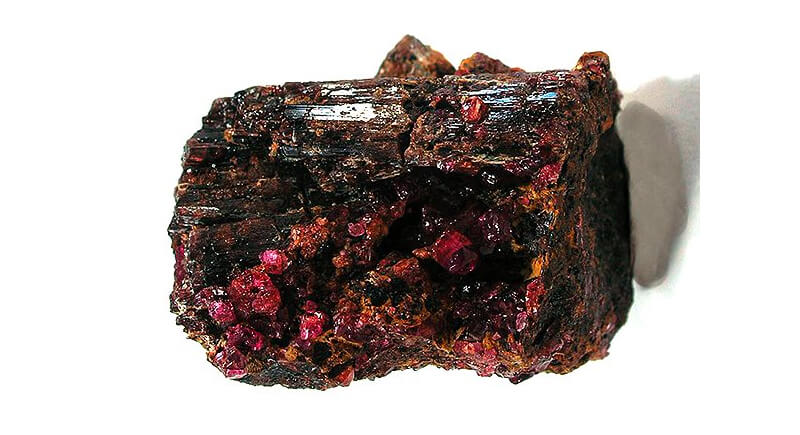
First discovered in Myanmar, this mineral was once known from only a tiny number of specimens. Lists often peg painite at about $250,000 per gram because gem-quality crystals remain scarce, even after additional finds. Painite’s collector value is tied to how few facetable stones exist, since most crystals are too included for high-end cuts. A single good crystal can be more valuable than a larger but lower-quality piece because clarity drives gemstone pricing.
Red Diamonds
Credit: Getty Images
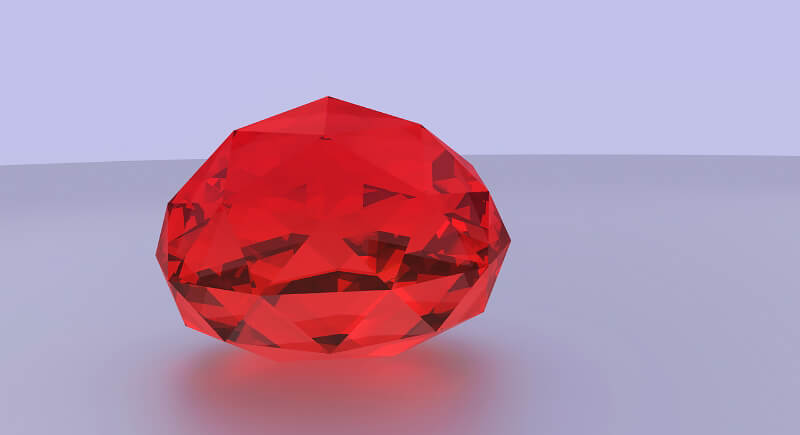
Natural red diamonds are among the rarest fancy-color diamonds, and prices can run around $5,000,000 per gram in popular price comparisons. Some red diamonds sell for more than $1,000,000 per carat, which translates to extremely high per-gram prices because 1 carat equals 0.2 grams. The color usually comes from crystal lattice distortion rather than a chemical impurity, which is one reason true reds are so uncommon.
Endohedral Fullerenes
Credit: arstechnica
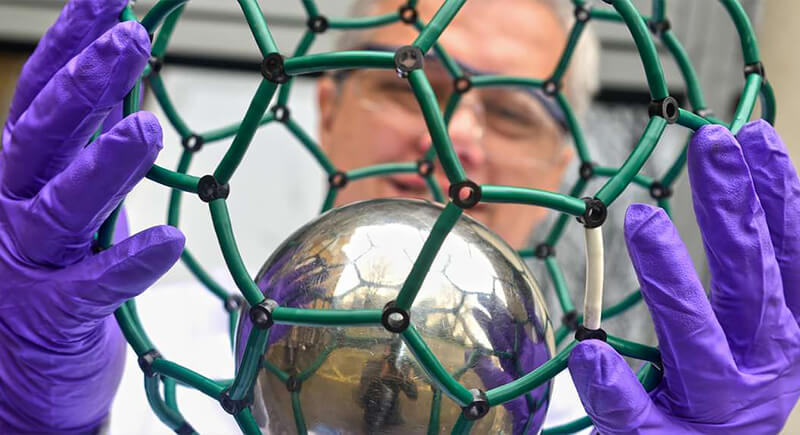
These carbon cages can cost nearly $150,000 per gram due to complex production and low yields. Some types trap atoms inside a hollow carbon shell, which is what “endohedral” refers to. Researchers have studied them for ultra-precise timing tied to atomic clock research. Oxford-linked work has cited prices reaching tens or even hundreds of millions of dollars per gram for specialized endofullerenes.
Californium-252
Credit: sarajevotimes
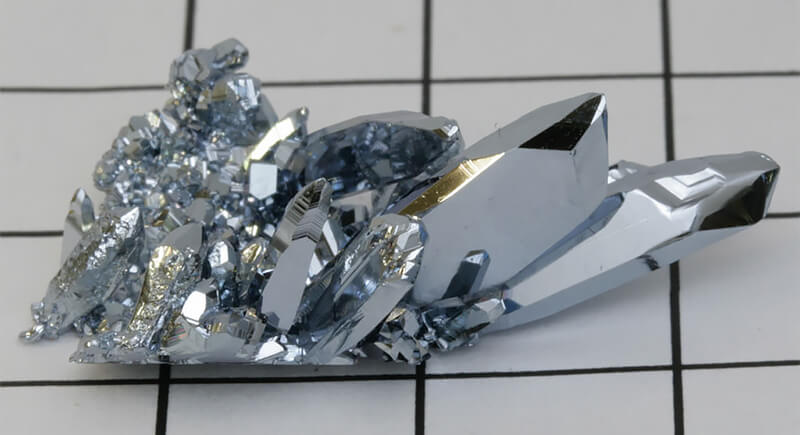
This man-made isotope is difficult to produce and requires extended reactor time, which drives its price to around $25 million per gram. It emits strong neutron radiation, making it useful for industrial imaging, some cancer treatments, and well-logging in oil and gas work. Its short half-life means it loses effectiveness over time, which further adds to its cost.
Technetium-99m
Credit: Wikipedia
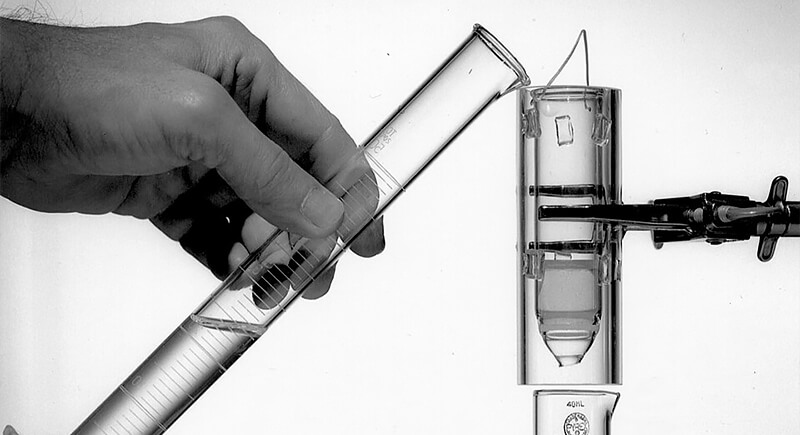
This is the workhorse isotope of nuclear medicine, and lists often attach a jaw-dropping $1,900,000,000-per-gram price tag to it. Hospitals use technetium-99m in enormous volumes of tiny doses for diagnostic scans, including bone imaging. It has a short half-life of about 6 hours, which means it must be produced and delivered on a tight schedule. Because grams are enormous compared with clinical doses, per-gram pricing can look extreme even when each patient dose is far smaller by mass.
Actinium-225
Credit: Wikipedia
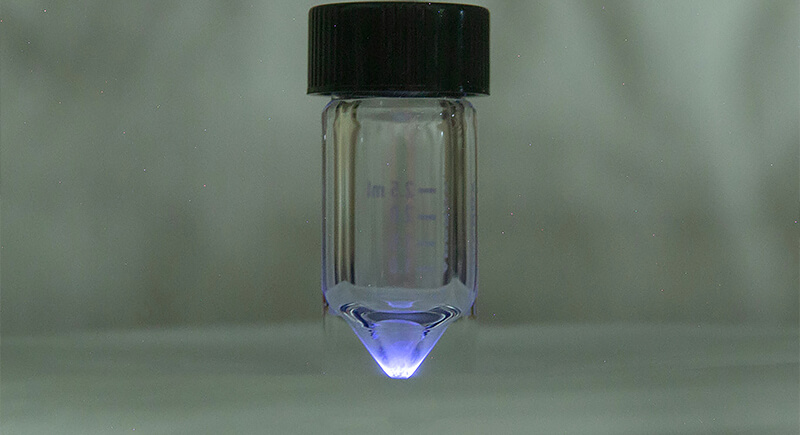
Actinium-225 is often listed at around $29 billion per gram because production is extremely limited and medical demand is high. Researchers study it for targeted alpha therapy, which uses alpha particles to damage cancer cells when bound to tumor-seeking molecules. Supply has long depended on a small number of specialized facilities and narrow production pathways. Its short half-life and complex handling needs further drive up cost and logistical difficulty.
Plutonium
Credit: Wikipedia
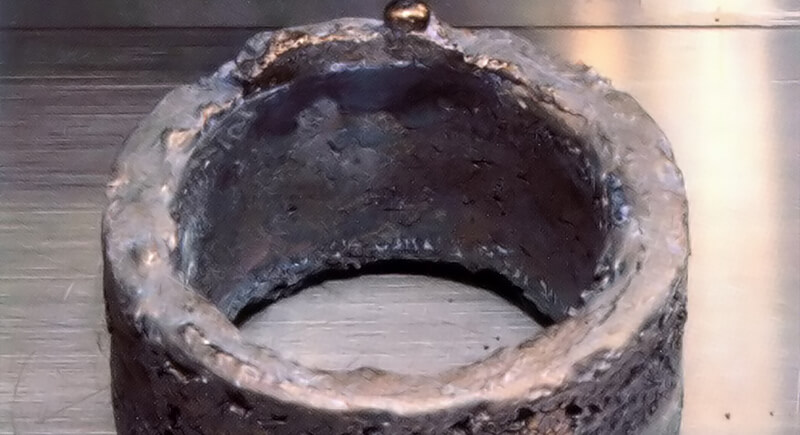
Pure plutonium is often priced around $4,000 per gram in reference comparisons, even though legal access is heavily restricted. Plutonium-238 has powered deep-space missions through radioisotope thermoelectric generators, which turn decay heat into electricity. Plutonium-239 is fissile, which is why it is associated with nuclear reactors and weapons programs. The material’s radioactivity and security controls create real costs that go far beyond the metal itself.