10 Ways to Accidentally Set Your Downsizing Budget on Fire
Downsizing sounds simple. Move into a smaller place, and your expenses should drop with it. But once you start the process, extra costs begin to show up in places you did not plan for. It usually is not one big mistake that causes the problem. It is a series of small decisions and missed details that add up over time. Here are the common ways a downsizing budget ends up costing more than expected.
Skipping The Plan

Credit: pixelshot
Downsizing involves more moving parts than it seems, and timing affects almost everything. Without a clear plan, decisions are pushed to the last minute, which drives up costs. Movers booked close to your date often charge more, especially during busy periods. Sorting everything late can also mean paying for extra help. A simple timeline keeps things manageable and helps you avoid paying for problems that could have been handled earlier.
Chasing The Wrong Details

Credit: Getty Images
People often spend hours deciding the fate of items that have little financial impact. That time delay pushes packing into tighter deadlines, which increases labor costs. Focusing first on essentials like furniture and daily-use items speeds up moving volume. When minor items take priority, the move becomes slower and more expensive, even though nothing meaningful was saved.
Guessing The Space

Credit: pexels
Accurate measurements keep you from hauling furniture that won’t fit in your new place or from replacing pieces after the move. Items that suited a larger home can become costly mistakes in a smaller one. Without checking dimensions, movers end up transporting pieces that will not fit through doorways or into tighter rooms. You still pay for the weight and space they take up.
Forgetting Moving Costs

Credit: Canva
Downsizing reduces housing costs over time, yet the move itself comes with a long list of expenses. Packing materials, transportation, labor, and insurance all require upfront spending. When these costs are missing from the budget, the financial shock arrives during the move. Accounting for every moving expense early keeps the downsizing plan financially realistic.
Choosing Cheap Help

Credit: pixabay
Licensed movers usually provide insurance coverage for belongings, so spending a little more on them can help prevent major losses later. A low moving quote can feel like a victory until problems start showing up. Broken furniture, missed timelines, and careless packing often turn cheap services into expensive disasters. Replacing damaged items quickly erases the initial savings.
Ignoring Hidden Housing Costs

Credit: Canva
Extra costs often show up soon after you move. Checking them in advance helps you understand what you are actually taking on. Property taxes are tied to location, not size, so a smaller home does not guarantee lower bills. Homeowner association fees can also add a monthly expense that rivals utilities.
Holding Onto Too Much

Credit: pixelshot
Extra belongings make every part of the move more expensive because more items require more boxes, more labor, and more space in the truck. People often pack things they plan to donate later, which means paying to move items that never stay. Sorting aggressively before moving day reduces weight, cuts labor hours, and shrinks transportation costs.
Bringing The Wrong Furniture

Credit: Canva
Large furniture built for spacious homes rarely works well in smaller rooms. Oversized sofas and tables crowd the layout and reduce usable space. Moving those pieces still costs money, even if they are replaced later. Selling or donating bulky items before moving day eliminates wasted transport fees and makes the new space easier to furnish.
Skipping Storage Planning
Credit: Getty Images
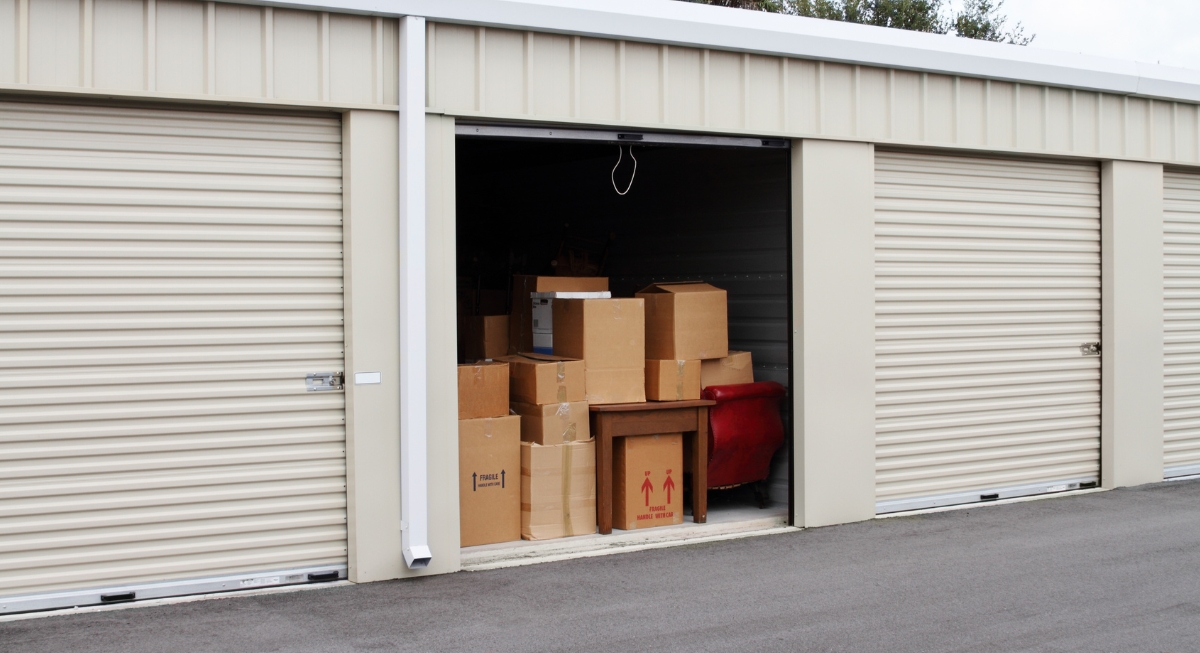
Storage units often start as a short-term fix but turn into a recurring expense. Monthly fees can continue for years without a clear plan for what is stored. Downsizing means less space, so certain items need a place from the start. Planning for documents, seasonal gear, and keepsakes helps you avoid last-minute rentals that stretch the budget.
Selling Too Soon

Credit: Canva
Preparing a full inventory and layout plan before listing gives homeowners control over timing and prevents expensive mistakes driven by urgency. Putting a home on the market before downsizing decisions are complete creates intense time pressure. Deadlines force quick choices about movers, furniture, and storage. Those rushed decisions usually cost more.