10 Disruptive Blueprints Pioneering The Digital Property Frontier
Real estate has long been known for slow, paperwork-heavy processes, but that’s starting to change. Today, technology is reshaping how properties are built, managed, and even bought or sold. Tasks that once required in-person meetings and manual work are now handled through digital tools and automation. These changes are already influencing how investors make decisions and how the industry operates day to day.
Tokenized Ownership Markets

Credit: Canva
Fractional ownership has existed for years, though blockchain adds a new level of accessibility. Properties can now be divided into digital tokens that trade like shares. This approach lowers entry barriers for investors who cannot afford full buildings. Analysts estimate trillions in real estate value could be tokenized over the next decade.
AI-Driven Property Valuation

Credit: Canva
Pricing a property once relied heavily on local expertise and comparable sales. Artificial intelligence now processes large datasets that include infrastructure updates and even consumer behavior. Real estate firms report measurable gains in productivity after adopting AI tools. Agents spend less time building reports and more time focusing on negotiation and client relationships.
Virtual Reality Home Exploration

Credit: Canva
Back in the early 2010s, virtual tours were little more than stitched photos. The shift to immersive VR changed expectations. Companies such as Matterport helped popularize 3D walkthroughs that buyers can explore on demand. People now revisit homes virtually multiple times before stepping inside.
Smart Contracts Replacing Paper Deals

Credit: Canva
Traditional transactions involve layers of intermediaries and paperwork. Smart contracts streamline this process by embedding terms directly into code. Once conditions are met, ownership transfers automatically. This reduces delays and lowers reliance on third parties such as escrow services.
Digital Twins For Property Management

Credit: iStockphoto
Engineers borrowed the concept of digital twins from manufacturing and applied it to buildings. A developer can now simulate how a property will perform years into the future before construction finishes. Some large commercial projects already rely on these models to monitor energy use in real time. Facility managers also use the data to predict maintenance needs.
Crypto-Backed Real Estate Financing

Credit: Pexels
Investors holding digital assets no longer need to sell them to purchase property. Crypto can serve as collateral for loans tied to real estate acquisitions. This keeps portfolios intact while unlocking liquidity. Lenders benefit from diversified collateral, and borrowers gain flexibility that traditional financing rarely offers.
Autonomous Construction Robotics

Credit: iStockphoto
Construction sites are beginning to feature machines that handle repetitive tasks with precision. Robotic systems such as automated bricklaying units can build large sections of a home in days. These machines follow digital blueprints and reduce labor shortages. The technology is already being tested in large-scale projects and could reshape timelines for future housing development.
Self-Healing Building Materials
Credit: Canva
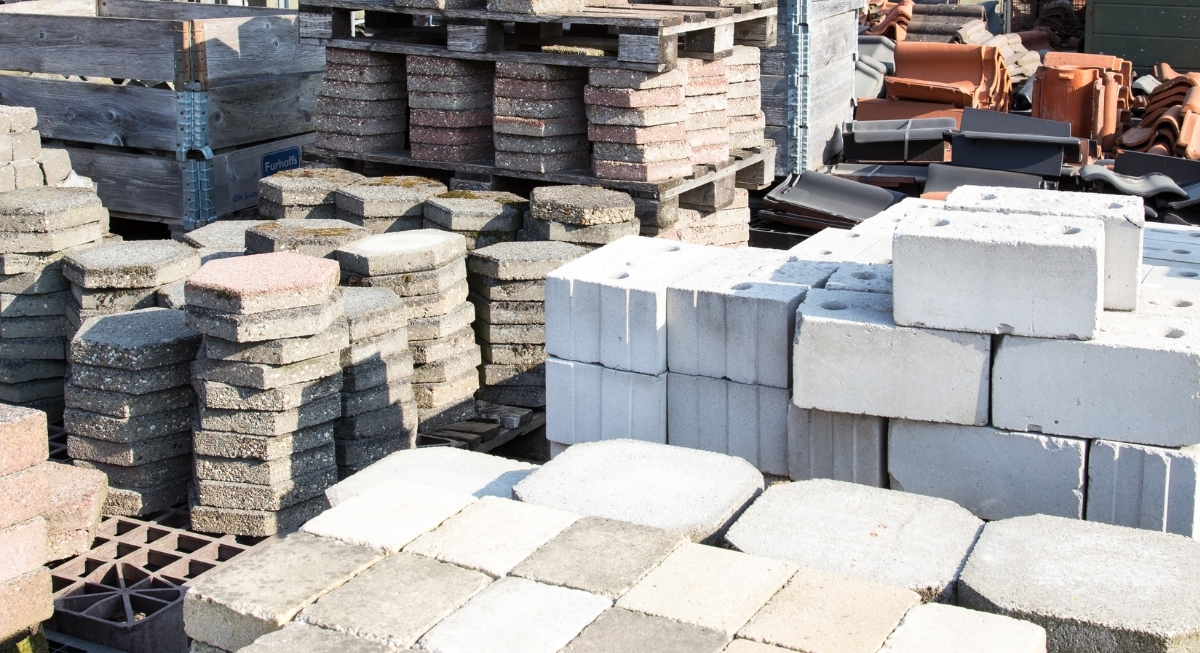
Researchers in the Netherlands introduced a type of concrete containing bacteria that activate when cracks form. The bacteria produce limestone, sealing gaps before they grow larger. If widely adopted, it could extend the lifespan of buildings and reduce maintenance budgets, which is a major concern for large-scale developments and public works.
AI-Powered Brokerage Platforms

Credit: Canva
AI-driven platforms now handle tasks such as answering inquiries and filtering leads at any time. Some systems even suggest pricing strategies based on market activity. A brokerage that once relied on manual follow-ups can now operate with continuous digital support. This gives agents more time to close deals.
Floating Cities And New Land Supply
Credit: Reddit
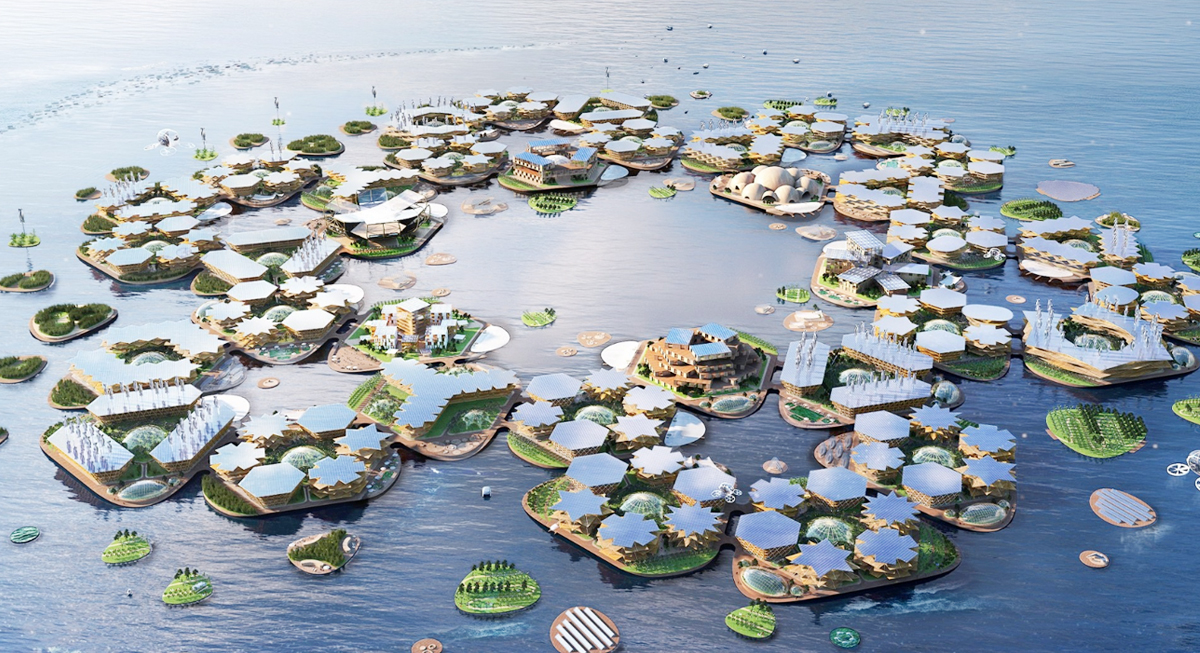
Urban land shortages have pushed developers to explore ideas that once felt experimental. Ocean-based communities are moving into early development stages, with projects like Oceanix City drawing attention from global organizations. With rising sea levels and population growth, the concept has gained serious consideration as a long-term solution for housing and commercial space.