The Craziest Failed Products Ever Released to the Public
Trying something new doesn’t always lead to genius. Sometimes, companies release products so bizarre or badly timed that they confuse more than they impress. We’re talking about full-blown flops that left the public wondering what went wrong. Here’s a look at 10 failed products that reached shelves and then quietly disappeared with a trail of confusion behind them.
Colgate’s Frozen Lasagna
Credit: flickr
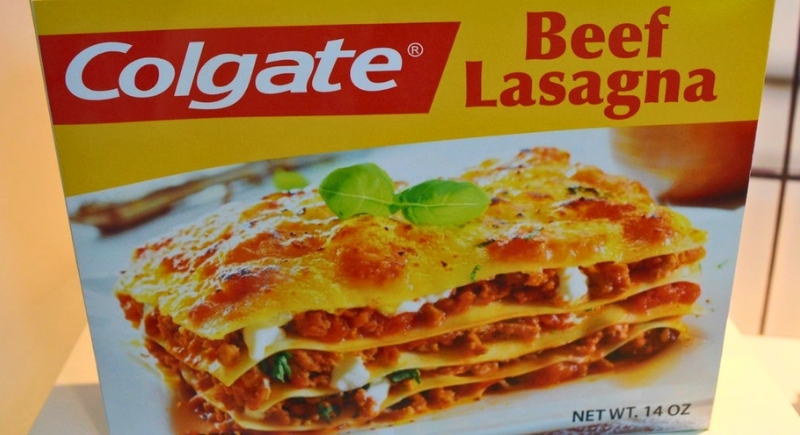
In 1982, Colgate introduced frozen meals under the same name people associated with brushing their teeth. Imagine seeing Colgate Beef Lasagna next to your toothpaste in the same shopping cart. Weirdly enough, it also dragged down toothpaste sales, because now people were thinking of lasagna at the sink.
Microsoft’s Clippy
Credit: Youtube
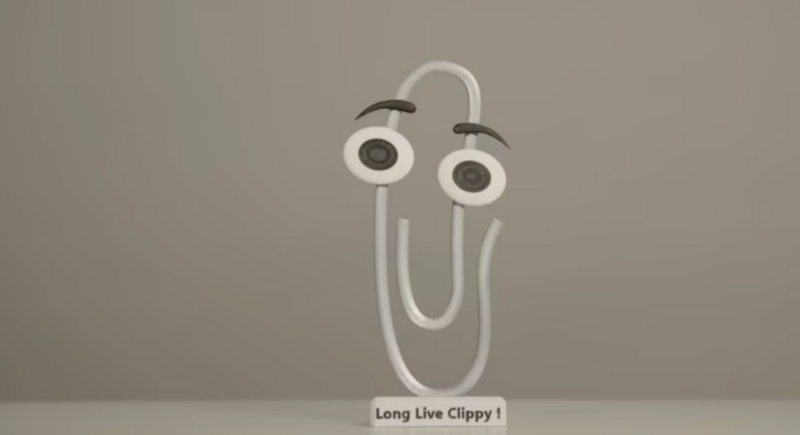
Originally designed to be helpful, Clippy appeared uninvited on Microsoft Word screens in the late 1990s. It asked awkward questions and offered useless tips. Over time, Clippy became a punchline for annoying software, and Microsoft finally retired it in Office 2007.
Cheetos Lip Balm
Credit: Instagram
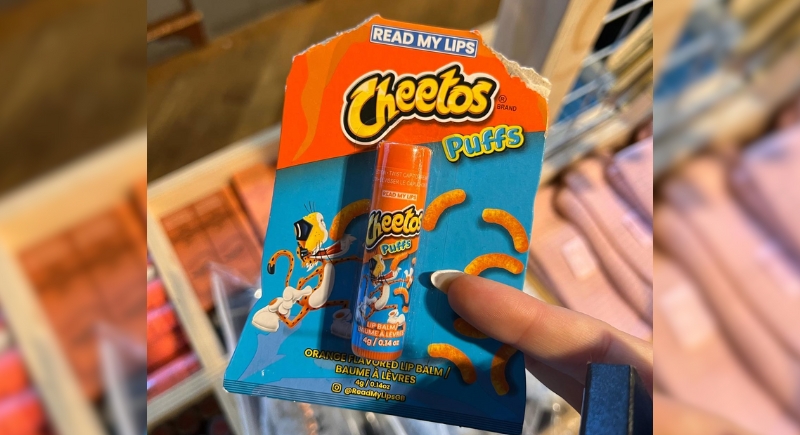
In 2005, Frito-Lay leaned hard into novelty with a Cheetos-flavored lip balm. Yes, it was meant to taste like cheese. The idea drew attention, but not many converts. While the branding was memorable, most people were not keen on spending the day with artificial cheese flavor on their lips, and the product quietly disappeared.
Bic For Her Pens
Credit: X
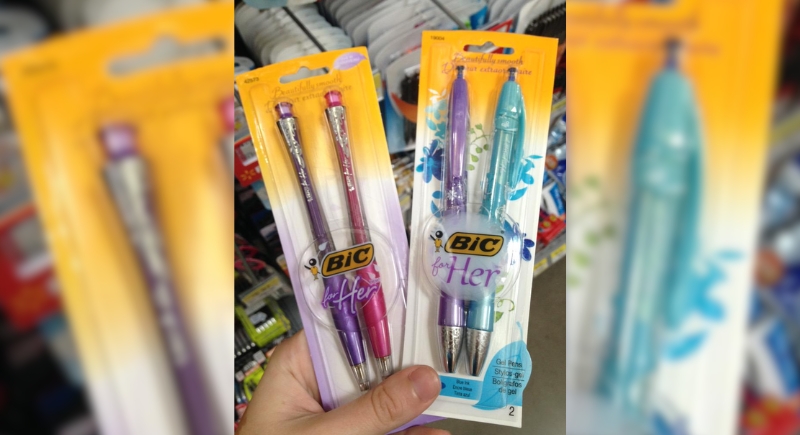
In 2012, Bic released pens “for her,” a standard ballpoint pen, but with pastel colors and packaging specifically designed for women. The internet immediately mocked the product. Reviews flooded in with sarcastic takes about how women finally had the right tools to write. The backlash was loud, and sales were weak.
Juicero
Credit: Youtube
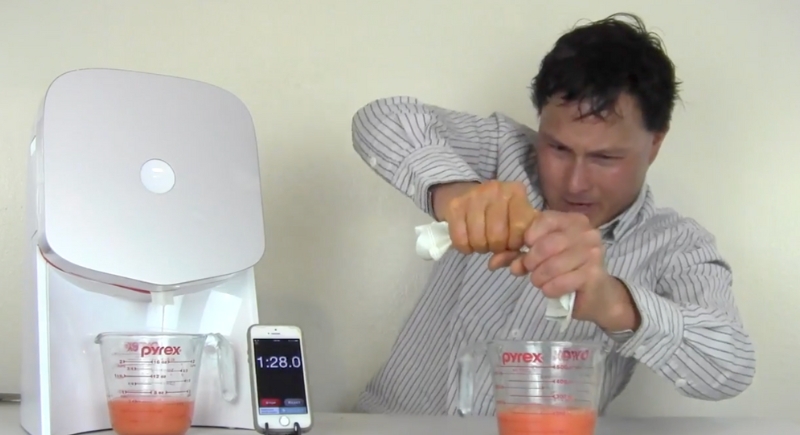
Juicero sold a $400 countertop machine that claimed to deliver fresh, cold-pressed juice using proprietary packs. The pitch fell apart in 2017 when Bloomberg revealed the packs worked just as well when squeezed by hand. More than $100 million in investor funding had been invested in what many realized was an overbuilt solution to a problem that never existed.
New Coke
Credit: Youtube
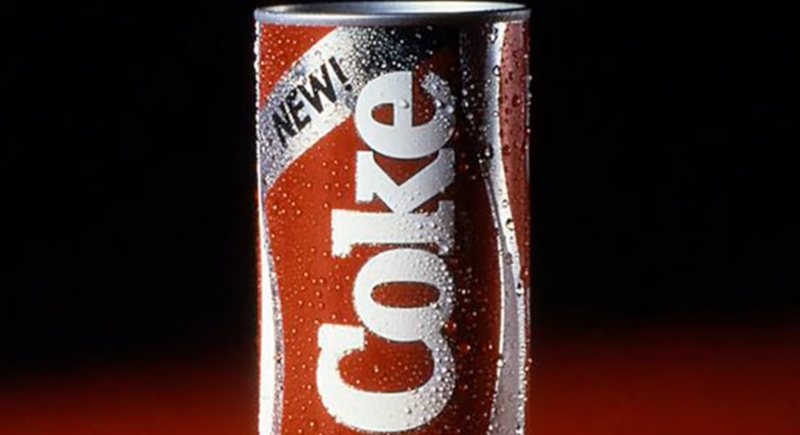
Coca-Cola attempted to tweak its classic formula in 1985 with “New Coke,” hoping to counter Pepsi’s growing popularity, but it failed, and fans protested. Stores received calls demanding the return of the old version. Within three months, Coca-Cola reversed course, rebranded the original as “Coca-Cola Classic,” and slowly phased out New Coke.
Rejuvenique Facial Mask
Credit: Instagram
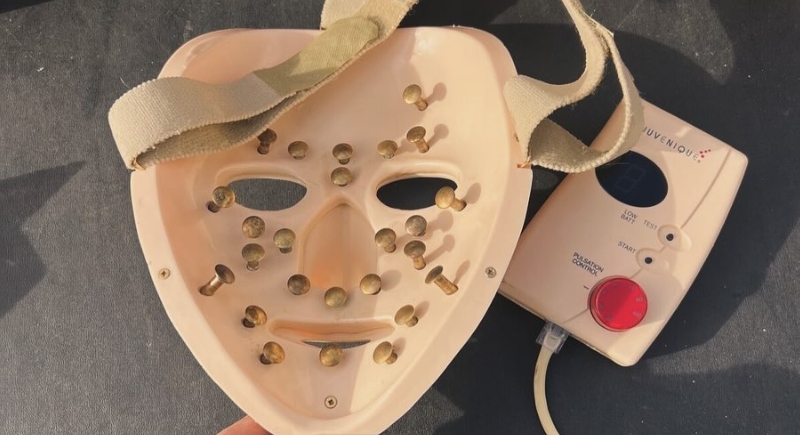
Looking like something from a sci-fi horror film, the Rejuvenique mask hit shelves in 1999. It promised to tone facial muscles using mild electrical pulses. Reviews said it felt more like facial zapping. The odd-looking device didn’t sell well, and its commercial—featuring a glowing, expressionless mask—didn’t help.
Google Glass
Credit: Wikimedia Commons
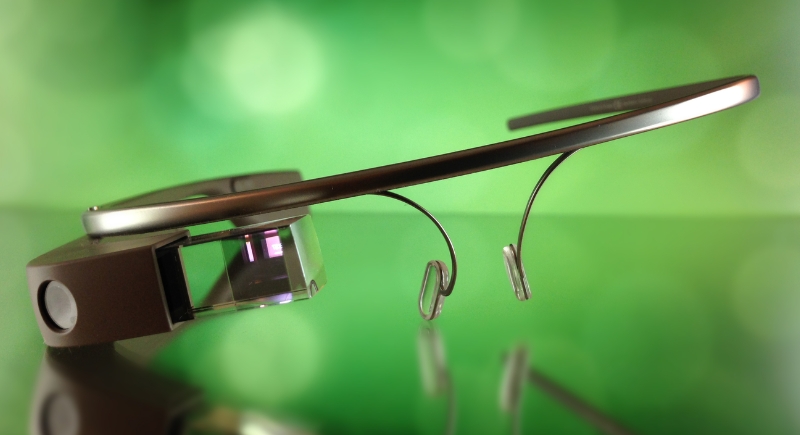
The tech world buzzed when Google Glass was announced in 2013. Wearable smart glasses sounded futuristic. But concerns about privacy, limited functionality, and a $1,500 price tag turned excitement into criticism. The public called wearers “Glassholes.” Google ended consumer sales in 2015, shifting the project to enterprise markets instead.
Crystal Pepsi
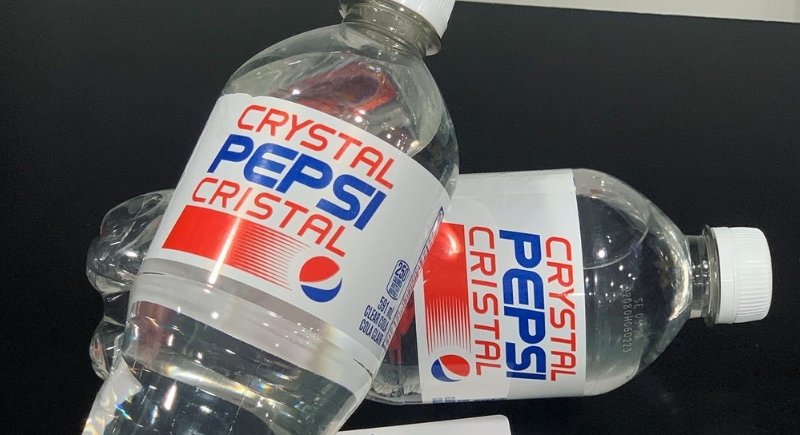
Credit: Instagram
Clear, caffeine-free, and designed to look “pure,” Crystal Pepsi launched in 1992. It was part of a broader trend toward transparency in marketing at the time. But the taste didn’t match expectations, and confusion grew about what it was supposed to be. Pepsi brought it back a few times as a nostalgia gimmick.
Trump Steaks
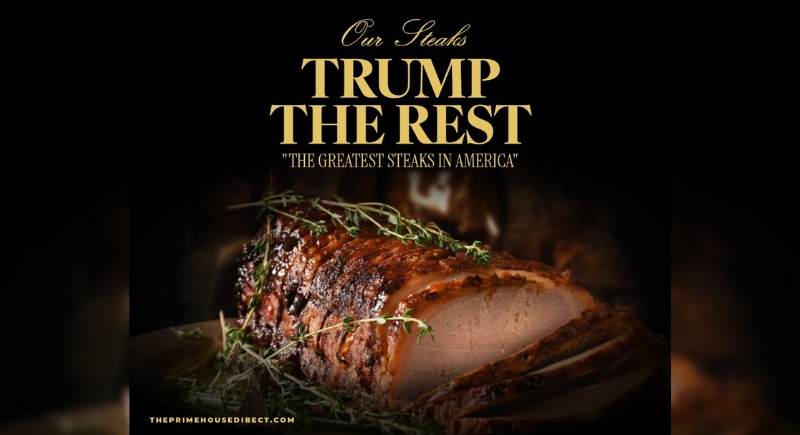
Credit: Instagram
Trump Steaks were advertised as premium cuts with bold marketing and a high price. They didn’t catch on. The brand was pulled after just two months. Even the company’s retail partner admitted they weren’t a natural fit for their stores. It’s now one of many lesser-known ventures that didn’t work out under the Trump brand.