10 Countries With the Highest Savings Rates in the World
Countries that set aside large portions of economic output tend to do it for very different reasons. Energy revenue, rapid growth, corporate accounting, or strict policy can all push national savings higher. Looking at recent global data, these 10 countries consistently channel an unusually large share of the Gross Domestic Product away from day-to-day spending, and the patterns behind it say a lot about how their economies actually work.
Ireland

Credit: Getty Images
Multinational profit booking is the real story behind Ireland’s numbers. Corporate earnings inflate national income, pushing GDP per capita to about $131,175, even though household wages look far more ordinary. The accounting effect also drives an unusually high share of output being retained, with roughly 58.9% of GDP classified as savings in official data.
Brunei
Credit: Getty Images
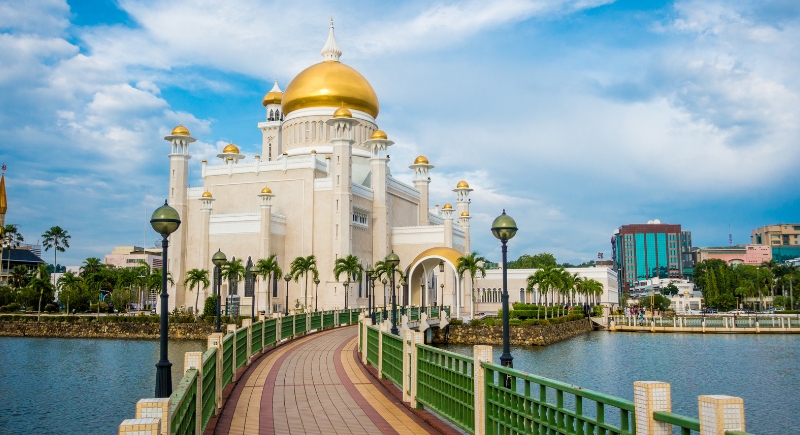
With fewer than 500,000 residents, Brunei’s economy is dominated by the state. Energy exports funnel revenue directly into government coffers, leaving little room for consumer spending. As a result, close to 48.5% of total output is saved. Nominal GDP per capita reaches about $90,007.
Republic of the Congo
Credit: pexels
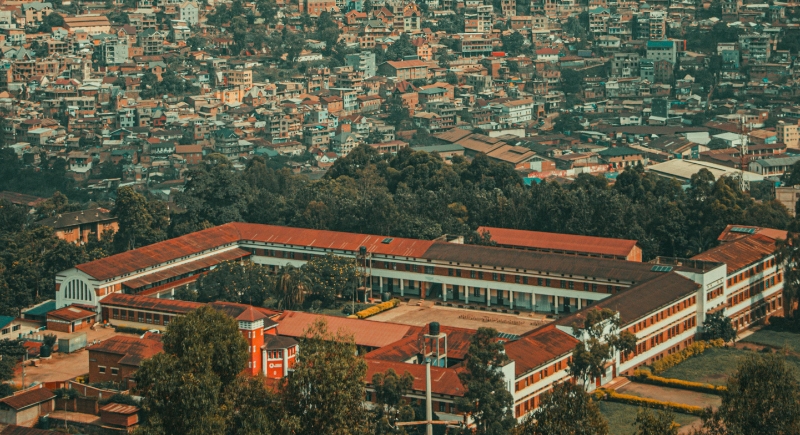
Oil exports keep government revenues well ahead of domestic consumption in the Republic of the Congo. The gap explains why roughly 39.2% of GDP is set aside nationally. Income per person remains modest by global standards at around $7,026, though it still exceeds several neighboring economies without comparable access to energy revenue.
Angola
Credit: Getty Images
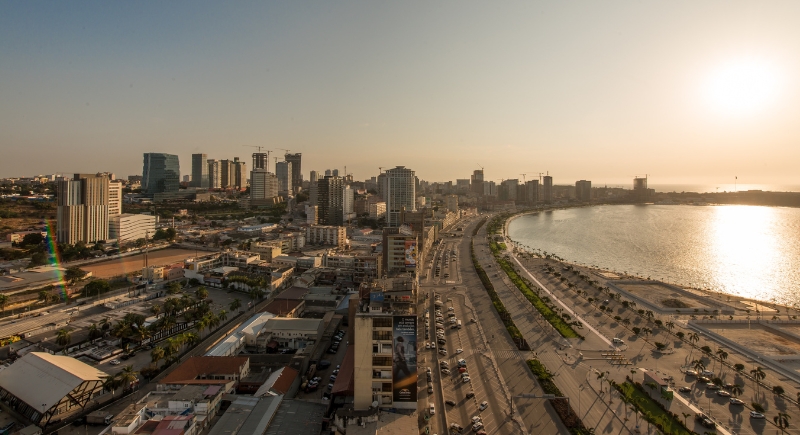
National income figures in Angola often look stronger than everyday conditions suggest. Oil dominates exports and public revenue, allowing around 38.5% of GDP to be retained. At the same time, average earnings are near $8,348.
Iraq
Credit: Getty Images
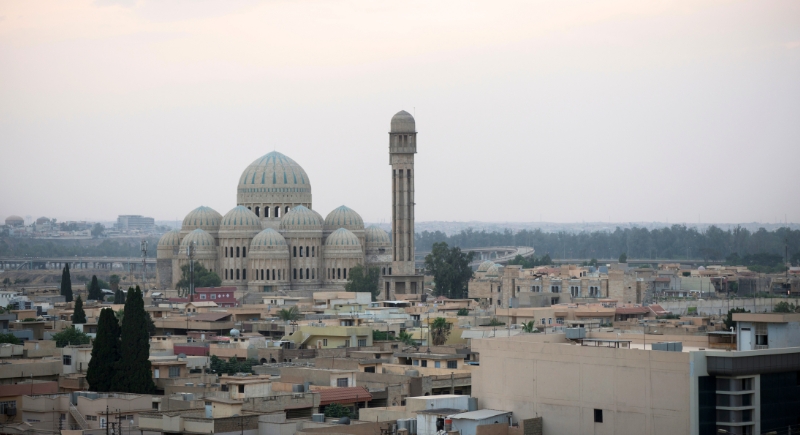
Reconstruction pressures have not erased Iraq’s reliance on energy exports. Oil still accounts for most government income, keeping national savings in the low-40% range. Output per person is estimated at about $14,464, a figure that reflects export strength.
Norway
Credit: Getty Images
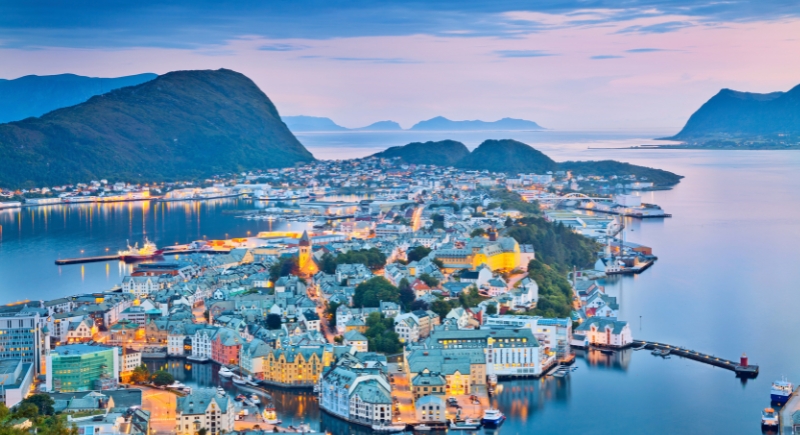
Unlike many resource producers, Norway limits the amount of oil revenue that enters the economy each year. Strict fiscal rules send surplus revenue into a sovereign wealth fund, holding savings in the low-30% range. Even so, GDP per capita reaches around $101,032, supported by high productivity and a diversified, tightly regulated economy.
Singapore
Credit: Getty Images
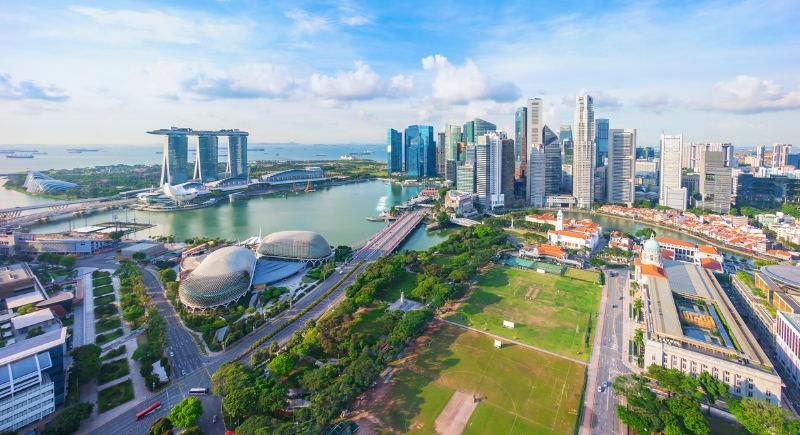
High efficiency matters more than raw savings in Singapore’s case. GDP per capita approaches $150,689, driven by advanced services, logistics, and finance. Mandatory pension contributions and state-linked investment structures keep national savings in the mid-30% range, but economic strength comes primarily from productivity.
Luxembourg

Credit: Canva
Luxembourg’s economy is defined by cross-border finance. Investment funds and multinational offices push income per resident to about $150,772, one of the highest levels globally. Despite that wealth, the share of output saved remains closer to the low-30% range.
Gabon
Credit: Getty Images
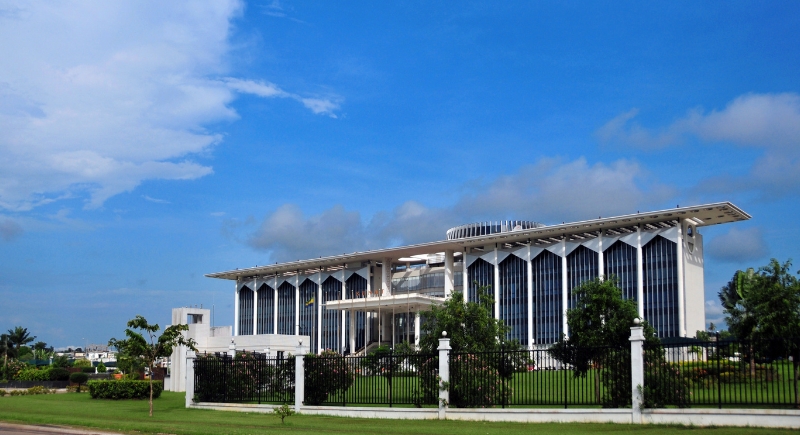
Oil revenue lifts Gabon above many regional peers, with an average income of around $21,509. Still, the country does not post extreme savings figures. National savings stay in the low-30% range, well below inflated estimates.
Tanzania
Credit: Getty Images
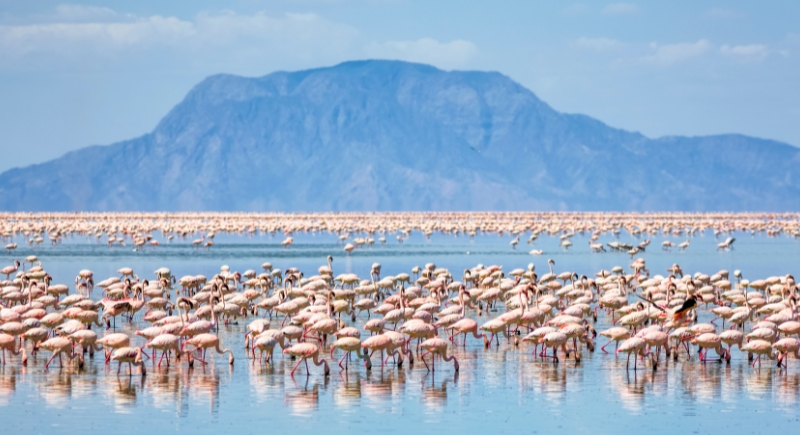
Once revised data are taken into account, Tanzania no longer appears among the world’s top savers. The share of output set aside is just under 30%, while income per person is about $4,221. Investment continues to expand, but low earnings constrain how much of the economy can realistically be saved each year.