10 Countries With the Highest Minimum Wage
The minimum wage reveals how countries perceive work, fairness, and the cost of living. Some places have a single rule for everyone. Others adjust pay based on age, experience, or location.
A high minimum wage can mean better living standards, but it also reflects deeper economic choices. It can reveal how a country values its workforce or the extent of union influence. In some cases, it serves as a political tool. This list looks at the countries where the lowest legal wages are still among the highest in the world.
Luxembourg

Credit: Getty Images
Luxembourg employs a tiered model based on skill level rather than a fixed number. Experienced workers earn approximately $3,214 per month, while those in unskilled roles receive $2,679. Teenagers are paid less, but still above the average in most countries. These rates are regularly indexed, with national and sector-specific adjustments.
Geneva
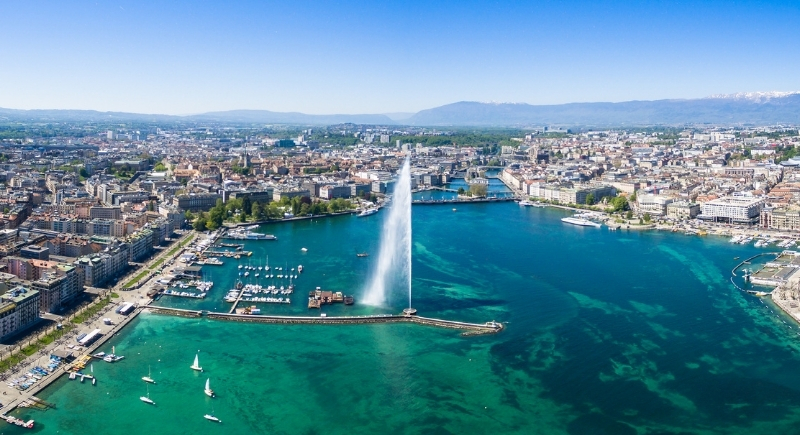
Credit: Canva
Switzerland doesn’t have a national minimum wage, but the city of Geneva has its own rules. Workers here are guaranteed at least $27.57 per hour, which adds up to nearly $4,774 a month. Other Swiss regions may offer far less or follow employer pacts, so Geneva stands out not just in Switzerland, but globally.
Australia

Credit: Getty Images
A federally mandated wage of $15.57 per hour places Australia among the top-paying countries. For full-time adult workers, that totals about $2,562 per month. While some sectors and apprentice roles follow alternate rates, the national floor remains a key labor benchmark, reviewed annually by the Fair Work Commission.
Netherlands
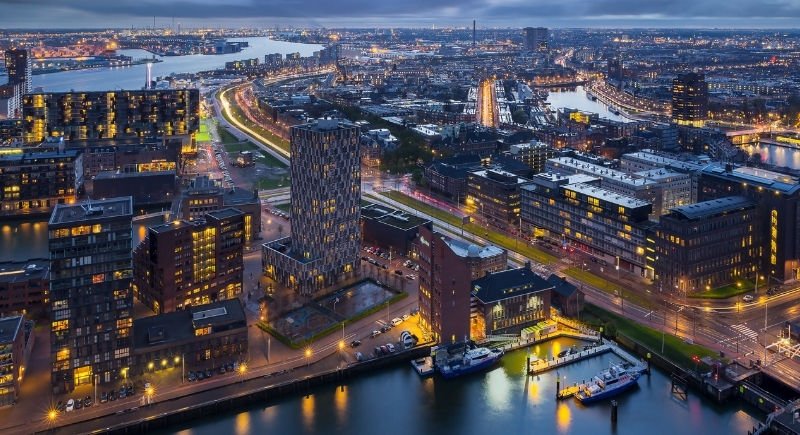
Credit: Getty Images
The Dutch minimum wage starts strong at $14.83 per hour for workers 21 and older. For anyone younger, pay drops by the year, down to $4.43 for 15-year-olds. Employers also control hours, so a teen’s actual paycheck can vary widely even with the same hourly rate. It’s a well-structured system, albeit tight.
Ireland

Credit: Getty Images
Younger workers in Ireland are paid a percentage of the adult wage. The full rate is $14.22 per hour, or $2,402 monthly. Those under 20 earn 90% or 70% of that amount, depending on their age. The model is designed to create a gradual income path without abrupt jumps.
U.K.
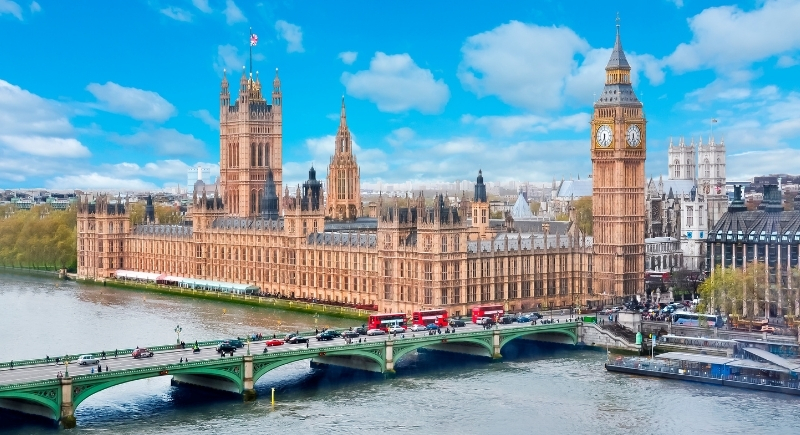
Credit: Getty Images
In the UK, there’s the National Minimum Wage and the Living Wage. Adults over 21 now earn the higher rate, $15.40 per hour. Others, including apprentices and teens, fall under a different pay scale starting at $9.53. Rates adjust annually in April and reflect current cost-of-living data and labor market forecasts.
New Zealand
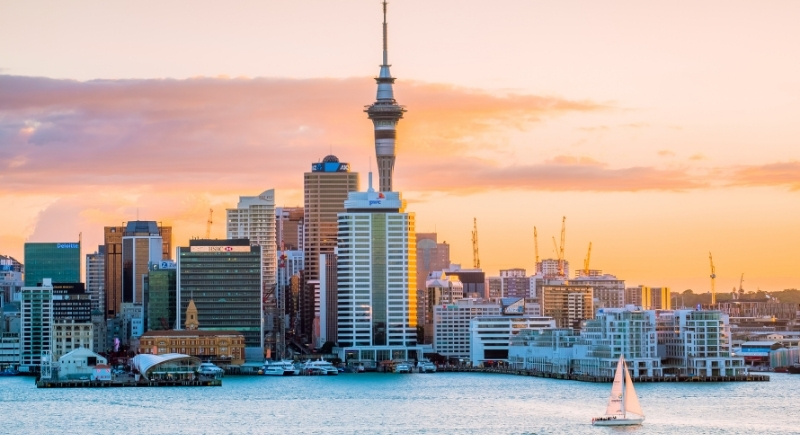
Credit: Getty Images
New Zealand keeps things straightforward. Anyone 16 or older can earn the full minimum wage, currently $13.67 per hour; however, workers under 18 must work for 6 months to receive the full rate. There is a “starting out” rate at $10.94 for those in their first six months of work. This setup eliminates the need for multiple brackets and provides younger workers with a faster path to equal pay.
Germany

Credit: Getty Images
A minimum of $12.93 per hour forms Germany’s legal base wage, equal to roughly $2,172 per month. But that’s only part of the picture. Sectors like manufacturing often operate under collective agreements that raise the bar beyond the legal base. In practice, many workers earn more than the minimum wage posted.
Belgium
Credit: Getty Images
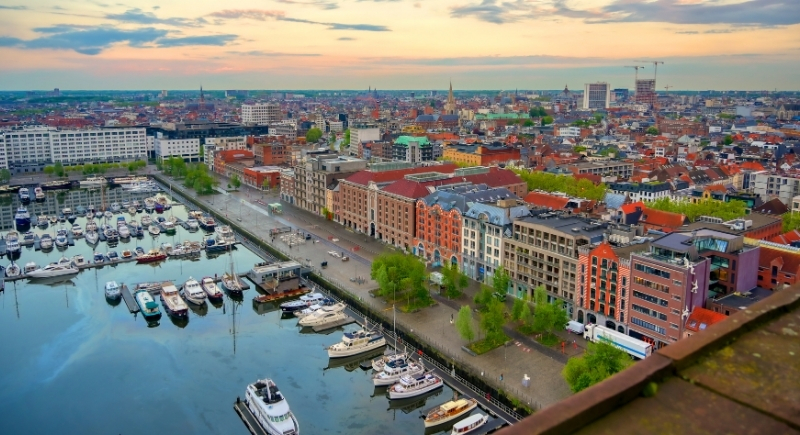
The legal base pay in Belgium is $2,181 per month. That’s just the beginning. In most sectors, unions and employers negotiate binding agreements that override the national rate. Fields such as construction and transportation usually secure higher wages, so the minimum wage functions more like a legal safety net than a standard.
South Korea

Credit: Getty Images
At $1,570 per month, South Korea remains in a high position among Asian countries for legal base pay. Annual reviews determine adjustments after feedback from unions and business groups. Compliance is strong in formal industries, though some smaller companies have faced criticism for underpaying, especially in contract or temporary roles.