10 Companies That Are Too Big to Fail
Big companies collapse all the time, but a few have grown into such giants that their fall could send shockwaves across the globe. Governments watch them closely, and economists track their every move. Here’s a look at the companies that are simply too big to hit the ground without the whole world feeling it.
Amazon
Credit: Wikimedia Commons
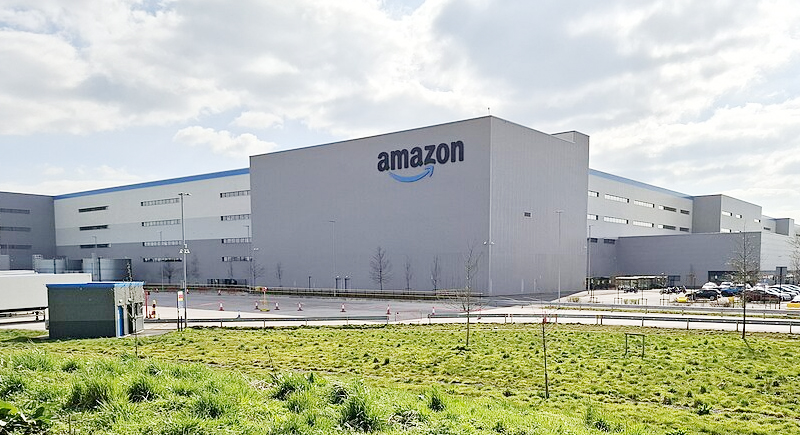
Before 2020, Amazon already ran much of the internet’s shopping. Then the pandemic came, and suddenly, millions relied on it for groceries and boredom-fighting gadgets. Considering that Amazon Web Services powers everything from Netflix to NASA, the company helps keep modern life online and moving without delays.
JPMorgan Chase

Credit: Wikimedia Commons
JPMorgan isn’t just the biggest bank in America—it’s one of the biggest anywhere. It influences nearly every aspect of the financial system, including mortgages, investments, loans, and even the global money flow behind credit card transactions. It holds over $3 trillion in assets.
Microsoft
Credit: Wikimedia Commons
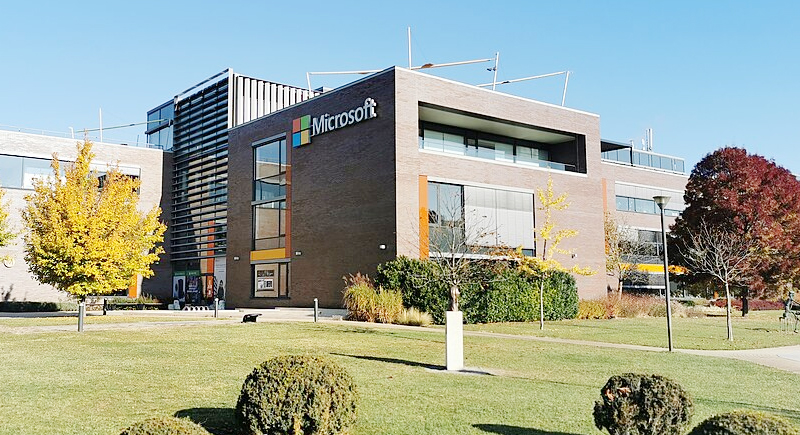
People often associate Microsoft with the companies behind Word and Windows. But its real muscle today comes from cloud computing. Microsoft Azure powers everything from government databases to online learning platforms. It also holds a significant stake in OpenAI and is one of the world’s top cybersecurity providers.
Visa
Credit: Wikimedia Commons
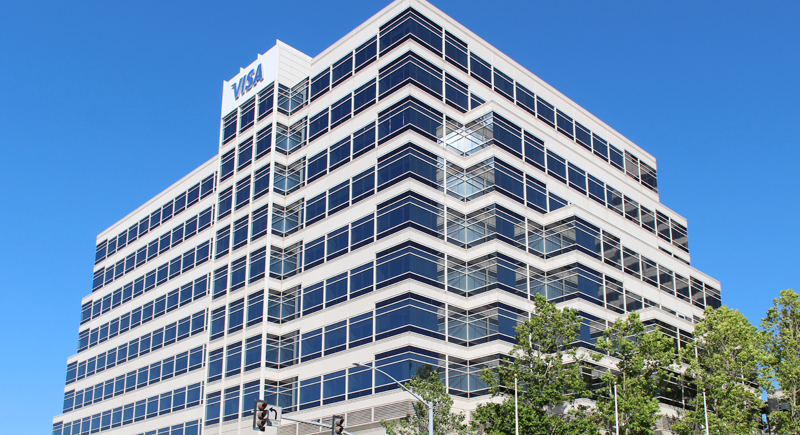
Visa is the invisible highway your money travels when you tap, swipe, or click “buy now.” Its network handles more than 250 billion transactions per year. It’s so embedded in daily life that if Visa were to go dark, entire economies would stall at checkout.
Apple
Credit: Wikimedia Commons
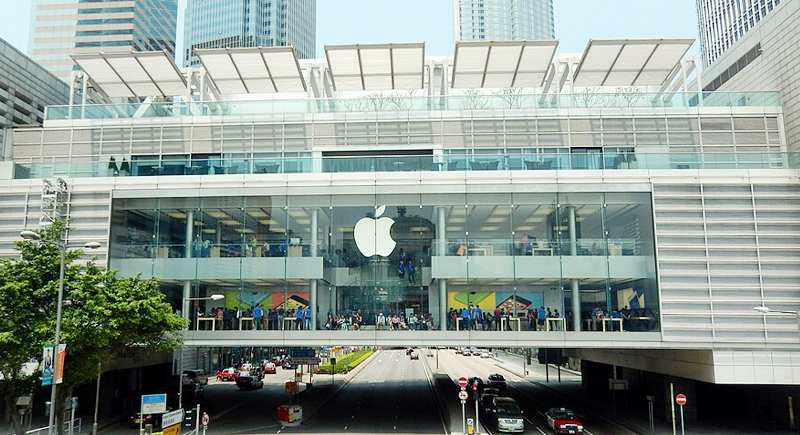
The iPhone changed communication, and the App Store launched thousands of businesses. Apple Pay helped move wallets into phones. Meanwhile, Apple designs and manufactures its own silicon chips, builds retail experiences, and generates massive service revenue. It’s one of the most influential consumer brands in history, worth more than many countries.
Google (Alphabet)
Credit: Wikimedia Commons
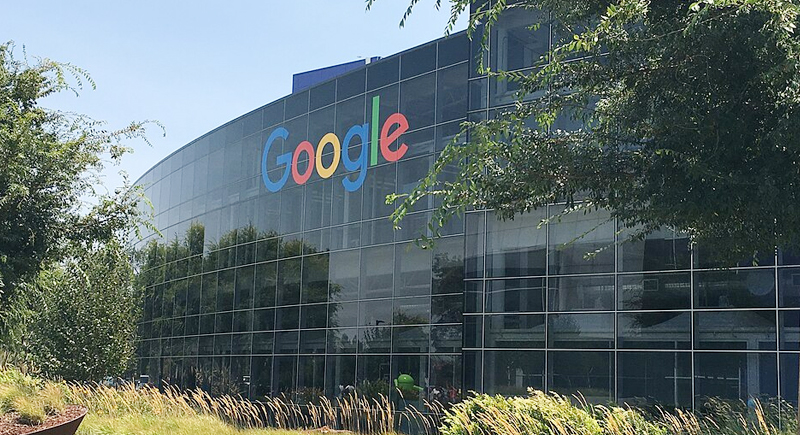
If Google Search vanished tomorrow, so would directions, classroom lessons, recipes, and half the internet’s traffic. But Alphabet, Google’s parent company, goes far beyond search. It runs YouTube, Gmail, Google Cloud, and even self-driving car experiments. Its algorithms shape how information spreads and how ads reach people.
Walmart
Credit: Wikimedia Commons
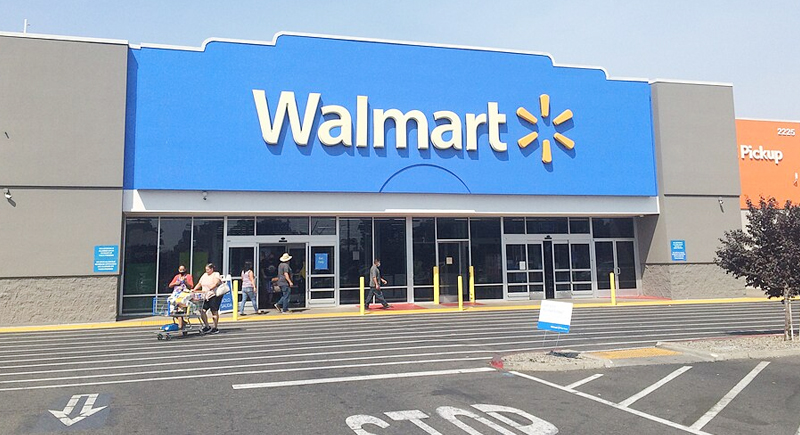
Walmart sells more groceries than any other U.S. retailer and employs over two million people worldwide. During supply chain crunches, its logistics network helped keep shelves stocked while others struggled. If Walmart flinches, the ripple hits farmers, truckers, factory workers, and millions of shoppers.
Disney
Credit: Wikimedia Commons
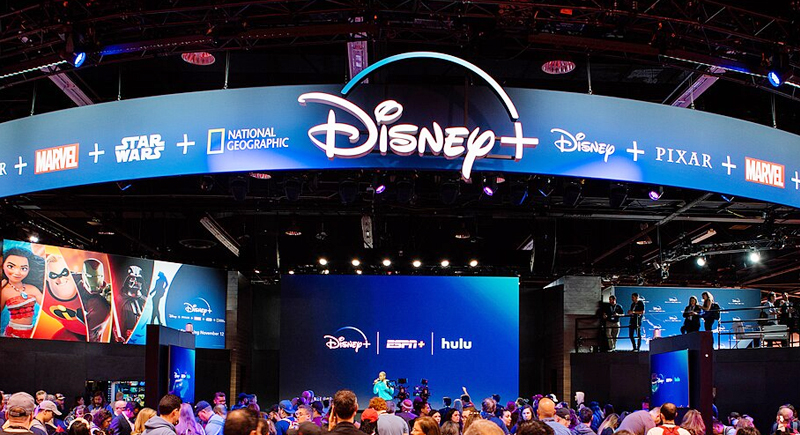
When parks closed during the COVID-19 pandemic, people predicted disaster for Disney. Instead, Disney+ gained over 100 million subscribers in under two years. And that’s just one part of the empire. Disney owns ESPN, Marvel, Lucasfilm, and Hulu, as well as a controlling interest in numerous cable networks.
Johnson & Johnson

Credit: Wikimedia Commons
J&J is more than just baby shampoo. It played a significant role in vaccine distribution and continues to control a substantial share of the medical device, pharmaceutical, and over-the-counter product markets. If it went missing, medicine cabinets worldwide would appear empty.
Tesla
Credit: Wikimedia Commons
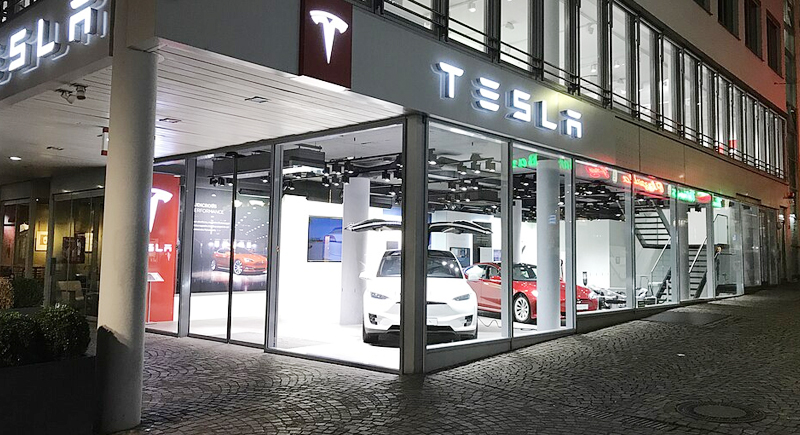
Tesla drove a shift in how the world sees electric vehicles. It owns its own battery tech, sells solar energy products, and operates the largest EV charging network in the U.S. With governments leaning hard into green energy, Tesla already helps in defining change.