10 Iconic Companies Saved By Crazy Gambles
Big corporations have worked for decades and spent enormous sums building the brands we recognize today. However, what you may not realize is that several of these companies once stood on the brink of financial collapse. Leadership teams were pushed into moments where they had to make some risky decisions without knowing the outcome. At the end of the day, those high-stakes choices carried them through the worst of the crisis and out the other side.
FedEx
Credit: Wikimedia Commons
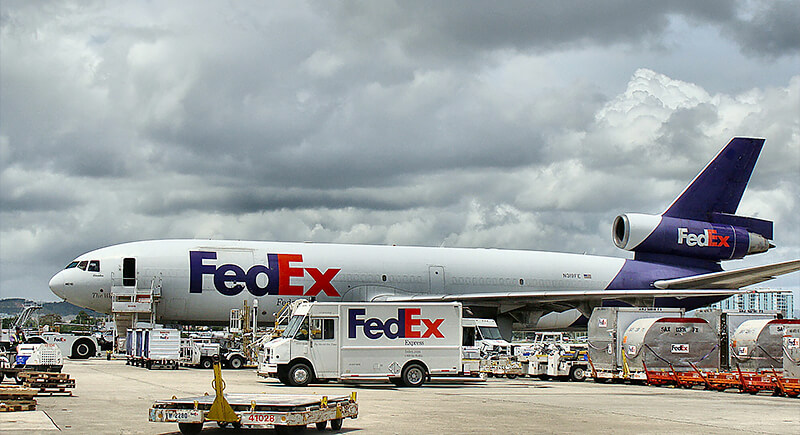
Early records show that FedEx lost about one million dollars per month when it first started. Rising fuel costs threatened the overnight delivery model. With only $5,000 left, founder Fred Smith traveled to Las Vegas and played blackjack. He returned with $27,000, enough to operate the aircraft for another week. That short extension allowed time to secure $11 million in financing.
Marvel
Credit: Reddit
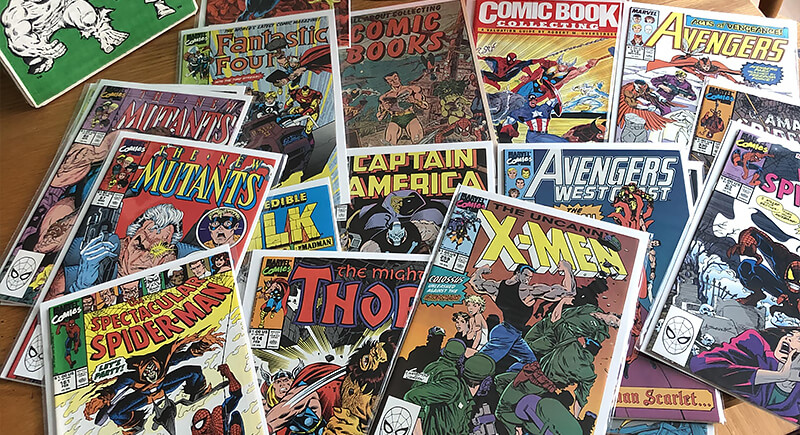
A collapse in comic book sales pushed Marvel into bankruptcy in 1996. The brand had licensed film rights to studios yet retained modest revenue. Executives negotiated a $525 million deal to produce movies independently. The agreement risked losing control of characters if early films failed. Iron Man debuted in 2008 and earned nearly $600 million worldwide.
Disney
Credit: Wikimedia Commons
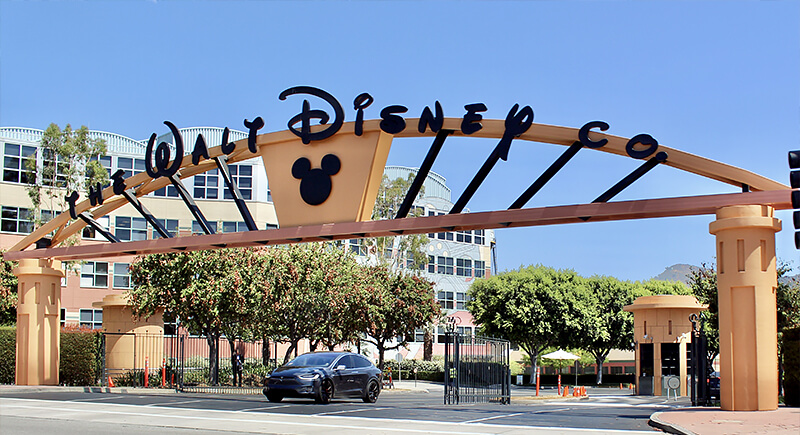
By the early 1930s, Walt Disney’s studio was carrying heavy debt and had limited capital reserves. Short animated features generated attention but did not secure long-term stability. At this point, Disney committed nearly all available resources to produce Snow White and the Seven Dwarfs, the first full-length cel-animated feature film. Industry insiders warned that audiences would not sit through a feature-length cartoon. But the release became a commercial success and funded the construction of Walt Disney Studios.
Airbnb
Credit: Wikimedia Commons
In 2008, Airbnb struggled to attract investors and had almost no operating capital. Founders Brian Chesky and Joe Gebbia needed immediate funds to keep the business alive. Instead of shutting down, they created novelty cereal boxes called Obama O’s and Cap’n McCain during the presidential election season. They sold the limited-edition cereal online and tied the promotion to election buzz, which brought in about $30,000 and gave Airbnb the cash it needed to keep operating.
Charmin
Credit: Reddit
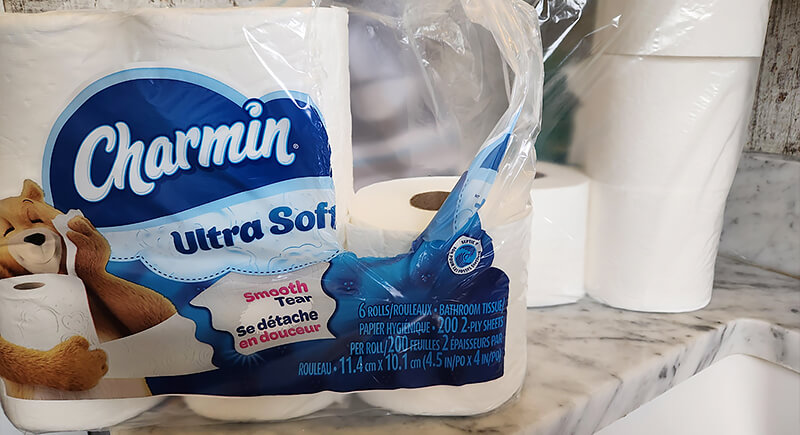
Bathroom humor usually stays behind closed doors, but Charmin decided to lean into it online. In 2014, the company adopted a playful, self-aware voice on social media and openly joked about the very thing its product is used for. It felt unusual for a long-established household brand. The risk worked. People responded, engagement climbed, and Charmin built a stronger presence across its digital channels.
TOMS

Credit: Wikipedia
Not every business idea wins immediate approval, and TOMS faced skepticism at the start. When Blake Mycoskie introduced the idea, many investors questioned both the shoe design and the “buy one, give one” model. Mycoskie moved forward anyway, and that commitment became central to the brand’s identity, which influenced how many millennials viewed purpose-driven consumer spending.
Spanx
Credit: Wikimedia Commons
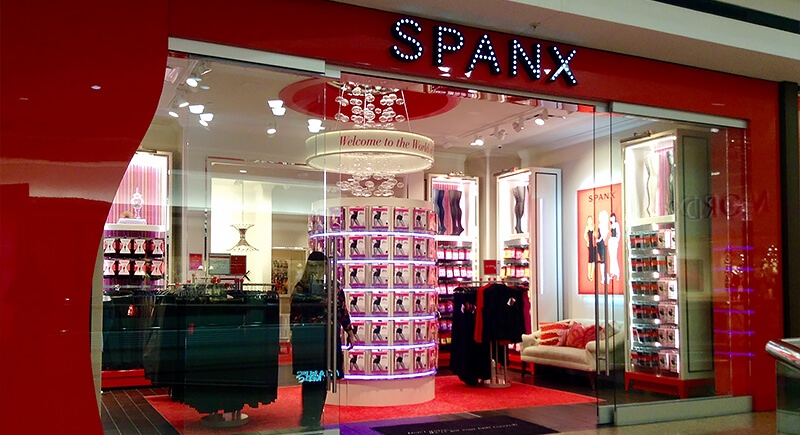
Before launching Spanx, Sara Blakely had no formal business training and no background in apparel manufacturing. She did know that traditional pantyhose felt uncomfortable and restrictive. After repeatedly hearing that her idea sounded unrealistic, she wrote her own patent, researched factories, and funded early production with personal savings. The shaping undergarment gained traction quickly, and Spanx expanded nationwide.
SpaceX

Credit: Wikimedia Commons
If you ever dreamed of traveling to space, it is now possible largely because of SpaceX. Elon Musk invested most of his PayPal earnings into the venture. After three failed launches and severe cash strain, it was a successful fourth Falcon 1 flight that secured a vital NASA contract.
Starbucks
Credit: pexels
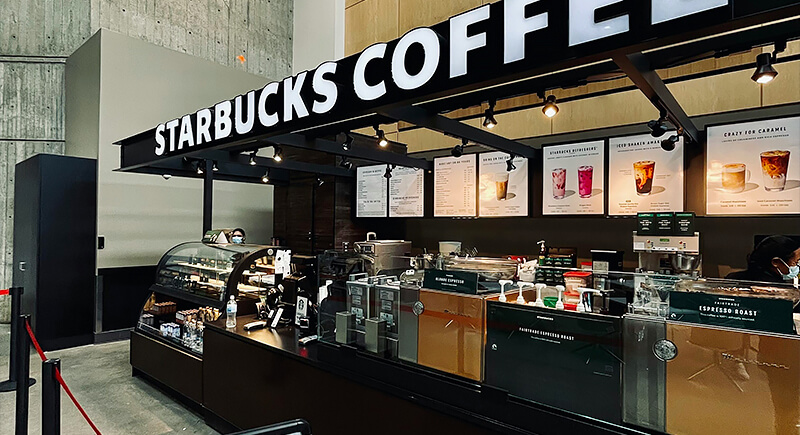
You probably get your coffee from Starbucks on a regular morning without thinking twice about it. The company did not begin as the global café chain people recognize today. Initially, Starbucks sold coffee beans and brewing equipment, and growth remained restricted. The turning point came once Howard Schultz observed espresso bar culture in Milan and saw potential beyond retail products.
Nintendo
Credit: Wikimedia Commons
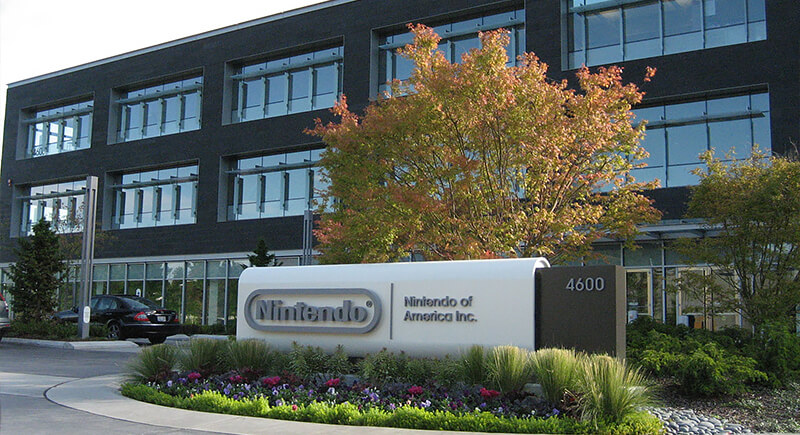
Long before video games, Nintendo began as a small playing card business in Japan. Founded in 1889, the company spent decades producing traditional hanafuda cards used for card games. As tastes changed, its leaders experimented with different ventures before turning toward electronic entertainment. That decision reshaped the company. Nintendo entered the gaming industry and later created consoles that would influence entire generations of players.