Businesses That Have Survived for Over 1,000 Years
A thousand years ago, Europe was in the Middle Ages, Japan was ruled by emperors and shoguns, and the printing press had not yet been invented. Yet somehow, a handful of businesses managed to launch back then, and they’re still running today. These companies have powered through recessions and plagues without shutting their doors.
Genda Shigyō’s Long Paper Trail
Credit: Wikimedia Commons
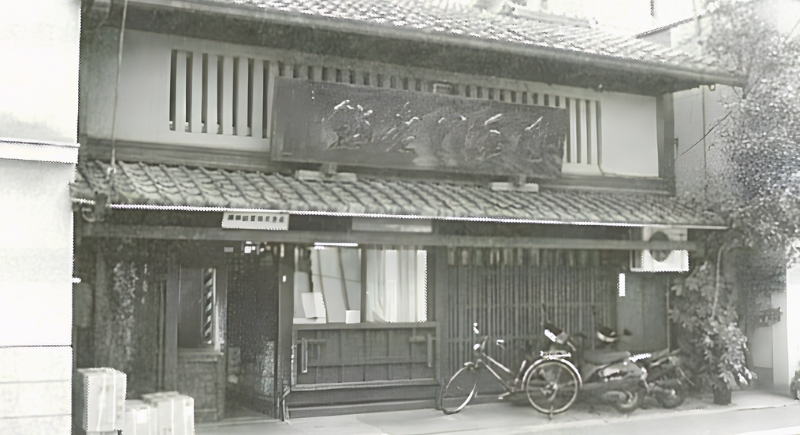
Kyoto’s Genda Shigyō began making ceremonial paper in 771, back when the city was Japan’s capital. It’s famous for mizuhiki, decorative cords twisted from washi paper and tied into intricate knots. For centuries, the company supplied the imperial palace. It now creates a range of printed goods, including wedding paper and specialty designs.
Staffelter Hof Still Bottles Wine and Stories
Credit: Wikimedia Commons
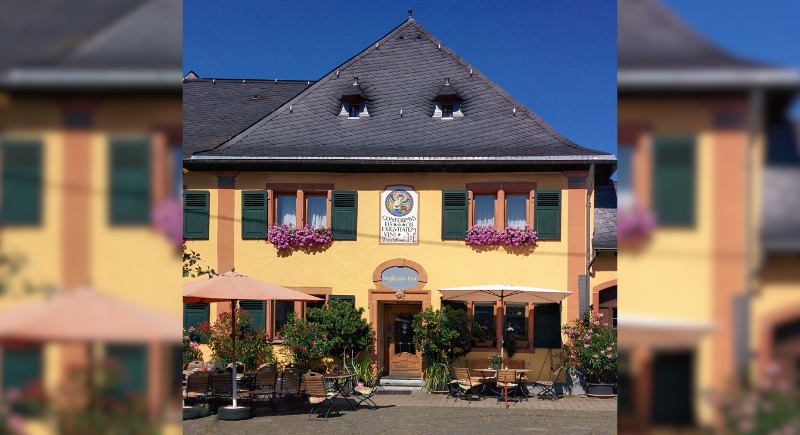
This German winery started in 862 as an abbey-run vineyard. Staffelter Hof is one of the few family-owned operations to have survived both World War I and World War II, as well as multiple empires. Peter Schneider bought the land in 1805, and his descendants still own and operate it today. They added a distillery in 1890 and a guesthouse in the 1960s.
Nishiyama Onsen Keiunkan Didn’t Check Out
Credit: Wikimedia Commons
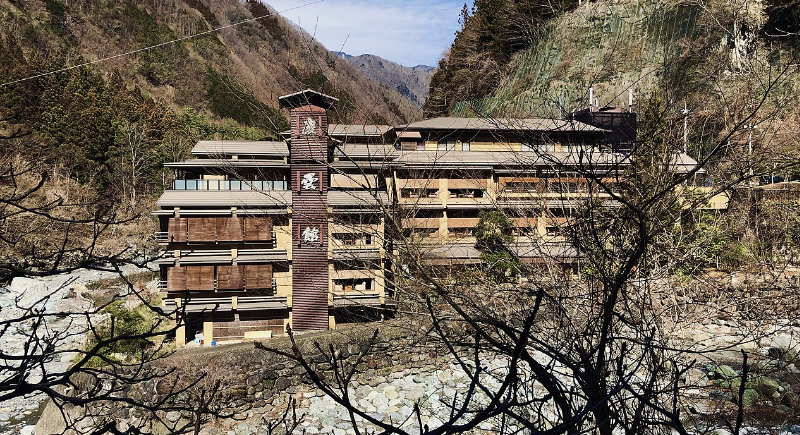
Built in 705, this hot spring hotel in Japan’s Yamanashi Prefecture has hosted emperors, samurai, and regular guests alike for over 1,300 years. For most of that time, it stayed in the same family—until 2017, when the longtime general manager took over. The place still draws travelers with its steaming onsen and wooden architecture.
Monnaie de Paris Minted Its Place in History

Credit: Wikimedia Commons
France’s national mint continues to produce coins and commemorative medals. It now operates out of Pessac, but the original Paris facility is still home to a museum and historic archive. Throughout its history, the mint has endured invasions, revolutions, and regime changes. Today, it issues euros and collectibles.
Kongō Gumi Built Temples—and a Reputation
Credit: Wikimedia Commons
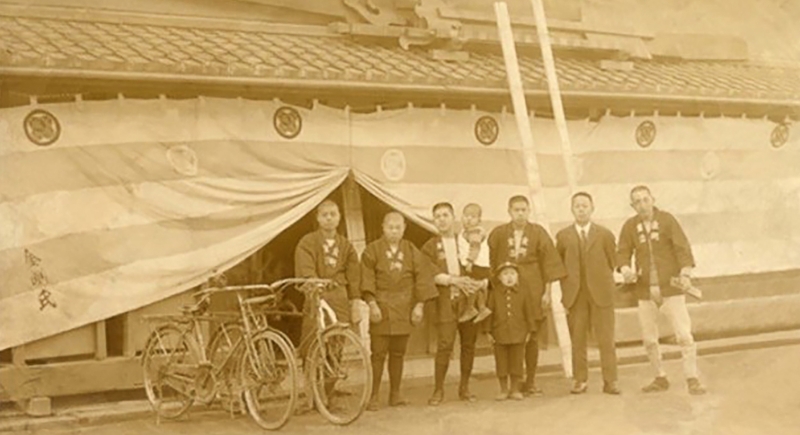
Founded in 578, this Osaka-based construction firm specialized in Buddhist temples and shrines for over 1,400 years. Flexibility helped them stay relevant—during conflict, they even built coffins. It continues to restore cultural buildings using old-world techniques alongside newer tech as a subsidiary of Takamatsu Construction.
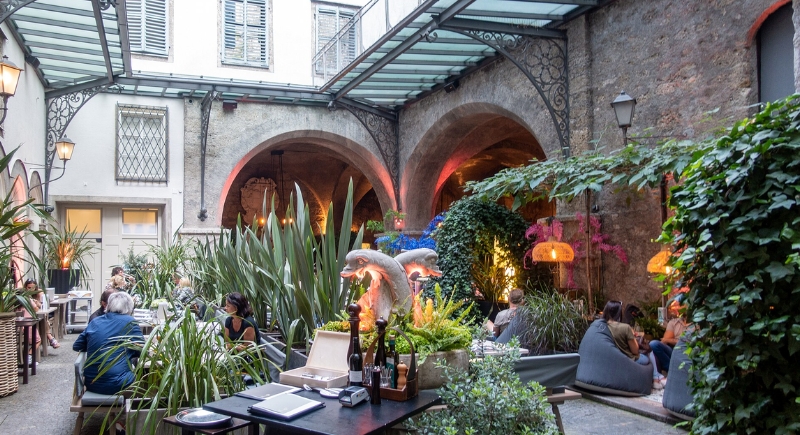
St. Peter Stiftskulinarium Served Its First Meal in 803
Credit: Wikimedia Commons
This restaurant opened well before forks made their European debut. The eatery, first recorded in a document by Alcuin of York, was once associated with St. Peter’s Abbey and primarily catered to monks and wine merchants. It’s evolved over the centuries by adding a bakery and guest rooms.
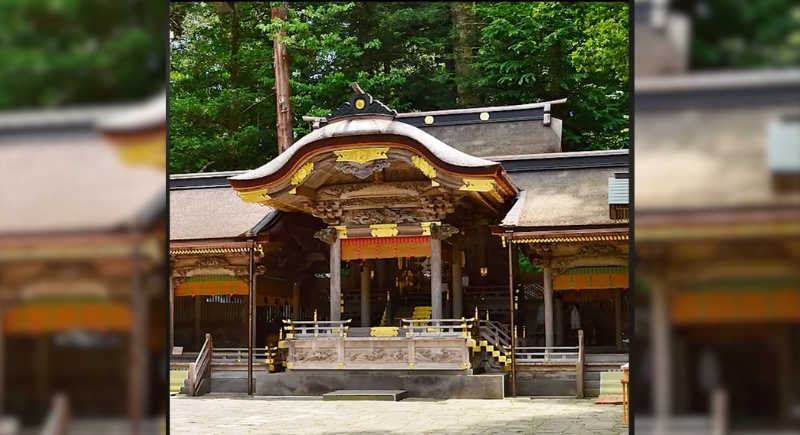
Tanaka-Iga Still Crafts Sacred Goods
Credit: Youtube
Tanaka-Iga is now in its 70th generation of family leadership. What’s changed: the workshop uses computer modeling and 3D mockups to design pieces before carving. What hasn’t: the spiritual focus and quiet precision of its handmade craftsmanship. These are not mass-produced souvenirs—they’re heirlooms for sacred spaces.
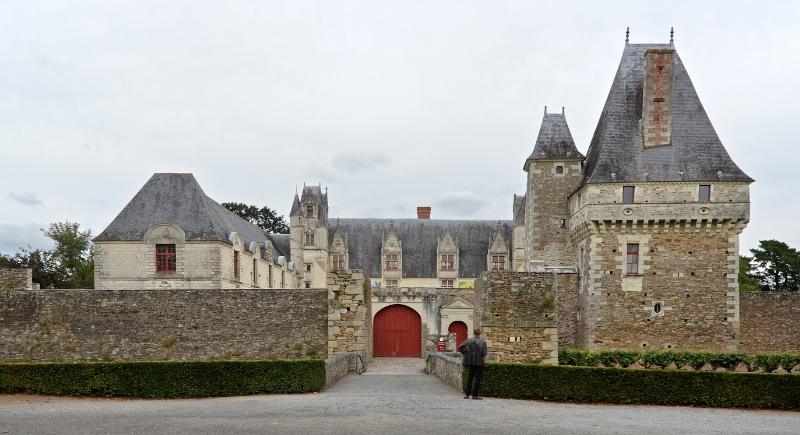
Château de Goulaine Poured Its First Vintage in the 11th Century
Credit: Wikimedia Commons
This Loire Valley estate in France has been in the Goulaine family for over a thousand years. Though the current château was built later, the vineyard dates back to around 1000. Beyond winemaking, the property has housed royals such as Henry IV and Louis XIV.
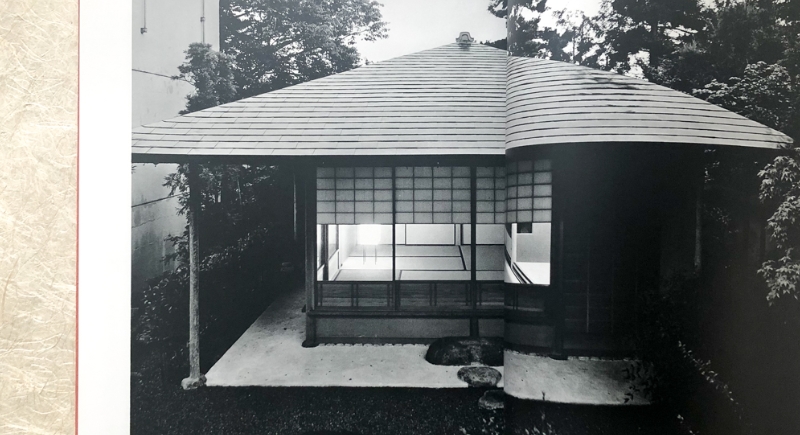
Nakamura Shaji Keeps Woodworking in Style
Credit: Instagram
Aichi Prefecture’s Nakamura Shaji has been shaping wood since 970. The company specializes in intricate shrine and temple construction, utilizing traditional joinery techniques that don’t rely on nails. Projects are often massive and spiritually significant. Though it doesn’t make headlines like global brands, its work is literally foundational.
Shumiya-Shinbutsuguten Outlived Empires

Credit: Canva
Operating since 1024, this business in Japan produces Buddhist ritual goods. It has adapted slowly but steadily, now offering traditional items to a global customer base interested in Japanese culture and craftsmanship. While many similar businesses faded away during the Meiji Restoration and the modern era, Shumiya-Shinbutsuguten persevered by staying focused on quality and tradition.