Colors That Are Legally Owned by Major Brands
People lose their minds when brands “own” colors, but trademark law allows it when repetition rewires recognition. The aim is to prevent confusion where money changes hands. When a shade signals origin faster than a logo, courts listen. Marketers know visual memory sells first, then lawyers make sure it stays exclusive.
Tiffany Blue
Credit: Wikimedia Commons
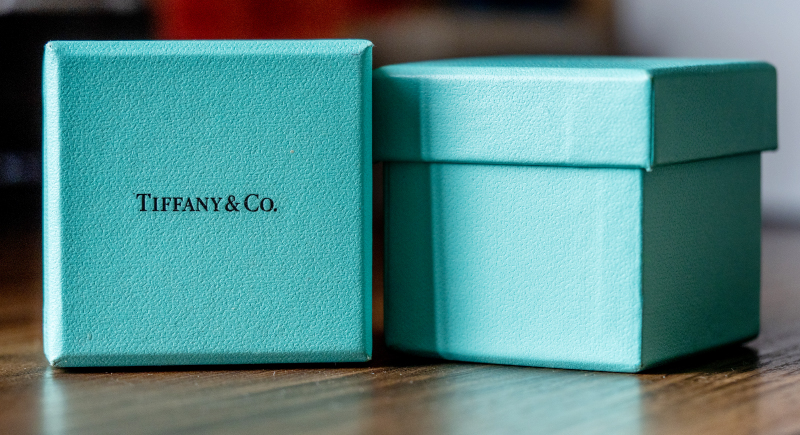
Tiffany & Co. trademarked Tiffany Blue for jewelry packaging after decades of consistent use trained shoppers to associate the shade with luxury purchases. Courts accepted the color as a source identifier. That pale blue now signals engagement rings and anniversaries with high price tags without printing a single brand name.
Cadbury Purple
Credit: Reddit
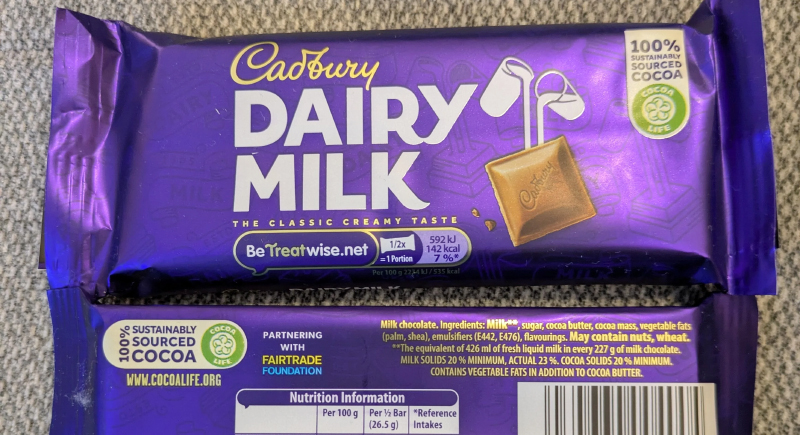
Purple candy wrappers triggered legal drama long before social media existed. Cadbury pursued trademark protection for its packaging in the UK and Australia. They did it by demonstrating that shoppers associated the color with its chocolate bars. Judges focused on recognition within confectionery aisles. The color still anchors Cadbury’s identity, even while competitors test how close purple can legally get without immediate legal consequences.
Barbie Pink
Credit: Reddit
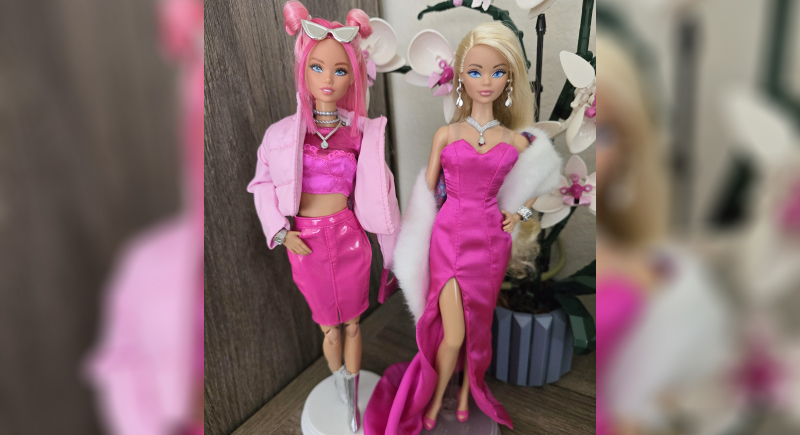
Mattel trademarked Barbie Pink for dolls, packaging, and promotions after decades of consistent exposure taught buyers what the brand looked like. The shade serves as branding even without a logo, with movies, toys, billboards, clothing, and more relying on that color to announce Barbie to global audiences across retail and entertainment spaces.
Louboutin Red
Credit: Wikimedia Commons
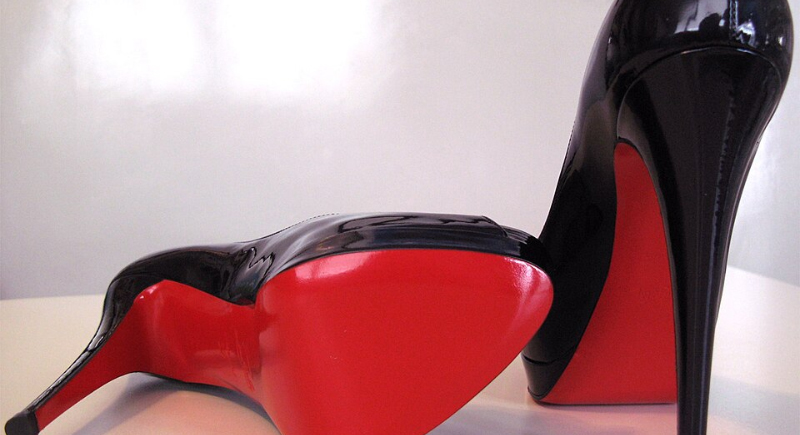
Christian Louboutin secured trademark rights for glossy red soles when paired with contrasting uppers. Courts ruled that the placement functions as identification. The ruling drew tight boundaries, meaning red shoes exist everywhere except for this exact visual formula in luxury footwear sold through high-fashion channels worldwide, which is legally protected.
T-Mobile Magenta
Credit: Instagram
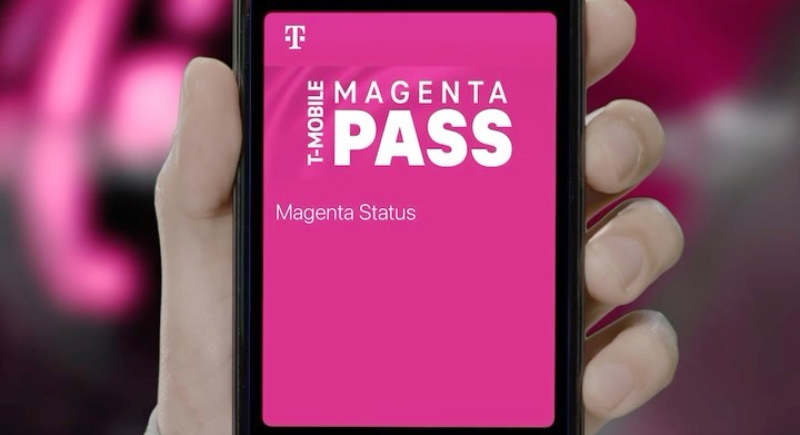
Owned by Deutsche Telekom, T-Mobile legally adopted the magenta color for its wireless branding and advertising. The company backed the claim with consumer surveys and court filings. Legal teams now monitor competitors closely because similar shades can trigger lawsuits.
Target Red
Credit: Wikimedia Commons
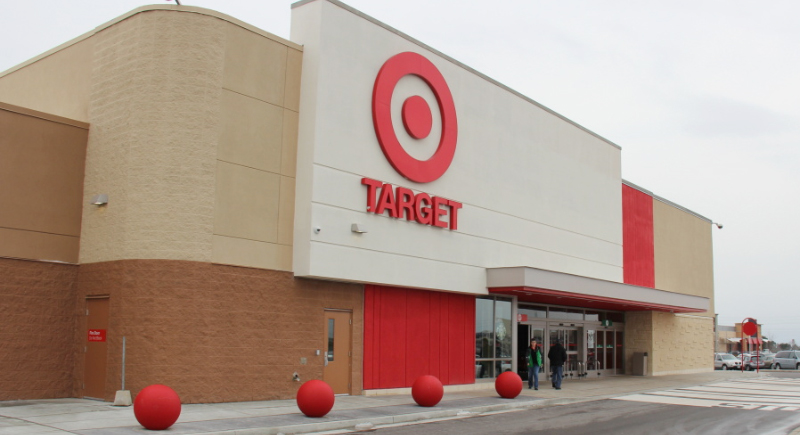
Target protects its specific red across storefronts and signage because shoppers associate it with the store experience. Trademark rights apply to retail use, not to the products themselves. The color helps customers spot locations quickly.
UPS Brown
Credit: Wikimedia Commons
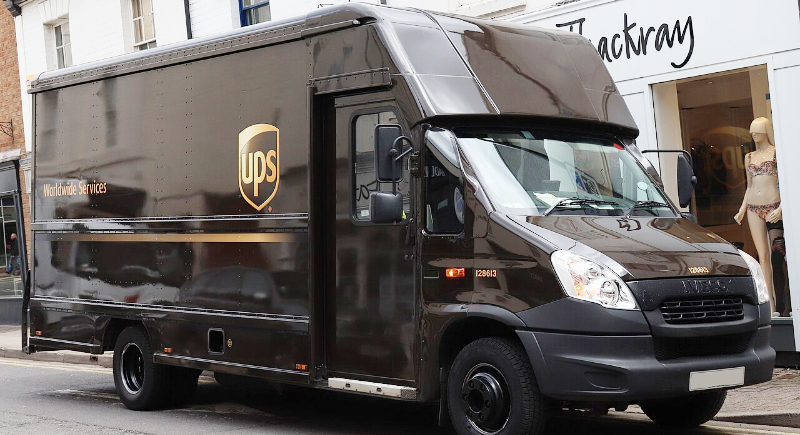
Brown trucks feel invisible until one stops at the curb. UPS trademarked Pullman Brown for vehicles, uniforms, and shipping materials after decades of exclusive use. The color began as practical and became symbolic. Customers now identify the company instantly, even in traffic, because no rival delivery fleet wears that same shade across American cities, highways, and neighborhoods daily without signage required.
Post-it Yellow
Credit: Wikimedia Commons
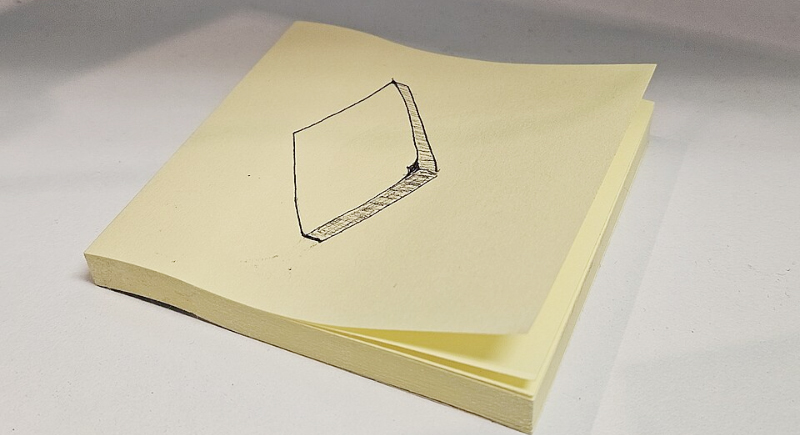
Post-it notes became famous in canary yellow, and years of exclusivity built trademark recognition. The color now signals sticky notes before reading the label. Protection applies to stationery products, where that yellow still cues brainstorming sessions and cluttered desks worldwide in schools, homes, and companies everywhere.
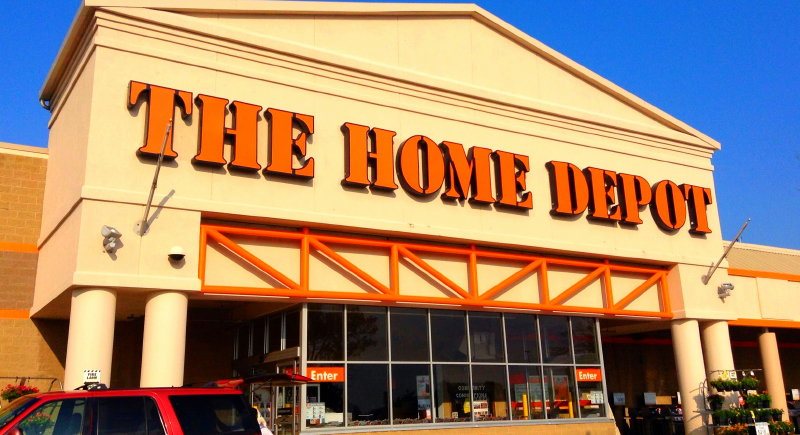
Home Depot Orange
Credit: Wikimedia Commons
Home Depot trademarked its bright orange across signage, aprons, and store branding. The color improves visibility from parking lots and highways, which matters for foot traffic. Trademark protection stays within home improvement retail, but the shade still owns that category visually for DIY shoppers, contractors, renters, homeowners, and professionals with daily visits.
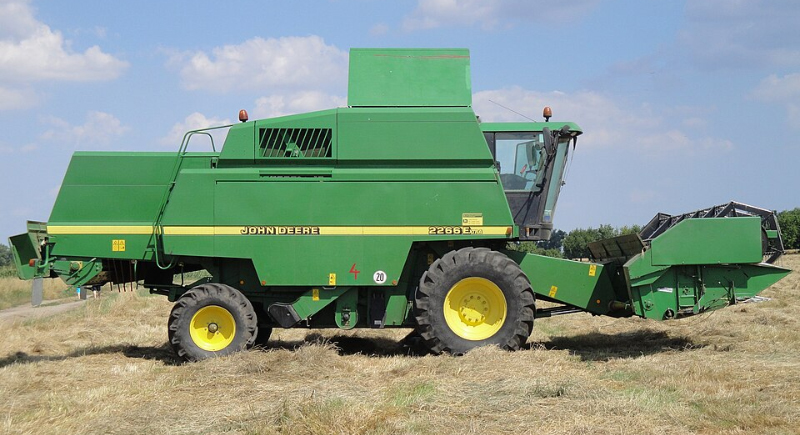
John Deere Green
Credit: Wikimedia Commons
Long-term exclusive use made this green defensible, and competitors avoid copying it to prevent confusion during equipment sales across rural markets, dealerships, auctions, trade shows, and farms nationwide. After all, farm fields double as moving billboards in harvest season. Clearly, John Deere protects its green and yellow machinery colors because farmers recognize them instantly at a distance.