10 Strategic Takeaways From the Collapsed United and American Airlines Merger Bid
The failed merger pursuit between United Airlines and American Airlines exposed the conditions that now shape major airline acquisitions in the United States. Regulators, politicians, competitors, investors, and consumers all influence the environment in which large transactions succeed or fail.
Although the proposal never advanced beyond an initial approach, the reaction it generated provides a useful case study for executives weighing consolidation. The episode illustrates how management alignment, regulatory realities, market concentration, and alternative growth paths can shape a deal’s future.
The Deal Died Before Negotiations Began

Credit: iStockphoto
United viewed American as a potential partner capable of creating a larger network with a broader reach across domestic and international markets. American’s leadership rejected the idea almost immediately, effectively closing the door before formal discussions could develop. Large acquisitions require senior executives on both sides to agree on the transaction’s purpose and the combined company’s future direction. Employees, investors, regulators, and customers eventually evaluate those arguments as well. A proposal can unravel quickly when one side sees little value in pursuing the conversation.
Antitrust Is Now The Starting Point

Credit: iStockphoto
Any merger between two of the country’s largest airlines would face intense regulatory scrutiny. Antitrust concerns now shape major airline deals from the very beginning. Regulators look closely at route overlap, airport access, pricing power, labor effects, and consumer choice before approving a transaction. Because United and American compete in many of the same markets, any deal involving the two would raise immediate questions about competition and market concentration.
Consumer Benefits Drive Approval Decisions

Credit: Getty Images
Government officials reviewing airline mergers consistently return to one central question: what do passengers gain from the transaction? Arguments centered on efficiency, profitability, or shareholder value rarely carry the same weight as claims involving fares, service quality, network access, or customer choice. During public discussion surrounding the proposal, policymakers repeatedly emphasized the consumer side of the equation. Airlines seeking approval for future mergers will need persuasive evidence that travelers receive meaningful advantages.
Local Competition Still Shapes Global Ambitions
Credit: Wikimedia Commons
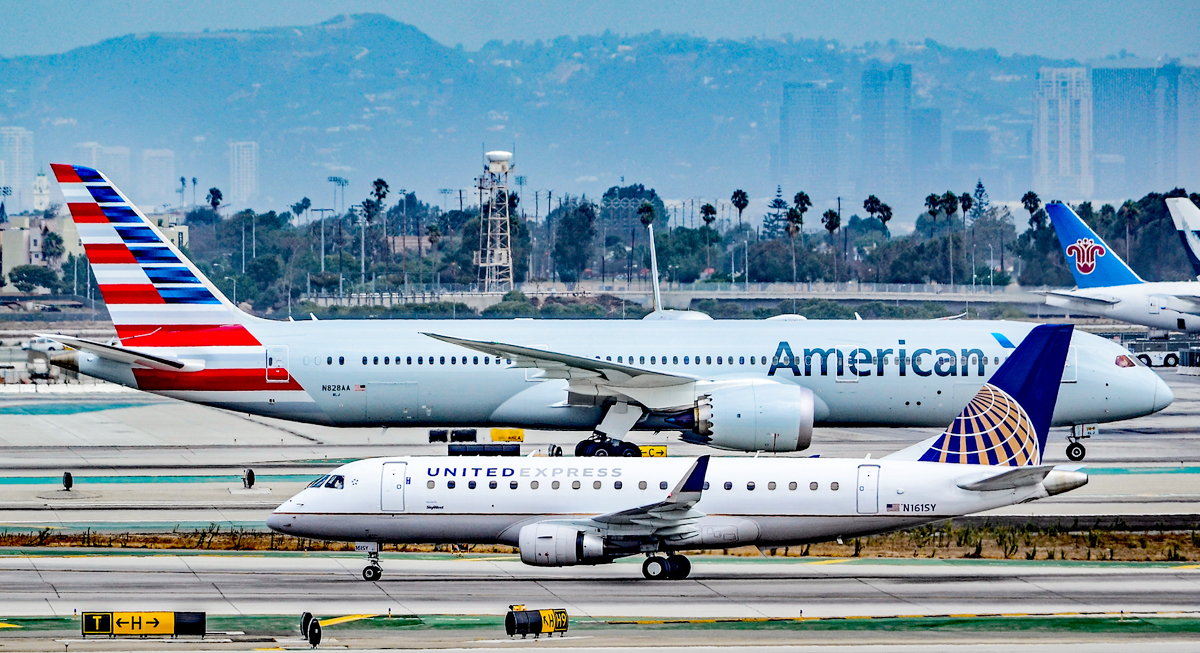
The discussion around United and American showed how local competition often carries more weight than global ambitions. United argued that a larger airline could compete more effectively in international markets where scale, alliance partnerships, and corporate contracts matter. Regulators, however, tend to focus on conditions closer to home. They look at competition on specific routes, at individual airports, and within local markets where a merger could reduce consumer choice. International growth may support the argument for a deal, but domestic competition often decides whether it can move forward.
Airport Dominance Draws Extra Scrutiny

Credit: Wikimedia Commons
Access to gates, departure slots, terminal facilities, and passenger traffic plays a major role in airline competition. United and American both maintain large operations at airports such as Chicago O’Hare, creating overlap that would attract regulatory attention in any merger review. Authorities would likely examine how a combined company could affect competition at those locations. Strong positions at major hubs carry significant business value, but they also raise some of the toughest questions regulators ask when reviewing airline mergers.
Cost Pressure Creates Different Strategic Options
Credit: Canva
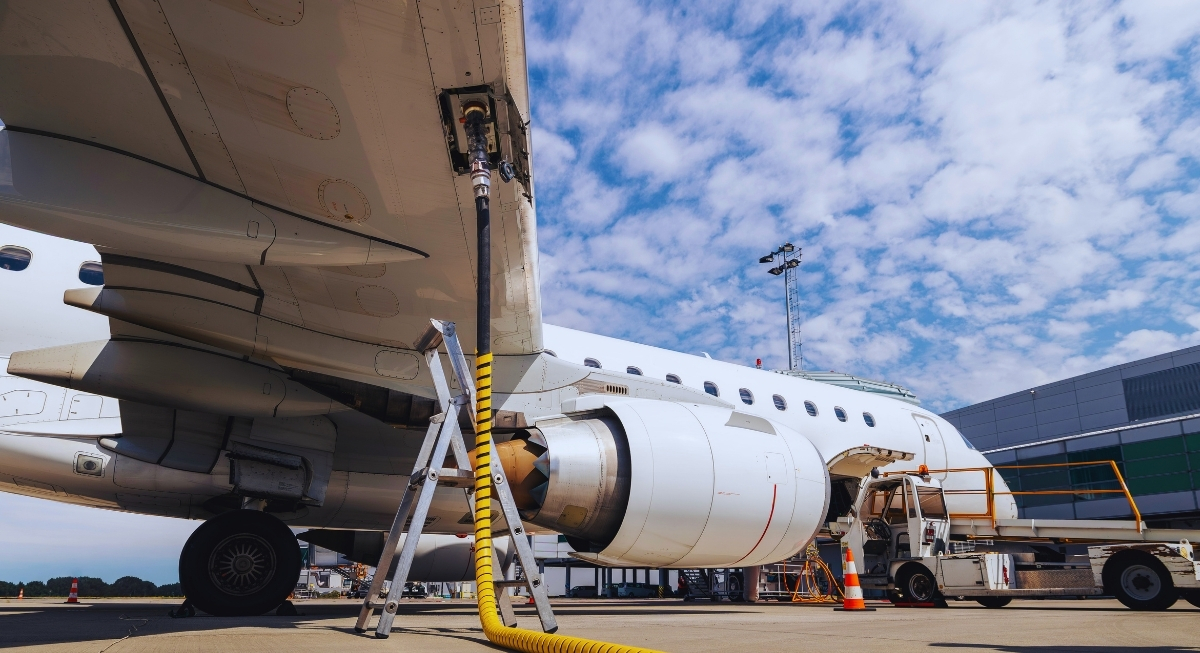
Fuel expenses remain one of the highest costs in commercial aviation. When those costs rise, airlines look for ways to protect margins and strengthen performance. A merger represents only one possible response. Companies can adjust routes, alter schedules, acquire specific assets, renegotiate supplier arrangements, modernize fleets, or revise pricing strategies. The circumstances surrounding the United proposal illustrate a broader point about corporate decision-making. Industry pressure creates multiple paths forward. Effective leadership depends on selecting the option that aligns with market conditions, regulatory realities, and long-term goals.
Competitive Advantage Comes From Execution

Credit: Canva
Airline executives spent years pursuing growth through consolidation. Many of the industry’s largest transactions emerged from the belief that bigger networks would produce stronger companies. Today’s competitive environment places significant weight on reliability, operational performance, technology investments, customer experience, and premium products. Those factors influence purchasing decisions every day. A carrier that consistently operates well can strengthen its position regardless of industry consolidation. The merger discussion reinforced that customers ultimately judge airlines through performance, not corporate structure.
Public Narratives Shape Outcomes Early

Credit: iStockphoto
Major transactions are subject to public evaluation almost immediately. News coverage amplifies each of those perspectives. By the time regulators begin formal reviews, stakeholders often possess strong opinions about the proposal. The United-American discussion followed that pattern. Questions surrounding competition and market concentration surfaced quickly and framed much of the public conversation. Companies pursuing large acquisitions must therefore manage both the transaction itself and public understanding of it.
Partnerships Offer An Alternative Growth Path

Credit: Canva
Airlines possess many ways to expand beyond acquisitions. For many, cooperation is a practical route to expansion. Codeshare agreements, alliance relationships, loyalty partnerships, and joint ventures can increase network reach while preserving independent ownership. Those arrangements allow companies to access new customers and markets without taking on the complexity of a merger. Partnership-based growth can deliver meaningful commercial benefits while avoiding many of the obstacles associated with combining two large corporations.
Knowing When To Walk Away Is A Strategy

Credit: iStockphoto
After American made its position clear, United chose to move on rather than invest additional time and energy in a proposal with little chance of advancing. Continuing the pursuit would have prolonged uncertainty and diverted attention from other priorities. Corporate resources remain finite, including executive attention. Organizations achieve better outcomes when leaders direct those resources toward opportunities with realistic prospects for success.