10 Cities Where Minimum Wage Is Still Not Enough to Live On
Living on minimum wage in the U.S. is more like running uphill with a backpack full of bills. Wages in some cities can’t catch up with rent, groceries, or even bus fare. Even in areas with local wage increases, full-time workers are still left pinching pennies. Here’s a look at cities where making ends meet on minimum wage feels like a full-time job on its own.
Ann Arbor, Michigan
Credit: Canva
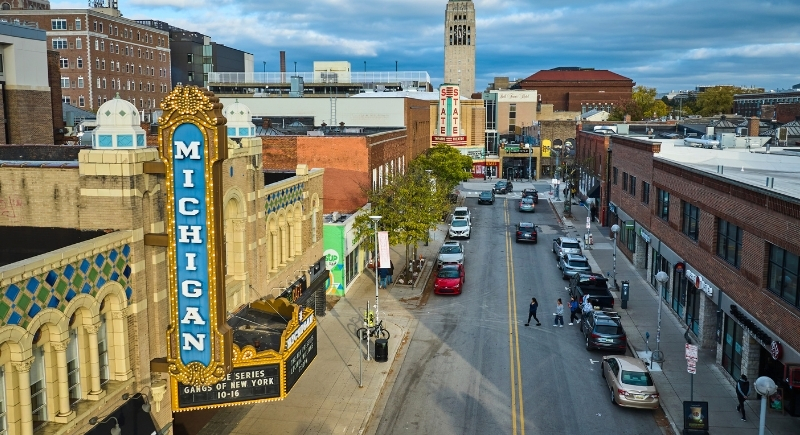
With a major university, Ann Arbor attracts academics, engineers, and students, but it hasn’t left much room for low-income workers. The state minimum wage of $10.56 doesn’t hold up well next to average rents. A barista or retail worker here might be splitting a house with five others just to get by.
Cambridge, Massachusetts
Credit: Getty Images
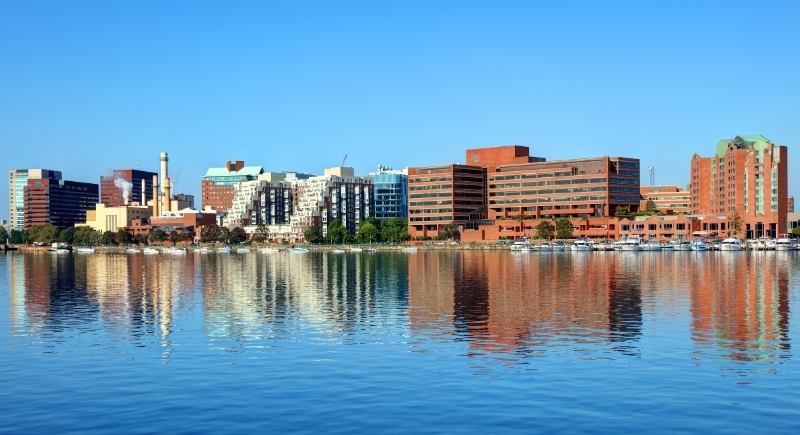
The academic draw of Cambridge shapes nearly everything about the city. High-paying research jobs anchor the local economy, and businesses price their goods to match that environment. Minimum wage workers earning $15 an hour feel the impact because restaurants and basic services often reflect the income of the surrounding student and biotech communities.
Irvine, California
Credit: Getty Images
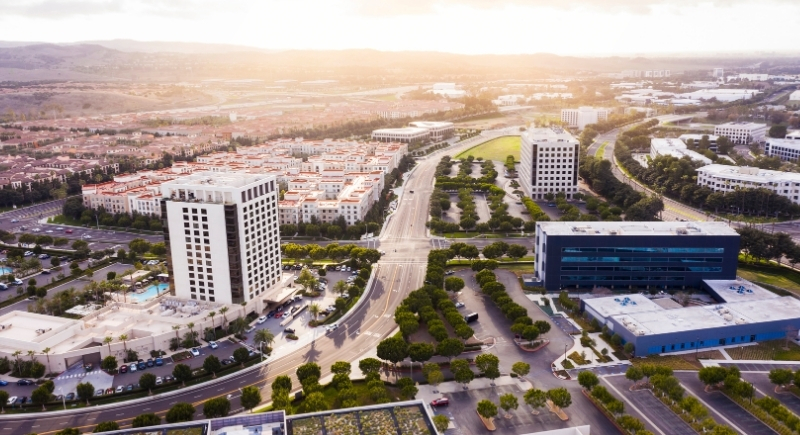
Irvine’s careful city planning, strong schools, and tech-centered economy attract higher-income households, and that pushes everyday costs beyond what many hourly workers can manage. The city’s minimum wage of $16.00 doesn’t keep pace with rent, food, and transportation. Entry-level jobs in retail and service industries struggle to match the spending patterns around them, so workers often feel the gap between what they earn and what the city expects them to afford.
Boston, Massachusetts
Credit: Getty Images
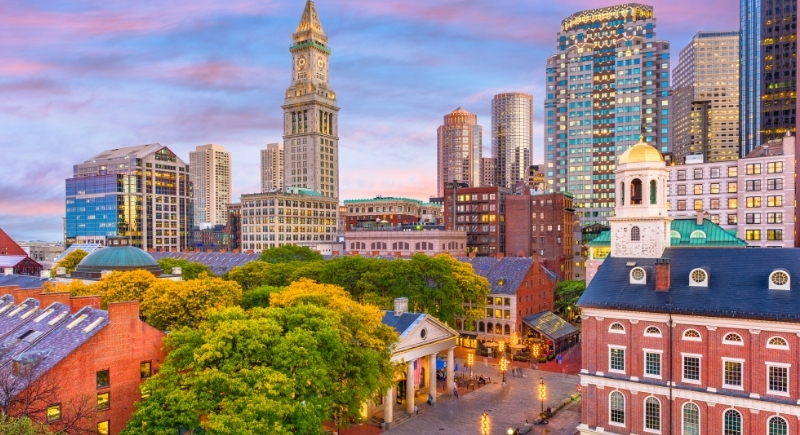
Boston’s economic strength comes from its hospitals, universities, and steady stream of tourists. All of that activity supports thousands of hourly jobs, yet the minimum wage of $15 doesn’t match the area’s spending patterns. Average rent could ask residents to share tight spaces or endure long commutes.
Thousand Oaks, California
Credit: Getty Images
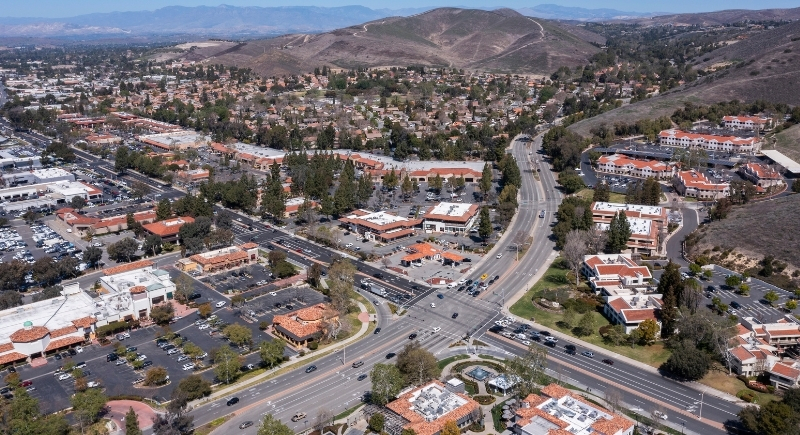
Thousand Oaks carries the spending patterns of a high-income area, and a $16.50 minimum wage doesn’t come close to matching those everyday costs. Groceries, transportation, and simple services add up quickly. Many lower-wage workers hold jobs outside the city, and the extra fuel and travel time make it even harder for their earnings to cover the basics.
Carlsbad, California
Credit: Getty Images
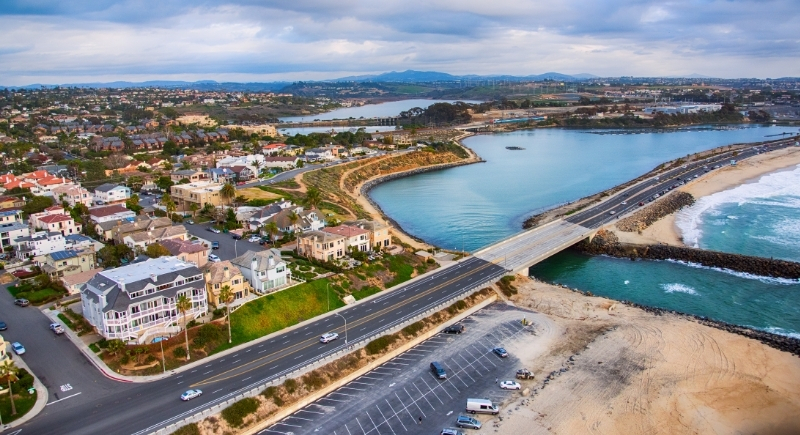
Tourism keeps Carlsbad lively, yet most roles in that sector bring modest pay. Minimum wage workers earn $16.50, but the broader economy caters to visitors and professionals willing to spend more freely. That mismatch leaves many hourly workers relying on shared housing and tight spaces.
San Francisco, California

Credit: Getty Images
Even with a minimum wage of $18.67, San Francisco remains one of the hardest cities to manage on an hourly income. Tech wealth continues to reshape the region, pulling up the cost of transit and basic services. Workers supporting the food and tourism sectors face a steep economic divide that makes upward mobility challenging.
Fontana, California
Credit: Getty Images
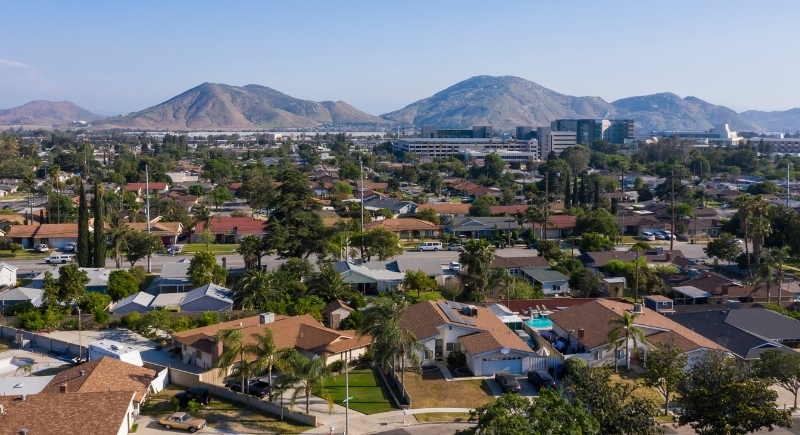
Fontana lies in a fast-growing corner of the Inland Empire where daily expenses keep climbing, and a $16.50 minimum wage never quite reaches what people need to stay ahead. Many residents travel to other parts of the region for higher-paying work, and those longer drives come with fuel and time costs that eat into paychecks before they even get home.
New York City, New York

Credit: Getty Images
New York moves because its hourly workforce keeps everything running, but the numbers rarely work in its favor. A $15.50 minimum wage doesn’t match the city’s real cost of living, so people earning at that level make constant trade-offs. Many choose smaller, crowded apartments near their jobs, while others settle for long commutes from outer boroughs just to stay within budget.
San Mateo, California
Credit: Getty Images
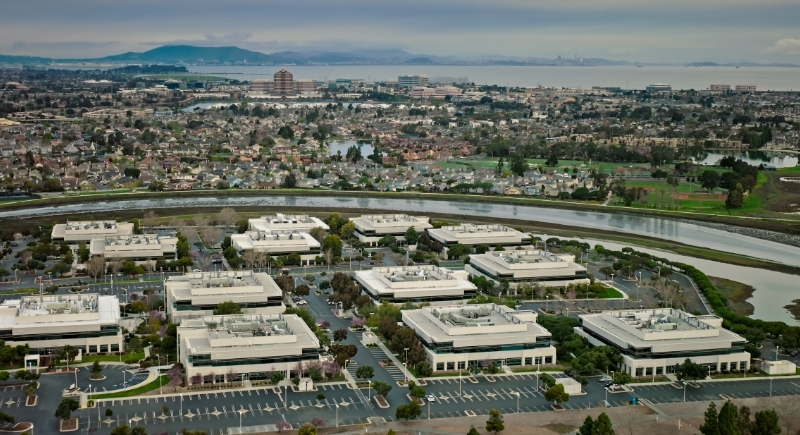
San Mateo is situated in the heart of a high-income corridor defined by biotech and constant commercial activity. With a local minimum wage of $17.95, it appears strong on paper; however, rent and daily expenses quickly overshadow it. Even small purchases reflect the region’s higher spending norms, and lower-wage workers often feel the squeeze first.