10 U.S. Cities Where Rent Prices Are Actually Dropping in
After years of watching rent climb with no relief, a few U.S. cities are finally moving in the opposite direction. This list looks at 10 places where prices are easing, thanks to new apartment buildings coming online and demand cooling off. The post-pandemic adjustment is still unfolding. Rents remain higher than 2019 levels, but the shift is real enough to matter if you are timing your next move carefully.
Louisville
Credit: Getty Images
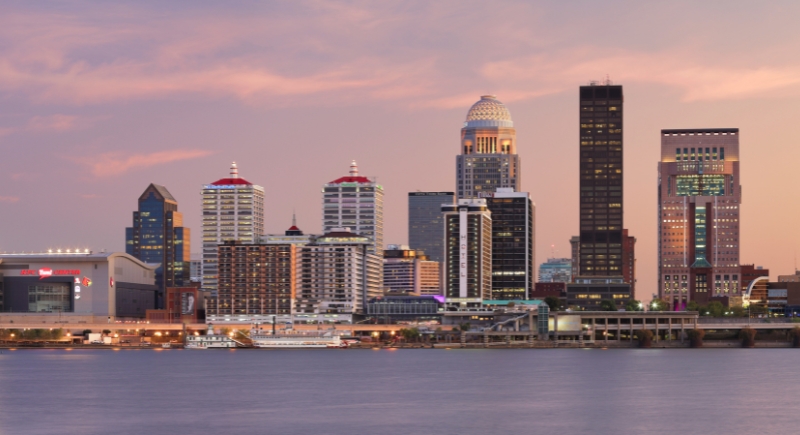
Louisville’s strength comes from stability. Jobs in logistics and healthcare support steady demand, while ample housing supply keeps prices from rising year after year. With a median rent near $1,242, the city remains among the region’s most affordable housing markets for renters seeking predictable monthly costs.
Denver
Credit: Getty Images
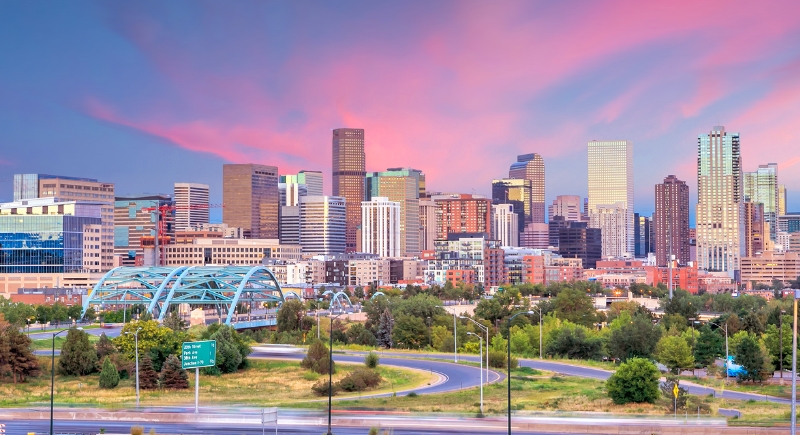
For years, Denver felt like a nonstop bidding war fueled by mountain access and a booming outdoor lifestyle. That pressure has eased. Asking rents are roughly 7% lower than last year, and many listings now hover near $1,785. Hybrid work has changed priorities, and renters no longer feel obligated to pay downtown premiums just to stay competitive.
San Diego
Credit: Getty Images
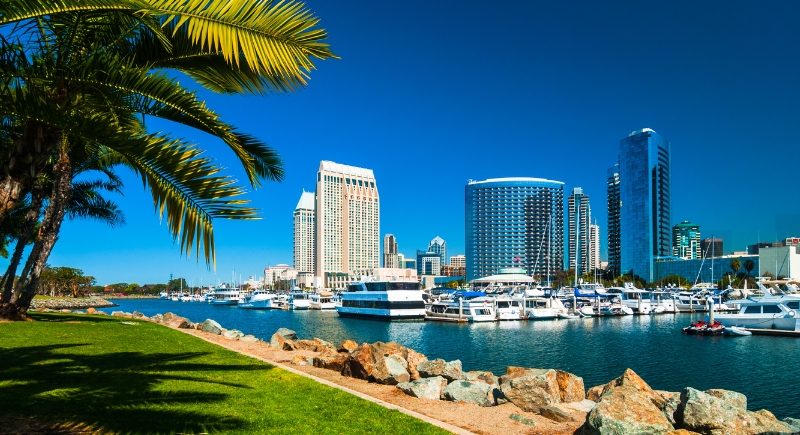
Coastal appeal still defines San Diego. However, renters are no longer willing to pay any price for a listing. Average rent hovers around $2,720, and leasing timelines have stretched out. Slower population growth has eased pressure across beach and inland neighborhoods alike, giving tenants time to think before committing.
Austin
Credit: Getty Images
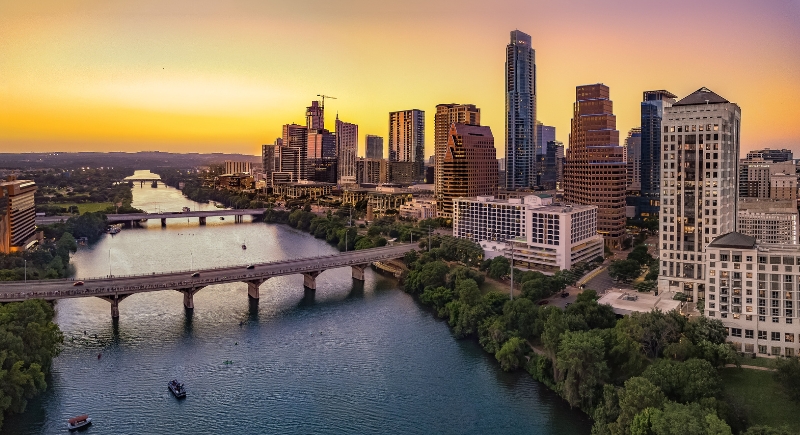
In Austin, rents have fallen more than 13% from their 2022 peak, settling near $1,436. As tech hiring cooled and newcomers slowed, landlords lost leverage. The city is still magnetic, just no longer priced like every lease is urgent.
Jacksonville
Credit: Canva
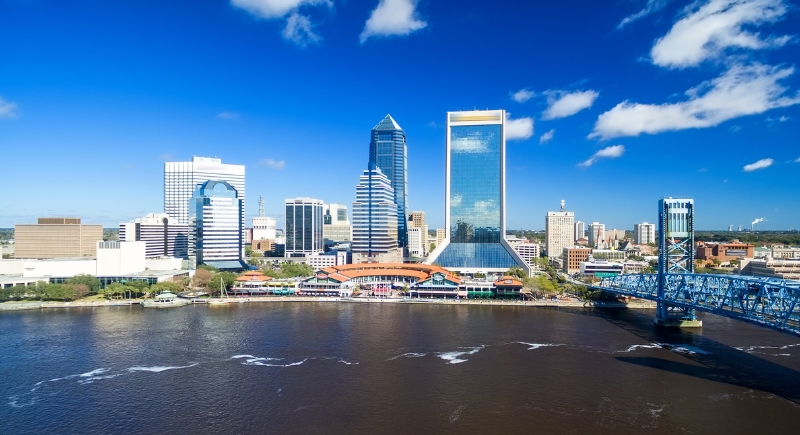
Jacksonville has settled into a slower, more livable rhythm since the relocation surge eased. The city now attracts renters for its relative affordability, access to beaches, and a growing healthcare sector, rather than on pure migration hype. With average rent around $1,482, listings stay active longer, giving renters more time to decide.
Phoenix
Credit: Getty Images
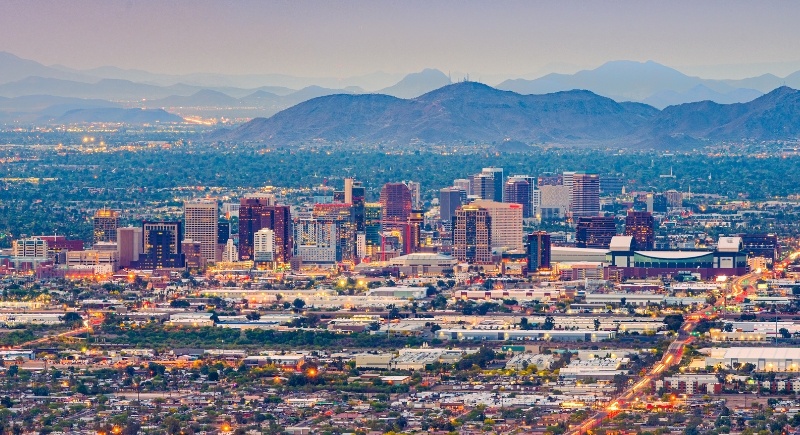
Phoenix moved from red-hot to steady almost overnight. Summers are once again part of the conversation, and demand isn’t as relentless. Average rent now sits around $1,471, reflecting a 6.2% annual decline. The job market remains stable, but renters aren’t stretching budgets the way they did during the boom.
Raleigh
Credit: Getty Images
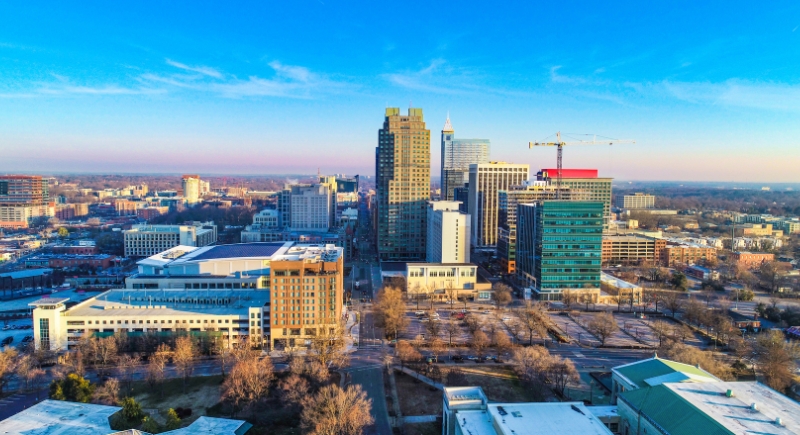
Once defined by bidding wars tied to tech and research jobs, Raleigh feels calmer. Median rent is near $1,471, down about 5.9% year over year. With more listings on the table, renters are comparing neighborhoods instead of rushing. That shift alone has taken much of the edge out of pricing.
Riverside
Credit: Getty Images
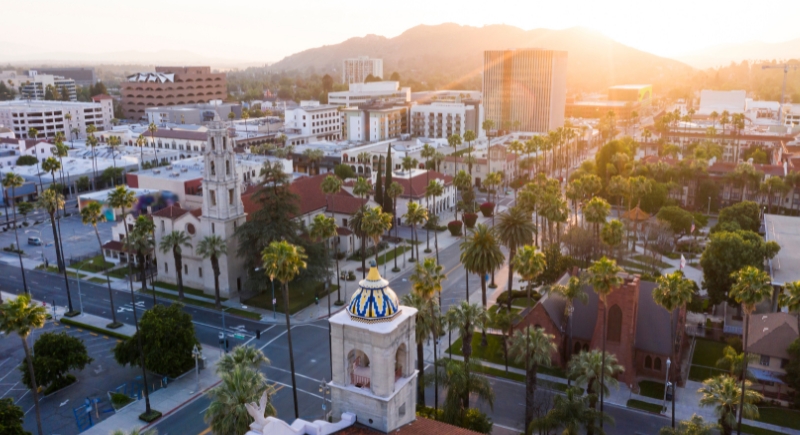
Riverside reflects a shift in how Southern Californians think about value, with median rent sitting around $2,089. Choices have expanded as demand cools, as many residents are prioritizing shorter commutes and local amenities. They are also all about space over squeezing into overflow markets, which has brought a steadier, less frantic pace to leasing.
Nashville
Credit: Getty Images
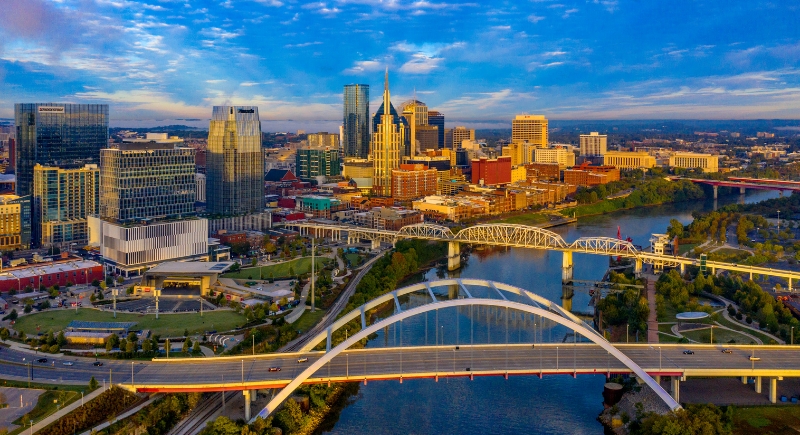
Growth hasn’t stopped in Nashville, but the pace feels more human. Typical rent is about $1,515, roughly 5.1% lower than in 2024. As entertainment workers and remote professionals spread into surrounding areas, demand downtown has softened, turning once-crowded neighborhoods into places where asking prices finally budge.
Las Vegas
Credit: Photo Images
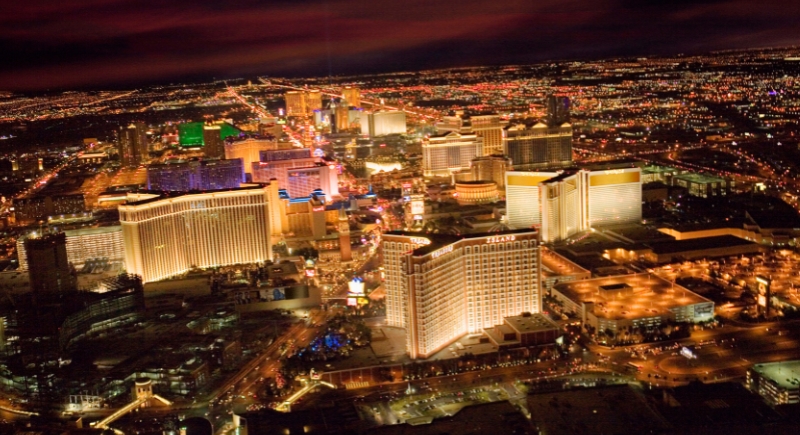
When compared to its boom years, Las Vegas feels noticeably different. The city’s hospitality-driven economy has stabilized, and renters now benefit from flexible lease terms and incentives that reflect a market no longer fueled by nonstop population growth. Average rent is about $1,443, and landlords are competing more aggressively for tenants.