10 Reasons Your Next Chipotle Order Might Be Smaller Than Expected
People started liking Chipotle for its oversized burritos, heavy bowls, and the feeling that one meal could easily stretch into leftovers. Lately, though, customers have started noticing something that does not feel very Chipotle anymore: smaller portions. Social media videos and changing restaurant habits have pushed serving sizes into the spotlight, and many of the reasons start long before the tortilla even hits the counter.
Online Orders Get Less Scrutiny
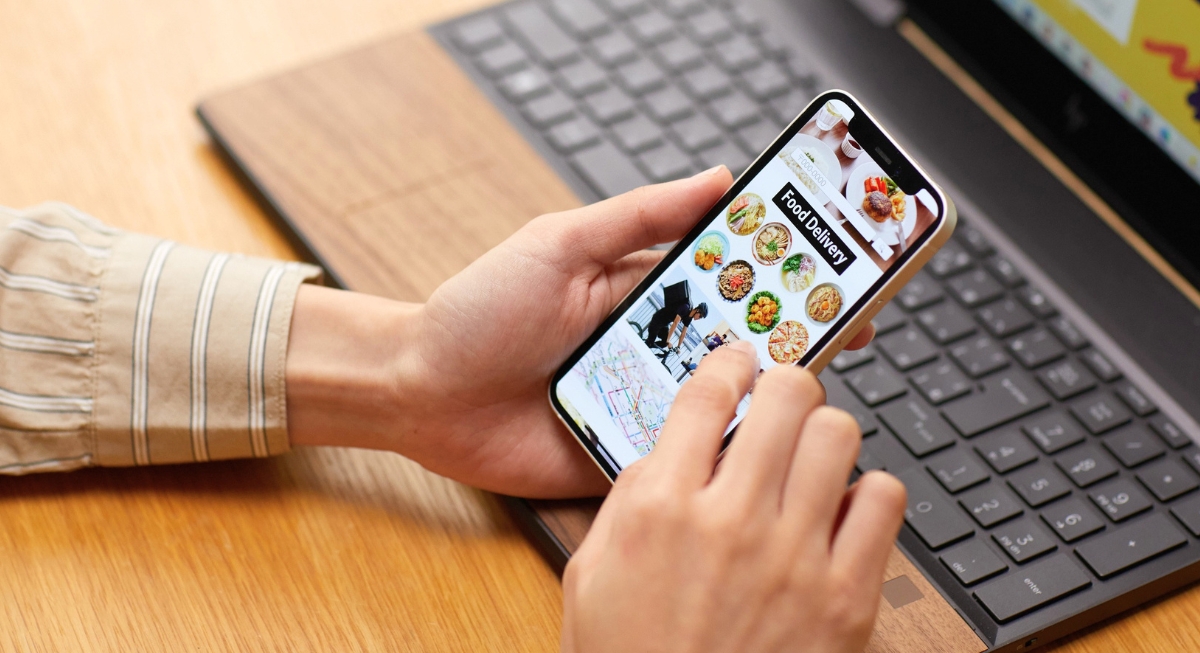
Credit: Canva
People ordering through the app miss one major advantage: seeing the meal assembled in real time. Several viral TikTok videos showed bowls arriving half full, unlike in-store versions. That attention pushed customers to test the theory themselves. One experiment compared filmed and unfilmed orders and claimed the camera-visible burrito weighed more.
Employees Are Trained To Control Costly Ingredients
Credit: Tripadvisor
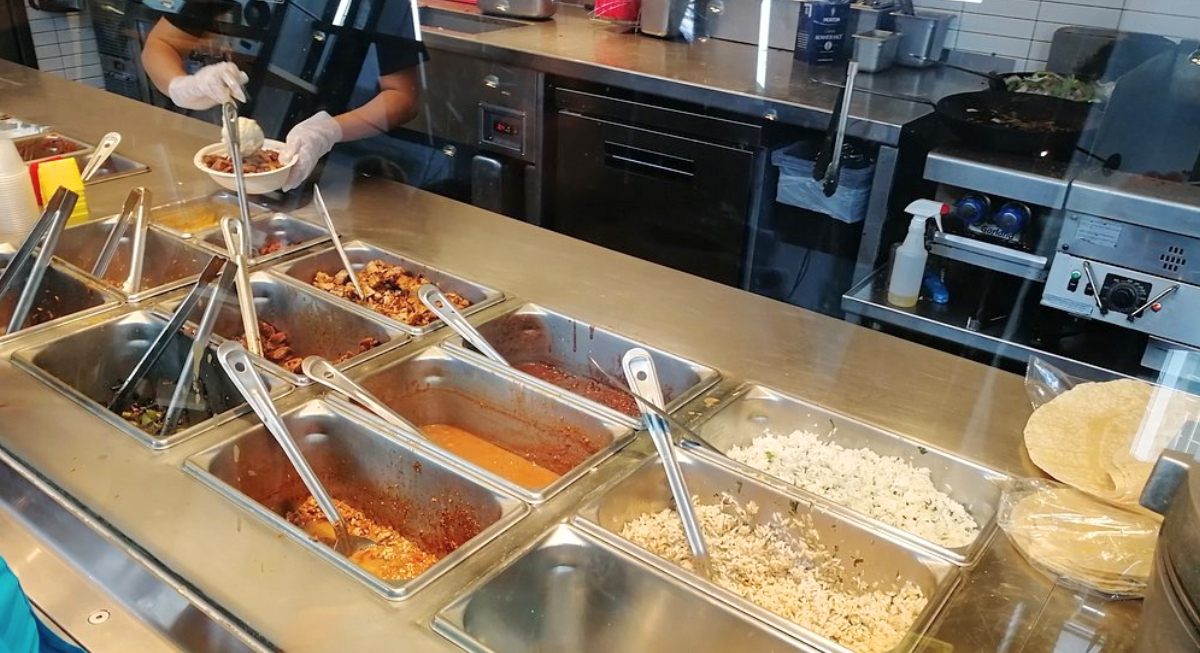
Rice and beans are cheap, but steak, guacamole, queso, and extra chicken are not. Former reports about Chipotle’s training practices described tighter portion control on expensive ingredients to protect profit margins. Workers are also expected to move quickly during rushes, which can turn careful scooping into conservative scooping.
Social Media Changed How Staff Serve Food

Credit: Wikimedia Commons
The “Chipotle camera trick” became one of the stranger restaurant trends online. Customers started filming employees during the assembly process after creators claimed portions grew larger on camera. The videos spread fast enough that executives had to address them publicly. Workers suddenly found themselves preparing burritos under phone lenses during lunch rushes.
A Busy Location Can Mean Faster, Smaller Scoops
Credit: Tripadvisor
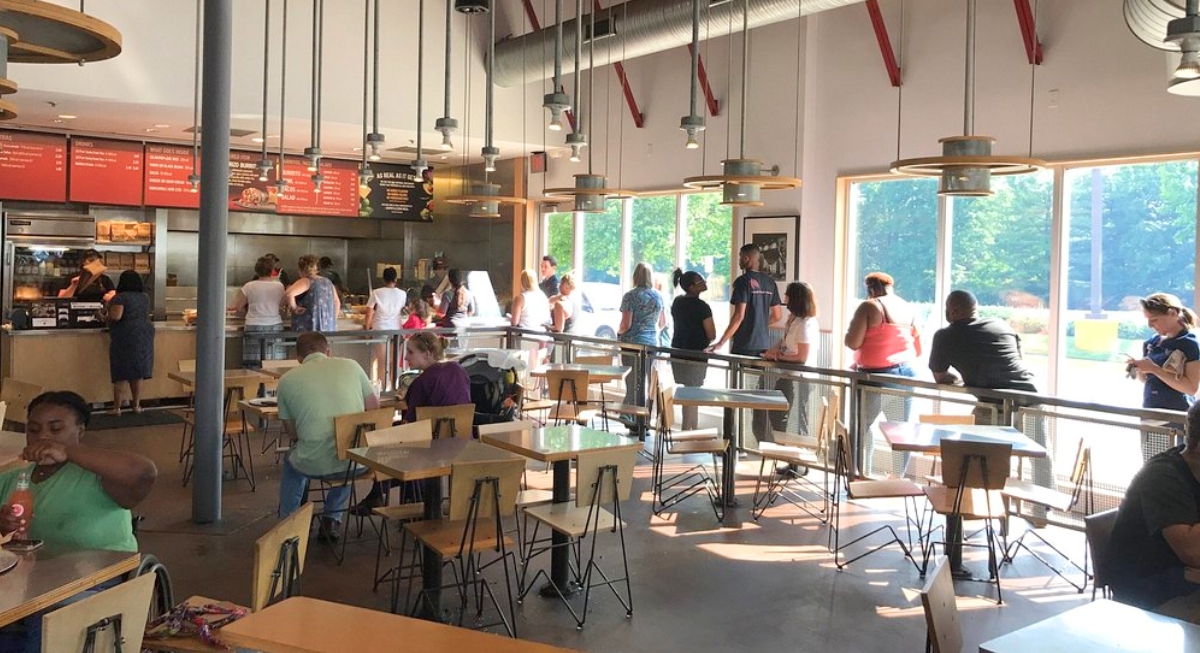
Portion sizes often shrink during peak hours simply because speed becomes the priority. A packed lunchtime line creates pressure to move customers through quickly. That usually means employees stop carefully measuring ingredients and rely on faster motions. A rushed scoop tends to come out lighter than a deliberate one.
Inflation Changed Customer Expectations
Credit: Tripadvisor
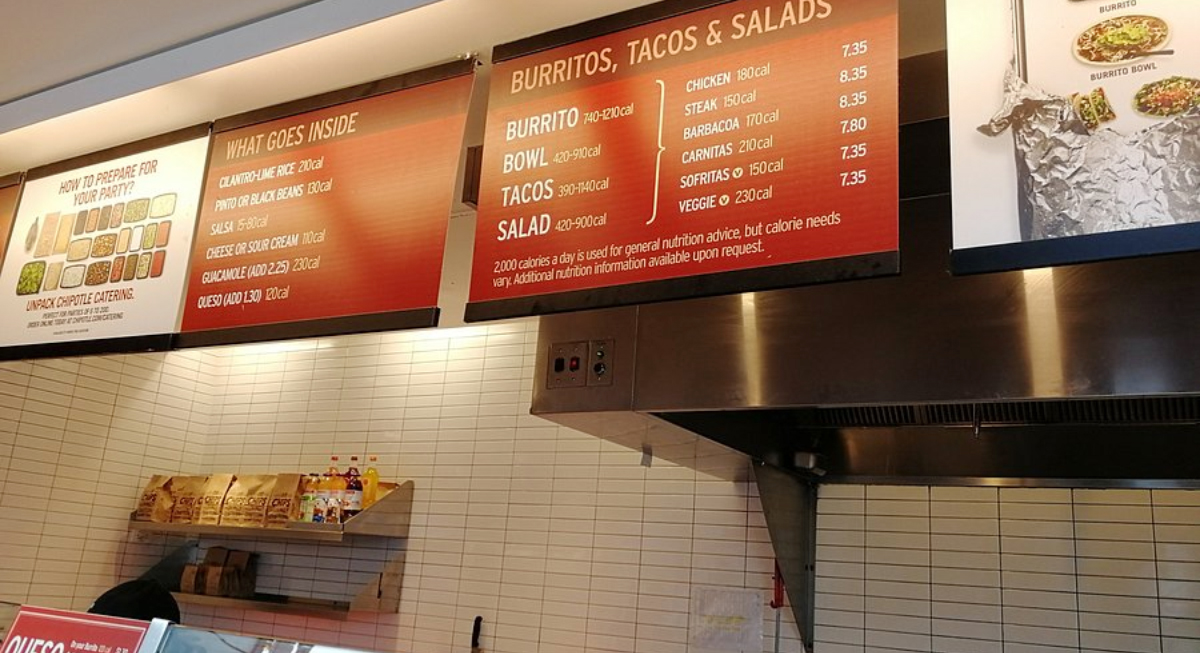
Restaurant prices climbed steadily over the past few years, so diners now inspect value more closely than before. A bowl that once felt oversized may suddenly seem average when it costs several dollars more. That perception fuels many online complaints. People are reacting to the combination of higher prices and smaller servings.
Delivery Containers Make Portions Look Smaller
Credit: Reddit
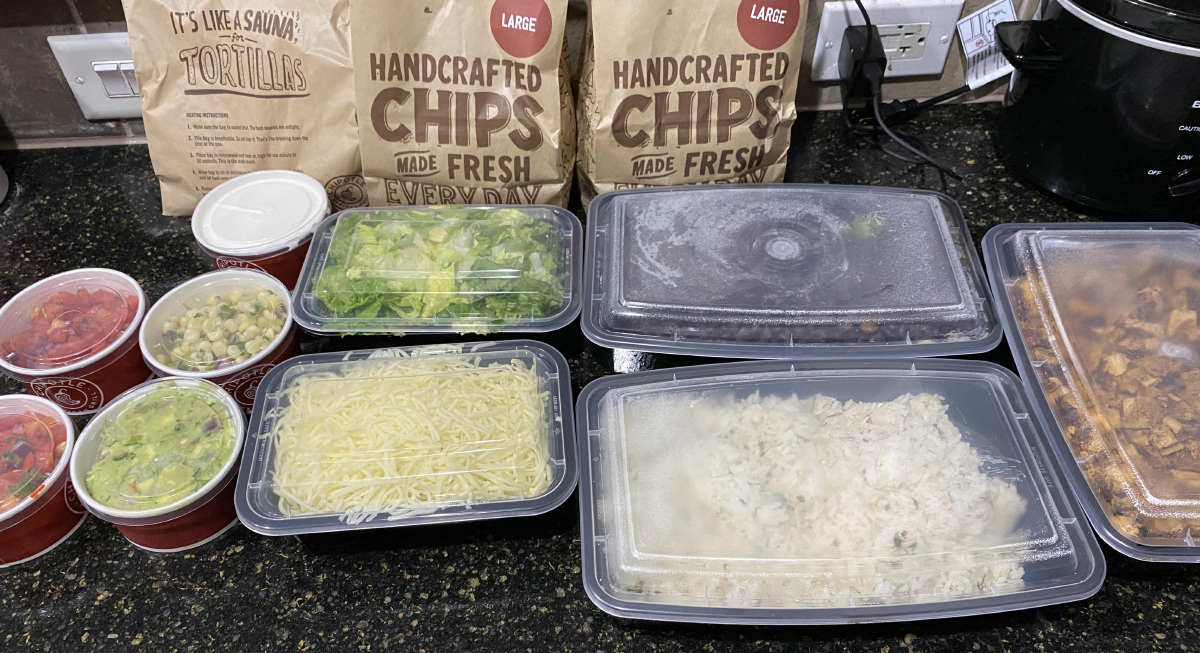
A bowl with ingredients spread unevenly can look surprisingly empty once the lid comes off at home. Delivery orders also shift around during transport, leaving large gaps that make portions appear lighter than they actually are. Customers eating in-store rarely experience that visual effect because the food stays layered neatly after assembly.
Chipotle Admitted Some Locations Were Skimping

Credit: Wikimedia Commons
In 2024, former CEO Brian Niccol acknowledged that roughly 10% of Chipotle locations needed retraining because portions were falling below company standards. Executives described generous portions as part of the brand’s identity and promised stronger consistency. The company also admitted that correcting those portions would increase food costs.
Employees Interpret “Extra” Differently
Credit: Wikimedia Commons
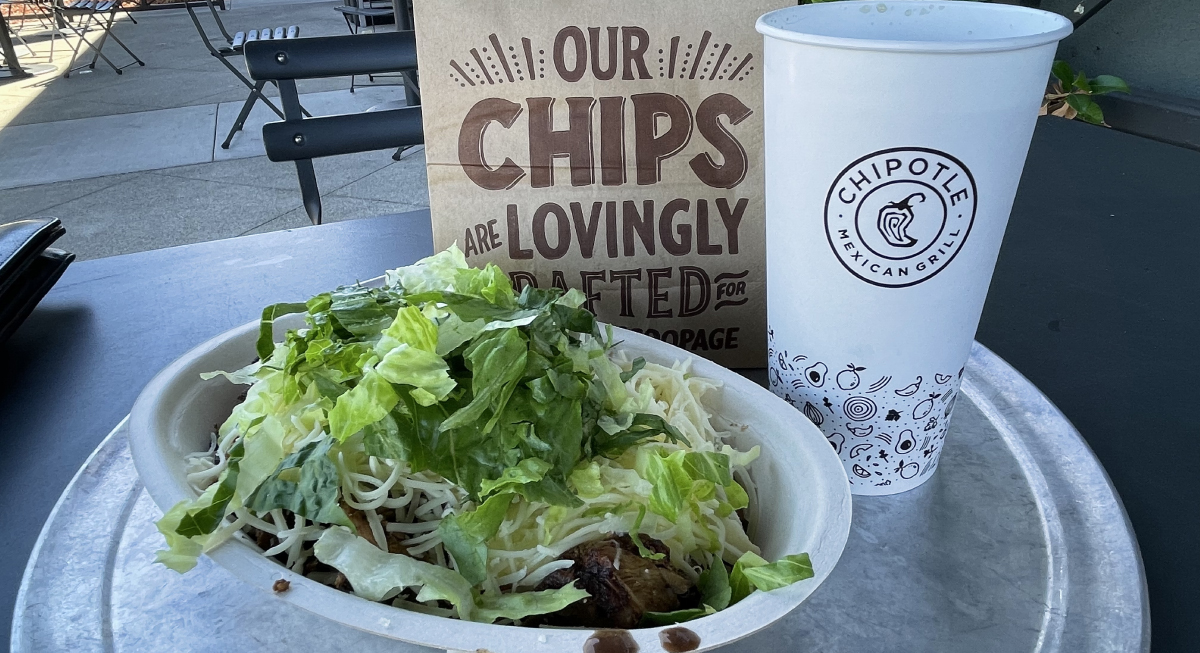
One worker’s “normal scoop” may look completely different from another’s. Chipotle relies heavily on human judgment during assembly, which creates natural variation across locations and shifts. A generous employee can turn a burrito into a two-handed project. Someone more cautious may build a bowl that feels noticeably lighter using the exact same ingredients.
Competition Makes Portions Stand Out More
Credit: Tripadvisor
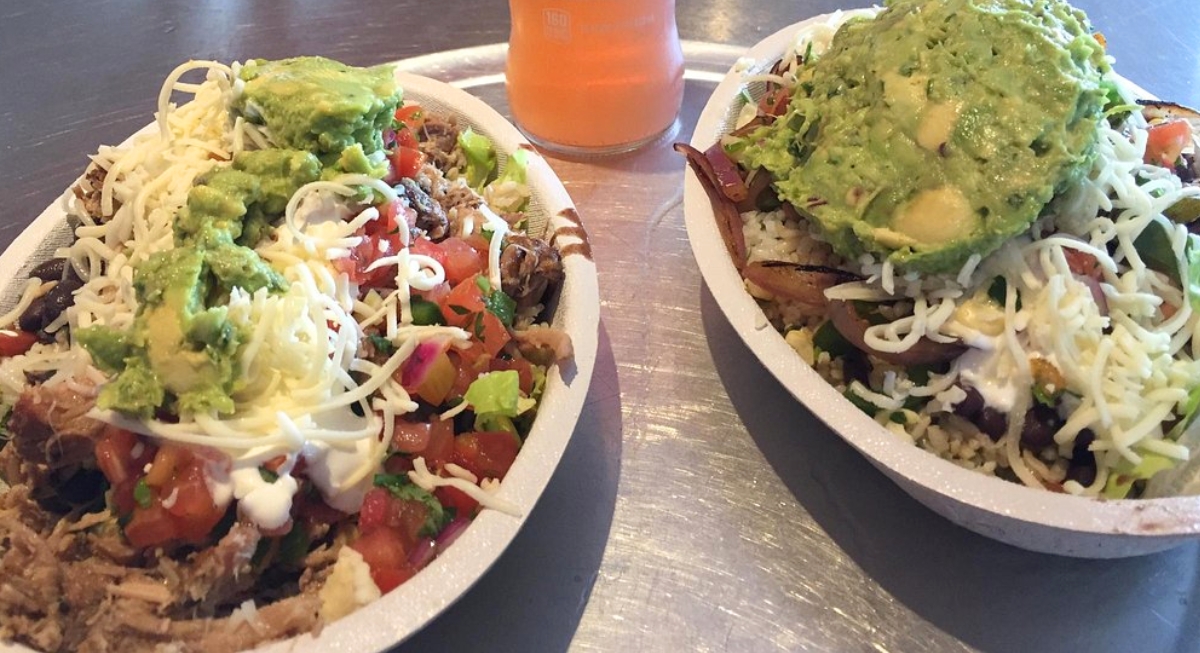
Chipotle no longer dominates the fast-casual bowl market the way it once did. Chains like CAVA and Sweetgreen now compete for the same customers, and diners constantly compare serving sizes online. A smaller Chipotle order becomes easier to notice when rival restaurants pile ingredients higher for similar prices. Portion complaints gained traction partly because consumers suddenly had more alternatives.
Asking Politely Still Works Surprisingly Often
Credit: Instagram
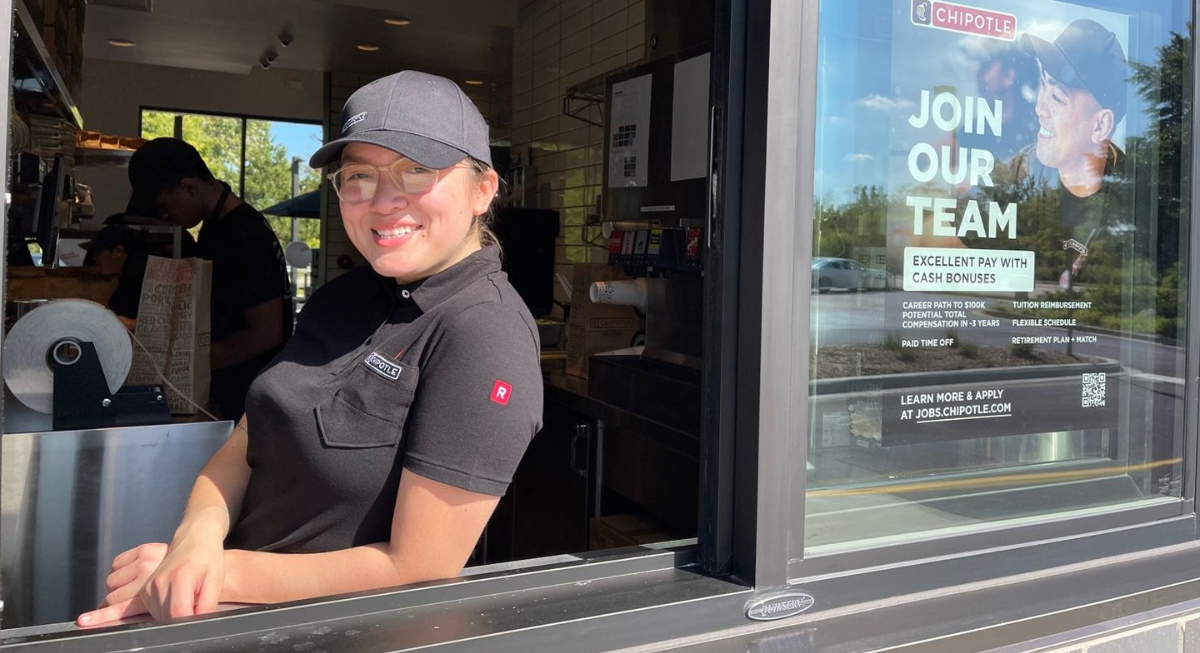
One detail appears consistently across customer experiences: polite requests usually help. Extra rice, beans, lettuce, or fajita vegetables can often be added without additional charges if requested during assembly. Employees are generally more flexible in person, and Chipotle’s current CEO even publicly encouraged customers to ask for more food if portions seem small.