Those Flashy Casino Lights Have a Sneaky Effect on Your Brain
Casinos rely heavily on lighting dominated by blue wavelengths, which is produced by LED screens and machine displays. These style choices became common as gambling spaces transitioned to digital interfaces and high-intensity visuals. On this note, researchers have begun studying these environments the same way they study pharmaceuticals or advertising exposure. The findings suggest that environmental design can shape financial decisions without direct persuasion.
Blue Light Alters How You React to Losing
Credit: iStockphoto
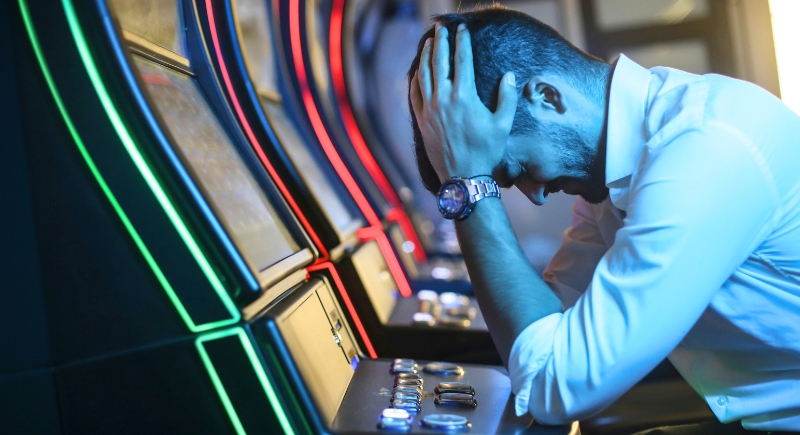
Under blue-enriched lighting, gamblers feel losses less strongly than they usually would. In controlled studies, participants exposed to this light placed riskier bets. They still ended up losing money, but their emotional response was not the same. This is because blue light weakens the natural discomfort people usually feel when they lose.
The Body Reacts to Lighting

Credit: Canva
Blue light activates cells in the eye that are linked to both emotional processing and vision. These cells send signals to the areas of the brain that manage risk and reward. The body responds automatically, without conscious effort. That means even informed gamblers may still fall into impulsive behavior under certain lightings.
Casino Sounds Encourage You to Keep Playing
Credit: Canva
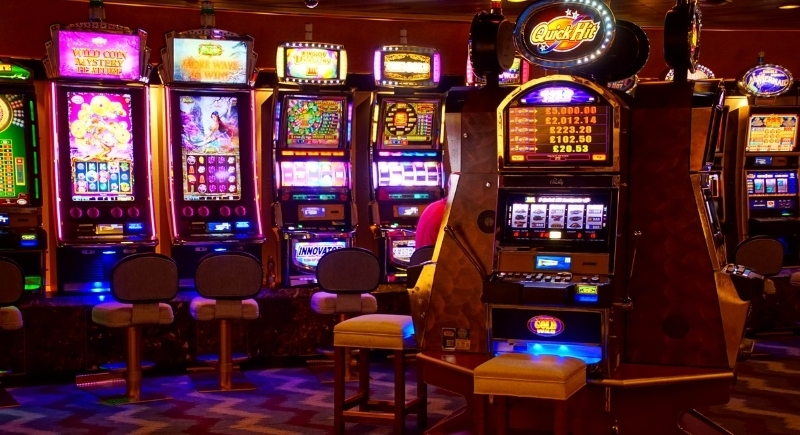
You will see machines using music and celebratory sounds, even if you lose. This isn’t just for atmosphere, but designed to make the loss feel like a partial win. Experts refer to this effect as a “loss disguised as a win.” It allows players to hear upbeat sounds, see pulsing graphics, and feel rewarded, despite the odds not being in their favor.
Eye-Tracking Studies Show a Change in Focus

Credit: Getty Images
In a study, researchers used eye-tracking technology to see where players looked during gambling tasks. It was found that people paid less attention to odds and statistics when casino-like visuals and sounds were added. Instead, their focus was on sensory cues, such as flashing lights and images of money. However, if those distractions were not present, participants spent more time analyzing the risk.
People With Gambling Risk May Be More Vulnerable

Credit: Canva
For individuals with a gambling addiction, the impact of casino lighting and sound can be even stronger. These cues heighten arousal and weaken restraint. The sensory feedback may explain why some people find it harder to stop, even when things are not going their way. Environments that trigger this reaction don’t just entertain, but encourage repetition.
You Can Change Your Lighting at Home
Credit: Canva
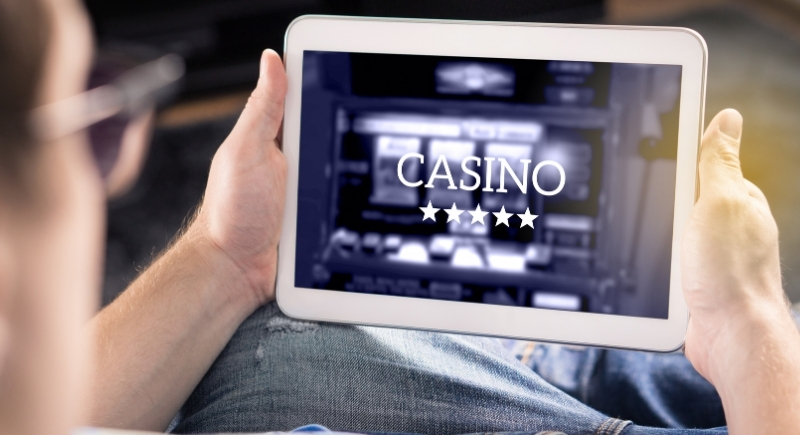
If you gamble online or on your phone, try adjusting your screen settings at night. Reducing brightness or using a blue light filter can help maintain a healthier response to wins and losses. Many devices now include built-in options to alter color temperature in the evening. Warmer tones promote better emotional regulation and may prevent overstimulation.
Risk-Taking Increased More in Male Participants

Credit: Canva
Another experiment showed that men made bolder bets under blue light than women. Both groups responded to the lighting, but the change in actions was more pronounced in male participants. This observation lines up with previous surveys showing gender differences in gambling patterns. It suggests that some individuals might be more susceptible to environmental cues.
Blue Light Suppresses Production of Melatonin
Credit: Canva
Biologically, blue light has been shown to suppress melatonin, which is a hormone that helps regulate sleep. This effect may explain why casino lighting keeps people alert and active for long periods. When melatonin drops, the body doesn’t feel ready to rest. In gambling environments, that means players stay longer and remain more engaged.
Digital Games Use the Same Visual Triggers
Credit: iStockphoto
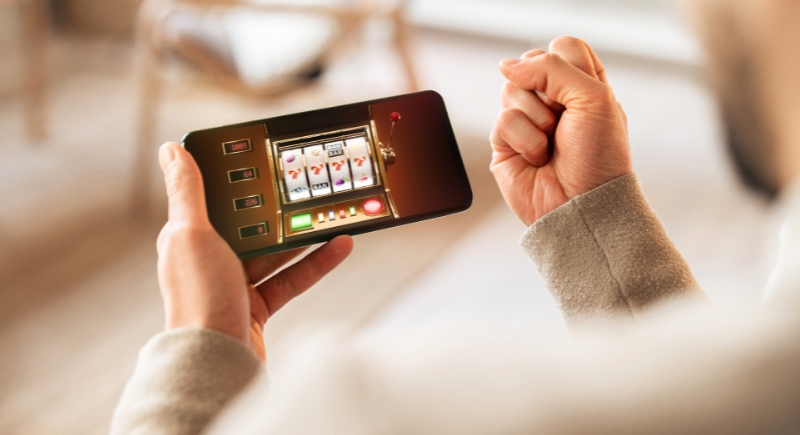
Online slot machines are specifically designed to mimic the look and feel of real casinos. They use bright onscreen cues, fast-paced animations, and audio clips to create a similar environment. These features activate the same brain areas involved in physical gambling. Players may not realize these effects translate to screens, but the outcomes are similar.
Changing the Environment May Support Safer Play
Credit: Getty Images
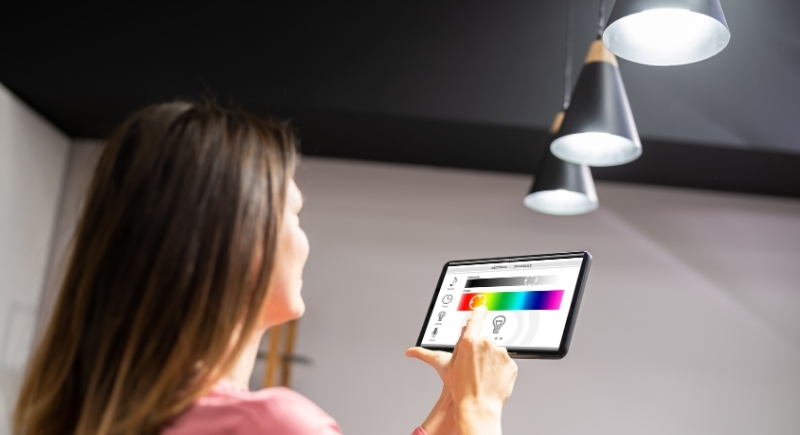
Professionals believe that small changes in design could help reduce gambling-related harm. Shifting lighting toward warmer tones, removing unnecessary sound effects, or dimming brightness might help people stay more aware of their choices. These suggestions focus on making the environment less manipulative.