Common Vehicles That Have Surprisingly Strange Features
Modern vehicles are meant to feel predictable, so the odd ones catch your attention fast. You see these cars, trucks, and SUVs every day in parking lots and traffic. On the surface they look normal, but small design choices change how they drive, sound, or react. Those quirks are deliberate. If you own one, you notice them early, question them, and slowly adjust to how they shape the driving experience.
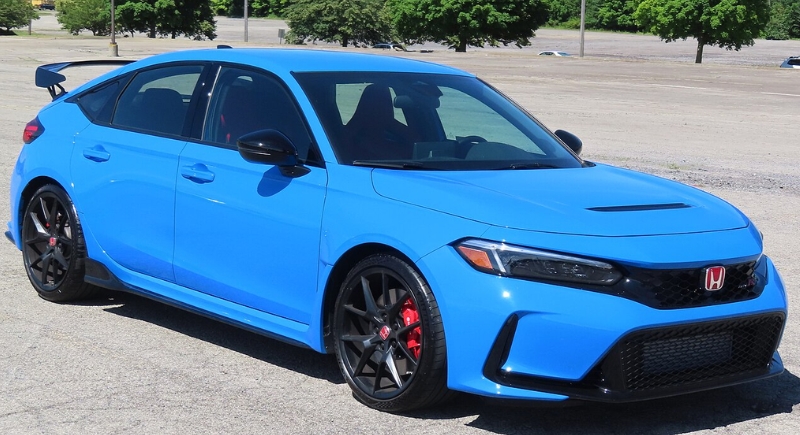
Honda Civic Type R
Credit: Wikimedia Commons
The giant wing draws eyes first, but the real trick sits underneath. Honda built a Front Wheel Drive hot hatch with 315 horsepower and kept it composed. A dual-axis strut front suspension reshapes how power is delivered to the wheels. Three cooling systems and functional aerodynamics add stability. What should feel chaotic instead feels controlled and predictable, even when pushed hard on real roads.
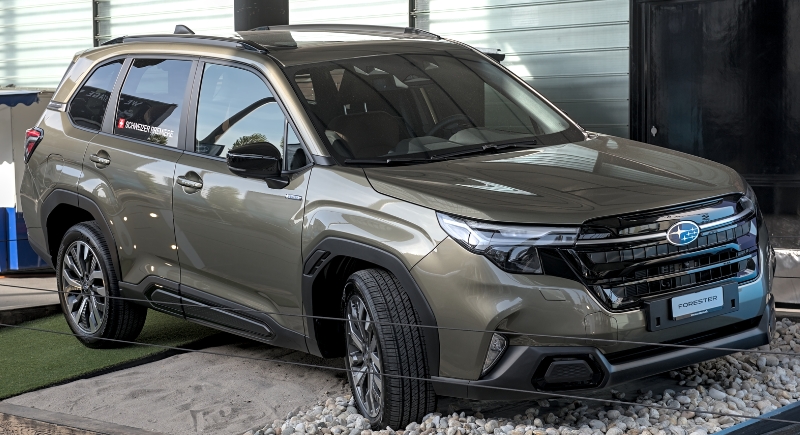
Subaru’s Boxer Everything
Credit: Wikimedia Commons
Most manufacturers phased out horizontally opposed engines due to higher costs and difficult servicing. Subaru stayed committed and made the boxer its identity. The low engine placement improves balance and handling, but routine maintenance tests patience. Oil changes feel involved, spark plug access requires significant effort, and older models experienced head gasket failures linked to seal stress caused by the engine layout.
Jeep Wrangler

Credit: Wikimedia Commons
Removable doors and a convertible top are expected quirks, but the mechanical guts tell a stranger story. Jeep still builds the Wrangler with a full ladder frame and solid front and rear axles, while nearly every other SUV has switched to unibody construction and independent suspension. Driving one feels like piloting a 1985 truck thanks to the vehicle’s two-speed transfer case and low-range gearing.
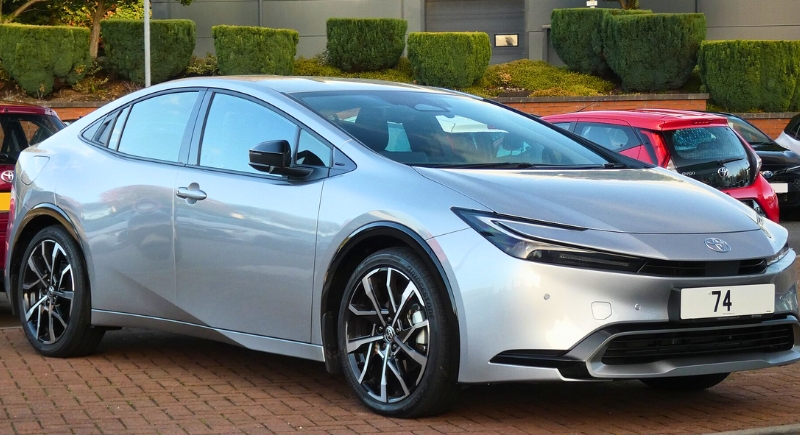
Toyota Prius (Pre-2023)
Credit: Wikimedia Commons
Toyota leaned hard into a futuristic feel and stuck with it. The digital speedometer sat in the center of the dashboard instead of in front of the driver, pulling your eyes sideways more than expected. The battery lived under the rear seats, which made the back row feel tighter than the exterior suggests. Some versions even split the rear window in two with a thick divider.
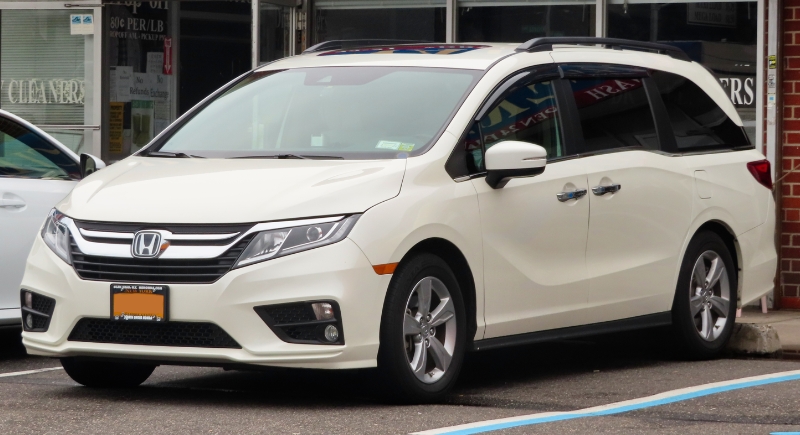
Honda Odyssey
Credit: Wikimedia Commons
The Odyssey is designed to be practical, but some of its behavior catches owners off guard. During light driving, it shuts down a cylinder bank, which changes the exhaust sound. Cabin microphones detect noise and send counter sound through the speakers. The sliding doors stop with very little resistance, so snow can block them. Many parents assume something is wrong before learning that this is intentional Honda engineering.
Volvo T8 Plug-In Hybrid
Credit: Wikimedia Commons
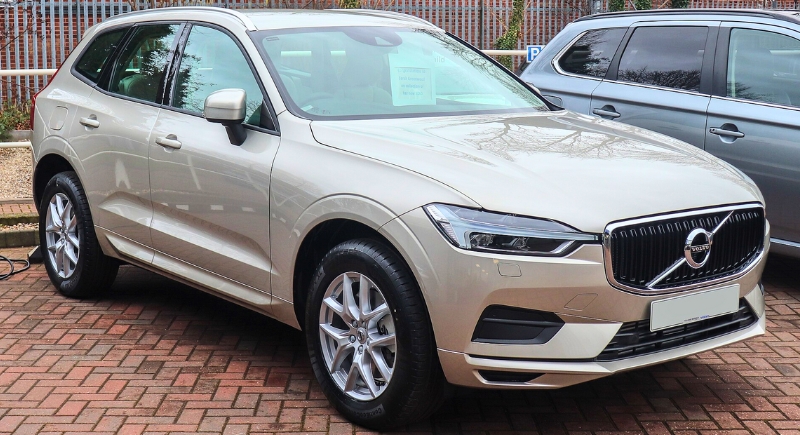
When engineers debate the best way to add power, most teams pick one solution and run with it. Volvo apparently couldn’t choose, so they implemented every option simultaneously in their T8 drivetrain. Start with a turbocharged four-cylinder, add a supercharger to that same engine, bolt on a crankshaft-mounted starter generator, and finish with a plug-in hybrid electric motor on the rear axle for electric all-wheel drive.
BMW iX
Credit: Wikimedia Commons
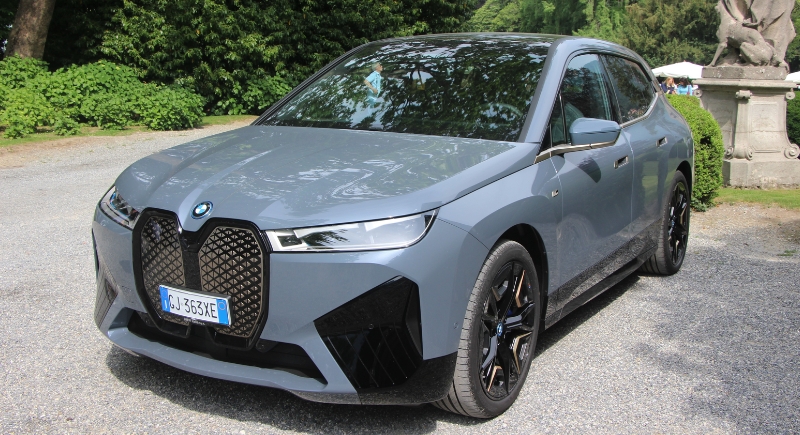
Those enormous kidney grilles sparked controversy, but BMW buried the baffling decisions inside the cargo area and cabin. Engineers installed auxiliary tail lights inside the hatch so the car maintains functioning rear lights when the hatch is open. While that meets regulatory requirements, it devours storage space that other manufacturers preserve. Interior trim presents cheap plastic that belongs in a budget rental and an iDrive controller that beams sunlight into your retinas while driving.
Ford Mustang Mach-E GT
Credit: Wikimedia Commons
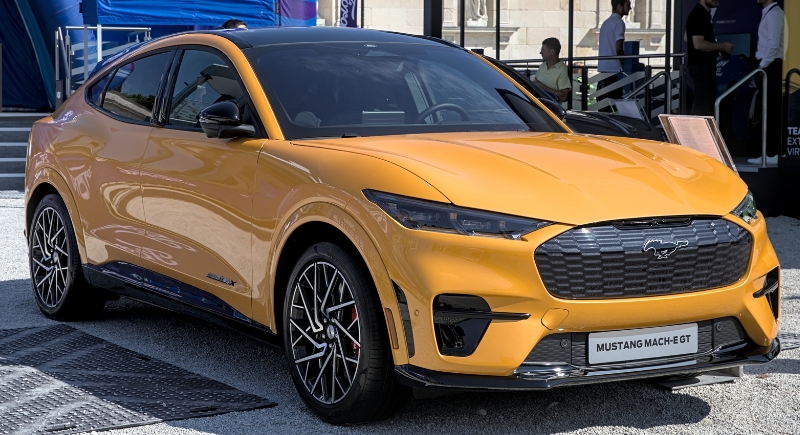
Ford put the Mustang badge on an electric crossover and ended up with something unusual. The GT Performance Edition uses a rear motor that delivers far more power than the front one, even though the vehicle runs All Wheel Drive and carries serious weight. It hits zero to sixty in 3.5 seconds and uses sporty suspension tuning, which can leave drivers unsure whether it feels like a muscle car or an SUV.
Chevrolet Trailblazer (Current Generation)
Credit: Wikimedia Commons
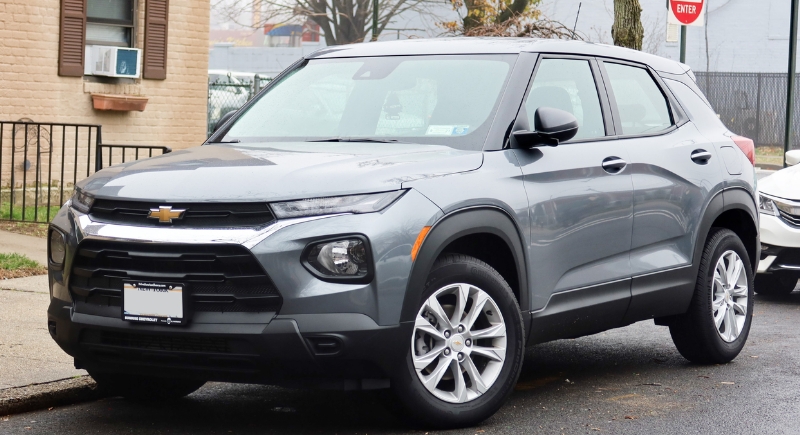
Chevy appears to have studied the Kia Soul’s success and learned the wrong lessons. This compact SUV stands tall and narrow, with proportions that suggest instability in crosswinds, and is wrapped in cheap plastics that dominate every interior surface. Driving feels labored thanks to numb steering and a constantly moaning CVT transmission. Yet buyers keep showing up because the price is right, the infotainment system works, and the fuel economy delivers.
2024 Dodge Charger Daytona EV
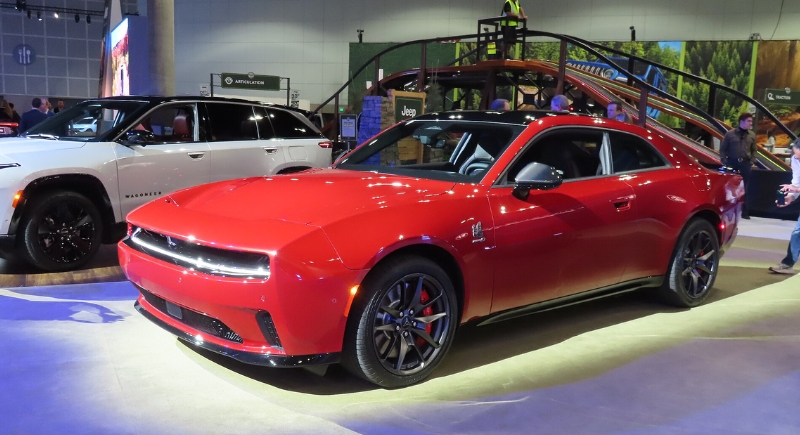
Credit: Wikimedia Commons
Sharing the entire body structure with its four-door sedan sibling created the most awkward proportions in modern automotive design. Doors stretch long and require extra clearance in parking lots, while the rear quarter panels extend to infinity, making the rear wheels look like they belong to a different vehicle. Dodge also made this one of the few liftback coupes available new today, adding trunk functionality nobody requested.